Florence · Duomo & Piazza della Signoria

Buca Lapi

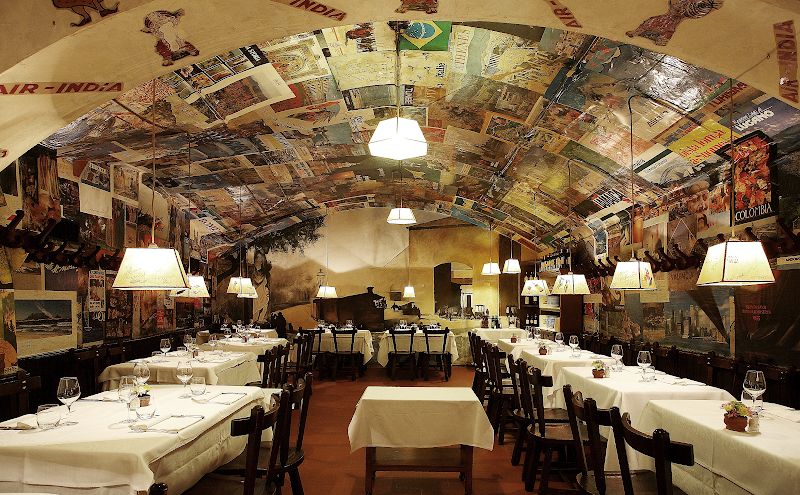
Historic cellar restaurant since 1880 serving bistecca alla fiorentina in a former wine cellar.
Buca Lapi, Florence · Duomo & Piazza della Signoria
Category
Restaurant
Duration
2 hours
Best Time
Evening
Entry
€€€
Rating
4.5 (1,041)
The place

About Buca Lapi

Historic cellar restaurant since 1880 serving bistecca alla fiorentina in a former wine cellar. Vaulted brick ceilings, Chianti bottles lining the walls, and traditional preparation. Dinner reservations required, tourist-friendly but maintains quality.

Book ahead

Book Tickets

Live availability and skip-the-line options from our booking partners.

Search on Viator →Search on GetYourGuide →

Booking powered by our partners. DAIZ may earn a commission.

The details

Practical bits

WalkingMinimal walking
The place

Getting there

Address
Via del Trebbio, 1r, 50123 Firenze FI, Italy
Neighborhood
Duomo & Piazza della Signoria
View on Google Maps →
Good to know

Tips, answered

Request a table in the main vaulted cellar room rather than the modern extension for the full atmospheric experience.

Plan for about 2 hours. Evening visits offer a different atmosphere with softer light.

Buca Lapi is in the Duomo & Piazza della Signoria neighborhood of Florence. The address is Via del Trebbio, 1r, 50123 Firenze FI, Italy. The area is well-served by metro.

Evening visits offer a unique atmosphere. The light is softer, crowds thin out, and the experience feels more intimate.

Closed on Sunday. Check the official website for holiday closures and special hours.

Around the corner

Nearby in Duomo & Piazza della Signoria
Explore all →
Florence Cathedral (Duomo) & Brunelleschi's Dome
Landmark

Florence Cathedral (Duomo) & Brunelleschi's Dome

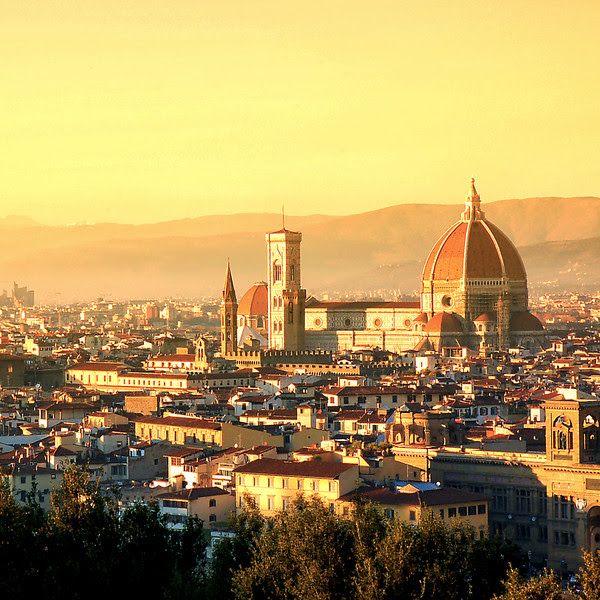
Florence Cathedral and Brunelleschi's dome define the city's skyline, and climbing inside the dome is one of Europe's most extraordinary architectural experiences. The cathedral itself is free to enter, but the real prize is the EUR 30 combined ticket that gets you up 463 steps into Brunelleschi's engineering masterpiece. Built between 1420-1436, this is the world's largest masonry dome, constructed with a revolutionary double-shell technique that still baffles engineers today. The dome climb takes you between the inner and outer shells where you can see the construction techniques up close, then inside to view Vasari's Last Judgment frescoes from an impossibly intimate perspective. The narrow spiral staircases feel medieval and claustrophobic, especially in summer heat, but emerging onto the external lantern delivers sweeping views across Florence's terracotta rooftops to the Tuscan hills beyond. The cathedral floor looks tiny from up there, and you truly understand why this dome was considered impossible to build. Book your dome climb at least a week ahead during peak season, it sells out daily. The cathedral nave is underwhelming compared to the dome experience, so don't feel obligated to linger there. If dome tickets are sold out, Giotto's Bell Tower next door offers nearly identical views with shorter queues for the same EUR 30 ticket. Most people rush through, but take your time on the lantern to really absorb the panorama.

2-3 hoursExplore
Museo dell'Opera del Duomo
Museum

Museo dell'Opera del Duomo

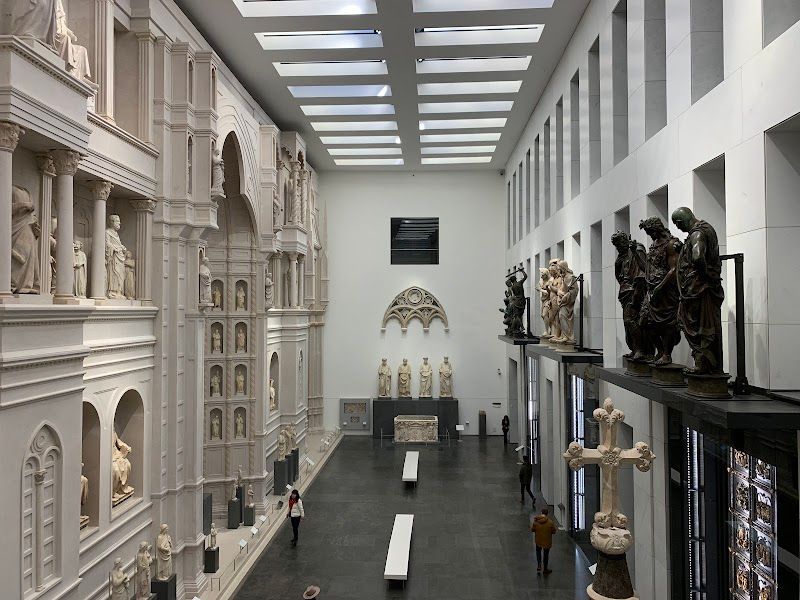
This museum holds the actual treasures that once adorned Florence's cathedral complex, moved here for protection from weather and theft. You'll see Michelangelo's unfinished Pietà (his last work, which he smashed in frustration), Ghiberti's original Paradise Doors from the Baptistery, and Donatello's haunting wooden Mary Magdalene. The collection spans 700 years of cathedral art, including the original facade statues and medieval tools used to build Brunelleschi's dome. The experience flows chronologically through three floors of sleek, climate controlled galleries that put most Italian museums to shame. The ground floor centers around Ghiberti's gleaming bronze panels, displayed at eye level where you can study every biblical scene up close. Upstairs, you'll face Michelangelo's towering Pietà in a darkened room that feels almost sacred. The medieval section showcases massive stone prophets by Donatello and Andrea Pisano that once stared down from the cathedral's exterior. Most visitors rush through in an hour, but you need at least two to appreciate the craftsmanship. Skip the basement's architectural fragments unless you're an engineer. The €18 ticket includes the cathedral complex, making it decent value, but the museum alone justifies the cost. Come early when tour groups haven't arrived yet.

2-3 hoursExplore
Battistero di San Giovanni
Landmark

Battistero di San Giovanni

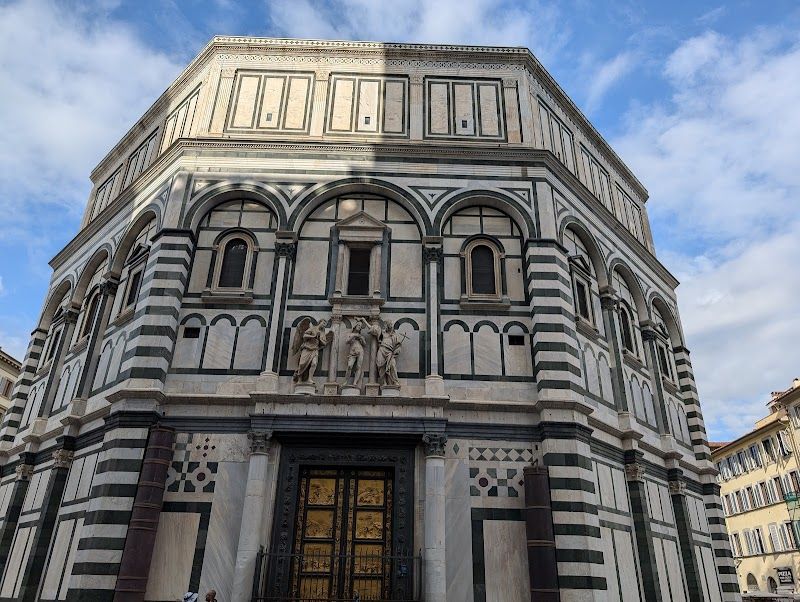
The Baptistery of San Giovanni stands as Florence's oldest building, an octagonal Romanesque masterpiece from the 11th century. Here, every Florentine child was traditionally baptized, including Dante himself. Lorenzo Ghiberti's gilded bronze doors depict ten Old Testament scenes in great detail: Michelangelo famously called them the Gates of Paradise. Once you see Adam and Eve's expulsion or Noah's ark rendered in luminous bronze relief, you'll see why this description exists. Inside, your neck will crane upward at Byzantine mosaics covering every inch of the dome, dominated by a colossal Christ in Judgment surrounded by angels, saints, and scenes of paradise and hell. Walking around the octagonal interior feels intimate despite the soaring space above. The geometric marble floor patterns draw your eye while that massive mosaic dome commands attention with its golden glow and intricate biblical narratives. Most visitors spend their time photographing the exterior doors, but the real magic happens when you step inside and let your eyes adjust to the dim, jewel-toned light filtering through the mosaics. The acoustics are remarkable too: whisper against one wall and someone across the octagon can hear you clearly. Here's what few guides mention: the famous doors you're photographing outside are copies installed in 1990. The originals live safely in the Opera del Duomo Museum, which costs €15 but offers much closer viewing of Ghiberti's actual masterwork plus Donatello sculptures. We recommend skipping the audio guide here and saving your money for the museum instead, where you'll need it more.

30-45 minutesExplore
Museo Nazionale del Bargello
Museum

Museo Nazionale del Bargello

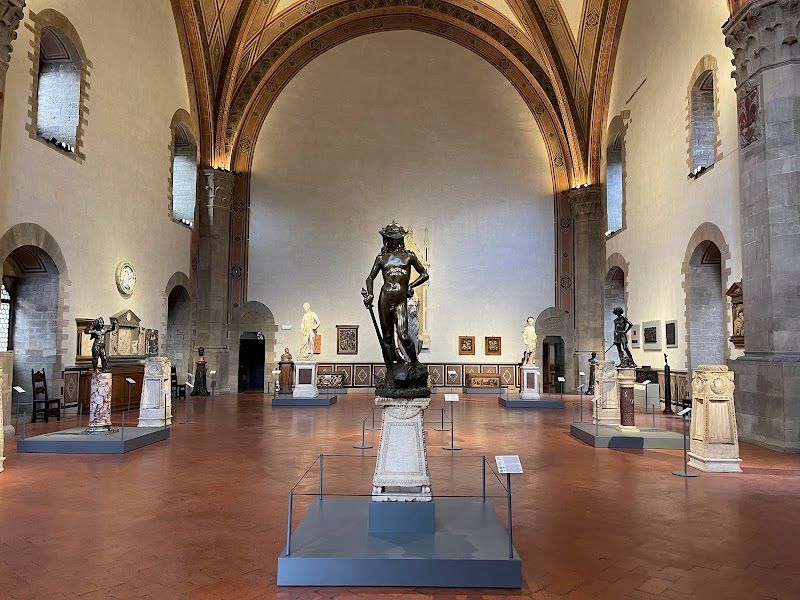
The Bargello holds the world's greatest collection of Renaissance sculpture inside a forbidding 13th-century fortress that once served as Florence's prison and courthouse. You'll find Donatello's revolutionary bronze David (the first nude sculpture since antiquity), Michelangelo's early Bacchus, and Cellini's intricate bronze models alongside works by Ghiberti and Giambologna. The building itself tells stories: prisoners were once executed in the courtyard where you'll now admire Gothic arches and medieval stonework. You enter through the ground floor's vaulted halls filled with Michelangelo's works, then climb the external stone staircase to reach Donatello's masterpieces on the first floor. The rooms feel intimate compared to the Uffizi's crowds, letting you study details like the expression on David's face or the texture of bronze drapery. Each hall focuses on different periods and artists, creating a clear narrative of sculptural evolution from medieval to Renaissance. Most visitors rush through in 45 minutes, but you need at least 90 minutes to appreciate the craftsmanship properly. Skip the upper floors unless you're passionate about decorative arts and Islamic metalwork. At €8 for a full ticket (free for EU citizens under 25), it's Florence's best museum value. The audio guide costs extra €5 but adds crucial context about techniques and historical significance that the sparse wall labels miss.

1.5-2 hoursExplore
Via de' Tornabuoni
Shopping

Via de' Tornabuoni

Via de' Tornabuoni is Florence's answer to Fifth Avenue, where Renaissance palazzi house the flagship stores of Italy's biggest fashion names. You'll walk past Gucci's original store, Ferragamo's headquarters, and Roberto Cavalli's showroom, all set within 15th century palaces built by Florence's wealthiest banking families. The street stretches just four blocks from the Arno River to Via de' Strozzi, making it perfectly walkable even if you're not buying anything. The experience feels like window shopping in an outdoor museum. Each storefront occupies a slice of Florentine history: frescoed ceilings peek through Pucci's windows, while Gucci's flagship sits in the former Palazzo della Mercanzia. You'll see more designer shopping bags per square meter than anywhere else in Italy, carried by a mix of wealthy tourists and impeccably dressed locals. The atmosphere stays refined rather than touristy, even during peak season. Honestly, most items here cost 20 to 30 percent more than the same pieces in other European cities. Skip the overcrowded Gucci store (there's a better one near Santa Croce) and focus on Ferragamo and the smaller boutiques like Emilio Pucci. The real value is the architecture: you're getting a free walking tour of Renaissance palace facades that would normally require museum admission fees.

1-2 hoursExplore
Orsanmichele
Museum

Orsanmichele

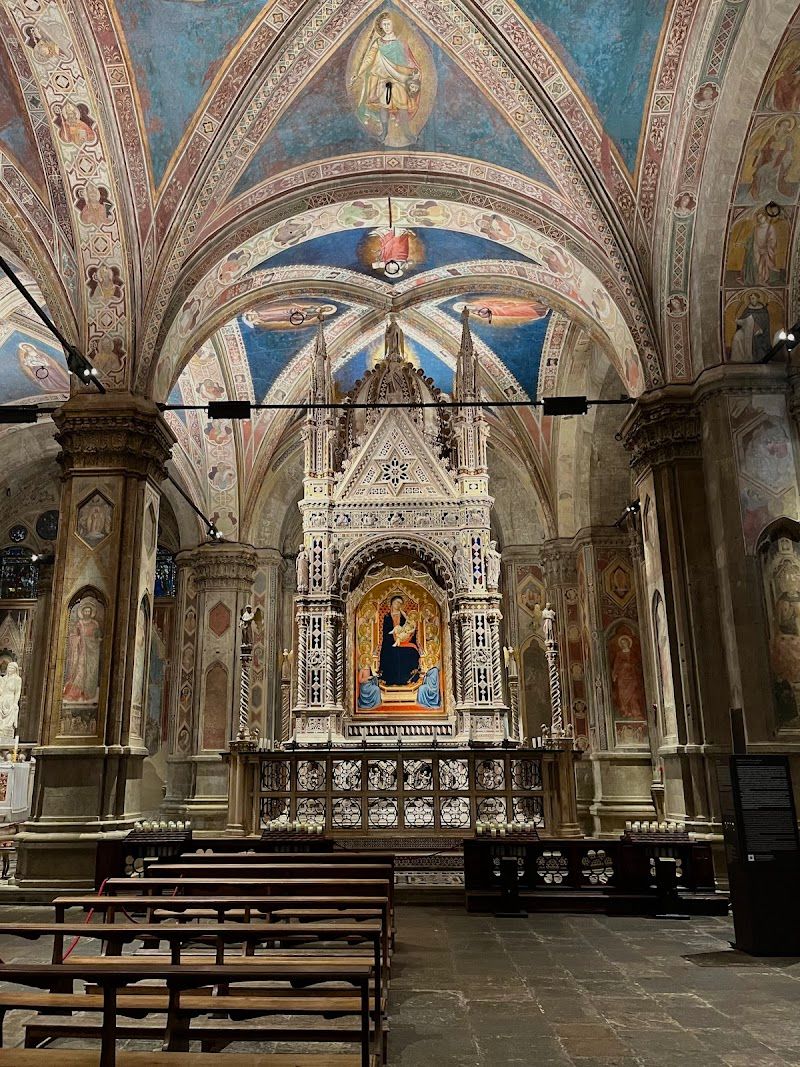
Orsanmichele is Florence's most unusual church, a Gothic building that started life as a grain market in the 1330s. You'll find it sandwiched between Via dei Calzaiuoli and Via dell'Arte della Lana, looking more like a fortress than a place of worship. The real treasure is outside: fourteen niches house sculptures commissioned by Florence's powerful guilds, including works by Donatello, Ghiberti, and Verrocchio. Each guild tried to outdo the others, creating an outdoor sculpture gallery that's completely free to admire. The ground floor church feels like no other in Florence, with its massive stone pillars and warehouse proportions intact from its market days. The focal point is Orcagna's elaborate Gothic tabernacle from 1359, a marble masterpiece that glows under spotlights. You can walk around freely, and the atmosphere is surprisingly peaceful given its location on Florence's main shopping street. The upstairs museum opens only on Mondays, displaying the original sculptures that have been moved indoors for protection. Most guidebooks oversell the interior, which takes maybe 10 minutes to see properly. The real value is outside examining the guild sculptures, though you'll now see copies rather than originals. Entry to the church is free, but the Monday museum costs 5 EUR and honestly isn't worth it unless you're a serious sculpture enthusiast. Skip the audio guide and just enjoy this unique blend of commerce and spirituality that perfectly captures medieval Florence.

30-45 minutesExplore
More on Florence

From the blog

View all →
Ready for Florence?

Let DAIZ plan your Florence days

Tell us how long you've got and what you're into. We'll build a day-by-day plan, with the bookable bits ready to lock in.

Plan my Florence tripFree · no signup to start
Plan your Florence trip