Florence food specialties tell the story of a city that has been feeding itself well for over a thousand years. While tourists line up for mediocre pasta near the Duomo, locals know where to find the real treasures: lampredotto sandwiches for EUR 4-6, ribollita that costs less than a museum ticket, and bistecca alla fiorentina that justifies its EUR 50-70 price tag.
This isn't about reinventing Italian cuisine or following Instagram trends. Florence traditional food remains stubbornly unchanged, rooted in peasant ingenuity and seasonal ingredients from the surrounding Tuscan hills. The city's food culture revolves around specific dishes that you will not find done properly anywhere else in the world.
The Essential Florence Food Specialties
Bistecca alla Fiorentina: The King of Tuscan Cuisine
Bistecca alla fiorentina is the dish that defines Florence more than any other. This is a massive T-bone steak from Chianina cattle, grilled over chestnut charcoal and served blood rare. The steak weighs at least 1.2 kilograms and feeds two people, though watching Florentines attack one solo suggests otherwise.
The preparation is sacred: salt, pepper, olive oil, and fire. Nothing else. The meat comes from cattle raised in the Val di Chiana, aged for at least 15 days, and cut thick enough that you could use it as a doorstop. Restaurants charge by weight, typically EUR 4-6 per 100 grams, making a proper bistecca cost EUR 50-70.
Trattoria Sostanza on Via del Porcellana serves the city's most famous version, cooked on a grill that has been seasoning steaks since 1869. The dining room holds maybe 30 people, reservations are essential, and they will not cook your steak beyond rare.
Lampredotto: Florence's True Street Food
Lampredotto is what happens when Florence takes the fourth stomach of a cow, braises it in tomato and vegetables until tender, then serves it chopped in a bread roll with salsa verde or spicy sauce. This sounds terrible and tastes extraordinary.
Every proper lampredotto sandwich costs EUR 4-6 and comes from a green cart parked at specific corners around the city. L'Antico Trippaio at Piazza de' Cimatori has been serving the same recipe since 1872. The meat is tender, the bread soaks up the juices, and the salsa verde adds the acidic bite that makes everything work.
Tourists often skip lampredotto because it sounds intimidating, which means more for the rest of us. This is the most authentic what to eat in florence experience you can have for under EUR 10.
Ribollita: Tuscany in a Bowl
Ribollita translates to "reboiled" because this soup improves when you reheat it the next day. The base includes cannellini beans, cavolo nero (Tuscan kale), stale bread, and whatever vegetables were available when the cook started the pot.
The soup reflects Florence's peasant cooking philosophy: waste nothing, use what you have, make it taste better than dishes that cost ten times as much. Proper ribollita has the consistency of very thick oatmeal, with the bread completely dissolved into the base.
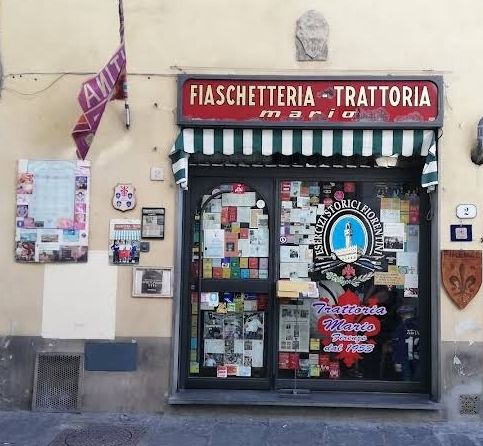
Trattoria Mario in San Lorenzo serves ribollita that locals queue for during winter months. The restaurant has 14 tables, no reservations, and closes when they run out of food, usually by 2 PM.
Florence Traditional Food: The Meat Masters
Arista di Maiale: The Renaissance Roast
Arista di maiale is roast pork loin seasoned with rosemary, garlic, and fennel seeds, then slow-roasted until the outside develops a perfect crust. Legend claims this dish was invented for the Council of Florence in 1439, when Greek bishops declared it "aristos" (the best).
The pork comes from pigs raised in the Tuscan countryside, where they eat acorns and chestnuts that flavor the meat. Proper arista requires a good butcher, a slow oven, and patience. Most restaurants serve it sliced thick with roasted potatoes or cannellini beans.
Trattoria Cammillo in the Oltrarno has been perfecting their arista recipe since 1945. The restaurant occupies a 15th-century building, uses the same wood-burning oven they installed in 1960, and serves arista that justifies the EUR 18-22 price.
Trippa alla Fiorentina: Not for the Faint of Heart
Trippa alla fiorentina takes honeycomb tripe, braises it with tomatoes, onions, and herbs, then finishes it with Parmigiano-Reggiano cheese. This is offal cooking at its finest, turning something most people discard into a dish with deep, complex flavors.
The key is long, slow cooking that breaks down the tough connective tissue while maintaining the tripe's distinctive texture. Good trippa has a slight chew but never feels rubbery, with a sauce that coats each piece without overwhelming the meat's natural flavor.
Most restaurants in San Lorenzo serve trippa as a starter or side dish for EUR 8-12. The dish pairs perfectly with Chianti Classico, whose acidity cuts through the richness.
The Soup and Stew Specialists
Pappa al Pomodoro: Summer in Tuscany
Pappa al pomodoro combines ripe tomatoes, stale bread, basil, garlic, and olive oil into a thick soup that tastes like concentrated summer. The dish emerged from the need to use bread that had gone stale, transforming waste into something that restaurants now charge EUR 8-10 to serve.
The technique requires patience: slowly cooking tomatoes until they break down completely, then adding bread that dissolves into the base. The final texture should be smooth but substantial, with bright tomato flavor balanced by fruity olive oil.
The best pappa al pomodoro appears on menus from June through September, when San Marzano tomatoes reach peak ripeness. Winter versions using canned tomatoes miss the point entirely.
Acquacotta: The Forgotten Soup
Acquacotta literally means "cooked water," which undersells this rustic soup made with vegetables, beaten eggs, and toasted bread. The dish originated with charcoal makers who worked in the forests around Florence, cooking whatever vegetables they could find in a single pot.
Modern acquacotta includes onions, tomatoes, celery, and whatever seasonal vegetables make sense. The eggs get beaten directly into the simmering soup, creating silky threads throughout the broth. Toasted bread goes in the bottom of each bowl, soaking up the flavorful liquid.
Few restaurants serve proper acquacotta because tourists don't order it and locals make it at home. When you find it, expect to pay EUR 6-8 for a bowl that will ruin you for ordinary soup forever.
Florence Local Dishes: The Sides That Shine
Fagioli all'Uccelletto: Beans Worth Celebrating
Fagioli all'uccelletto transforms simple cannellini beans into something worthy of fine dining restaurants. The beans get cooked with tomatoes, sage, garlic, and enough good olive oil to make everything glossy and rich.
The name translates to "beans cooked like little birds," referring to the sage seasoning traditionally used with small game birds. These beans appear alongside every major Tuscan meat dish, providing creamy richness that balances the intensity of grilled or roasted proteins.
Proper fagioli all'uccelletto requires dried beans soaked overnight and cooked slowly until they hold their shape but yield completely to gentle pressure. Canned beans produce an inferior dish that no self-respecting Florentine kitchen would serve.
Carciofi Fritti: Artichokes Done Right
Carciofi fritti takes young artichokes, trims them down to the tender hearts, then fries them in olive oil until crispy outside and creamy inside. This appears as an appetizer throughout spring, when local artichokes reach perfect size and tenderness.
The preparation looks simple but requires skill: cutting artichokes to remove all tough parts while maintaining their shape, controlling oil temperature to achieve the right texture, and timing everything so the artichokes arrive at the table still crispy.
Spring menus in the Oltrarno feature carciofi fritti for EUR 8-12, usually paired with other seasonal vegetables and served as an antipasto course.
What to Eat in Florence: The Sweet Endings
Cantuccini: Florence's Famous Cookies
Cantuccini are the twice-baked almond cookies that appear with every meal's end, served alongside a glass of Vin Santo for dipping. These cookies originated in Prato but became synonymous with Florence dining culture.
Proper cantuccini contain only almonds, flour, sugar, eggs, and a touch of anise. They get baked once as a log, sliced while warm, then baked again until completely dry. This process creates cookies that keep for months and develop complex flavors when soaked in sweet wine.
Most restaurants serve cantuccini and Vin Santo for EUR 6-8, though the quality varies dramatically. The best versions come from small bakeries that still make them by hand using traditional recipes.
Schiacciata alla Fiorentina: Carnival Cake
Schiacciata alla Fiorentina is a sweet flatbread traditionally made during Carnival season, though good bakeries serve it year-round. The cake contains ricotta, citrus zest, and sometimes raisins, with a texture somewhere between pound cake and cheesecake.
The name means "flattened Florentine-style," referring to the cake's relatively low height compared to other Italian desserts. A dusting of powdered sugar creates the traditional presentation, though some bakers add a glaze for special occasions.
Bakeries throughout the city center sell slices for EUR 3-5, making this an affordable dessert that pairs well with espresso or cappuccino.
Gelato: The Art of Frozen Perfection
Gelato in Florence reaches levels that make other cities' versions seem like colored ice. The difference lies in technique: less air incorporated during churning, natural ingredients, and flavors that change with the seasons.
Proper gelaterie make small batches daily, using whole milk, real vanilla beans, and seasonal fruits at peak ripeness. The texture should be dense and creamy, with flavors that taste like concentrated versions of their source ingredients.
Vivoli near Santa Croce has been making gelato since 1930, using recipes that have barely changed. A single scoop costs EUR 2.5-4, making exceptional gelato one of Florence's best bargains.
Where to Find Florence Food Specialties
Traditional Markets and Food Halls
The Mercato Centrale combines a historic food market on the ground floor with modern food stalls upstairs. The downstairs market operates like it has for 150 years, with vendors selling local produce, meats, and cheese. Nerbone operates from a tiny stall that has been serving lampredotto and other specialties since 1872.
Food stalls in the market charge EUR 6-12 for prepared dishes, making this one of the city's best values for authentic local food. The quality rivals expensive restaurants, but you eat standing at counters or small tables surrounded by locals doing their daily shopping.
Neighborhood Trattorias
The best Florence traditional food comes from small trattorias in residential neighborhoods where locals eat daily. These restaurants typically offer no English menus, take no reservations, and close when they run out of food.
Trattoria Mario near San Lorenzo exemplifies this style: 14 tables, communal seating, and a menu that changes based on what the cook bought at market that morning. Expect to spend EUR 25-35 per person for a complete meal with house wine.
Street Food Culture
Florence's street food scene centers around historic food carts that have occupied the same corners for decades. These vendors specialize in specific dishes, preparing them the same way their predecessors did fifty years ago.
Lampredotto carts cluster around major squares and market areas, serving sandwiches for EUR 4-6 that represent some of the city's most authentic food experiences. The vendors know their regular customers' preferences and will customize spice levels and sauces accordingly.
Seasonal Specialties and Food Culture
Spring and Summer Flavors
Spring brings fresh artichokes, peas, and fava beans that appear in pasta dishes, risottos, and vegetable sides. Summer menus feature tomato-based soups, grilled vegetables, and lighter preparations that make sense in Mediterranean heat.
Pappa al pomodoro only appears during tomato season, typically June through September. Restaurants serving this soup in winter using greenhouse tomatoes completely miss the dish's seasonal essence.
Fall and Winter Comfort Food
Fall hunting season brings wild boar, rabbit, and game birds to restaurant menus. Winter features hearty soups, braised meats, and root vegetables that provide comfort during cold months.
Ribollita reaches peak popularity from November through March, when cavolo nero achieves its best flavor after the first frost. This is also when bistecca alla fiorentina tastes best, as cattle feed on autumn grass that improves the meat's flavor.
Food Traditions and Dining Culture
Florentine dining culture emphasizes seasonal ingredients, traditional preparations, and meals as social experiences rather than rushed necessities. Lunch typically starts at 12:30 PM and extends until 2:30 PM, while dinner begins around 7:30 PM.
Most traditional restaurants close between lunch and dinner service, reopen for aperitivo around 6 PM, then serve dinner until 10 PM or when the last customers leave. Rushing through meals signals that you don't understand Florence food culture.
Planning Your Florence Food Adventure
Budget Considerations
Eating well in Florence doesn't require expensive restaurants. Market stalls, street food carts, and neighborhood trattorias serve authentic local dishes for EUR 15-25 per person per meal. Wine by the glass costs EUR 4-8, making complete meals with alcohol affordable for most budgets.
Upscale dining experiences featuring bistecca alla fiorentina, extensive wine lists, and formal service cost EUR 60-100 per person, but the increase in price doesn't always correspond to better food quality.
Practical Eating Tips
Many traditional restaurants in Florence close on Sundays and Mondays, particularly smaller family-run establishments. Check operating hours before planning meals around specific venues.
Reservations are essential for dinner at popular restaurants, especially during peak tourist season from April through October. Lunch often operates on a first-come, first-served basis.
Our comprehensive Where to Eat in Florence guide provides detailed neighborhood recommendations and specific restaurant suggestions for every budget level. For visitors planning longer stays, our 5 Days: The Complete Florence Experience includes a day-by-day food itinerary that covers all major local specialties.
Florence food specialties represent centuries of culinary evolution that prioritizes flavor, tradition, and seasonal ingredients over trends or international fusion. These twelve dishes form the foundation of any serious food exploration in the city. Start with lampredotto for authenticity, work up to bistecca alla fiorentina for the full experience, and remember that the best meals often happen in the smallest restaurants where no one speaks English but everyone understands good food.