Bath · City Centre & Roman Baths

Theatre Royal Bath

Theatre Royal Bath is Britain's oldest working theatre, a Georgian jewel from 1805 that's hosted everyone from Sarah Siddons to Judi Dench across two centuries.
Theatre Royal Bath, Bath · City Centre & Roman Baths
Category
Cultural Site
Duration
2h 30m
Best Time
Morning
Entry
€€€
Rating
4.7 (2,796)
The place

About Theatre Royal Bath

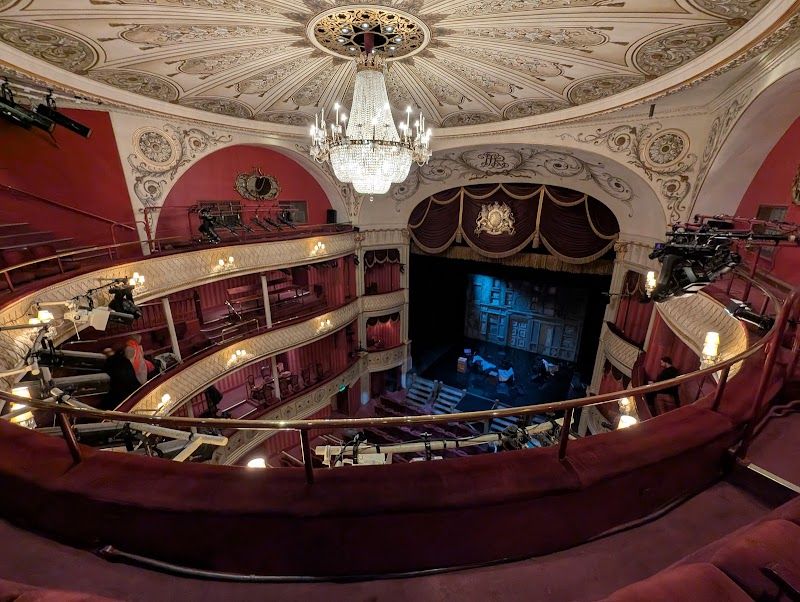
Theatre Royal Bath is Britain's oldest working theatre, a Georgian jewel from 1805 that's hosted everyone from Sarah Siddons to Judi Dench across two centuries. You'll find yourself in an intimate 900-seat auditorium where the closest seat is never more than 65 feet from the stage, creating an intensity that West End mega-theatres can't match. The building itself tells stories: original Georgian plasterwork, hand-painted ceiling roundels, and a working Victorian fly gallery that still hoists scenery by rope and pulley.

Walking into the auditorium feels like stepping into Jane Austen's world. The horseshoe-shaped interior wraps around you in cream and gold, with three tiers of seats creating perfect sightlines from almost everywhere. Pre-show, the Georgian bar buzzes with Bath's theatre crowd nursing gin and tonics under crystal chandeliers. During performances, you'll hear every whispered line and catch every facial expression, the kind of theatrical intimacy that makes you feel part of the action rather than just watching it.

Ticket prices range from £15 for upper circle seats to £45 for premium stalls, though many productions offer £10 student rush tickets two hours before curtain. Skip the ground floor restaurant, it's overpriced pub food, but do explore the costume and set workshops during their occasional behind-the-scenes tours. Most visitors book whatever's available, but seasoned theatre-goers know that Dress Circle front row beats expensive stalls seats every time for both comfort and views.

Check Availabilityvia GetYourGuide · prices may vary
Book ahead

Book Tickets

Live availability and skip-the-line options from our booking partners.

Search on Viator →Search on GetYourGuide →

Booking powered by our partners. DAIZ may earn a commission.
The place

Getting there

Address
Saw Cl, Bath BA1 1ET, UK
Neighborhood
City Centre & Roman Baths
View on Google Maps →
Good to know

Tips, answered

Enter through the main Beauford Square entrance 30 minutes early to explore the upstairs Georgian bar, which most people rush past on their way to seats

The Box Office often releases returned tickets at 6pm on performance days, sometimes including the best seats that were held for VIPs who didn't show

Sit in Dress Circle Row A or B rather than expensive Stalls seats, you'll be closer to eye level with the stage and avoid necks craning up at tall actors

Plan for about 2h 30m. Morning visits are typically less crowded.

Theatre Royal Bath is in the City Centre & Roman Baths neighborhood of Bath. The address is Saw Cl, Bath BA1 1ET, UK. The area is well-served by metro.

Morning visits, especially early, mean fewer crowds and better light for photos. Weekdays are significantly quieter than weekends.

Comfortable shoes are recommended. Parts are outdoors, so bring a light layer.

Around the corner

Nearby in City Centre & Roman Baths

Explore all →
Roman Baths
Museum

Roman Baths

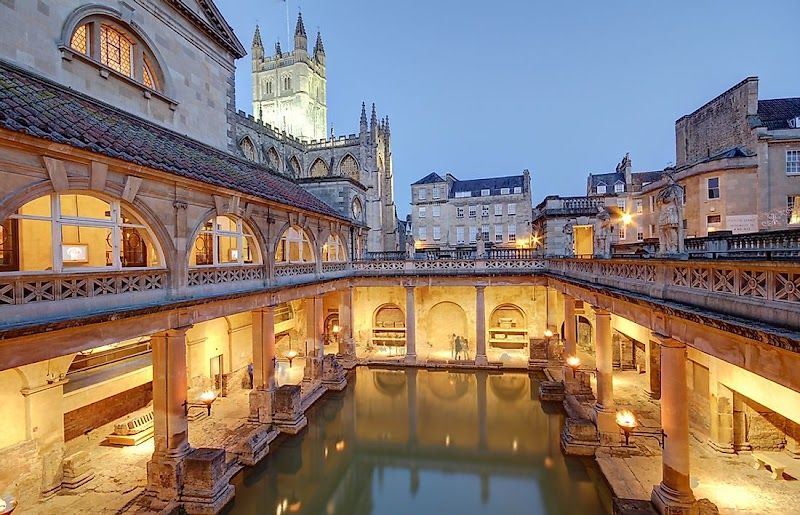
The Roman Baths are the best-preserved Roman bathing complex in northern Europe. The Romans built their first structure here around 70 AD after discovering the hot spring (the only naturally occurring hot spring in Britain, releasing 1.17 million litres of water per day at 46 degrees Celsius). The complex expanded over three centuries into a full thermae: a sacred spring, a bathing hall, and a series of rooms ranging from hot to cold. The green water in the Great Bath is fed by the same spring today, and the steam rising from the surface is the detail that photographs cannot fully prepare you for. The museum around the complex is one of the best Roman collections in Britain: the gilded bronze head of Minerva, the carved stone altar pediment, the curse tablets thrown into the spring by supplicants (a form of petition to the goddess Sulis Minerva that produced extraordinarily personal inscriptions, including requests for the goddess to punish specific people who had stolen specific items). Entry is GBP 26 for adults. The site is busy year-round and extremely busy in summer: book skip-the-line tickets in advance. The evening tours (running in high season from 7 PM, when the site is lit by torchlight) are significantly less crowded than daytime and worth the effort of planning around.

1.5-2 hoursExplore
Thermae Bath Spa
Experience

Thermae Bath Spa

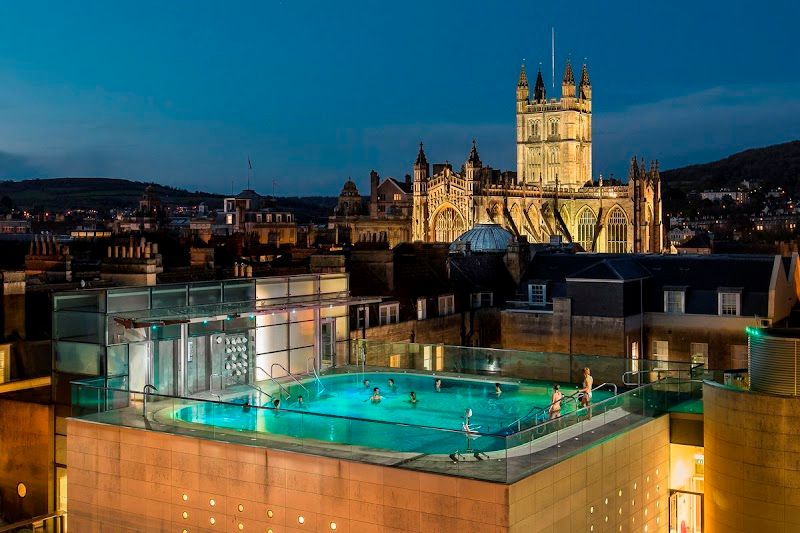
Thermae Bath Spa gives you the only chance in Britain to bathe in natural hot springs open to the public, using the same geothermal waters that attracted the Romans 2,000 years ago. The rooftop pool is what you're really here for: floating in 35-degree mineral water while looking directly at Bath Abbey's towers and the Georgian crescents rolling across the hills. You'll also get the indoor Minerva Bath, multiple steam rooms with different aromatherapy treatments, and a dramatic waterfall shower that feels like standing under Niagara. The experience flows from changing rooms through various pools and steam chambers, but everyone gravitates to that rooftop terrace. The water temperature stays perfect year round, so you can comfortably float even when it's snowing outside. The building itself is surprisingly elegant glass and Bath stone that somehow doesn't clash with the 18th-century streets around it. At sunset, when the Abbey lights come on and steam rises from the water, you'll understand why people have been coming here for millennia. At £42 for two hours, it's expensive but worth it for the uniqueness factor alone. Most people waste time in the steam rooms when they should maximize rooftop pool time, especially at dusk. The spa caps numbers and sells out regularly, so book at least a week ahead in summer. Skip the overpriced cafe and eat elsewhere, but don't rush the experience itself.

2-4 hoursExplore
Pulteney Bridge
Landmark

Pulteney Bridge

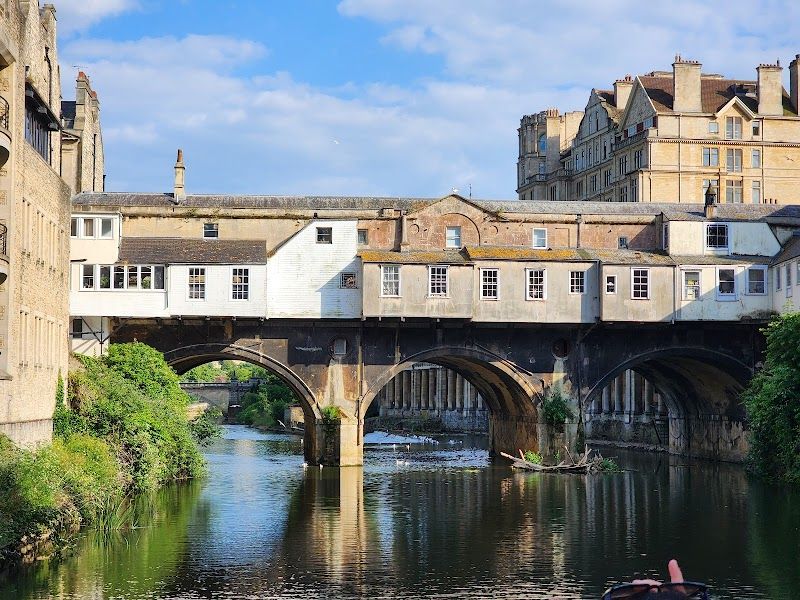
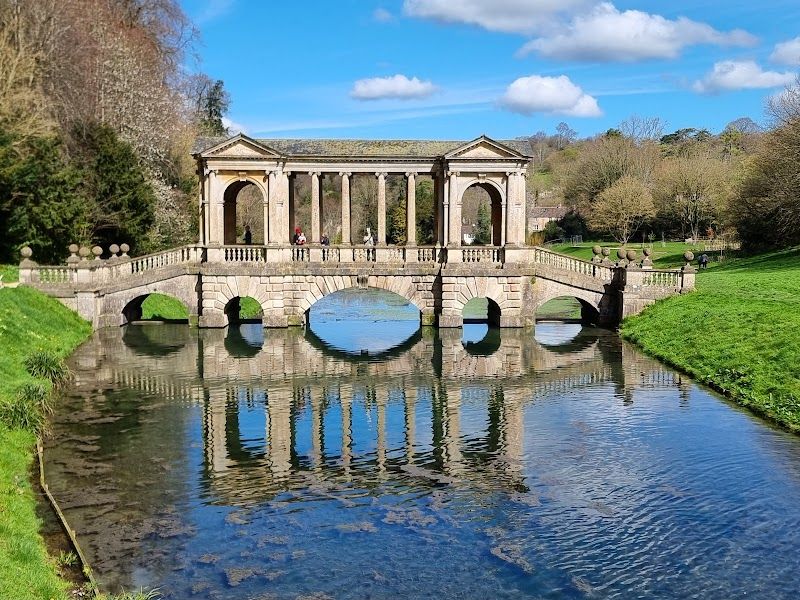
Pulteney Bridge spans the River Avon with shops built directly into its Georgian arches, making it one of only four such bridges worldwide. Designed by Robert Adam in 1774, it connects the city center to Bathwick across three elegant stone arches. You'll find small independent shops selling everything from vintage prints to handmade jewelry tucked inside the bridge structure itself. The real draw is the view downstream: the horseshoe weir creates Bath's most photographed scene, especially when water levels are high. Walking across feels more like strolling down a narrow shopping street than crossing a bridge. The shops are genuinely small, some barely wider than a corridor, and you might not even realize you're above water until you peek through the gaps. The bridge gets busy during peak hours, but the flow keeps moving. From the bridge itself, you can't see the famous weir view that everyone photographs, so you'll need to walk down to river level afterward. Most guides oversell the shopping experience. The shops are charming but limited, and prices reflect the tourist location. The real value is the 10 minutes you'll spend down at Parade Gardens photographing the bridge and weir together. Skip the bridge shops if you're pressed for time, but don't miss the view from below. Early morning gives you the best light and fewer crowds blocking your shots.

15-20 minutesExplore
Bath Abbey Tower Tour
Tour

Bath Abbey Tower Tour

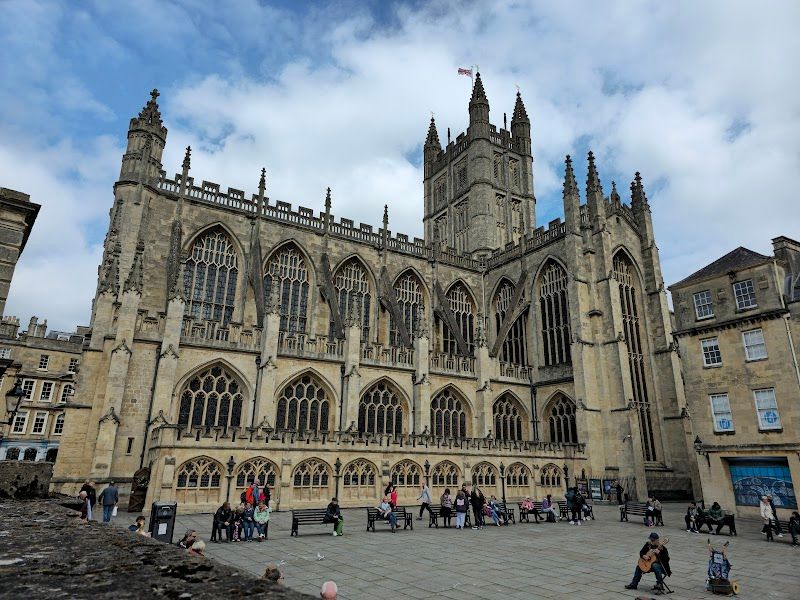
The Bath Abbey Tower Tour takes you up 212 steps through the actual working parts of this 500-year-old church, including the bell chamber where eight bells still ring for services. You'll climb narrow stone spiral staircases, duck through medieval doorways, and emerge onto the tower platform 162 feet above Bath's streets. The panoramic views stretch across the Georgian crescents, the River Avon, and the surrounding Somerset hills. Your guide explains how the fan vaulting was constructed and points out architectural details you'd never notice from ground level. The climb feels like exploring a vertical maze of ancient stone passages and chambers. You'll hear the clock mechanism ticking as you pass through, see massive wooden bell frames up close, and catch glimpses of the nave far below through interior windows. The final push to the rooftop platform is steep, but the 360-degree views make it worthwhile. The space at the top is small, so groups naturally spread around the perimeter to take photos without crowding. Most tower tours in Britain feel touristy and rushed, but this one maintains an authentic working church atmosphere. The £8 adult ticket is reasonable compared to similar climbs in other cities. Skip this if you're claustrophobic or have mobility issues, the medieval staircases are genuinely tight and uneven. The morning tours offer the best light for photography and smaller crowds.

50 minutesExplore
Sally Lunn's Historic Eating House & Museum
Museum

Sally Lunn's Historic Eating House & Museum

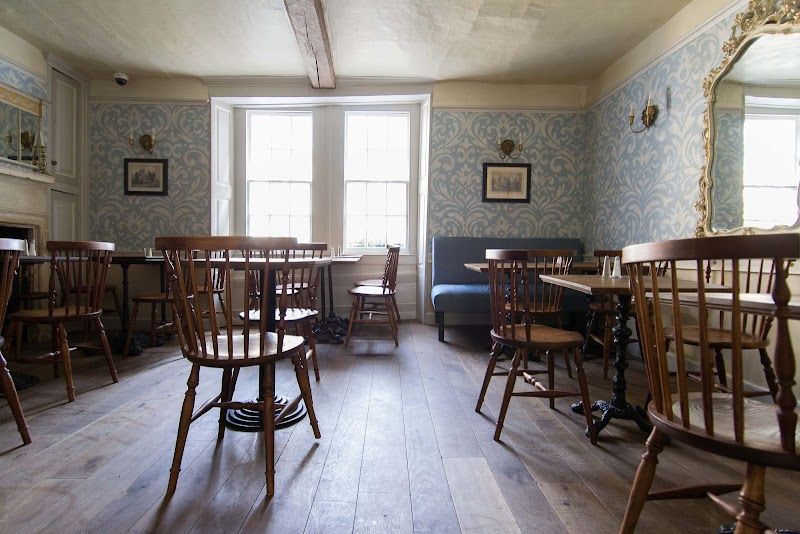
Sally Lunn's operates from Bath's oldest house, dating to 1482, where you'll find both a working tearoom upstairs and a small museum in the basement. The famous Sally Lunn bun is essentially a large, enriched bread roll that's bigger than your fist, served warm with sweet or savoury toppings like cheese, salmon, or jam. The basement museum reveals Roman foundations, medieval ovens, and the original Georgian kitchen range where these buns were first baked in the 1680s. The experience feels like eating in someone's centuries-old home because that's exactly what you're doing. Upstairs, the tearoom spreads across low-ceilinged rooms with uneven floors and tiny windows. Downstairs, the museum part takes about 15 minutes to explore: you'll peer at excavated Roman stones, see the massive bread ovens built into medieval walls, and read about Sally Lunn herself (though historians debate whether she actually existed). Honestly, it's touristy but genuinely atmospheric. The buns cost around £8-12 depending on toppings and they're filling enough to share, though most people don't realize this and order one each. The museum entry is free with any food purchase, otherwise it's £3. Skip the full afternoon tea (overpriced at £25) and just get a bun with butter or cheese. The queue moves faster than it looks because turnover is quick.

1 hourExplore
Parade Gardens
Park & Garden

Parade Gardens

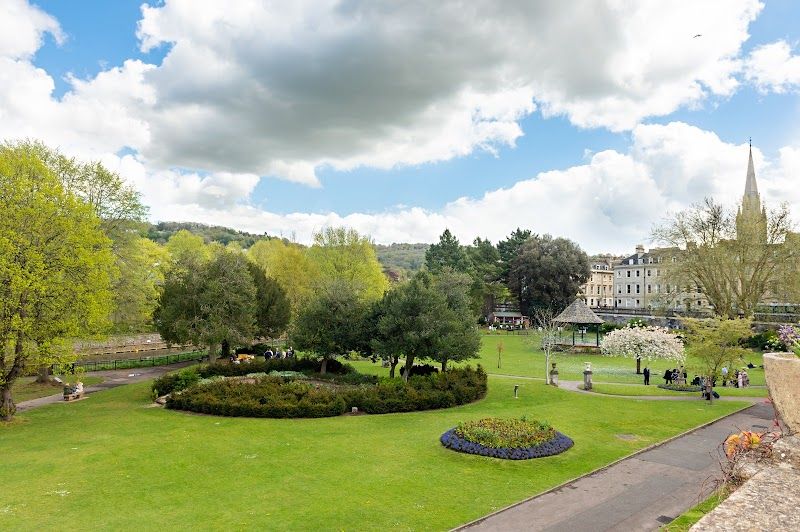
Parade Gardens delivers Bath's postcard shot: Pulteney Bridge framed by riverside lawns and seasonal flower beds. You're paying £1.50 in summer (free October to March) for manicured gardens that sit directly below the famous bridge, with the River Avon flowing past weeping willows and well-maintained borders. The terraced layout gives you multiple angles of the bridge, plus decent spots to sit and watch river traffic. The gardens feel pleasantly compact rather than grand. You'll find yourself on gravel paths winding between rose beds and herbaceous borders, with plenty of benches facing the water. In summer, hired deckchairs (£3 for two hours) dot the main lawn area. The atmosphere stays relaxed even when busy: families picnic, couples pose for photos, and regulars read newspapers by the riverside. The sound of the weir creates constant background noise. Most guides oversell this as essential Bath viewing, but it's really about that one bridge perspective. The gardens themselves are pleasant but unremarkable: standard municipal planting that looks best May through September. Winter visits make more sense financially (free entry, same views), though you'll miss the flower displays. Skip the expensive deckchairs unless you're planning to stay over an hour.

30-60 minutesExplore
More on Bath

From the blog

View all →
Ready for Bath?

Let DAIZ plan your Bath days

Tell us how long you've got and what you're into. We'll build a day-by-day plan, with the bookable bits ready to lock in.

Plan my Bath tripFree · no signup to start
Plan your Bath trip