Barcelona · Montjuic

Fundació Joan Miró

This purpose-built museum houses the world's largest collection of Joan Miró's work, from his 1940s Constellations series to massive late tapestries that fill entire walls.
Fundació Joan Miró, Barcelona · Montjuic
Category
Museum
Duration
2h 30m
Best Time
Any time
Entry
€€€
Rating
4.5 (14,302)
The place

About Fundació Joan Miró

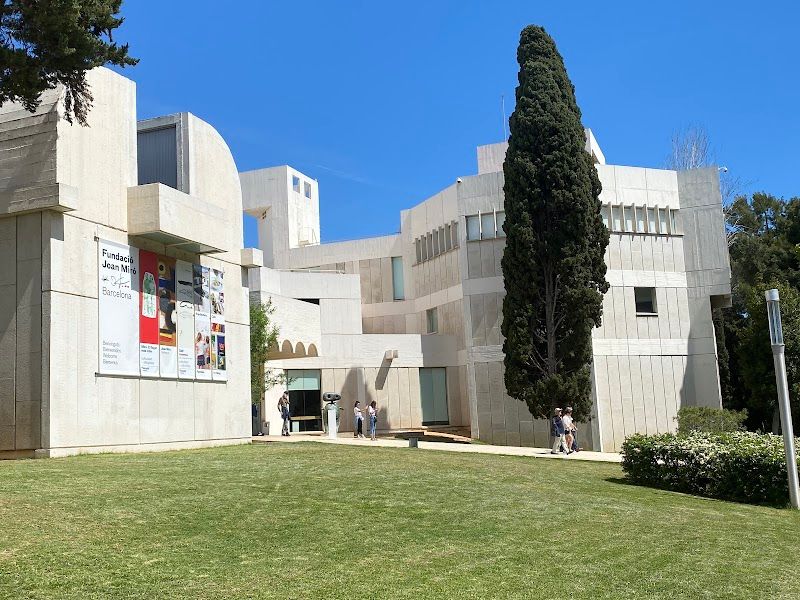
This purpose-built museum houses the world's largest collection of Joan Miró's work, from his 1940s Constellations series to massive late tapestries that fill entire walls. You'll see over 200 paintings, 150 sculptures, and thousands of drawings that trace his evolution from realistic portraits to the playful, childlike style he's famous for. The building itself, designed by his friend Josep Lluís Sert, feels like a bright Mediterranean villa with white walls and floor-to-ceiling windows that flood the galleries with natural light.

The visit flows chronologically through airy, connected rooms where Miró's primary colors pop against stark white walls. The outdoor sculpture terraces are the real highlight - bronze figures and abstract forms set against panoramic views of Barcelona's skyline. Inside, you'll find yourself lingering over his experimental periods, especially the dark, tortured works from the Spanish Civil War that contrast sharply with his later whimsical pieces.

Most guides oversell this as essential Barcelona viewing, but honestly, you need to genuinely like Miró's style to enjoy spending €12 here. The permanent collection rotates, so signature pieces aren't always on display. Skip the temporary exhibitions unless they're specifically about Miró - they're often weak and feel like filler.

Get Ticketsvia GetYourGuide · prices may vary
Book ahead

Skip the Queue

Live availability and skip-the-line options from our booking partners.

Search on Viator →Search on GetYourGuide →

Booking powered by our partners. DAIZ may earn a commission.
The details

Practical bits

WalkingMinimal walking
The place

Getting there

Address
Parc de Montjuïc, s/n, Sants-Montjuïc, 08038 Barcelona, Spain
Neighborhood
Montjuic
Nearest Metro
Espanya (L1/L3)Paral-lel (L2/L3) + funicular
View on Google Maps →
Good to know

Tips, answered

Start with the outdoor terraces first thing in the morning when the light is best for photos and the sculptures cast dramatic shadows - most visitors save them for last when it's crowded

The museum shop sells original Miró lithographs starting around €200, but most visitors don't realize these are authentic limited editions, not just expensive prints

Take the escalators up from Paral·lel metro instead of the bus - you'll arrive at the perfect level and avoid the uphill walk that leaves most visitors tired before they even enter

Plan for about 2h 30m.

Fundació Joan Miró is in the Montjuic neighborhood of Barcelona. The address is Parc de Montjuïc, s/n, Sants-Montjuïc, 08038 Barcelona, Spain. The area is well-served by metro.

This works well at any time of day, though mornings tend to be quieter. Weekdays are less crowded than weekends.

Closed on Monday. Check the official website for holiday closures and special hours.

Around the corner

Nearby in Montjuic

Explore all →
Museu Nacional d'Art de Catalunya
Museum

Museu Nacional d'Art de Catalunya

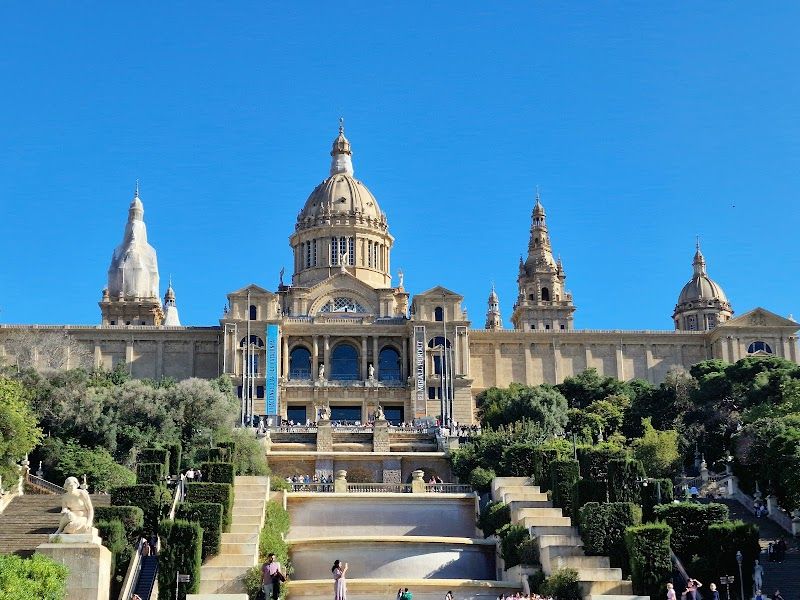
MNAC houses Europe's most comprehensive collection of Romanesque frescoes, dramatically displayed in recreated church apses that make you feel like you're standing in medieval Catalonia. The Gothic collection includes stunning altarpieces, while the modern art section covers Catalan masters like Gaudí sketches and early Picasso works. The building itself - the grand Palau Nacional built for the 1929 World's Fair - rivals any museum in Europe with its soaring domes and marble halls. You'll start in the basement with the Romanesque frescoes arranged in dimly lit galleries that recreate the original church settings where these 11th-century masterpieces once lived. The flow takes you chronologically upward through Gothic halls filled with golden altarpieces, then Renaissance works, before ending with 19th and 20th-century Catalan art. The rooftop terrace breaks up the visit perfectly - most people stumble upon it accidentally and end up spending 20 minutes just staring at the view. Most guides oversell the entire collection - focus on the Romanesque frescoes (genuinely world-class) and skip the coin collection entirely. Entry costs €12, but Saturday afternoons after 3pm are free, making it ridiculously crowded then. The modern art section disappoints compared to Barcelona's other offerings, but the building's architecture makes even mediocre galleries worth walking through.

2-3 hoursExplore
Teatre Lliure
Cultural Site

Teatre Lliure

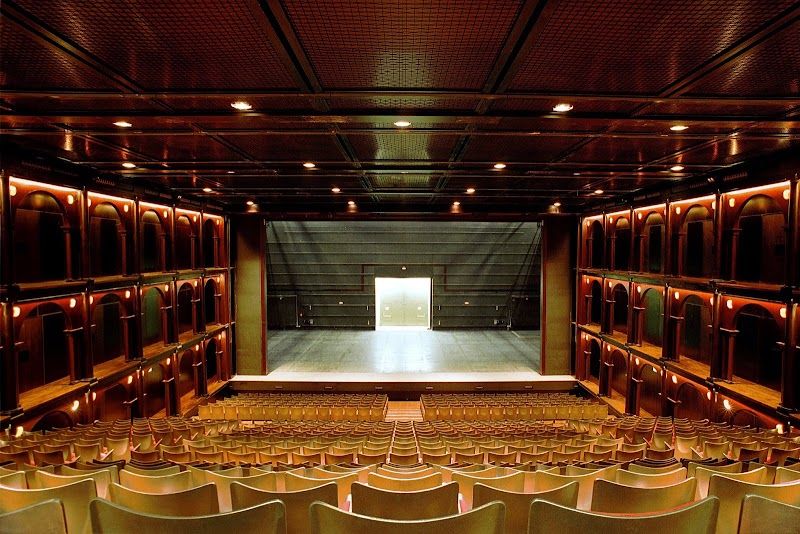
Teatre Lliure occupies a stunning 1929 agricultural cooperative building that's been transformed into Barcelona's most respected independent theater. You'll experience cutting-edge Catalan productions alongside international works in two intimate spaces - the larger Fabià Puigserver hall (285 seats) and the smaller Espai Lliure (100 seats). The theater champions contemporary drama, experimental works, and bold reinterpretations of classics, with shows running entirely in Catalan and Spanish. The moment you enter, the preserved industrial architecture strikes you - exposed brick walls, soaring ceilings, and original cooperative details create an atmospheric backdrop. The lobby buzzes with Barcelona's cultural crowd before shows, and the theaters themselves feel refreshingly intimate compared to the city's grander venues. Between acts, you can explore the small exhibitions about the building's agricultural past and the theater's 40-year history. Tickets range from €18-35 depending on the production and seating, which is reasonable for this caliber of theater. Most tourists skip Teatre Lliure entirely since shows aren't in English, but if you speak Spanish or Catalan, it's infinitely more rewarding than the touristy flamenco shows. Book directly through their website rather than third-party sites - they often release last-minute discounted seats two hours before curtain.

2-3 hoursExplore
Montjuïc Sunset & Magic Fountain Night Tour
Tour

Montjuïc Sunset & Magic Fountain Night Tour

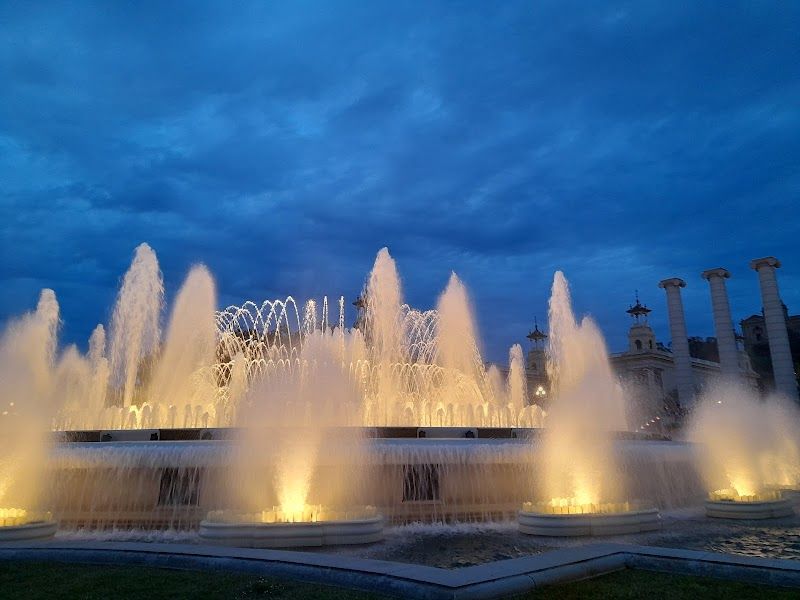
This three-hour evening tour combines Barcelona's best sunset spot with its most spectacular free show. You'll take the cable car up Montjuïc hill to catch golden hour views from the 17th-century castle, then walk through the Olympic Ring where the 1992 Games transformed the city. The finale is the Magic Fountain's 15-minute choreographed display - jets of water dancing to music while colored lights create a proper spectacle that draws crowds every weekend. The cable car ride gives you sweeping views across the port and city as you ascend, and the castle offers genuinely stunning panoramas over Barcelona's grid system and coastline. Walking through the Olympic sites feels like a history lesson - you'll see Palau de la Música Catalana and the athletics stadium while your guide explains how '92 changed everything. The fountain show itself is surprisingly moving, with classical music synchronized to water choreography that reaches 50 meters high. Most tours rush the castle portion, but that's actually the highlight - the fountain show, while impressive, lasts just 15 minutes and you can easily see it on your own for free. The cable car costs €13.20 each way if you go solo, so tours around €45-55 offer decent value if you want the commentary. Skip this entirely from November to February when the fountain's closed - the sunset views are still there, but half the experience disappears.

3 hoursExplore
Poble Espanyol
Family

Poble Espanyol

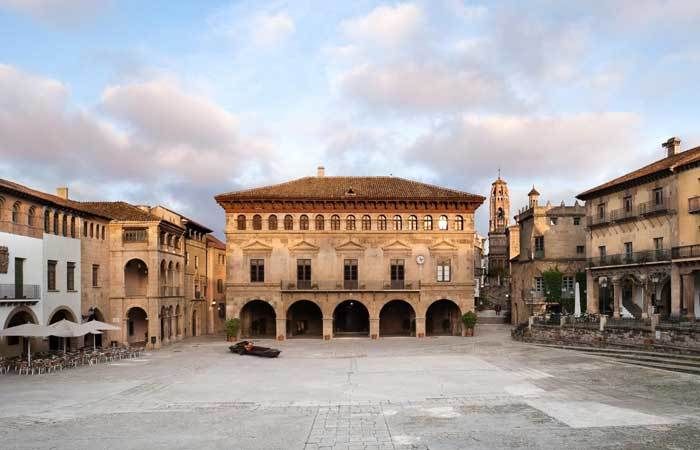
Poble Espanyol is Spain in miniature, cramming 117 authentic buildings from across the country into one walkable village on Montjuïc hill. You'll stroll from Andalusian white-washed courtyards to Basque stone houses to Galician granite structures, all full-scale reproductions built for Barcelona's 1929 World's Fair. Live artisans work in glass-blowing studios, pottery workshops, and leather shops - you can watch them craft pieces and buy directly from the makers. The village flows like a real Spanish town, with narrow medieval streets opening onto sun-drenched plazas where kids run around fountains. The architecture genuinely transports you - one minute you're in a Castilian castle courtyard, the next in a Catalan farmhouse patio. Street musicians often play in the squares, and the mix of families, tourists, and working craftspeople gives it an authentic community feel rather than a sterile museum atmosphere. Most guides oversell this as essential Barcelona, but it's actually perfect for families with kids who need space to roam and adults interested in Spanish regional architecture. Skip the overpriced restaurants inside - the food's mediocre tourist fare. The evening ticket after 8pm costs just €7.20 (versus €14.40 during the day) and the lighting transforms the village into something magical. Prioritize the artisan quarter where the real craftspeople work.

2.5 hoursExplore
CaixaForum Barcelona
Museum

CaixaForum Barcelona

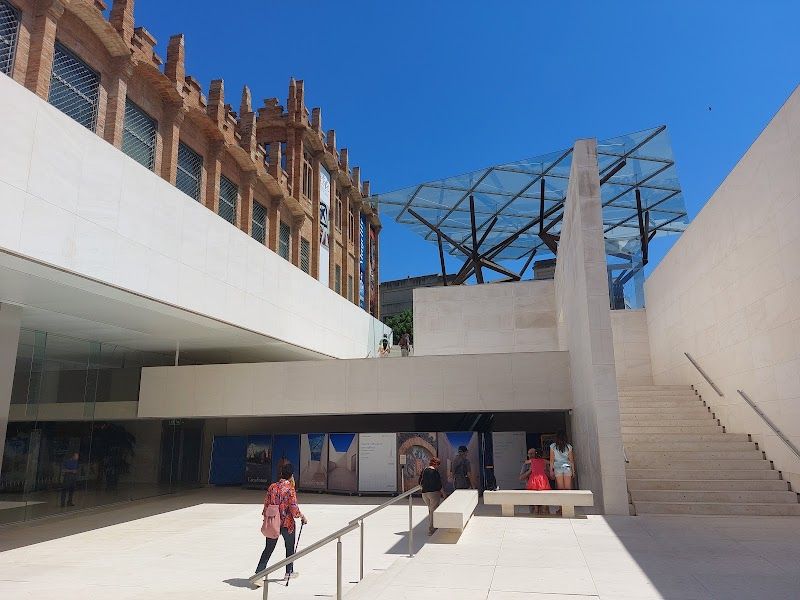
CaixaForum Barcelona transforms a century-old Puig i Cadafalch textile factory into one of Europe's most architecturally striking galleries. Japanese architects Arata Isozaki and Aiko Miyawaki gutted the original building and lifted it off the ground, creating the illusion it's floating above a glass-walled entrance. You'll find rotating exhibitions from major international museums - recent shows have featured Picasso from MoMA, ancient Egyptian artifacts from the British Museum, and contemporary photography from Centre Pompidou. The entrance through the glass base feels like walking under a suspended brick cathedral. Inside, the preserved industrial bones blend seamlessly with sleek modern galleries across four floors. The rooftop sculpture garden offers sweeping views over Montjuïc while the basement auditorium hosts concerts ranging from chamber music to electronic performances. The original factory's massive windows flood the galleries with natural light, making this one of the most pleasant spaces to view art in Barcelona. Here's what most guides won't tell you: the quality varies dramatically between exhibitions, so check what's on before visiting. The permanent collection is minimal - you're coming for temporary shows. Entry is completely free, making this Barcelona's best art bargain, but the gift shop is overpriced. Skip the basement café and head to the rooftop instead - the views alone justify the visit even if the current exhibition disappoints.

1.5-2 hoursExplore
Botànic
Park & Garden

Botànic

The Jardí Botànic sits on Montjuïc's slopes as Barcelona's modern botanical garden, showcasing Mediterranean plants from five climate zones around the world. You'll walk through carefully designed landscapes representing Australia, California, Chile, South Africa, and the Mediterranean Basin, with over 1,400 species arranged by geography rather than plant families. The terraced design follows the hillside's natural contours, creating microclimates where cork oaks from Catalonia grow near Australian banksias and South African proteas. The visit flows downhill through interconnected terraces, each transition revealing new plant communities and increasingly better views over Barcelona's port and skyline. The pathways are wide and well-maintained, making this more contemplative than physically demanding. Spring brings explosive blooms, while summer showcases drought-adapted plants at their best. The sound of the city fades as you descend, replaced by rustling grasses and the occasional chirping of resident birds. Most botanical gardens feel academic and dry, but this one succeeds because it focuses on landscapes rather than individual specimens. Skip the small café - it's overpriced at €4-6 for basic snacks. The best value is the combined ticket with the adjacent Museum of Natural Sciences (€7 total versus €14 separately), though honestly, the museum disappoints compared to the garden. Come in late afternoon when the light hits the terraces beautifully and you'll have the place mostly to yourself.

1.5-2 hoursExplore
More on Barcelona

From the blog

View all →
Ready for Barcelona?

Let DAIZ plan your Barcelona days

Tell us how long you've got and what you're into. We'll build a day-by-day plan, with the bookable bits ready to lock in.

Plan my Barcelona tripFree · no signup to start
Plan your Barcelona trip