Barcelona · Eixample

Barcelona Bus Turistic

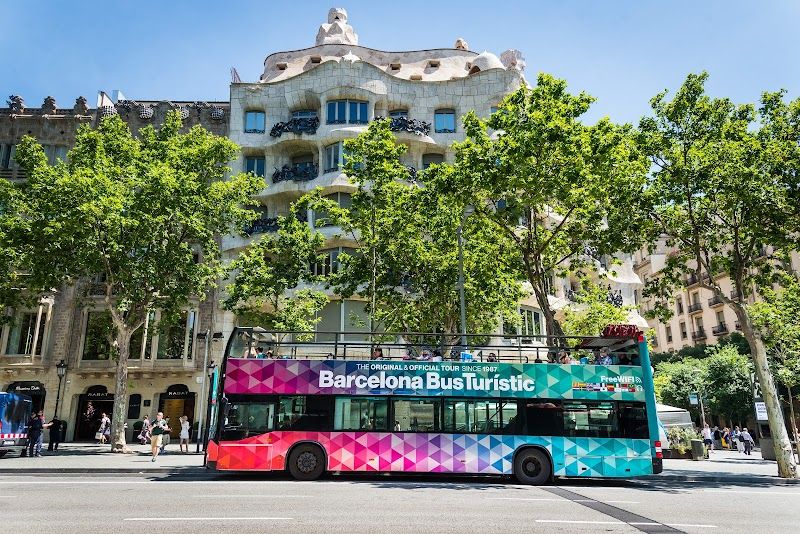
The Barcelona Bus Turistic runs three color-coded routes covering the city's main attractions over 45 stops, letting you hop on and off with a single ticket.
Barcelona Bus Turistic, Barcelona · Eixample
Category
Tour
Duration
2h 30m
Best Time
Any time
Entry
€€
Rating
3.6 (2,034)
The place

About Barcelona Bus Turistic

The Barcelona Bus Turistic runs three color-coded routes covering the city's main attractions over 45 stops, letting you hop on and off with a single ticket. The Red Route hits the classics like Sagrada Familia and Park Güell, the Blue Route climbs to Tibidabo, and the Green Route (East) reaches Poblenou's beaches and the contemporary architecture district. Each double-decker comes with multilingual audio commentary that's actually decent, and the open-top views give you proper perspective on Gaudí's spires and the Mediterranean coastline.

The experience feels touristy because it is, but that's not necessarily bad - you'll cover serious ground without navigating Barcelona's confusing bus system or climbing those brutal hills to Park Güell. The buses run every 10-20 minutes depending on season, and you'll spend most of your time listening to commentary while watching the city unfold below. The top deck gets windy and hot, but the views of the Eixample's geometric blocks and Montjuïc's green slopes are worth it.

Here's what most guides won't tell you: at €30 for one day or €40 for two days, it's expensive for what amounts to a city bus with headphones. Skip it if you're comfortable with public transport - the regular metro and buses cost €2.40 per ride and get you places faster. But if you're short on time, have mobility issues, or traveling with kids who'd struggle with Barcelona's hills, the convenience justifies the cost.

Book This Tourvia Viator · prices may vary
Book ahead

Book This Tour

Live availability and skip-the-line options from our booking partners.

Search on Viator →Search on GetYourGuide →

Booking powered by our partners. DAIZ may earn a commission.
The place

Getting there

Address
Pl. de Catalunya, 2, Eixample, 08002 Barcelona, Spain
Neighborhood
Eixample
Nearest Metro
Passeig de Gracia (L2/L3/L4)Diagonal (L3/L5)Sagrada Familia (L2/L5)
View on Google Maps →
Good to know

Tips, answered

Download the Bus Turistic app before boarding - it shows real-time bus locations so you're not standing at stops wondering if you missed the last one

The Green Route to beaches only runs April through October, and most tourists don't realize the Blue Route requires a separate funicular ticket (€7.70) to actually reach Tibidabo's peak

Get off at the Barrio Gótico stop instead of the crowded Cathedral stop - you're 200 meters away but skip the tour group chaos around the main entrance

Plan for about 2h 30m.

Barcelona Bus Turistic is in the Eixample neighborhood of Barcelona. The address is Pl. de Catalunya, 2, Eixample, 08002 Barcelona, Spain. The area is well-served by metro.

This works well at any time of day, though mornings tend to be quieter. Weekdays are less crowded than weekends.

Comfortable walking shoes are essential — you'll be on your feet for a while. Parts are outdoors, so bring a light layer.

Around the corner

Nearby in Eixample

Explore all →
Sagrada Familia
Landmark

Sagrada Familia

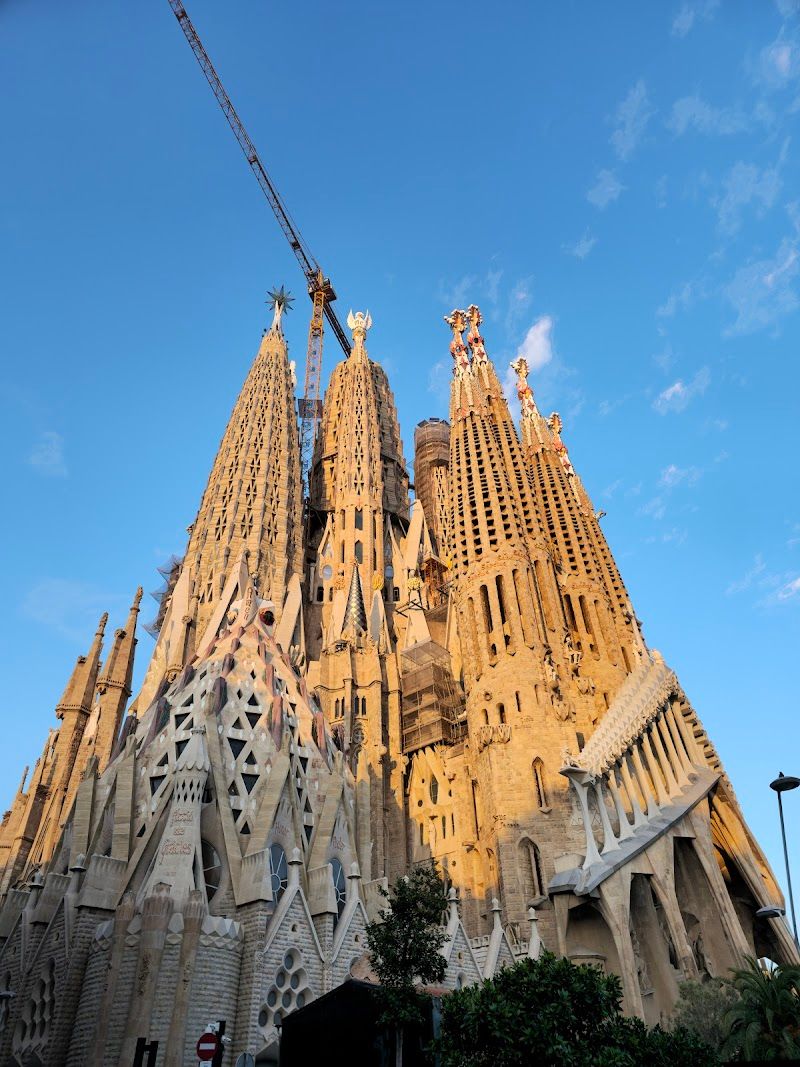
Every photo you've seen of the Sagrada Familia is wrong. Not inaccurate - just incapable of capturing what happens when you walk inside and the morning light hits those columns. Gaudi designed the interior as a forest, and that's not a metaphor: the columns branch like trees, the light filters through stained glass like a canopy, and your neck hurts from looking up within thirty seconds. The exterior gets all the photos but the inside is the actual masterpiece. Book tickets online at least two weeks ahead - they sell out, and the guys outside offering "skip the line" are either scalpers charging triple or scammers selling nothing. The €26 basic entry is worth every cent. The €36 tower ticket adds a lift to either the Nativity or Passion tower - the Nativity tower has better views and more Gaudi detail, but both involve narrow spiral staircases on the way down that aren't great if you're claustrophobic or have bad knees. Timing matters more here than almost anywhere else in Barcelona. The eastern stained glass windows light up between 9-10 AM, turning the entire nave blue and green - it's the single most beautiful moment in the building. By 11 AM the light shifts and the crowds arrive. Late afternoon between 5-6 PM, the western windows go orange and red, which is equally stunning but harder to get tickets for. Midday is the worst time: flat light, maximum crowds, and you'll spend more time dodging selfie sticks than looking up. The construction has been going since 1882 and the completion date keeps slipping - 2026 was the target but don't count on it. The cranes and scaffolding are part of the experience at this point. The Nativity facade facing the park is Gaudi's original work - intricate, organic, covered in stone animals and figures. The Passion facade on the opposite side was finished by sculptor Josep Subirachs in a completely different angular style, and locals have been arguing about it since the 1980s. Walk around the full exterior before going in - it's free and takes 15 minutes, and you'll appreciate the inside more knowing what holds it all together.

1.5-2 hoursExplore
Casa Batllo
Landmark

Casa Batllo

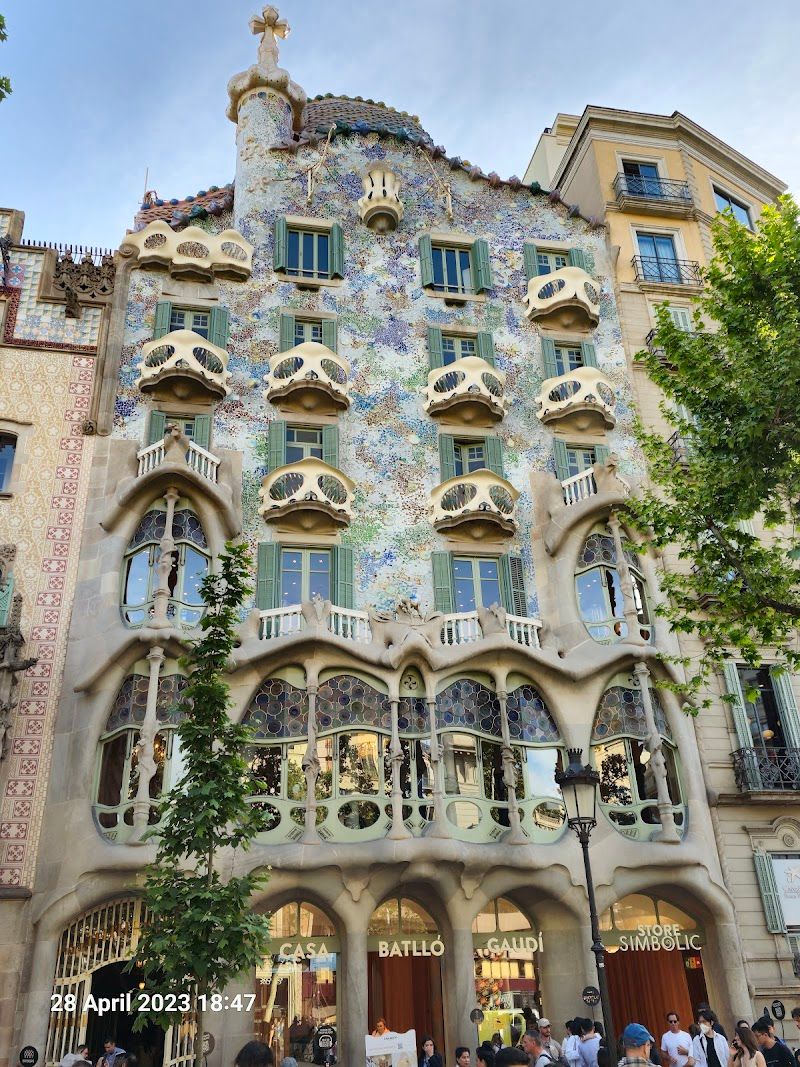
Casa Batlló is Gaudí's most fantastical residential redesign, where he transformed a conventional 1877 townhouse into something that looks alive. The facade ripples with bone-like balconies and scales that shift color in the light, while inside, every surface flows like water - doorways melt into walls, and staircases curve without a single straight edge. The blue-tiled light well creates an underwater atmosphere that changes as you climb from dark ocean depths to bright surface levels. Your visit flows upward through increasingly dramatic spaces. The main floor's undulating salon feels like being inside a sea cave, with skylights that cast dancing reflections. The attic's catenary arches create a ribcage effect that's genuinely striking, while the rooftop delivers Barcelona's most theatrical chimney pots - twisted, colorful sculptures that look like a dragon's spine. The audio guide's augmented reality features actually enhance rather than distract from the architecture. At €35 for adults, it's expensive but justified once you experience how completely Gaudí reimagined domestic space. Most visitors rush through to reach the famous rooftop, but the light well's color gradation is equally impressive and often overlooked. Book online to avoid queues - walk-up tickets cost the same but you'll waste time waiting. The gift shop is overpriced even by Barcelona standards.

1-1.5 hoursExplore
La Pedrera (Casa Mila)
Landmark

La Pedrera (Casa Mila)

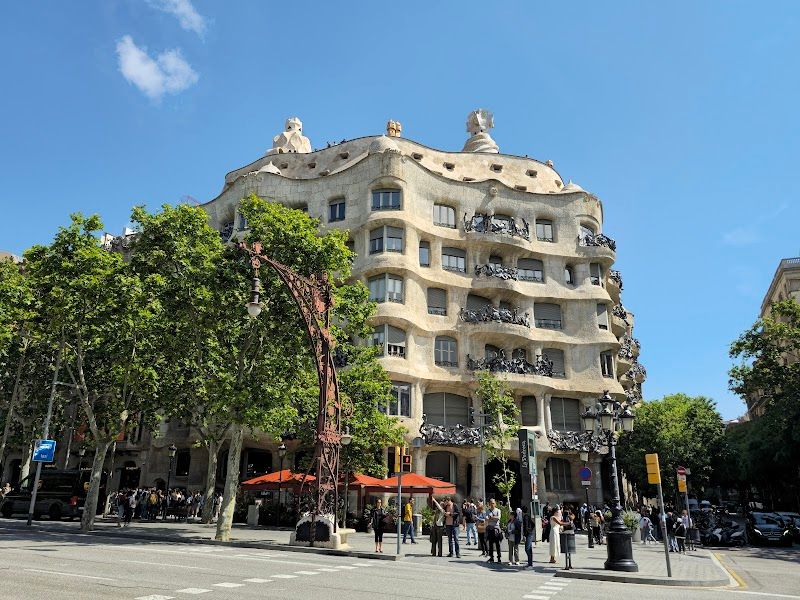
Casa Milà is Gaudí's final apartment building and his most radical departure from straight lines - the entire facade ripples like water, with wrought-iron balconies that look like tangled seaweed. You'll explore a recreated 1910 bourgeois apartment (complete with period furniture and servant quarters), the undulating attic with its cathedral-like arches, and the rooftop where 30 sculptural chimneys rise like armored sentinels. The audio guide explains Gaudí's engineering genius, from the innovative ventilation system to the load-bearing walls that eliminated the need for interior supports. The visit flows upward through increasingly surreal spaces. The apartment feels lived-in rather than museum-sterile, with Art Nouveau details in every door handle and light fixture. The attic's white parabolic arches create an almost spiritual atmosphere - this is where Gaudí's structural innovations become pure art. The rooftop finale delivers Barcelona's best 360-degree views, framed by those otherworldly chimneys that change personality depending on the light. At €25 for adults, it's expensive but less crowded than Casa Batlló and more architecturally significant. Skip the €7 audio guide upgrade - the free version covers everything important. The gift shop is overpriced tourist trap, but the rooftop cafe serves decent coffee with unbeatable views. Summer evening visits (€34) include cava and projection mapping on the chimneys - genuinely magical if you don't mind the premium.

1-1.5 hoursExplore
Palau de la Música Catalana
Landmark

Palau de la Música Catalana

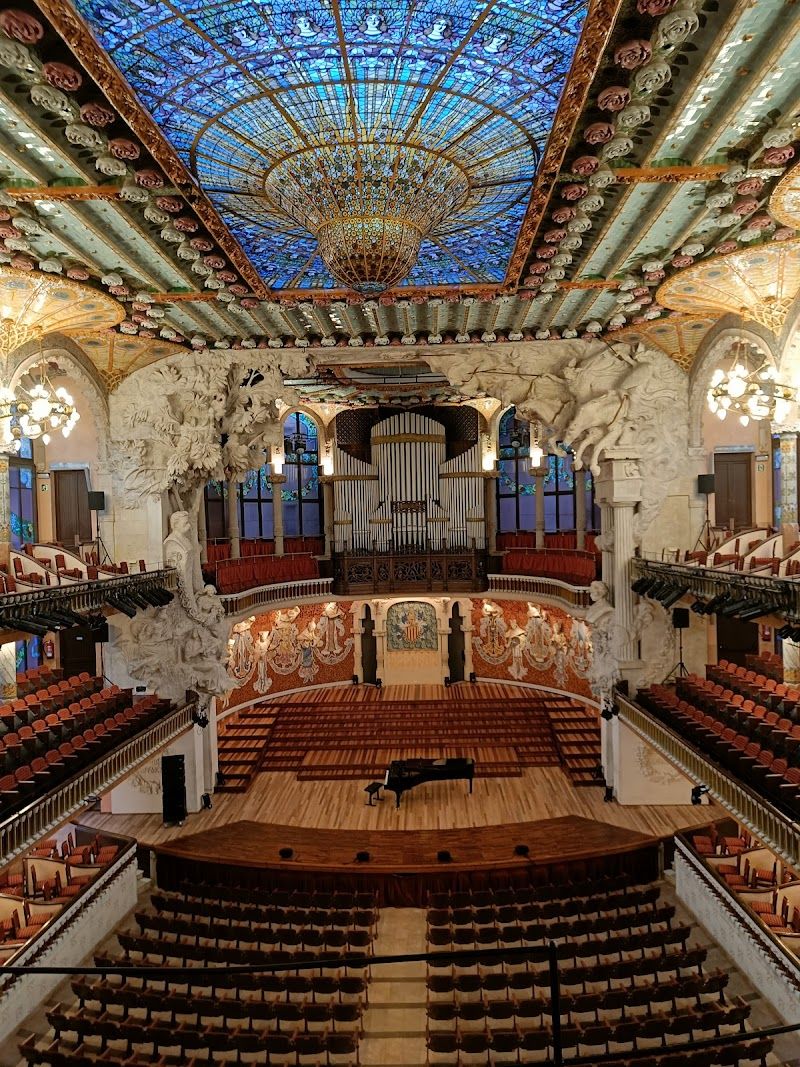
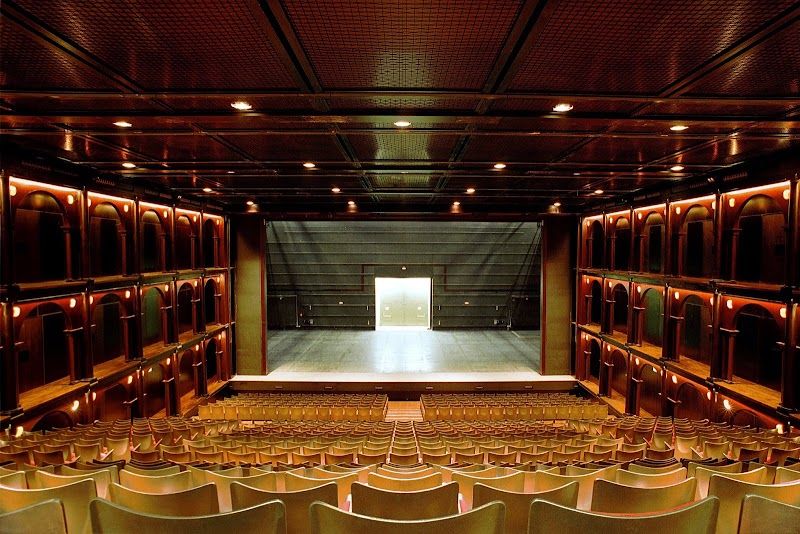
This 1908 modernista masterpiece by Lluís Domènech i Montaner remains the world's only concert hall lit entirely by natural light. The main auditorium explodes with color - an inverted stained glass dome crowns the space while mosaic columns spiral up like palm trees. Sculptural muses seem to burst from the stage backdrop, and every surface displays intricate tilework and carved stone. You'll tour backstage areas, the stunning rehearsal hall, and learn why UNESCO calls this architectural jewelry box irreplaceable. The 50-minute guided tours move through intimate spaces where you can actually touch the tilework and examine the craftsmanship up close. The revelation comes when you enter the main hall - most visitors gasp audibly as that incredible skylight comes into view. The acoustics are perfect even when empty, and guides often demonstrate by singing a few notes. Natural light filters through stained glass creating an almost ethereal atmosphere that changes throughout the day. Guided tours cost €20 and run every 30 minutes, but they're often rushed and crowded. The self-guided audio option (€15) lets you linger in the main hall as long as you want, which is crucial for photography. Skip the expensive concert tickets unless you're genuinely interested in the music - you'll see everything spectacular on the tour. Book morning slots when the light is best and crowds are thinner.

1 hourExplore
Mercat de Santa Caterina
Market

Mercat de Santa Caterina

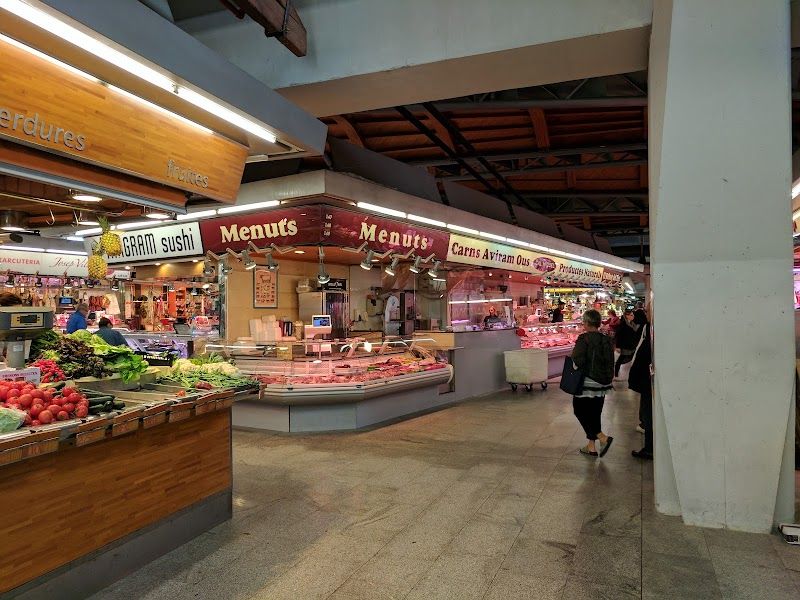
Mercat de Santa Caterina is Barcelona's most architecturally stunning market, topped by Enric Miralles' undulating ceramic mosaic roof that ripples like colorful waves above the Gothic Quarter. Built on a 15th-century convent site, you can peer through glass floor panels at medieval stone foundations while vendors sell pristine seafood, mountain cheeses, and seasonal produce around you. The market combines serious food shopping with excellent tapas bars where locals grab quick lunches. The experience flows naturally from browsing stalls packed with jamón ibérico, fresh anchovies, and pyramids of tomatoes to claiming a spot at one of several bar counters. The curved roof creates an almost cathedral-like atmosphere, filtering Mediterranean light through its ceramic tiles. You'll hear vendors calling out prices in Catalan, smell grilled seafood from the bars, and watch Barcelona residents doing their daily shopping with canvas bags and wheeled carts. Most tourists snap photos of the roof and leave, missing the point entirely. The real draw is joining locals for a proper market meal - Bar Joan's calamari sandwich costs €8 and beats any restaurant version, while Cal Pep next door does excellent grilled prawns for €12-15. Skip the overpriced tourist stalls near the entrance and head straight to the back where prices drop and quality improves.

1-1.5 hoursExplore
More on Barcelona

From the blog

View all →
Ready for Barcelona?

Let DAIZ plan your Barcelona days

Tell us how long you've got and what you're into. We'll build a day-by-day plan, with the bookable bits ready to lock in.

Plan my Barcelona tripFree · no signup to start
Plan your Barcelona trip