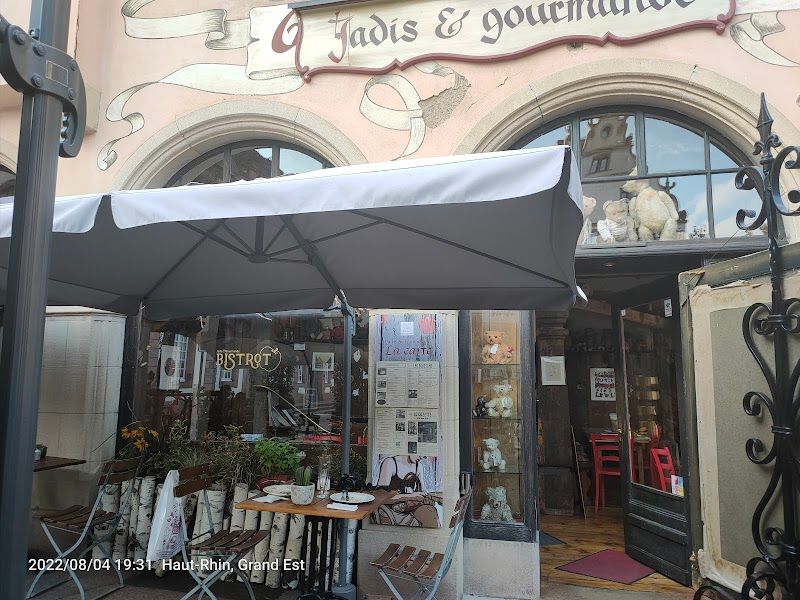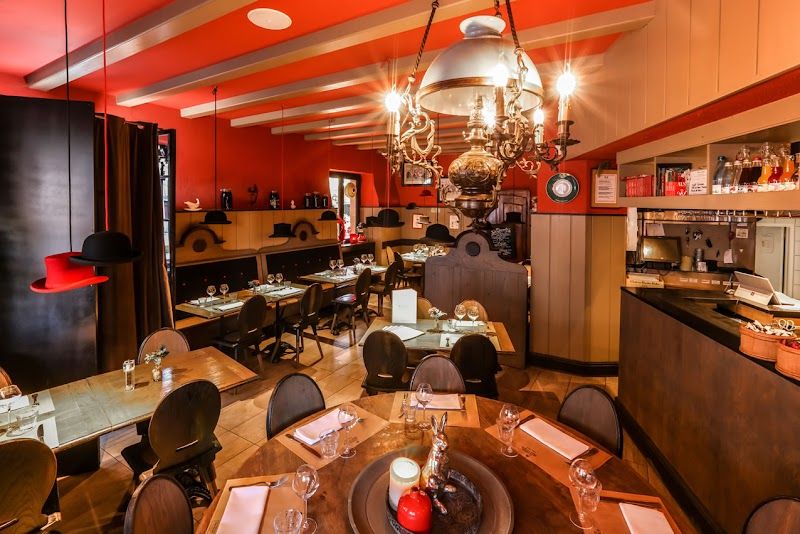
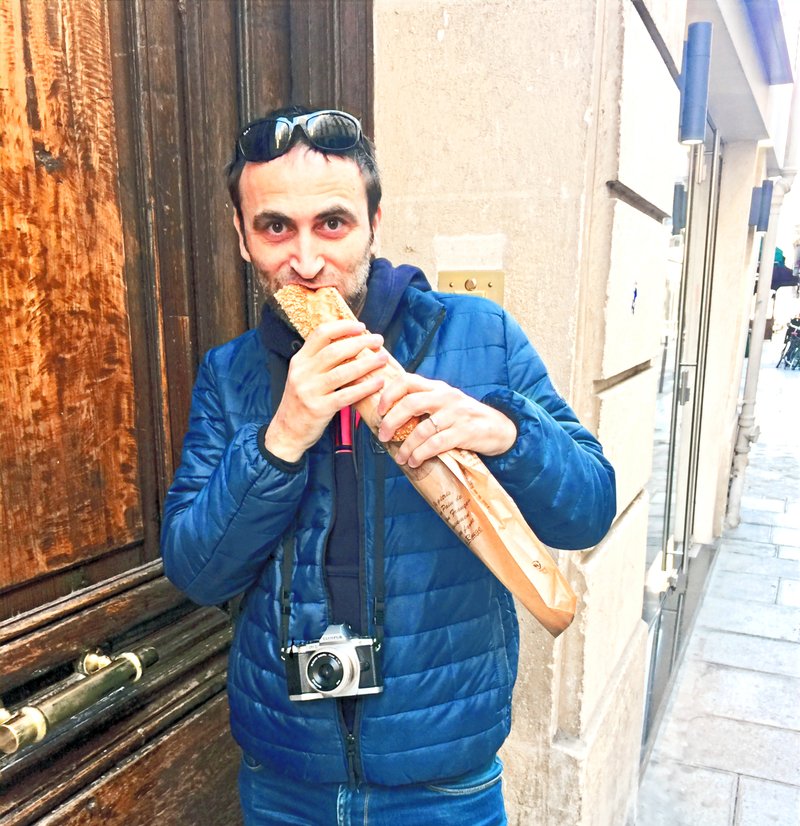
Colmar's dining scene reflects the town's position at the crossroads of French and German culture, where traditional Alsatian winstubs serve choucroute alongside contemporary bistros offering refined takes on regional classics. The challenge isn't finding good food - it's navigating the tourist traps that cluster around Petite Venise and identifying the spots where locals actually eat.
The most rewarding meals happen in the authentic winstubs, Alsatian taverns where you'll share communal tables and order from handwritten menus. These establishments serve hearty portions at reasonable prices, typically EUR 14-22 for a complete meal. However, location matters significantly - the same dish costs EUR 8 more in tourist-heavy areas compared to neighborhood spots three blocks away.
Traditional Winstubs: Where Authenticity Lives
Authentic winstubs remain the backbone of where to eat in Colmar, serving Alsatian classics in wood-paneled rooms that have fed locals for generations. The key indicators of quality include handwritten menus in Alsatian dialect, communal tables, and locals speaking German at neighboring tables.
Winstub Brenner stands as the gold standard for traditional Alsatian dining. Located at 1 Rue de Turenne, this establishment occupies a 16th-century building where the wood-paneled walls display decades of wine bottles and the menu changes based on seasonal availability. Their choucroute garnie (EUR 18) arrives as a mountain of sauerkraut topped with three types of sausage and pork belly, while the coq au Riesling (EUR 22) showcases how local wine transforms simple ingredients. Reservations are essential, particularly for dinner service.
The Quartier des Tanneurs neighborhood houses several excellent winstubs away from the tourist crowds. Winstub La Krutenau at 4 Rue de la Krutenau serves traditional fare at prices that reflect its local clientele rather than tourist expectations. Their tarte flambée costs EUR 8 compared to EUR 12-14 in Petite Venise, and the portions are generous enough for sharing.
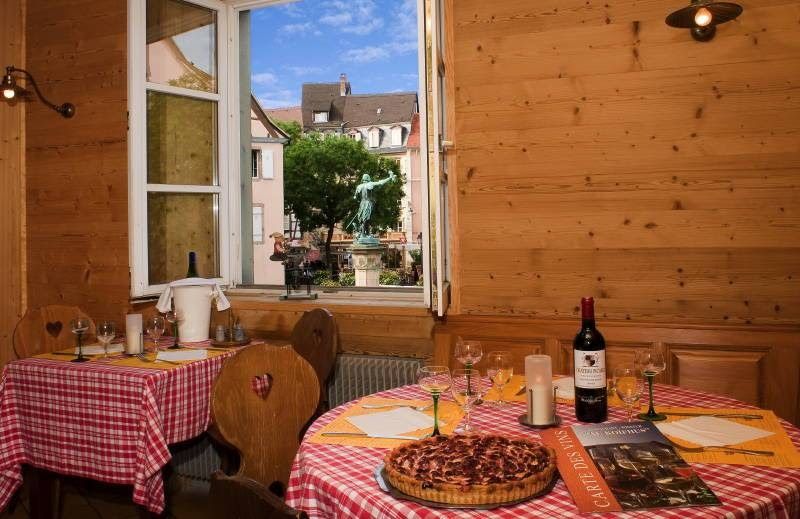
Au Koifhus occupies a prime location on Place de l'Ancienne Douane but maintains authentic standards despite the tourist foot traffic. The restaurant's strength lies in its wine selection - over 200 Alsatian bottles with knowledgeable staff who pair dishes appropriately. Their baeckeoffe (EUR 19) requires 24-hour advance ordering but represents the pinnacle of Alsatian comfort food.
Winstub Dining Etiquette and Expectations
Winstub culture includes specific customs that enhance the experience. Communal seating is standard practice - expect to share tables with other diners and engage in conversation. The pace is deliberately slow, with meals extending over two hours as courses arrive when ready rather than on schedule.
Most winstubs accept reservations only for dinner service, operating on a first-come basis for lunch. Arriving before 12:30 PM ensures seating without waiting, while dinner reservations should be made 2-3 days in advance during peak season. Cash payment remains preferred at many establishments, though major credit cards are increasingly accepted.
Modern Bistros: Contemporary Takes on Regional Cuisine
Colmar's contemporary dining scene combines French culinary techniques with Alsatian ingredients, creating sophisticated meals that honor tradition while embracing innovation. These establishments occupy the middle ground between casual winstubs and formal fine dining.
Le Fer Rouge exemplifies this modern approach, transforming classical Alsatian dishes through contemporary presentation and technique. Located at 52 Grand Rue, the restaurant's tasting menu (EUR 45) includes reimagined versions of regional specialties alongside seasonal ingredients sourced from local producers. Their foie gras preparation incorporates traditional Gewürztraminer wine in an updated format that respects the original while appealing to contemporary palates.
The restaurant's wine program deserves particular attention, featuring over 150 Alsatian selections with detailed tasting notes and food pairing recommendations. The sommelier's knowledge extends beyond local bottles to include selections from throughout France, creating opportunities for comparison and education.
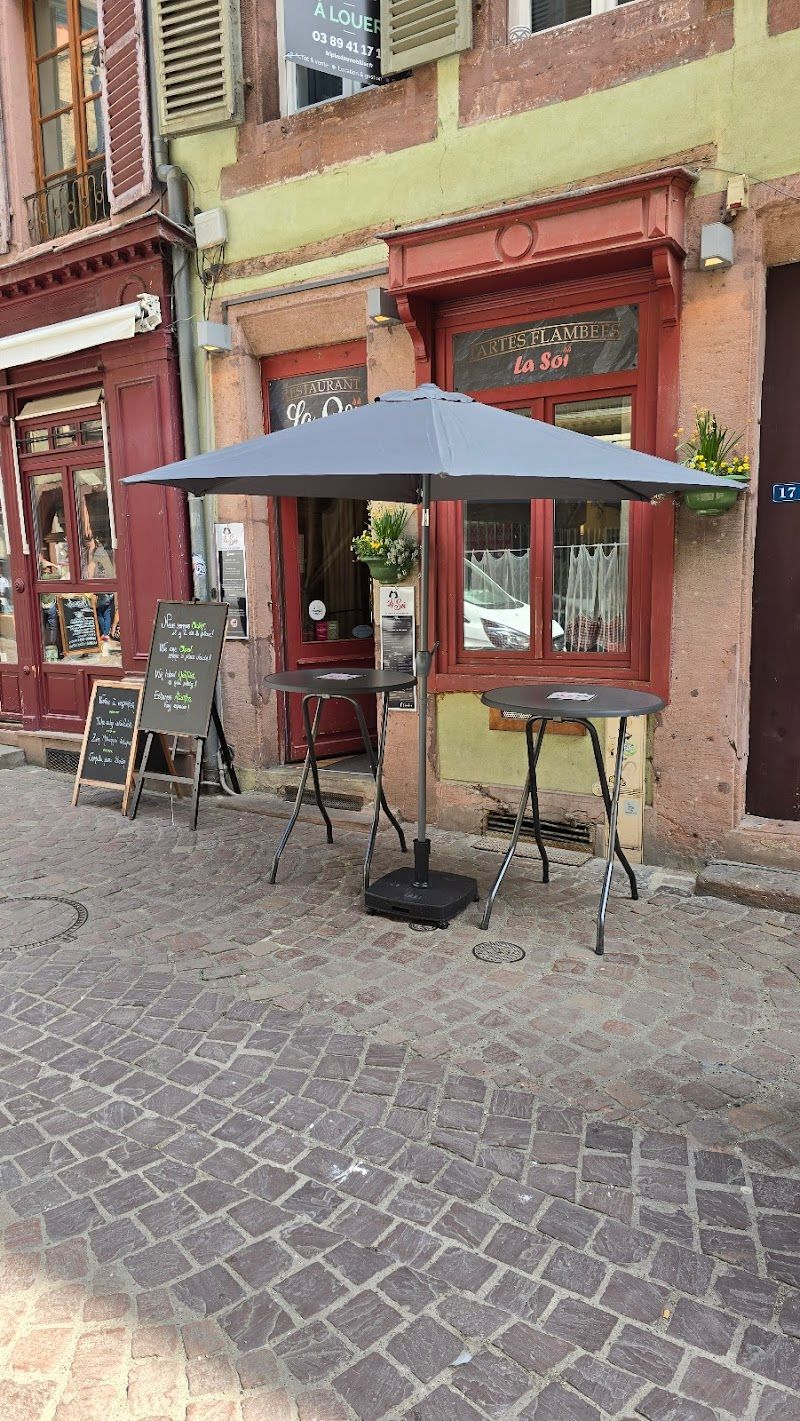
La Soi brings Asian influences to Alsatian ingredients, creating fusion dishes that work surprisingly well. Their miso-glazed pork belly with sauerkraut (EUR 24) shouldn't succeed but creates harmony between disparate culinary traditions. The restaurant's location at 12 Rue des Augustins places it within walking distance of major attractions while maintaining a neighborhood feel.
Setting Realistic Expectations for Modern Dining
Contemporary restaurants in Colmar operate at a higher price point than traditional establishments, with main courses ranging from EUR 18-28 and complete meals averaging EUR 35-50 per person including wine. Portion sizes are smaller than winstub servings, emphasizing quality over quantity.
Reservations are mandatory for dinner service and recommended for lunch, particularly on weekends. Many establishments offer set menus that provide better value than à la carte ordering, with lunch menus typically priced EUR 22-28 for three courses.
Fine Dining: Colmar's Culinary Pinnacle
Colmar's fine dining establishments compete with restaurants in larger cities, offering sophisticated cuisine that showcases regional ingredients through advanced culinary techniques. These restaurants require advance planning and significant financial commitment but deliver memorable experiences.
Restaurant JY'S has earned recognition as Colmar's premier fine dining destination. Chef Jean-Yves Schillinger creates tasting menus (EUR 85-120) that highlight Alsatian ingredients through modern techniques and artistic presentation. The restaurant's location at 17 Rue de la Poissonnerie occupies a renovated 17th-century building where contemporary design elements complement historical architecture.
The wine pairing option (additional EUR 35) includes selections that extend beyond Alsatian bottles to encompass French and international choices that complement each course. Service operates at formal standards with precise timing and detailed explanations of each dish's preparation and ingredient sourcing.
L'Atelier du Peintre offers a more approachable fine dining experience while maintaining high culinary standards. Their seasonal tasting menu (EUR 65) changes quarterly to reflect ingredient availability, with dishes that balance innovation and tradition. The restaurant's intimate setting accommodates only 30 guests, creating a personal atmosphere that larger establishments cannot match.
Neighborhood-Specific Dining Recommendations
Each of Colmar's districts offers distinct dining characteristics that influence both price and atmosphere. Understanding these differences helps identify the most suitable restaurants for specific occasions and budgets.
Petite Venise Dining Scene
The Petite Venise district concentrates the highest number of restaurants within Colmar's smallest area, creating intense competition alongside significant tourist pressure. Prices typically run 20-30% higher than comparable establishments in other neighborhoods, but the atmospheric setting justifies the premium for many visitors.
Wistub de la Petite Venise manages to maintain authenticity despite its prime canal-side location. The restaurant's terrace offers views of the Lauch River while serving traditional dishes at prices only slightly elevated above neighborhood standards. Their flammekueche (EUR 12) costs EUR 2-3 more than versions served away from the canals but includes the ambiance that defines Colmar's appeal.
Restaurants along Rue de la Poissonnerie and Quai de la Poissonnerie offer the most picturesque settings but require careful selection to avoid tourist-focused establishments with mediocre food at inflated prices. Look for handwritten menus in French and German, local license plates in nearby parking areas, and servers who can discuss wine selections in detail.
Quartier des Tanneurs: Local Favorite Territory
The Quartier des Tanneurs neighborhood provides excellent value and authentic atmosphere with fewer tourists than central areas. Restaurants here serve locals as their primary clientele, resulting in fair pricing and consistent quality.
Brasserie des Tanneurs at 2 Rue des Tanneurs exemplifies neighborhood dining at its best. The establishment serves traditional Alsatian dishes alongside French classics, with main courses ranging EUR 15-20 and generous portions that satisfy hearty appetites. Their pot-au-feu (EUR 16) arrives as a substantial bowl of vegetables and meat that provides comfort on cold days.
Lunch service in this neighborhood operates efficiently for business diners, with most restaurants offering complete meals within 45 minutes. Evening service adopts a more leisurely pace, encouraging extended conversations over wine and multiple courses.
Unterlinden Area: Museum District Dining
The Unterlinden neighborhood's proximity to major museums creates demand for quick lunch options alongside sophisticated dinner venues. Restaurants here understand visitors' time constraints while maintaining quality standards.
Café Restaurant Unterlinden provides efficient service for museum visitors without sacrificing culinary standards. Their lunch menu (EUR 16) includes soup, main course, and dessert with service that accommodates tight schedules. The restaurant's location at Place Unterlinden makes it convenient for visitors to the Unterlinden Museum.
Market Dining and Food Shopping
Colmar's covered market provides opportunities for self-catering and discovering regional specialties unavailable in restaurants. The Marché Couvert operates Tuesday, Thursday, and Saturday mornings, offering fresh produce, prepared foods, and local delicacies.
Vendors at the market sell ready-to-eat items including traditional brezel (EUR 1.5), various pâtés and terrines (EUR 3-5 per 100g), and seasonal fruits from Alsatian orchards. The market's prepared food stalls serve hot meals during lunch hours, with prices significantly lower than restaurant equivalents.
Local bakeries throughout Colmar maintain high standards for both sweet and savory offerings. Boulangerie Christian at multiple locations provides excellent croissants (EUR 1.2) and pain au chocolat (EUR 1.4) alongside regional specialties including kougelhopf and munster cheese tart. Their sandwiches (EUR 4.5-6.5) use fresh ingredients and provide substantial portions for budget-conscious travelers.
Wine and Aperitif Culture
Alsatian wines form an integral part of Colmar's dining culture, with local restaurants offering extensive selections from nearby vineyards. Understanding basic wine terminology and pairing principles enhances meal experiences and demonstrates cultural appreciation.
Riesling pairs excellently with seafood and light poultry dishes, while Gewürztraminer complements spicier preparations and strong cheeses. Pinot Noir from Alsace differs significantly from Burgundian expressions, offering lighter body and higher acidity that works well with charcuterie and roasted meats.
Most restaurants offer wines by the glass (EUR 5-9) allowing exploration of different varieties without committing to full bottles. Half-bottles (375ml) provide middle ground options for couples wanting to sample multiple wines during longer meals.
Practical Dining Tips and Etiquette
Restaurant service in Colmar follows French customs with specific expectations for timing and interaction. Lunch service typically operates 12:00 PM to 2:00 PM, while dinner begins at 7:00 PM and continues until 10:00 PM or later. Arriving outside these windows often results in limited menu options or closed kitchens.
Tipping practices follow French standards with service charges included in menu prices. Additional gratuity of 5-10% is appreciated for exceptional service but not mandatory. Cash tips are preferred, left on the table after payment rather than added to credit card transactions.
Many restaurants close on Sundays or Mondays, requiring advance planning for weekend dining. Popular establishments fill quickly during summer months and Christmas market season, making reservations essential rather than optional.
Language considerations favor basic French phrases, though many servers speak adequate English in tourist areas. German is widely understood given Alsace's cultural heritage, and attempting a few words in local dialect often results in warmer service and recommendations for local specialties.
The dining culture emphasizes leisurely meals as social occasions rather than efficient fuel consumption. Plan 90 minutes minimum for dinner service at quality establishments, with fine dining experiences extending 2-3 hours. This pacing allows proper appreciation of food preparation, wine selection, and conversation that defines French dining traditions.
Budget approximately EUR 15-22 for lunch at bistros, EUR 25-35 for casual dinner with wine, and EUR 50-70 for fine dining experiences. These estimates reflect current pricing at quality establishments that serve both locals and discerning visitors rather than tourist-focused venues with inflated prices and mediocre food.