What food is Strasbourg famous for? The answer reveals a cuisine that stopped choosing between French and German influences and became something better than both. Strasbourg's food scene reflects its turbulent history as a city that has changed hands multiple times, creating Alsatian cuisine that borrows the best techniques from both neighbors while maintaining its own distinct identity.
The culinary landscape here centers around hearty, satisfying dishes designed for cold winters and the agricultural bounty of the Rhine valley. Tarte flambée leads the charge as the city's most famous export, but it's just the beginning of a food tradition that values quality ingredients, traditional preparation methods, and the kind of generous portions that reflect Germanic practicality with French finesse.
Tarte Flambée: Strasbourg's Famous Signature Dish
Tarte flambée (or flammekueche in Alsatian dialect) ranks as the dish Strasbourg is famous for, and for good reason. This paper-thin flatbread topped with crème fraîche, caramelized onions, and lardons represents everything great about Alsatian cuisine: simple ingredients elevated by proper technique.
The base distinguishes tarte flambée from pizza. While pizza dough rises with yeast, tarte flambée uses a unleavened dough rolled so thin you can nearly read through it. Traditional bakers fire these in wood-burning ovens at temperatures reaching 500°C, creating a crispy base with slightly charred edges that adds a subtle smoky flavor.
The classic topping combination has remained unchanged for centuries. Crème fraîche provides the creamy base, thinly sliced onions add sweetness when caramelized, and lardons (small bacon pieces) deliver the essential smoky, salty element. Modern variations include mushrooms, cheese, or even sweet versions with apples and cinnamon, but purists stick to the original trinity.
Expect to pay EUR 8-14 for an authentic tarte flambée at traditional winstubs. The portion size typically feeds one person as a main course, though sharing is common when ordering multiple varieties.
Where to find the best versions? Le Tire-Bouchon in Petite France serves exceptional traditional versions in an authentic wood-paneled setting. Chez Yvonne offers slightly more refined presentations while maintaining traditional preparation methods.
Choucroute Garnie: The Alsatian Comfort Food Masterpiece
Choucroute garnie stands as Strasbourg's answer to hearty winter dining, combining sauerkraut with an impressive array of pork products that would make any German butcher proud. This dish represents Alsatian cuisine at its most substantial, designed to fuel hard-working farmers through cold Rhine valley winters.
The foundation starts with properly fermented cabbage, ideally sourced from local producers in the surrounding countryside. Quality choucroute uses white wine instead of water for braising, creating a more complex flavor profile that balances the natural tartness of fermented cabbage. The best versions incorporate Riesling or Pinot Blanc from nearby Alsatian vineyards.
The "garnie" (garnished) aspect refers to the variety of meats traditionally served alongside. A proper choucroute garnie includes at least five different pork preparations: smoked pork shoulder, frankfurter sausages, blood sausage, knackwurst, and often kassler (smoked pork loin). Some versions add duck or goose for additional richness.
Portion sizes reflect Germanic sensibilities - expect a plate that could easily feed two lighter appetites. Prices typically range EUR 16-22 at traditional establishments, making it one of the more substantial investments on most menus but providing excellent value for the quantity served.
The preparation requires patience. Proper choucroute garnie simmers for several hours, allowing the wine to reduce and the various meat flavors to integrate with the cabbage. The result should be tangy but not overwhelmingly sour, with tender cabbage that retains slight texture.
Maison Kammerzell near the cathedral serves an exemplary version in their historic half-timbered building. Their preparation uses seven different pork products and local Riesling for braising.
Baeckeoffe: The Ultimate Alsatian Slow-Cooked Stew
Baeckeoffe deserves recognition as one of Strasbourg's most traditional dishes, though it requires advance planning that makes it less common on tourist menus. This "baker's oven" stew originated as a practical solution for busy wash days when women needed a meal that could cook unattended.
The dish combines three meats (traditionally beef, pork, and lamb), potatoes, and onions layered in a special sealed terracotta pot called a "baeckeoffe." The mixture marinates overnight in Alsatian white wine, typically Riesling, before slow-cooking in sealed pots for three to four hours.
Authentic preparation requires specific equipment and timing that most home cooks can't replicate. The terracotta pot creates a unique steaming environment that keeps the meat incredibly tender while allowing flavors to concentrate. The seal (traditionally made with flour and water paste) prevents moisture loss during the long cooking process.
Prices range approximately EUR 18-24 when available, but many restaurants only serve baeckeoffe on specific days or require advance ordering. The portion size easily satisfies two people, making it excellent value for money.
Alsatian Wines: The Perfect Pairing Partners
Strasbourg's famous dishes pair perfectly with wines produced within 30 minutes of the city center along the Route des Vins d'Alsace. These wines complement the rich, hearty nature of traditional Alsatian cuisine while providing the acidity needed to cut through heavy preparations.
Riesling represents the flagship Alsatian varietal, offering crisp acidity that balances the richness of choucroute garnie or the smoky flavors of tarte flambée. Dry Alsatian Rieslings differ significantly from their German counterparts, typically showing more mineral character and less residual sugar.
Gewürztraminer provides another excellent pairing option, particularly with spicier preparations or cheese-based dishes. This aromatic wine offers enough intensity to stand up to strong flavors while providing complementary floral notes.
Pinot Gris (called Tokay d'Alsace until 2007) delivers more body and richness, making it ideal for meat-heavy dishes like baeckeoffe or game preparations common during winter months.
Local wine bars typically charge EUR 4-8 per glass for quality Alsatian wines, with many offering flight tastings that allow comparison between different producers and vintages.
Traditional Winstubs: Where Strasbourg Cuisine Lives
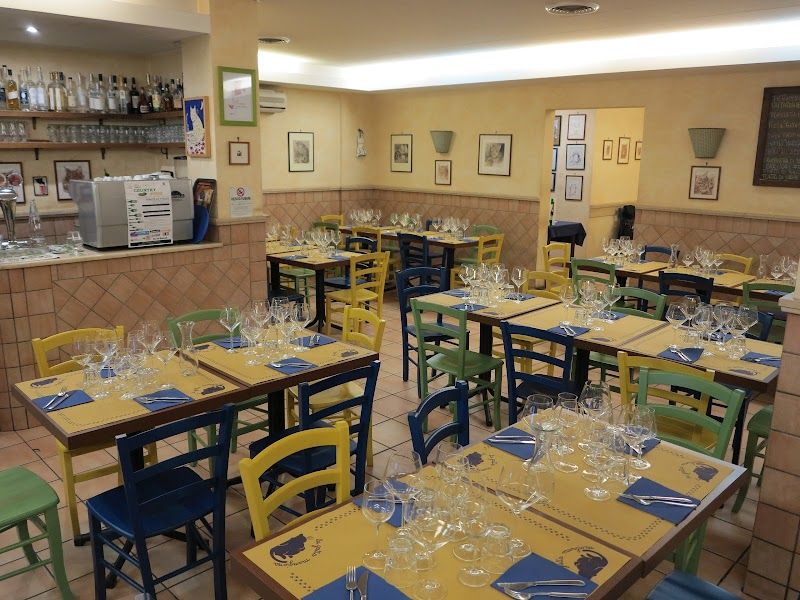
Winstubs (wine pubs) serve as the cultural heart of Strasbourg's food scene, preserving traditional recipes and authentic preparation methods in settings that have remained largely unchanged for centuries. These establishments prioritize substance over style, focusing on generous portions of well-executed classics.
Authentic winstubs share common characteristics: wood-paneled interiors, checkered tablecloths, ceramic jugs for wine service, and handwritten menus that change seasonally. The atmosphere tends toward gemütlich (cozy) rather than refined, encouraging leisurely meals and conversation.
Most winstubs offer lunch formules ranging EUR 12-18 that include a main dish, often with soup or salad. Dinner portions increase substantially, with complete meals typically costing EUR 25-40 including wine.
La Corde à Linge exemplifies the traditional winstub experience with its location in a 16th-century building overlooking the Ill River. Their menu focuses exclusively on Alsatian specialties prepared using traditional methods.
Le Clou offers a more intimate setting while maintaining authentic preparation standards. Their tarte flambée comes from a wood-fired oven, and their choucroute uses locally sourced cabbage and wines.
Alsatian Pastries and Sweet Specialties
Strasbourg's famous dishes extend beyond savory preparations to include distinctive pastries that reflect both French technique and German preferences for substantial sweet treats.
Kougelhopf stands as the most recognizable Alsatian pastry, baked in distinctive fluted ceramic molds that create the characteristic crown shape. This yeasted cake incorporates raisins, almonds, and often kirsch (cherry brandy), creating a texture somewhere between bread and cake. Traditional preparation requires overnight fermentation, developing complex flavors that justify the higher prices (approximately EUR 15-20 for a full-size version).
Stollen appears during Christmas season, representing the German influence on local baking traditions. Strasbourg versions typically include more dried fruit and less marzipan than their Dresden counterparts, adapted to French taste preferences.
Bredele (small Christmas cookies) encompass dozens of traditional shapes and flavors, each family maintaining their own recipes and techniques. These appear in bakery windows throughout December, with traditional shapes including stars, hearts, and pretzels.
Modern Interpretations of Traditional Strasbourg Cuisine
Contemporary Strasbourg chefs increasingly reinterpret traditional dishes while respecting core flavor profiles and preparation principles. This evolution keeps Alsatian cuisine relevant for modern diners while preserving cultural authenticity.
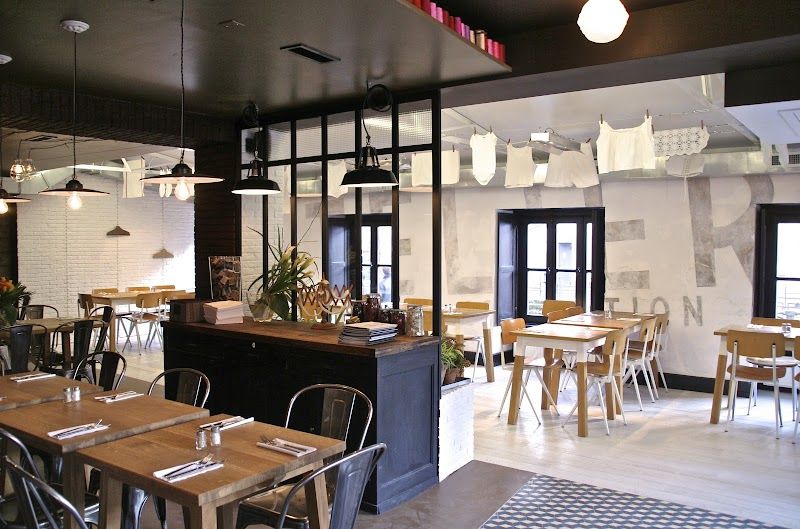
Brasserie Les Haras represents this new approach, serving refined versions of classics in a converted 18th-century stud farm. Their tarte flambée incorporates truffle oil and premium lardons while maintaining traditional preparation methods. Prices reflect the upscale approach, with dinner courses ranging EUR 55-85.
Several restaurants now offer vegetarian interpretations of traditional dishes, adapting to changing dietary preferences. Vegetarian choucroute substitutes smoked tofu and plant-based sausages while maintaining the wine-braised cabbage base that provides the dish's fundamental character.
Seasonal Specialties and Market Culture
Strasbourg's famous dishes change with seasons, reflecting the agricultural calendar of the surrounding Rhine valley. Spring brings asparagus (both white and green varieties), often served with hollandaise sauce and locally cured ham.
Summer markets around Place du Marché aux Cochons de Lait showcase regional produce that influences restaurant menus. Local strawberries, cherries, and early vegetables appear in both traditional preparations and contemporary interpretations.
Autumn introduces game season, with wild boar, venison, and duck appearing on winstub menus. These preparations often incorporate local mushrooms and late-harvest wines, creating rich, complex dishes cooling weather.
Winter menus emphasize preservation techniques developed over centuries of cold weather survival. Smoked meats, fermented vegetables, and hearty stews dominate, supported by the robust red wines from nearby Pinot Noir vineyards.
Price Breakdown: What to Budget for Strasbourg's Famous Foods
| Dish | Price Range (EUR) | Where to Find | Notes |
|---|---|---|---|
| Tarte Flambée | 8-14 | Traditional winstubs | Individual portion |
| Choucroute Garnie | 16-22 | Most Alsatian restaurants | Large portion, easily shared |
| Baeckeoffe | 18-24 | Select winstubs | Often requires advance order |
| Alsatian Wine (glass) | 4-8 | Wine bars, restaurants | Local varieties |
| Kougelhopf | 15-20 | Bakeries | Full-size traditional version |
| Complete Dinner | 25-40 | Traditional winstubs | Including wine |
| Fine Dining Tasting | 55-85 | Upscale restaurants | Modern interpretations |
Getting the Most from Strasbourg's Food Scene
Timing affects both availability and prices for Strasbourg's famous dishes. Lunch formules offer the best value, typically costing EUR 12-18 for complete meals that would cost significantly more during evening service.
Many traditional dishes require advance preparation, making spontaneous dining challenging for specialties like baeckeoffe. Call ahead or ask about daily specials when arriving at winstubs.
Seasonal availability impacts both quality and pricing. Asparagus dishes command premium prices during the short spring season, while game preparations offer better value during autumn months when supply increases.
Market days (Tuesday, Thursday, and Saturday mornings) provide opportunities to source ingredients for self-catering or to understand the seasonal rhythm that drives restaurant menus.
For comprehensive coverage of Strasbourg's dining scene beyond these famous dishes, consult our detailed food and wine guide which covers everything from budget-friendly lunch spots to special occasion restaurants.
The question "what food is Strasbourg famous for" has a clear answer: dishes that reflect the unique cultural position of this border city. Tarte flambée, choucroute garnie, and the other Alsatian specialties represent more than just local cuisine - they embody the practical wisdom of generations who learned to combine the best of French and German traditions into something distinctly their own. Visit Strasbourg prepared to eat well and understand why this cuisine has remained largely unchanged for centuries.