Vienna's culinary calendar is far more interesting than the tourist brochures suggest. While everyone talks about schnitzel and sachertorte, the city's food festival scene reveals a different side of Austrian cuisine - one that embraces international flavors, celebrates local producers, and turns eating into a proper social event.
The vienna food festival landscape here runs deeper than simple street food gatherings. These events reflect Vienna's position as a crossroads of European cuisine, where Hungarian paprika meets Italian pasta and Turkish kebabs share space with traditional Austrian fare. More importantly, they happen at specific times when locals actually participate, not just during tourist season.
Major Vienna Food Festivals Worth Planning Around
Genuss Festival at Stadtpark (May)
The Genuss Festival transforms Stadtpark into Vienna's most comprehensive food celebration every May, typically running for four days from Thursday to Sunday. This is where Vienna's top chefs, wine producers, and artisan food makers converge in one location.
What makes it special: Unlike tourist-focused events, Genuss Festival attracts serious food enthusiasts. You'll find over 150 vendors representing Austria's finest culinary traditions, from Wachau apricot producers to Styrian pumpkin oil makers. The festival runs from 10:00-22:00 daily, with the best selection available Friday and Saturday.
Practical details: Entry costs approximately EUR 12-15, which includes a tasting glass and program guide. The wine tent alone features 200+ Austrian wines, with tastings starting at EUR 3 per sample. Most food portions range EUR 8-15, designed for sharing and sampling rather than full meals.
Pro tip: The festival's cooking demonstrations happen at 11:00, 14:00, and 16:00 daily, featuring chefs from Vienna's Michelin-starred restaurants. These 45-minute sessions include tastings and are included in admission.
Wiener Wiesn Prater (September-October)
Vienna's answer to Oktoberfest runs for three weeks in September and October at the Prater, but the food here deserves attention beyond the obvious beer focus.
The food scene: Seven traditional food tents serve everything from roasted pork knuckle (Schweinhaxe) to Hungarian goulash, with portions sized for sharing. Prices run EUR 12-18 for main dishes, significantly less than Munich's Oktoberfest equivalent.
Local insight: Thursday evenings attract Vienna's office workers for after-work drinks and dinner. Weekend afternoons draw families, making it an excellent time to experience authentic Austrian festival culture without tourist crowds.
What to order: Skip the tourist-focused sausages and try the Tafelspitz with horseradish, a traditional Viennese boiled beef dish that most visitors never encounter. It is one of the Vienna foods worth seeking out whether or not a festival is on. Pair it with Gösser or Ottakringer beer (EUR 4.2-6.5 for 0.5L).
Long Night of Museums Culinary Events (October)
The Lange Nacht der Museen in October isn't typically considered a food event, but several museums host special culinary programming that reveals Vienna's food history better than any dedicated food festival.
Museum highlights for food lovers: The Wien Museum at Karlsplatz hosts wine tastings featuring historic Viennese wine varieties. The Technisches Museum demonstrates traditional Austrian food preservation techniques with tastings.
Timing: First Saturday in October, 18:00-01:00. The EUR 15 museum pass covers all participating venues, making it exceptional value for cultural food experiences.
Seasonal Vienna Food Events Throughout the Year
Spring: Market Season Begins
Naschmarkt Spezialitätentage (March-April)
The Naschmarkt hosts specialty weekends featuring specific cuisines or ingredients. These aren't tourist events - they're when the market's regular vendors showcase seasonal specialties.
March focus: Wild garlic (Bärlauch) season brings special preparations from Austrian vendors. April highlights include white asparagus (Weisser Spargel) preparations, a serious culinary obsession in Austria.
Practical approach: Visit Saturday mornings (8:00-10:00) when locals shop for weekend cooking. Vendors offer free samples of seasonal specialties, and you'll learn more about Austrian ingredients than any food tour provides.
Spittelberg Ostermarkt Food Focus (March-April)
The Easter Market at Spittelberg in the MuseumsQuartier area features artisan food producers alongside traditional crafts.
Food highlights: Local honey producers, traditional bread bakers, and Austrian cheese makers set up stalls. This is where Vienna's food enthusiasts discover small-batch producers before they become mainstream.
Best timing: Weekday afternoons (14:00-17:00) when you can have proper conversations with producers about their methods and ingredients.
Summer: Street Food and International Flavors
Streetfood Market at Karmelitermarkt (June-August)
Every Thursday evening in summer, Karmelitermarkt in Leopoldstadt transforms into Vienna's most authentic street food scene. This weekly event attracts locals, not tourists, creating a genuine neighborhood food experience.
Why it works: The market operates within an existing neighborhood market structure, so vendors include both international street food and traditional Austrian market stalls. Prices remain local-friendly: EUR 6-12 for substantial portions.
Standout vendors: Look for Syrian Gourmet (refugee-run authentic Middle Eastern food), Käsekrainer specialists (Viennese sausages with cheese), and rotating Asian noodle vendors representing Vienna's growing Vietnamese community.
Kulturstrand Summer Food Program
The Danube Canal summer festival includes pop-up food vendors along the waterfront promenade from June through August.
Format: Different food trucks and stands each weekend, focusing on international cuisines that reflect Vienna's multicultural population. Vietnamese pho, Turkish gözleme, and Austrian fusion dishes share space along the canal.
Local approach: This is where Vienna's young professionals gather for after-work drinks and casual dinner. Friday evenings (18:00-21:00) offer the best vendor selection and social atmosphere.
Autumn: Wine Harvest and Traditional Celebrations
Heuriger Season in Grinzing and Döbling (September-November)
While not exactly festivals, the traditional wine taverns (Heurigen) in Döbling and Grinzing celebrate the new wine season with special events and extended food offerings.
How it works: Heurigen serve their own wine with simple, traditional food. During harvest season, they offer Sturm (partially fermented grape juice, mildly alcoholic) and new wine alongside expanded food menus.
Food focus: Cold cuts, local cheeses, traditional spreads, and hearty bread. This isn't gourmet dining - it's Austrian comfort food at its most authentic. Expect to spend EUR 15-25 for wine and substantial food.
Practical timing: Sunday afternoons when Viennese families make weekly pilgrimages to their preferred Heuriger. Take tram 38 to Grinzing and walk between multiple establishments.
Wiener Festwochen Culinary Program (May-June)
Vienna's premier cultural festival includes restaurant partnerships and special culinary events that connect food with the city's arts scene.
Format: Prix fixe menus at participating restaurants inspired by festival productions, pop-up dinners at cultural venues, and artist-chef collaborations that push beyond typical festival food.
Value proposition: Three-course menus start around EUR 35, significantly less than these same restaurants charge during regular service, making it an opportunity to experience Vienna's high-end dining scene affordably.
Winter Food Festivals: Christmas Markets and More
Christmas Market Food Culture (November-December)
Vienna's Christmas markets deserve serious culinary consideration, beyond the obvious Glühwein and roasted almonds. Each market develops distinct food personalities based on location and local clientele.
Schönbrunn Christmas Market Food Focus
The market at Schönbrunn Palace emphasizes traditional Austrian Christmas foods with historical context. Lebkuchen (gingerbread) vendors explain traditional spice combinations, and multiple strudel specialists demonstrate preparation techniques.
Food education approach: Daily cooking demonstrations at 15:00 show traditional Austrian Christmas baking. These 30-minute sessions include tastings and historical explanations, providing cultural context missing from other markets.
Freyung Christmas Market Gourmet Focus
The Freyung market in Innere Stadt attracts Vienna's food enthusiasts with artisan vendors and premium ingredients.
Distinctive offerings: Hand-made chocolates, artisan cheeses, and small-batch Austrian spirits that aren't available elsewhere. Prices reflect the premium quality: EUR 8-15 for specialty food gifts.
Am Hof Christmas Market Traditional Focus
This smaller market emphasizes authentic Austrian Christmas traditions without tourist adaptations.
Food highlights: Traditional Austrian Christmas cookies made by local bakeries, mulled wine recipes from different Austrian regions, and authentic Austrian Christmas specialties like Vanillekipferl and Linzer cookies.
Monthly Vienna Food Events Calendar
Year-Round Weekly Food Markets
Brunnenmarkt Saturday Specials
Every Saturday, Brunnenmarkt in the 16th district hosts ethnic food vendors representing Vienna's immigrant communities. This market operates year-round but intensifies during warmer months.
Cultural significance: Turkish, Balkan, and Asian vendors serve authentic home-country dishes alongside traditional Austrian market fare. Prices remain neighborhood-friendly: EUR 4-8 for substantial portions.
Local context: This is where Vienna's diverse communities shop and eat together, creating an authentic multicultural food experience rarely found in tourist areas.
Regional Austrian Food Showcases
Niederösterreich Showcase Events (Various Times)
Lower Austria, Vienna's surrounding province, hosts rotating food showcases throughout the year at various Vienna locations.
Format: Regional producers present specialties like Wachau apricots, Marchfeld vegetables, and Weinviertel wines. These events happen in different neighborhoods, making them discovery experiences rather than predictable tourist attractions.
Finding events: Check niederösterreich.at for current schedules, as these events move locations and change themes seasonally.
Practical Guide to Vienna Food Festival Navigation
Transportation to Food Events
Public transport reaches all major food festival locations efficiently. Most events are accessible via U-Bahn, tram, or bus with standard Vienna public transport tickets (EUR 2.6 for single journey, EUR 8 for day pass).
Prater events: U-Bahn U1 to Prater Stern or U-Bahn U2 to Praterstern depending on specific location within the park.
City center events: Most food festivals in Innere Stadt are walkable from major hotels or accessible via U-Bahn U1 or U3.
Neighborhood markets: Tram networks efficiently connect to markets like Brunnenmarkt, Naschmarkt, and Karmelitermarkt.
Budget Planning for Vienna Food Events
Entry fees for major festivals range EUR 10-15, often including a souvenir glass or program guide.
Food costs vary significantly by event type:
- Street food festivals: EUR 6-12 per substantial portion
- Wine festivals: EUR 3-6 per tasting, EUR 4.5-8 per glass
- Premium food events: EUR 15-25 for multi-course tastings
- Christmas markets: EUR 4-8 for traditional specialties
Daily budget recommendations:
- Casual food festival experience: EUR 25-35 per person
- Serious food and wine exploration: EUR 50-75 per person
- Premium culinary events: EUR 80-120 per person
Booking and Planning Considerations
Most Vienna food events don't require advance booking, but some premium experiences do.
Advance booking required:
- Wiener Festwochen restaurant partnerships
- Museum culinary events during Long Night of Museums
- Cooking demonstrations at major festivals
Walk-up friendly:
- All street food markets
- Christmas markets
- Heuriger visits
- Neighborhood market events
Weather and Seasonal Timing
Vienna's food festival calendar aligns with seasonal ingredients and weather patterns. Spring and autumn offer the most diverse events, while summer focuses on outdoor street food and winter emphasizes traditional indoor celebrations.
Best weather months for outdoor food events: May, June, September, and October, when temperatures support comfortable outdoor dining and walking between vendors.
Indoor alternatives: Christmas markets operate regardless of weather, and museum food events provide climate-controlled environments during Vienna's cold months.
Connecting Food Festivals with Vienna Sightseeing
Food festivals integrate naturally with Vienna's main attractions. Many events happen near major sights, making it easy to combine culinary experiences with traditional sightseeing.
Strategic combinations:
- Schönbrunn Christmas Market with palace tours
- Spittelberg events with MuseumsQuartier cultural visits
- Prater food festivals with Giant Ferris Wheel rides
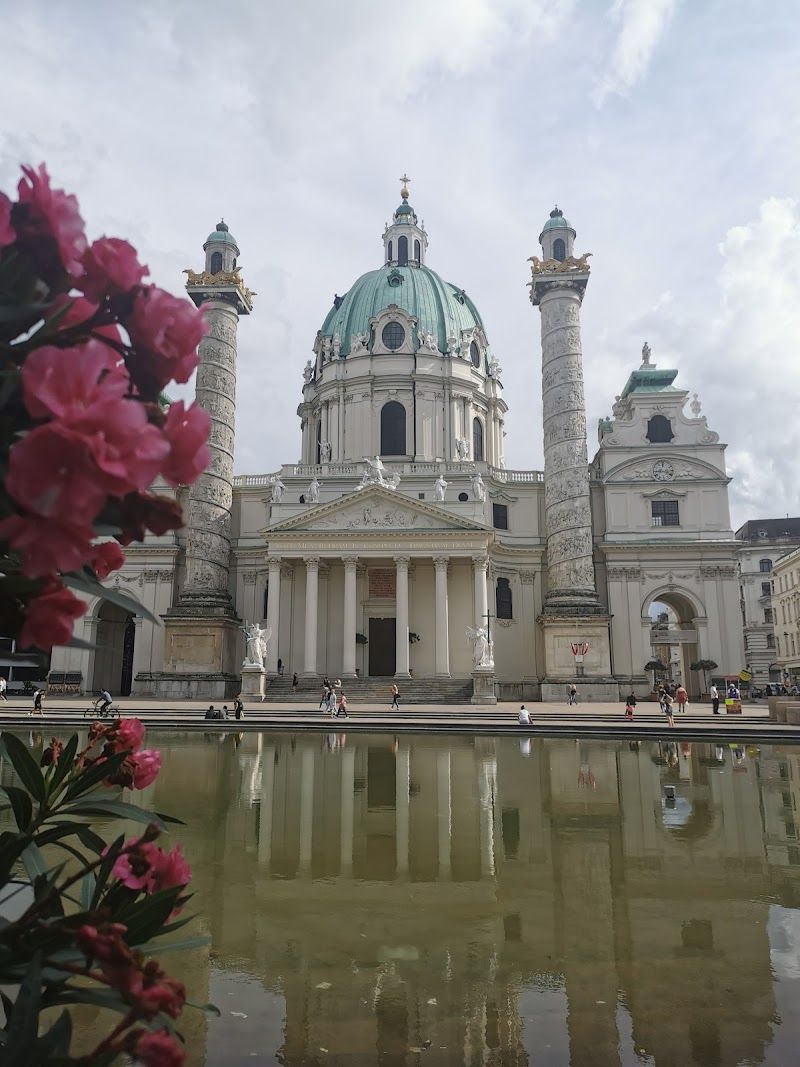
- Naschmarkt specialties with Karlskirche visits in nearby Wieden
Food festival timing can enhance regular Vienna attractions by providing seasonal context and local social experiences that pure sightseeing doesn't offer.
Vienna's food festival scene rewards planning and local knowledge. The best events happen when locals participate, not during peak tourist seasons. Focus on spring and autumn for the most authentic experiences, embrace the neighborhood markets for genuine cultural encounters, and use the city's efficient public transport to explore food events across different districts. The Vienna hub covers the neighborhoods, transport, and attractions if you are planning the rest of the trip around a festival date. The vienna food festival calendar here reflects a city that takes eating seriously as both sustenance and social activity, making these events genuine windows into Viennese life rather than manufactured tourist experiences.