Vienna
Imperial palaces, the world's best coffee house culture, and a schnitzel that hangs off the plate
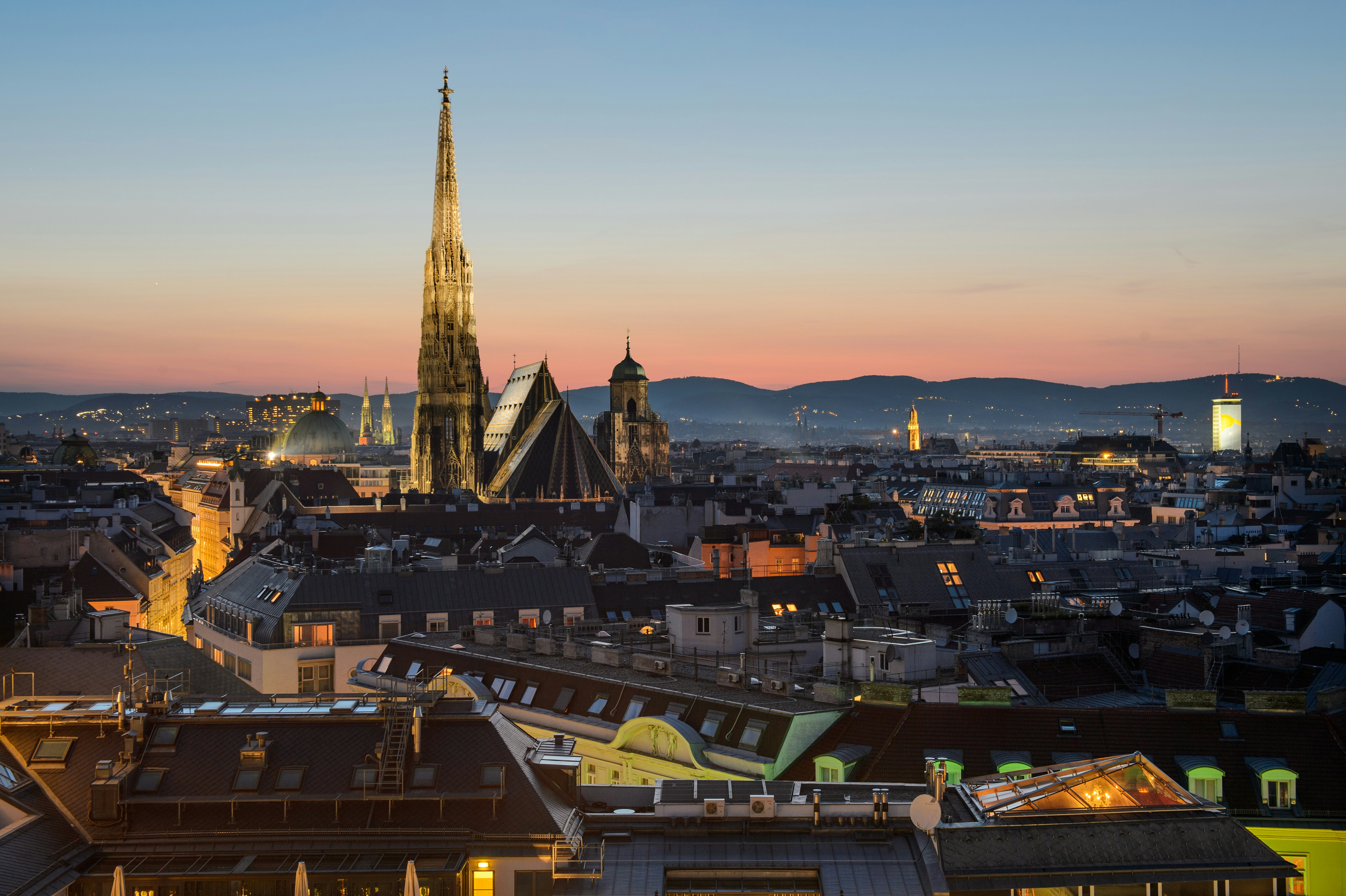
About Vienna
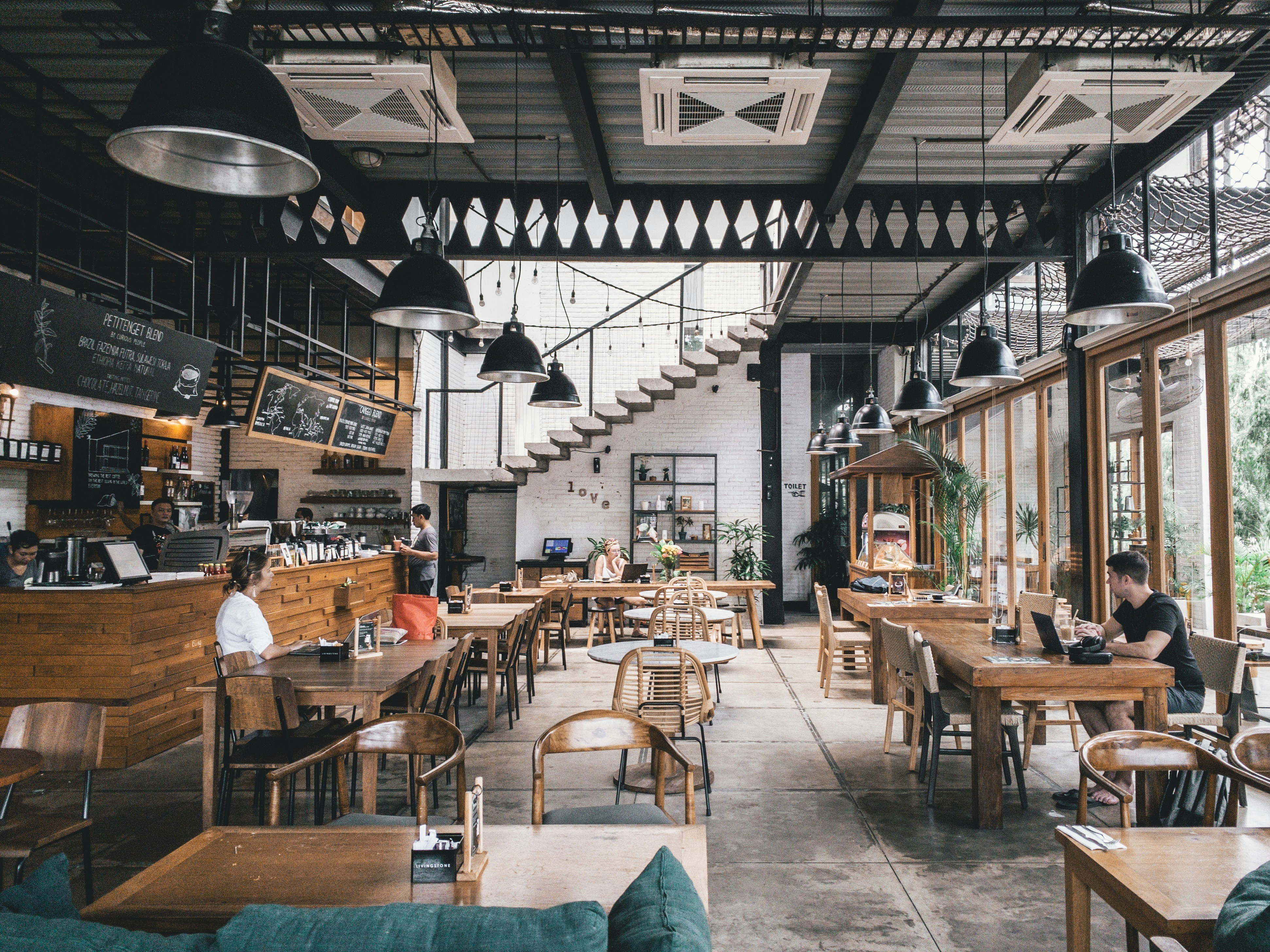
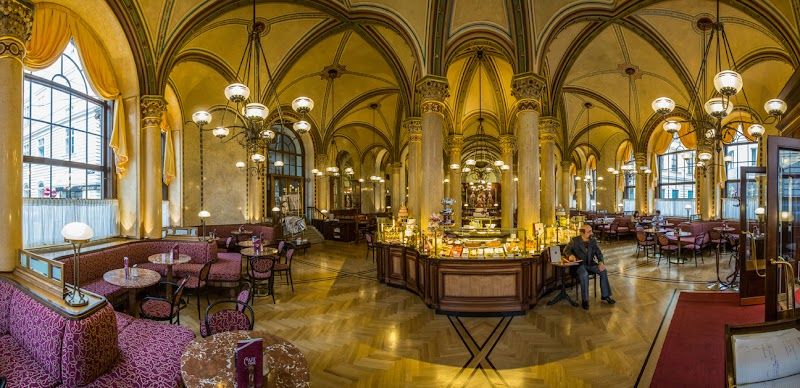
Vienna is the city that perfected the art of doing nothing beautifully. The coffee house culture here is not a marketing gimmick, it is a UNESCO-recognized tradition, and it works like this: you order a Melange (the Viennese cappuccino, EUR 4.50-6), you get a glass of water on the side without asking, and you sit for as long as you want reading newspapers on wooden sticks while the waiter pretends you do not exist. This is not rudeness. This is respect. The Viennese believe that being left alone with your coffee and your thoughts is one of life's great pleasures, and after a morning at Cafe Central, you will agree.
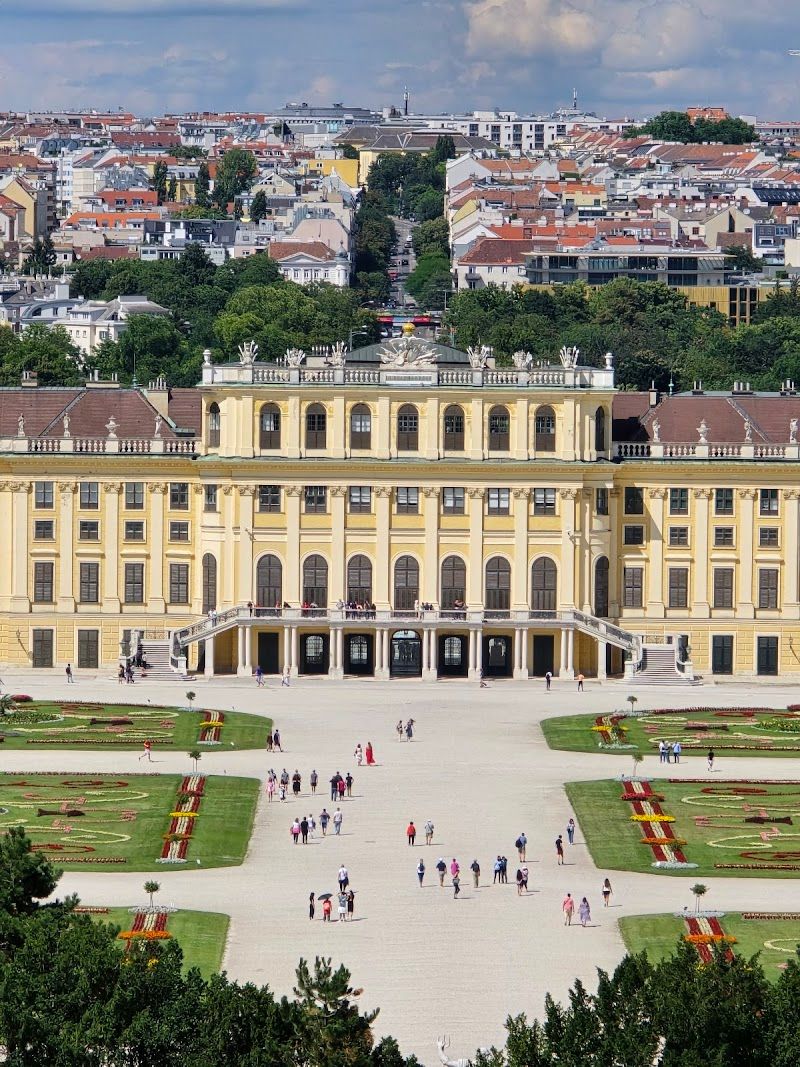
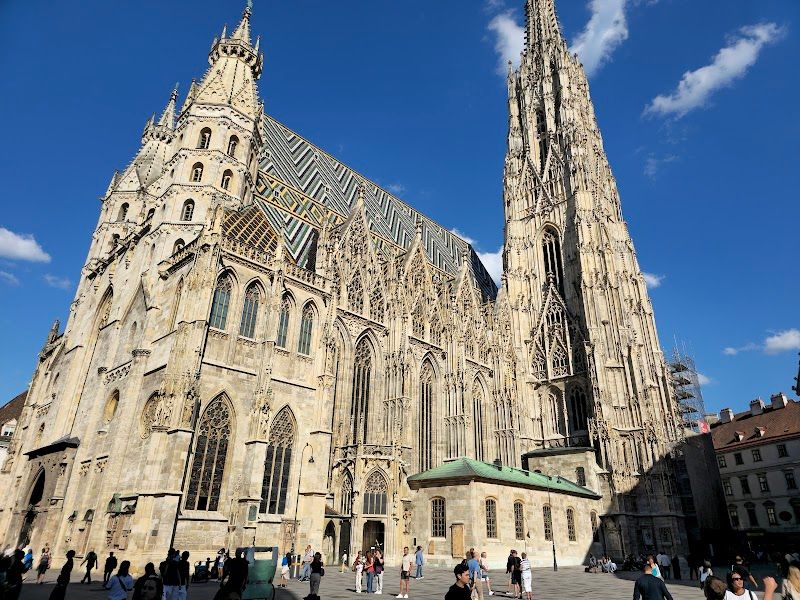
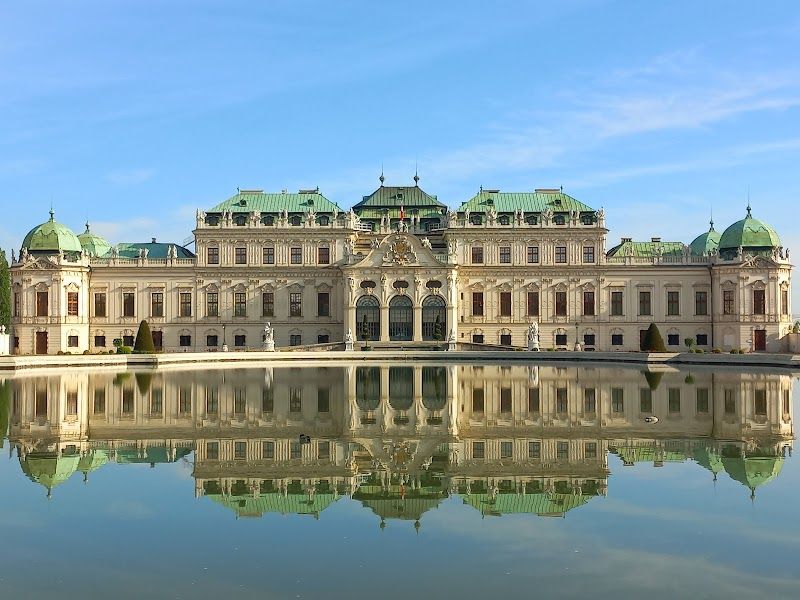
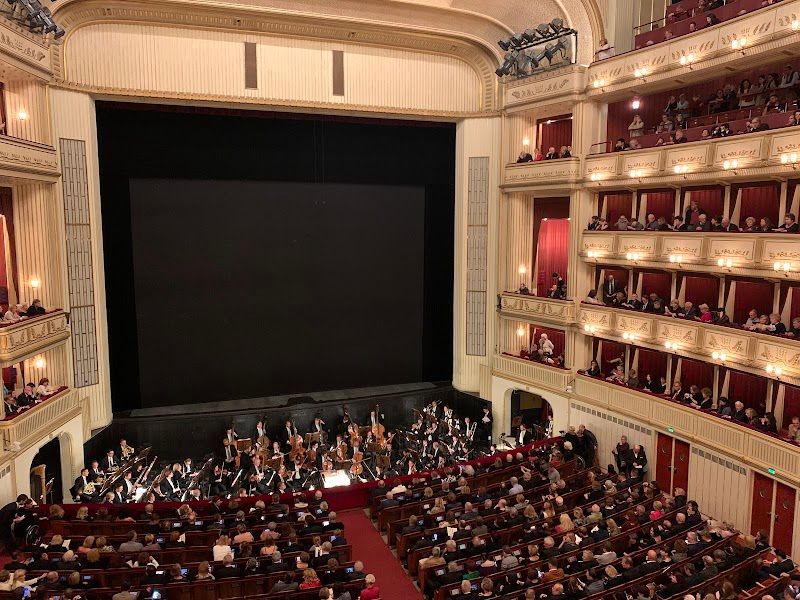
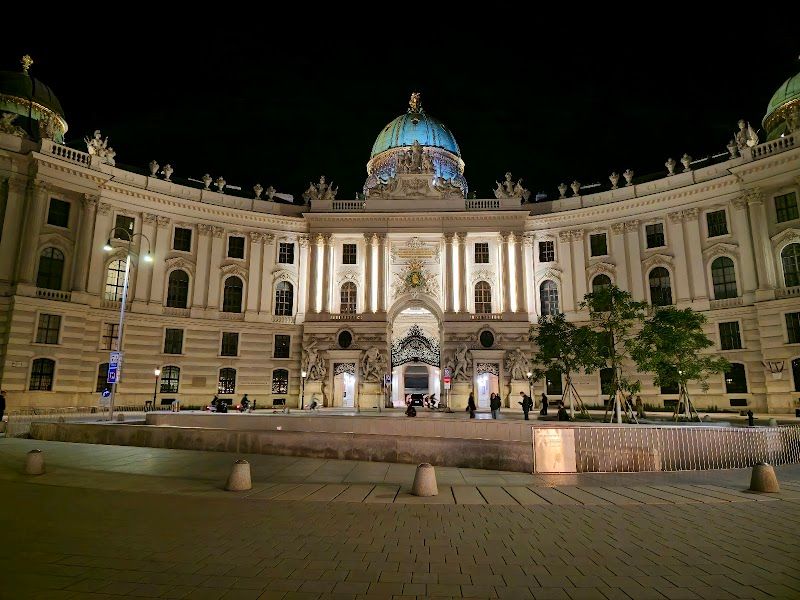
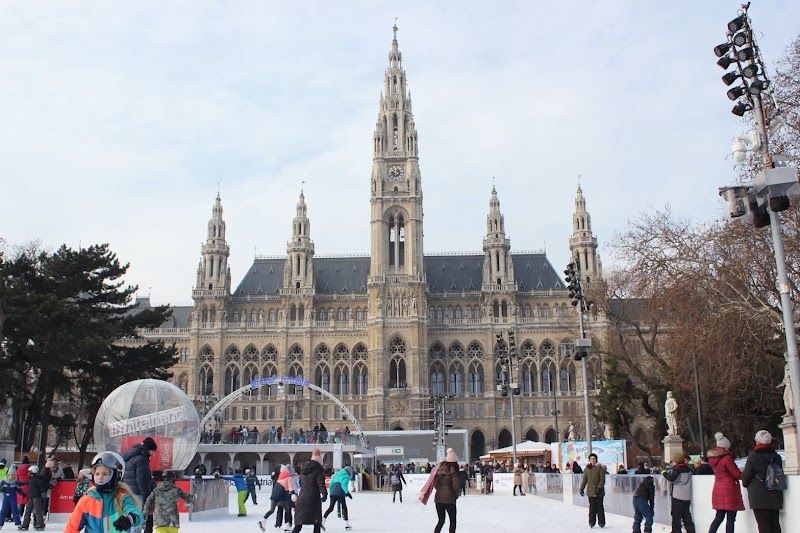
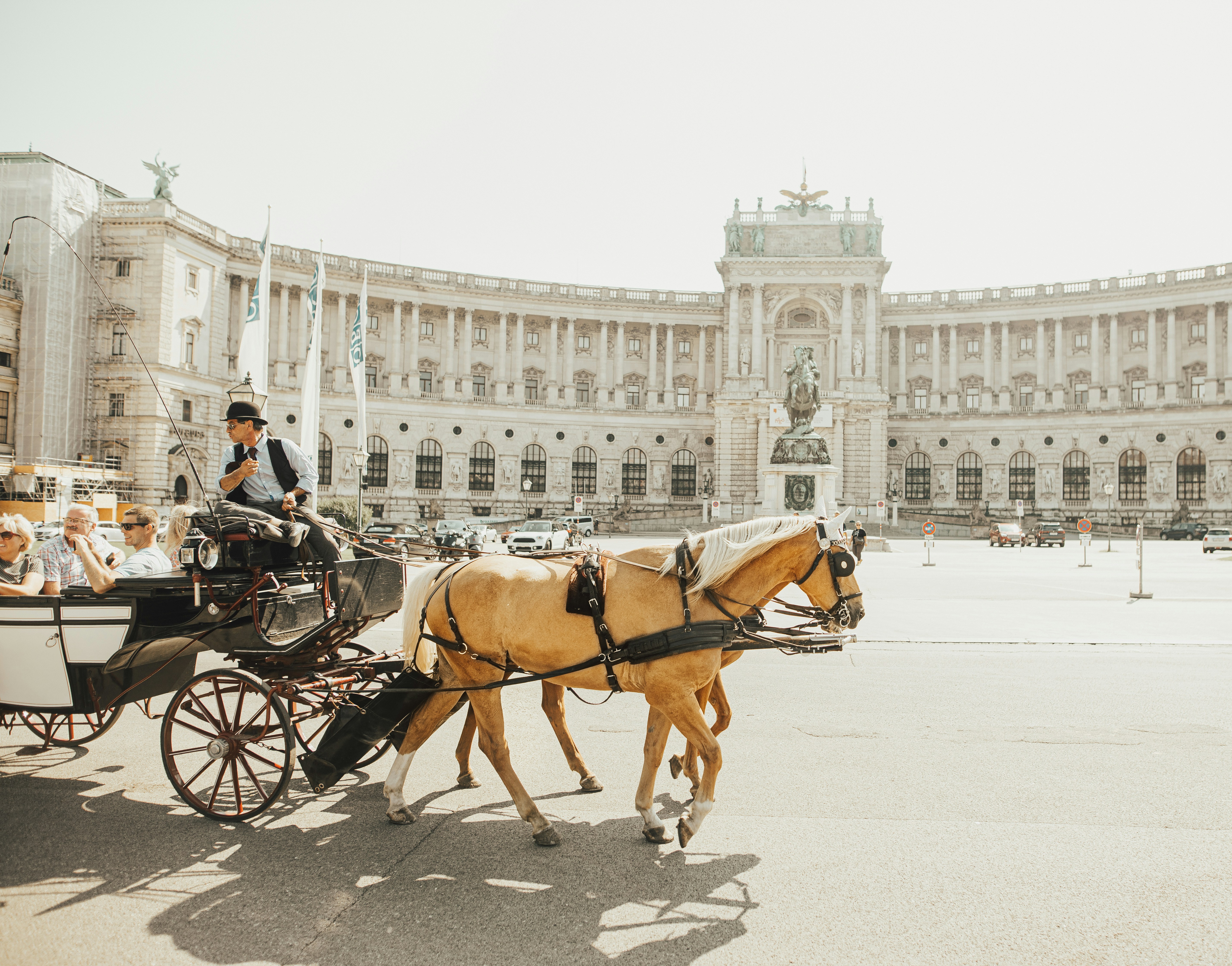
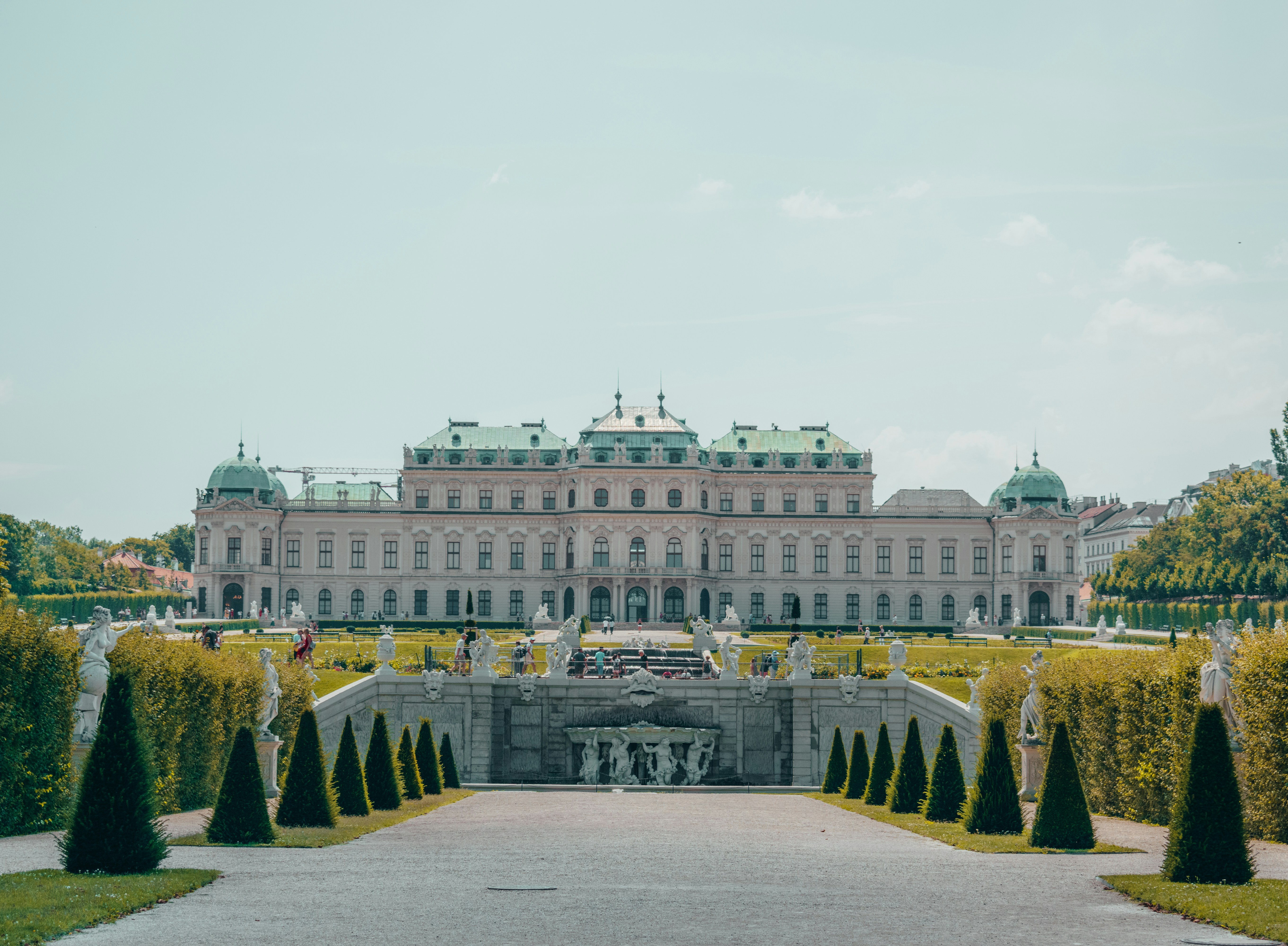
The city looks like the Habsburgs spent 600 years trying to outdo themselves, which is exactly what happened. The Ringstrasse alone has more imperial architecture per kilometre than most countries have total: the Opera House, Parliament, City Hall, the twin museums, the Burgtheater, all of it built in a 50-year sprint to prove that Vienna was the centre of the world. Schonbrunn Palace is Versailles with better gardens and shorter queues. The Belvedere has Klimt's The Kiss, which is one of those paintings that genuinely stops you in your tracks even if you have seen it on a thousand postcards. St. Stephen's Cathedral has been standing since the 12th century and the south tower gives you a view that explains why everyone wanted to control this city.
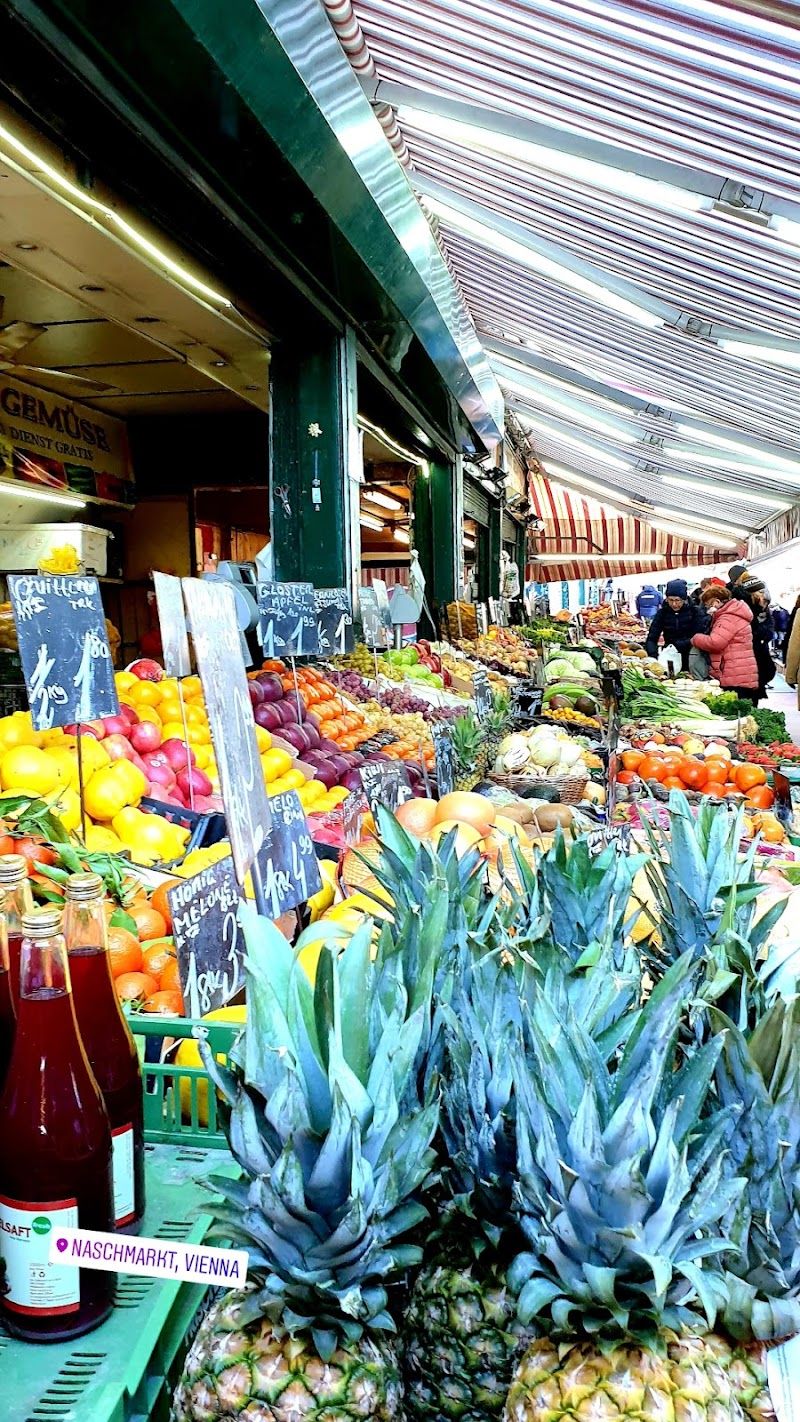
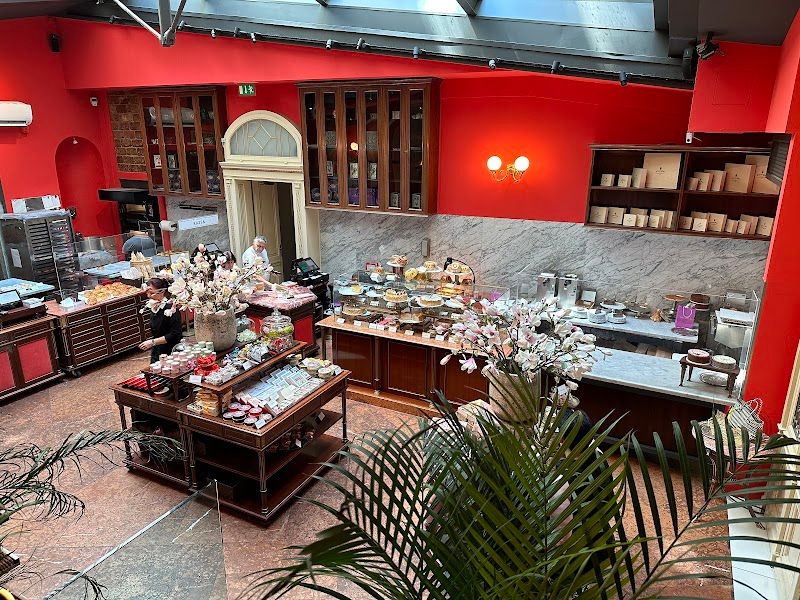
The food is heavier than you expect and better than you expect. Wiener Schnitzel (the real one, veal, pounded thin, fried in butter, hanging off the plate, EUR 16-22) is a perfect dish. Tafelspitz (boiled beef with apple horseradish, the dish Emperor Franz Joseph ate every day) sounds boring and tastes extraordinary. Sachertorte at Hotel Sacher (EUR 8.50 per slice) versus Demel (same price, different recipe) is a rivalry that has been running since 1832 and both sides are right. The Naschmarkt has 120 stalls of everything from Turkish flatbread to Austrian cheese to Vietnamese pho, and it is the single best lunch spot in the city.
Vienna also has a side that the imperial facade does not advertise. The MuseumsQuartier is one of the world's largest cultural complexes, and the courtyard fills with locals on summer evenings who bring wine and sit on the colourful benches until midnight. The Danube Canal has open-air bars and street art that feels closer to Berlin than to the Opera House. Leopoldstadt is where the restaurant scene is actually evolving, with wine bars and modern Austrian cooking that would not exist in the Vienna of 20 years ago. The city is changing, slowly and on its own terms, which is the most Viennese thing imaginable.
Pick your base
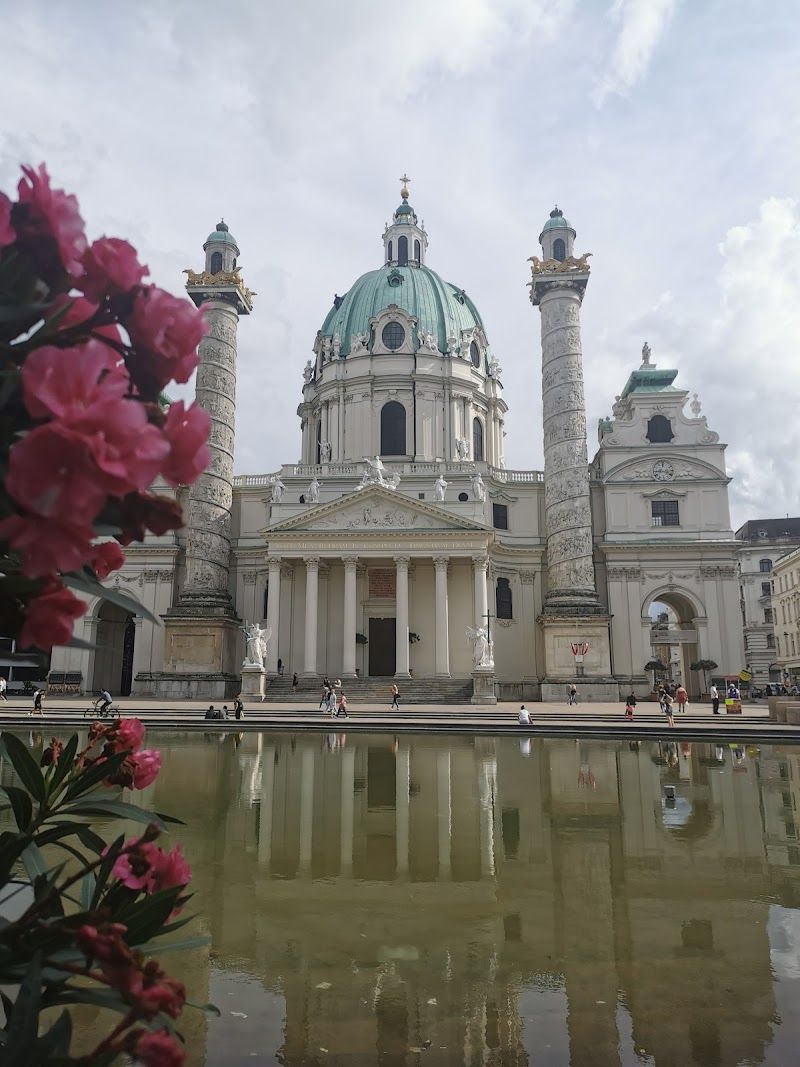
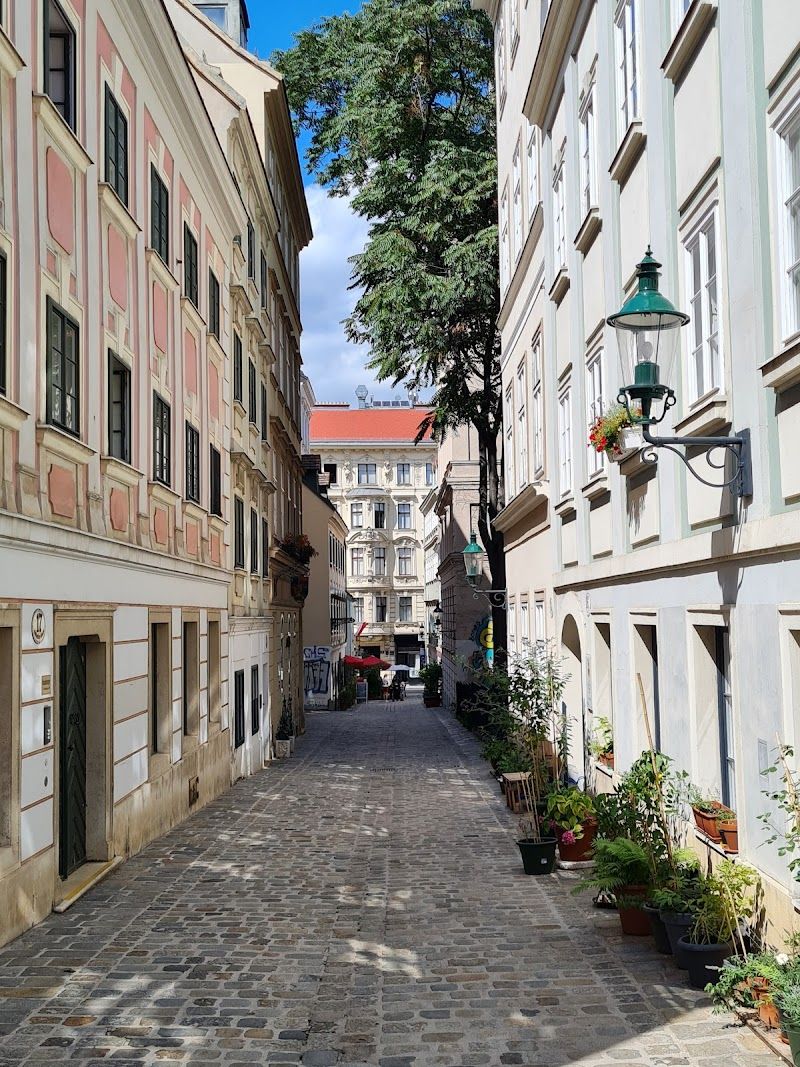
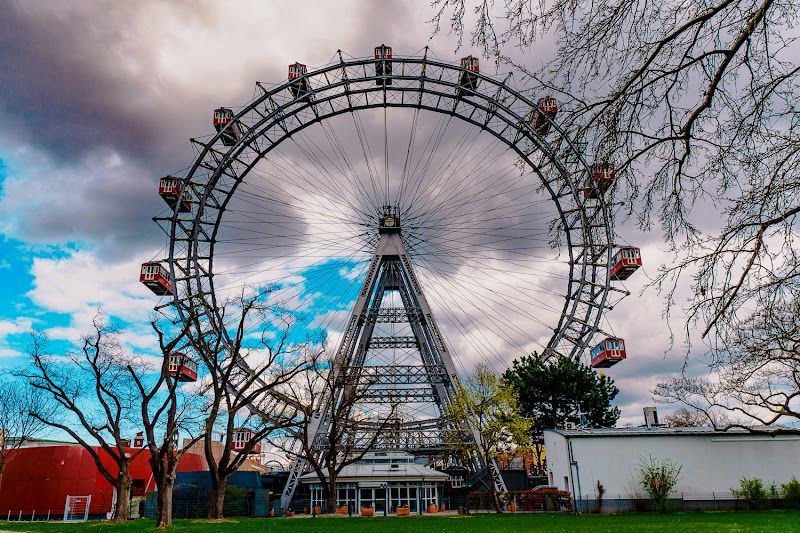
Stay in Vienna
Real-time pricing across hotels, apartments, and ryokans. Book direct from the map.
Things to do in Vienna
Experiences worth booking ahead
Vetted tours and tickets we'd send a friend to. The ones worth reserving before you arrive.
Travel guides
From the blog
Practical bits, answered
Most travelers find 4-5 days ideal to explore the main neighborhoods, museums, and dining scenes without feeling rushed. A long weekend works for a focused visit, while a week allows for day trips and deeper neighborhood exploration.
Le Marais offers the best balance of central location, walkability, dining, and nightlife. Saint-Germain-des-Pres suits those seeking a quieter, more literary atmosphere. For first-time visitors who want proximity to major landmarks, the 7th Arrondissement near the Eiffel Tower is convenient.
Generally very safe for tourists. Standard big-city precautions apply: watch for pickpockets in crowded metro stations and tourist areas, keep valuables secure, and stay aware of your surroundings at night. Avoid leaving bags unattended at cafe terraces.
April through June and September through October offer the best weather, fewer crowds than peak summer, and pleasant temperatures for walking. July and August are hot and busy but have the longest days. Winter is cold but offers lower prices and shorter museum queues.
The metro is fast, cheap, and covers the entire city - stations are never more than 500 meters apart. Buy a Navigo Easy card and load t+ tickets. Walking is the best way to discover neighborhoods. Avoid taxis during rush hour; ride-sharing apps work well late at night.
English is widely spoken in tourist areas, hotels, and restaurants. However, starting interactions with "Bonjour" goes a long way - Parisians appreciate the effort. Learn a few basics: "merci", "s'il vous plait", "l'addition" (the bill). Younger staff are typically more comfortable in English.
Let DAIZ plan your Vienna days
Tell us how long you've got and what you're into. We'll build a day-by-day plan, with the bookable bits ready to lock in.