Venice is the city that should not exist and knows it. 118 islands connected by 400 bridges over 150 canals, built on wooden pilings driven into mud, sinking measurably while 30 million visitors a year test its limits. The city now charges EUR 5 just to enter as a day-tripper because the crowds were destroying it. None of this changes the fact that stepping out of Santa Lucia station to see the Grand Canal will stop you in your tracks.
This Venice travel guide cuts through the tourist marketing to give you the practical information you actually need. Venice is expensive, crowded, and logistically challenging. It's also architecturally impossible, historically fascinating, and genuinely unlike anywhere else on earth.
Getting to Venice: Airport and Transport Options
Marco Polo Airport sits 8km from Venice proper on the mainland. You have four ways to reach the city, and the price differences are dramatic.
The ACTV bus Line 5 costs EUR 8 and takes 20 minutes to Piazzale Roma, Venice's bus terminal. From there, you walk 10 minutes to the train station or take a vaporetto deeper into the city. This is the budget choice that actually works.
Alilaguna waterbuses cost EUR 15-25 depending on your route and take 60-90 minutes, but they deliver you directly to various Venice stops by boat. The Linea Blu goes to San Marco, while Linea Arancio serves Rialto and Santa Lucia station. Book tickets online to avoid airport markup.
Water taxis charge EUR 110-150 for the 30-minute trip and hold up to 10 passengers with luggage. Split among a group, they become reasonable. Solo travelers should skip them unless money doesn't matter.
Private transfers by car to Piazzale Roma run around EUR 40-60, but you still need water transport from there.
Venice Transportation: The Vaporetto System
Venice's ACTV vaporetto system is your primary transport method. Single tickets cost EUR 9.50 for 75 minutes of validity, which sounds reasonable until you realize most trips require transfers. The system makes money by encouraging longer passes.
ACTV travel cards break down like this:
- 24-hour pass: EUR 25
- 72-hour pass: EUR 40
- 7-day pass: EUR 60
Buy a 72-hour pass if you're staying 2-3 days and plan to visit multiple neighborhoods. The math works: five single trips cost EUR 47.50, more than the 72-hour pass.
Line 1 travels the full length of the Grand Canal, stopping at every major landmark. It's slow but scenic. Line 2 is faster with fewer stops. Both get impossibly crowded during peak hours (8-10am, 5-7pm).
Traghetti are standing-only gondola ferries that cross the Grand Canal at specific points for EUR 2. Locals use them constantly. There are only four bridges across the Grand Canal, so traghetti fill the gaps.
Venice Neighborhoods: Where to Stay and What to See
San Marco: The Obvious Choice With Obvious Problems
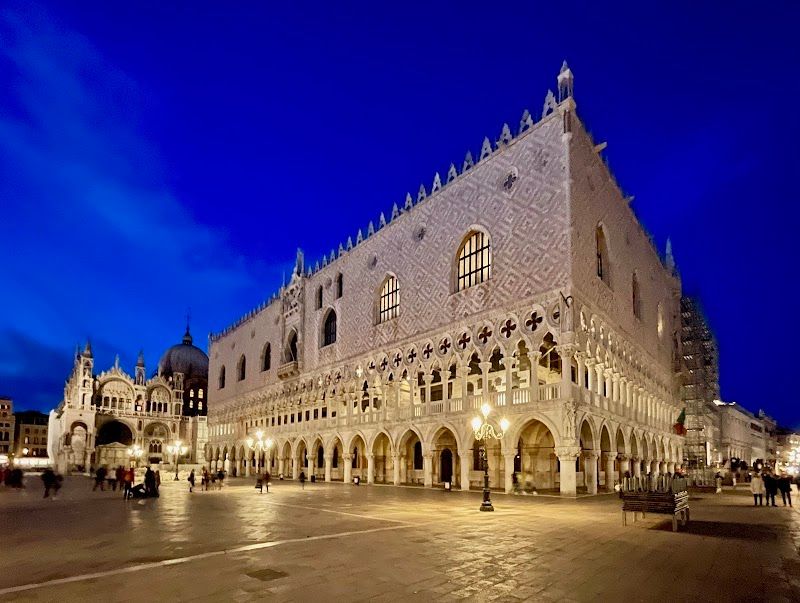
San Marco is where every first-time visitor goes. The Basilica di San Marco dominates the square with Byzantine mosaics covering every surface - entry is EUR 5 but worth the fee to avoid the free-entry crowds. The Doge's Palace next door costs EUR 30 and includes the famous Bridge of Sighs, Tintoretto's massive Paradise painting, and the prison cells where Casanova was held.
The neighborhood has Venice's most expensive restaurants and most aggressive street vendors. Stay here if you want to walk to major sights, but expect to pay premium prices for everything from coffee to hotel rooms.
Key sights: Basilica di San Marco, Doge's Palace, St. Mark's Campanile
Dorsoduro: The Art District That Actually Works
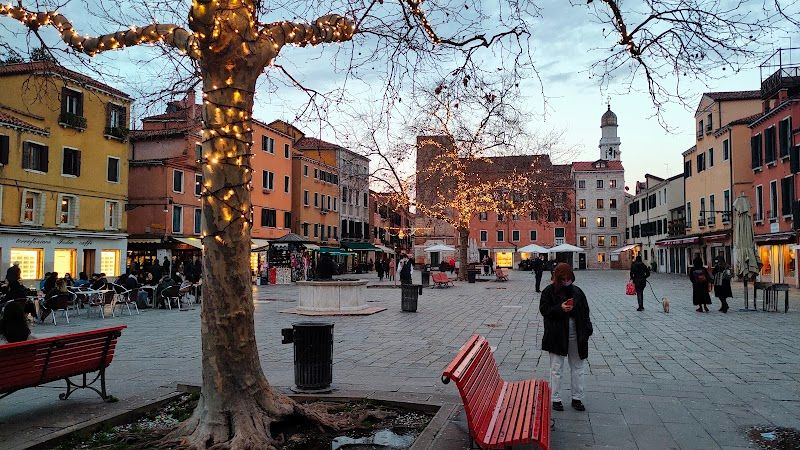
Dorsoduro stretches along the southern bank between the Grand Canal and Giudecca Canal. This is where Venetians actually live, shop, and drink. Campo Santa Margherita serves as the neighborhood's main square, lined with bars that stay open past tourist dinner hours.
The Peggy Guggenheim Collection (EUR 17) houses the city's best modern art in Peggy's former palazzo. The Gallerie dell'Accademia (part of various museum passes) contains Venice's major Renaissance paintings, including works by Bellini, Giorgione, and Titian.
Osteria Al Squero overlooks the Squero di San Trovaso, one of the last working gondola workshops. Watch craftsmen repair gondolas while drinking decent wine at reasonable prices.
Key sights: Campo Santa Margherita, Peggy Guggenheim Collection, Gallerie dell'Accademia
Cannaregio: Jewish History and Real Restaurants
Cannaregio runs from Santa Lucia station to the northern lagoon. The Jewish Ghetto of Venice occupies a small area where Europe's first Jewish ghetto was established in 1516. Tours cost EUR 15-25 and include synagogue visits, but you can explore the area for free.
The Strada Nova cuts through Cannaregio as the main pedestrian thoroughfare from the station. Parallel streets contain some of Venice's best restaurants away from tourist pricing. Al Timon serves cicchetti and natural wines along Fondamenta degli Ormesini, while Osteria La Zucca specializes in vegetable dishes that actually taste good.
Key sights: Jewish Ghetto of Venice, Basilica dei Santi Giovanni e Paolo
San Polo & Santa Croce: Markets and Commerce
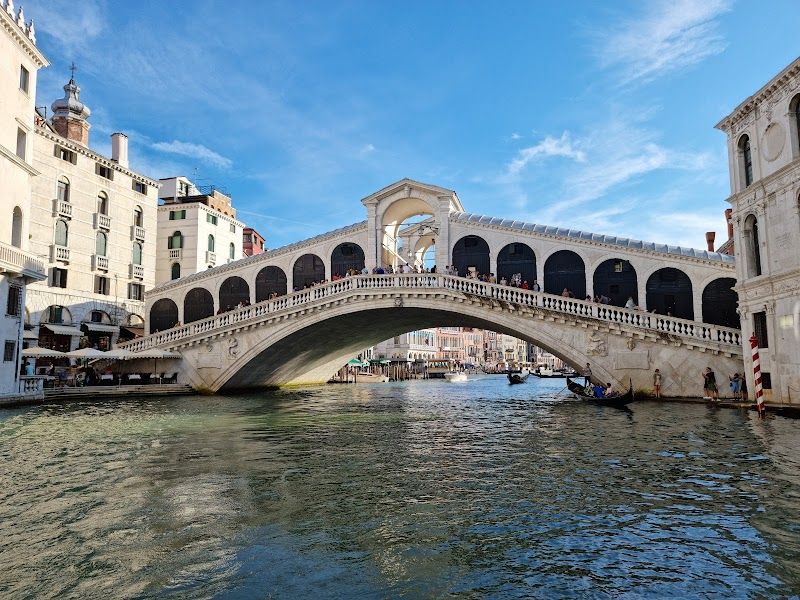
San Polo and Santa Croce form Venice's commercial heart around the Rialto Market and bridge. The fish market operates Tuesday-Saturday mornings - arrive by 9am to see the best selection before restaurants buy everything.
Cantina Do Mori claims to be Venice's oldest bacaro (wine bar), serving cicchetti since 1462. The Basilica di Santa Maria Gloriosa dei Frari contains masterpieces by Titian and Bellini in a Gothic setting that tourist groups often skip.
Scuola Grande di San Rocco (EUR 12) displays Tintoretto's painting cycle covering the walls and ceilings. The artist spent 23 years completing the work, and it shows in the detail.
Key sights: Rialto Bridge and Market, Basilica di Santa Maria Gloriosa dei Frari, Scuola Grande di San Rocco
Castello: Space to Breathe
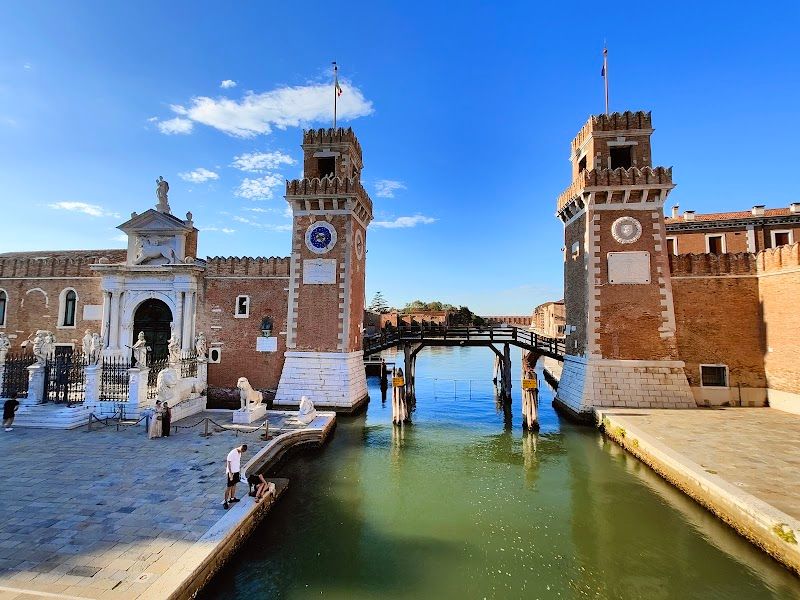
Castello is Venice's largest and least crowded sestiere, stretching east from San Marco to the Arsenale shipyards. The Giardini della Biennale provides actual green space and hosts the Venice Biennale art and architecture exhibitions in alternating years.
Via Garibaldi runs through Castello as one of Venice's few proper streets (not a canal-side walkway). Local restaurants here charge mainland prices because tourists rarely venture this far east.
Key sights: Arsenale di Venezia, Giardini della Biennale
Venice Travel Costs: Budget Breakdowns for 2026
Venice ranks among Europe's most expensive cities, but costs vary dramatically based on location and timing.
Accommodation Costs
Budget options (EUR 25-150 per night):
- Hostel dorm beds: EUR 25-45 per person (limited options)
- Budget hotels: EUR 80-150 for a double room
- Apartments: EUR 60-120 per night for 1-2 people
Mid-range hotels (EUR 180-350): Three and four-star properties with decent locations and amenities. Book in advance for better rates.
Luxury accommodation (EUR 400-1200): Five-star hotels near San Marco command premium prices. The Gritti Palace and Hotel Danieli exceed EUR 1000 per night during peak season.
Food and Drink Costs
Budget eating (EUR 15-25 per day):
- Breakfast: Cornetto and coffee at a bar counter (EUR 3-5)
- Lunch: Bacaro cicchetti and drink (EUR 8-15)
- Dinner: Pizza al taglio and beer (EUR 8-12)
Mid-range dining (EUR 35-70 per day):
- Lunch: Restaurant meal with wine (EUR 20-30)
- Dinner: Two-three courses with drinks (EUR 35-55)
- Aperitivo: Aperol Spritz at canal-side bar (EUR 8-15)
Upscale dining: EUR 80-150 for a three-course dinner with wine at top restaurants.
Drink prices:
- Espresso: EUR 1.20-2.50 (standing at counter)
- Wine glass at bacaro: EUR 3-6
- Beer (0.4L): EUR 4-8
- Bottled water: EUR 1.50-3 (tap water is safe)
Essential Venice Travel Tips
When to Visit Venice
Peak season (June-August, December) brings crowds, heat, and maximum prices. Acqua alta (flooding) occurs mainly November-March, with December and January seeing the highest water levels.
Best timing: Late April-May and September-October offer decent weather with smaller crowds. November can be atmospheric if you don't mind occasional flooding and shorter daylight hours.
What to Pack for Venice
Comfortable walking shoes are essential - you'll walk 15,000+ steps daily on stone streets and bridges. Rain gear matters more than perfect outfits, especially in winter.
Lightweight backpack: Venice's narrow bridges and crowded vaporetti make wheeled luggage impractical. Pack light and carry everything you need for the day.
Venice Etiquette and Local Customs
Don't sit on church steps or eat lunch in campos (squares). Venetians consider both disrespectful. Use benches in parks or eat standing at bars like locals do.
Validate vaporetto tickets every time you board, even with multi-day passes. Inspectors fine EUR 60 for invalid tickets, and "I'm a tourist" doesn't help.
Stand right, walk left on bridges and crowded walkways. Venetians move quickly through their city and get frustrated by slow-walking tourist groups blocking passages.
Day Trip Options and Island Hopping
Murano: Glass-Making Traditions
Murano sits 1.5km north of Venice and produces the region's famous glass. Glass factory tours cost EUR 10-25 and include demonstrations. The island has several glass museums and workshops, but quality varies widely in tourist shops.
Burano: Colorful Houses and Lace
Burano attracts visitors for its brightly painted houses and traditional lace-making. The island is free to explore, though the 45-minute vaporetto ride each way (Lines 12 or 14) makes it a half-day commitment.
Torcello: Byzantine History
Torcello was Venice's original settlement before the city moved to its current location. The Cathedral of Santa Maria Assunta contains spectacular Byzantine mosaics, and the island sees few tourists despite its historical importance.
Getting Around Venice: Navigation Tips
Understanding Venice's Street System
Venice uses unique address numbering - each sestiere has sequential numbers that can reach 6000+. Calli are narrow streets, campi are squares (except Piazza San Marco), fondamenta run alongside canals.
Google Maps works reliably in Venice, but download offline maps as cellular coverage can be spotty in narrow alleys. The ACTV app provides real-time vaporetto schedules and route planning.
Bridge Navigation
Venice has 400+ bridges, most without accessibility accommodations. Ponte dell'Accademia, Ponte di Rialto, Ponte degli Scalzi, and Ponte della Costituzione are the only bridges crossing the Grand Canal.
Many smaller bridges lack handrails and can be steep. Travelers with mobility issues should plan routes carefully and consider staying near major vaporetto stops.
Venice First-Time Visitor Mistakes to Avoid
Transportation Mistakes
Don't buy single vaporetto tickets for multiple trips - the EUR 9.50 fare adds up quickly. Don't expect taxis - Venice has boats, not cars. Don't arrive without cash - some smaller establishments don't accept cards.
Dining Mistakes
Avoid restaurants with English menus near major sights - they target tourists with inflated prices and mediocre food. Don't expect dinner before 7:30pm - Venetians eat late, and good restaurants open accordingly.
Skip the gondola rides during peak hours - EUR 80-120 for 30-40 minutes in crowded canals isn't romantic. Early morning or evening rides offer better value and atmosphere.
Planning Mistakes
Don't pack every day with sightseeing - Venice rewards slow exploration and spontaneous discoveries. Don't book accommodation without checking reviews - some Venice hotels occupy buildings with challenging stairs and no elevators.
Venice works best when you embrace its rhythm rather than fighting it. The city has survived 1,500 years by adapting to challenges while maintaining its essential character. Your job as a visitor is to experience that character without contributing to the problems threatening its survival.
For detailed neighborhood breakdowns and specific restaurant recommendations, check our First Time in Venice guide and Venice food guide. If you're planning a short visit, our 2-3 day Venice itinerary covers the essential sights efficiently.