Venice's neighborhoods are nothing like normal city districts. Called sestieri (meaning sixths), these six areas are separated by the Grand Canal's serpentine curves and a maze of smaller waterways that make navigation feel like solving a puzzle while blindfolded. Each sestiere has its own postal code, personality, and relationship with tourism - some embrace it, others actively resist it.
Understanding Venice's layout before you arrive saves hours of wandering through identical-looking alleys clutching a useless map. The city's address system (a four-digit number plus sestiere name) makes no logical sense to outsiders, and Google Maps regularly fails when bridges are closed for repair. This guide explains what each neighborhood offers, where tourists should and shouldn't go, and how to move between districts without losing your sanity.
San Marco: The Tourist Epicenter You Can't Avoid
San Marco is Venice's beating heart and its biggest headache. This sestiere contains every sight you've seen on postcards: St. Mark's Square, the Basilica, the Doge's Palace, and the luxury shopping arcades that separate your money from your wallet at record speed.
The main attractions cluster around St. Mark's Square like moths to a flame. St. Mark's Basilica charges EUR 5 for admission but the golden mosaics covering every surface justify the fee. The Doge's Palace costs EUR 30 but includes access to the Bridge of Sighs and prison cells where Casanova was held. The St. Mark's Campanile offers panoramic views for EUR 10, though the elevator queues stretch for hours during peak season.
The shopping situation divides into two extremes: luxury boutiques under the Procuratie arcades selling EUR 3,000 handbags, and tourist trap shops selling EUR 15 plastic gondolier hats. The middle ground barely exists. For actual shopping value, head to other districts.
Dining in San Marco means paying premium prices for average food. A simple pasta lunch costs EUR 18-25 in restaurants facing the square, while the same dish costs EUR 12-14 three streets away. All'Arco near the Rialto Bridge serves excellent cicchetti (small plates) for EUR 8-12 per person, and Cantina Do Mori has been pouring wine since 1462.
The sestiere's geography creates natural bottlenecks where 30,000 people squeeze through spaces designed for 3,000. The worst congestion happens between 11am-4pm near the Rialto Bridge and around St. Mark's Square. Early morning (before 9am) or evening (after 6pm) visits feel like discovering a different city.
Transportation hubs make San Marco unavoidable for most visitors. The Vallaresso and San Zaccaria vaporetto stops connect to all major routes, while the Rialto Bridge provides the only Grand Canal crossing on foot between the train station and the Accademia Bridge.
Dorsoduro: Where Venetians Actually Go
Dorsoduro sits across the Grand Canal from San Marco but feels worlds apart. This sestiere attracts locals, students from Ca' Foscari University, and visitors who've discovered that Venice exists beyond the postcard views.
The cultural heavyweight here is the Peggy Guggenheim Collection, housed in an 18th-century palazzo with one of Europe's finest modern art collections. The EUR 17 admission includes works by Picasso, Pollock, and Kandinsky, plus a sculpture garden overlooking the Grand Canal. Nearby, the Gallerie dell'Accademia contains Venice's greatest paintings, including Bellini's masterpieces and Giorgione's mysterious "The Tempest."
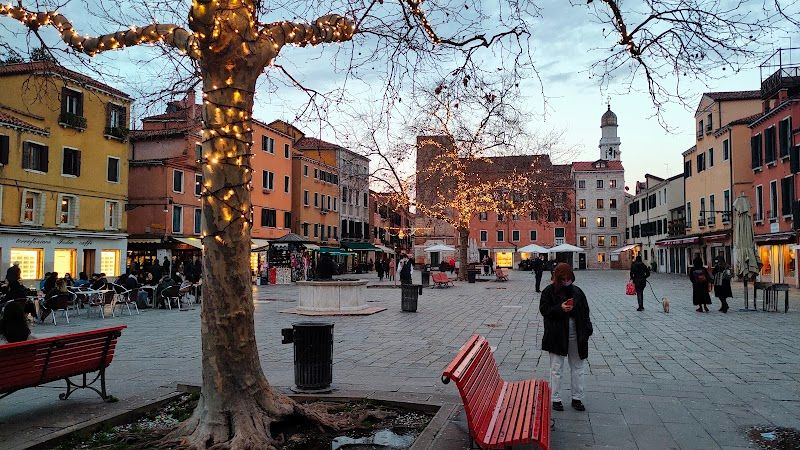
Campo Santa Margherita serves as Dorsoduro's social center, surrounded by bars that stay busy until 2am. This rectangular campo hosts a morning market selling fresh vegetables and fish, then transforms into an outdoor social club where university students mix with locals over EUR 3-6 glasses of wine. The square's cafes charge tourist prices during the day but become reasonably priced neighborhood hangouts after dark.
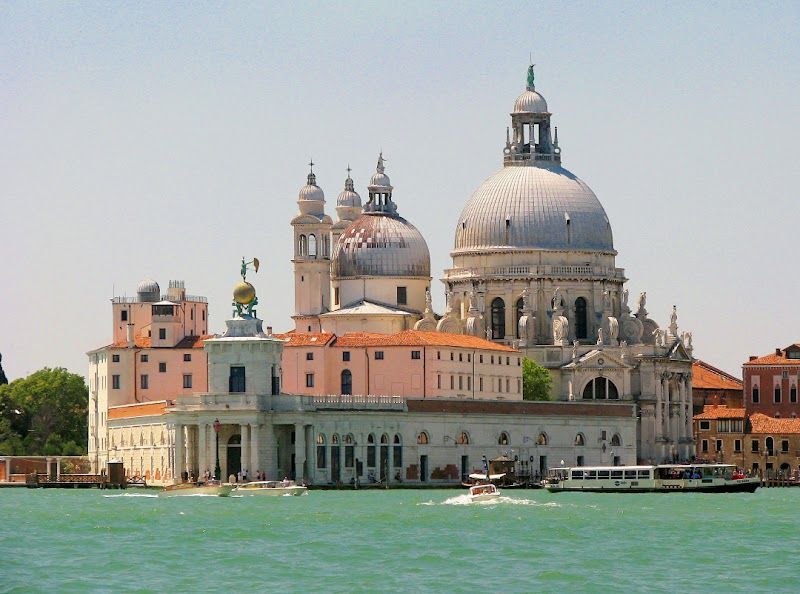
The Zattere waterfront provides Venice's best walking promenade, stretching from the train station area to the Punta della Dogana. Locals jog here at sunrise and walk their dogs at sunset, while the floating gelato boat ("Il Doge") serves some of the city's best gelato from May through September.
Dorsoduro's restaurant scene caters to locals and university students rather than tourists, resulting in better value and more authentic flavors. Osteria Al Squero overlooks a working gondola repair yard and serves excellent fish dishes for EUR 15-20. Wine bars along the Zattere offer spritz cocktails with canal views for EUR 6-8, compared to EUR 12-15 in San Marco.
The Squero di San Trovaso provides one of Venice's few glimpses into traditional craftsmanship. This working gondola shipyard, visible from the street, produces and repairs the city's most famous vessels using techniques unchanged for centuries.
Cannaregio: The Real Venice Emerges
Cannaregio stretches from Santa Lucia train station to the northern lagoon, encompassing both heavily touristed areas around the station and genuinely local neighborhoods that most visitors never see.
The train station area (Lista di Spagna and surrounding streets) exists purely for tourist extraction. Restaurants here charge EUR 20-25 for mediocre pasta while grocery stores sell EUR 3 bottles of water. Walk 10 minutes toward the Cannaregio Canal, and prices drop by 30% while quality improves dramatically.
The Jewish Ghetto represents one of Europe's most significant Jewish historical sites. Established in 1516, this was the world's first ghetto. The cramped buildings grew vertically to accommodate the restricted population, creating unique architecture found nowhere else in Venice. Guided tours (EUR 15-25) include visits to historic synagogues and explanations of how the community survived centuries of restrictions.
Cannaregio's northern reaches reward visitors who venture beyond the obvious routes. The Fondamenta della Misericordia and Fondamenta dei Ormesini form a waterfront strip where young Venetians gather for drinks and dinner. Al Timon serves excellent cicchetti and has an outdoor seating area directly on the canal. Osteria La Zucca specializes in vegetable dishes that prove Italian cuisine extends far beyond pasta and pizza.
The Madonna dell'Orto area in Cannaregio's northeast corner sees few tourists despite containing Tintoretto's parish church and some of Venice's most photogenic canals. This neighborhood maintains the rhythm of daily life that tourism has disrupted elsewhere: children playing in campos, elderly residents chatting on bridges, and grocery stores selling to locals rather than visitors.
Transportation through Cannaregio relies heavily on the Cannaregio Canal, which allows vaporetto lines 4.1, 4.2, 5.1, and 5.2 to bypass the Grand Canal's traffic. These routes connect to Murano, the train station, and Fondamente Nove (departure point for northern islands).
San Polo & Santa Croce: Venice's Commercial Heart
San Polo and Santa Croce function as a single district divided only by administrative boundaries. These sestieri contain Venice's oldest markets, most authentic restaurants, and the majority of locals' daily shopping.
The Rialto Market dominates San Polo's identity. This has been Venice's main food market for over 700 years, and it still operates Tuesday through Saturday mornings. The fish market (Pescheria) showcases the lagoon's daily catch, while the produce market (Erberia) sells vegetables from the Veneto mainland. Prices here beat supermarkets, and the quality surpasses anything in tourist areas.
Restaurants around the market cater to vendors, shoppers, and workers rather than sightseers. Cantina Do Spade claims to be Venice's oldest osteria (1488) and serves traditional dishes like bigoli in salsa (pasta with anchovies and onions) for EUR 12-14. The portions satisfy working people rather than Instagram photographers.
San Polo's religious art includes two masterpieces that most visitors miss. The Basilica di Santa Maria Gloriosa dei Frari contains Titian's Assumption altarpiece and his tomb, plus works by Bellini and Donatello. The Scuola Grande di San Rocco displays Tintoretto's complete painting cycle covering the walls and ceiling - a project that took him 23 years to complete.
Santa Croce's residential character becomes apparent in the areas away from the Grand Canal. The sestiere contains Venice's largest supermarket (Coop near Piazzale Roma), the city's main parking garages, and apartment buildings where actual Venetians live rather than just work.
Piazzale Roma serves as the automotive terminus for Venice. All buses, including the EUR 8 airport connection, terminate here. The area lacks charm but provides essential services: luggage storage, car rentals, and the People Mover monorail connection to the cruise terminal.
Castello & the Arsenale: Venice Beyond Tourism
Castello occupies the largest area but receives the fewest visitors. This sestiere stretches from San Marco's eastern edge to Venice's far reaches, encompassing everything from major attractions to neighborhoods where tourism barely registers.
The western Castello near San Marco includes several significant sites. The Basilica dei Santi Giovanni e Paolo serves as Venice's Pantheon, containing tombs of 25 doges and spectacular Renaissance architecture. The adjacent Scuola Grande di San Marco now functions as the city's main hospital, but its facade ranks among Venice's most photographed.
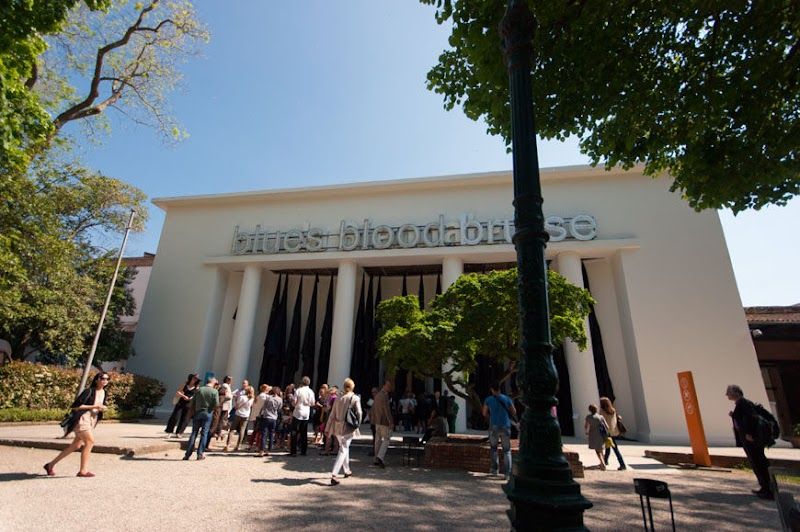
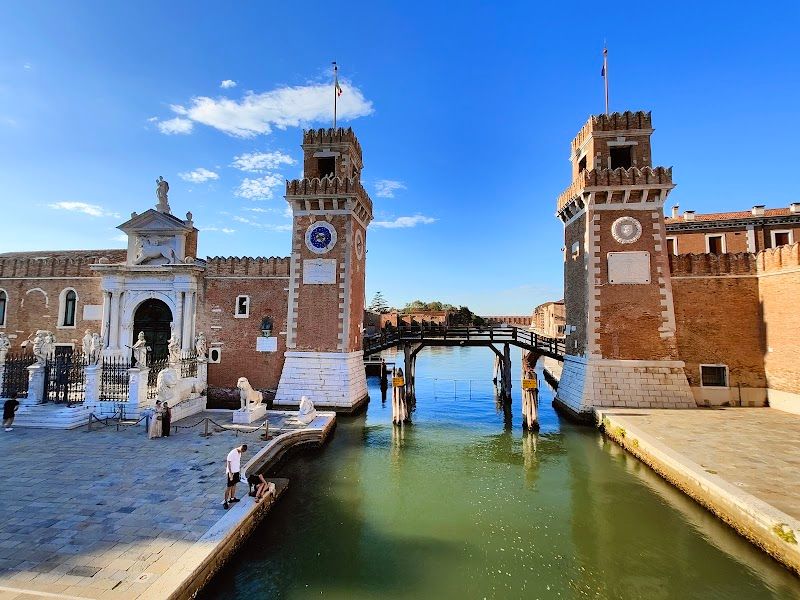
The Arsenale once employed 16,000 workers building Venice's naval empire. This massive complex now houses the Venice Biennale and various cultural events. The Biennale Gardens host the world's oldest art exhibition (odd years) and architecture exhibition (even years) from May through November. Even when exhibitions aren't running, the Giardini della Biennale provide Venice's largest green space.
Eastern Castello feels like a different city. The Via Garibaldi area contains family-run restaurants, neighborhood bars, and shops serving residents rather than tourists. Lunch here costs EUR 12-15 for dishes that would cost EUR 20-25 near San Marco, and evening aperitivo follows local rather than tourist timing (6:30-8pm instead of 5-7pm).
The Sant'Elena district at Castello's eastern tip provides the closest thing to suburban life Venice offers. Families with children live here, and the area includes Venice's only significant park space beyond the Biennale Gardens. The walk from San Marco takes 25-30 minutes, or you can take vaporetto lines 1, 4.1, or 5.1.
Transportation from Castello to other areas requires planning. The San Zaccaria vaporetto hub provides connections throughout the city, but eastern Castello relies on less frequent lines 4.1, 5.1, and seasonal services to the Lido.
Navigating Between Venice Neighborhoods
Venice's vaporetto system connects all sestieri but requires understanding which lines serve which areas. Line 1 follows the Grand Canal from the train station to San Marco and beyond, stopping at all major tourist sites but taking 45 minutes for the full route. Lines 4.1, 4.2, 5.1, and 5.2 circle the city faster by using outer canals but skip central stops.
The ACTV 24-hour travel card (EUR 25) pays for itself if you take four or more vaporetto rides. The 72-hour card (EUR 40) makes sense for longer stays, while single tickets (EUR 9.50 for 75 minutes) suit visitors making only essential trips.
Walking between districts often proves faster than water transport, especially during peak hours when vaporetti run late and crowded. However, Venice's bridge-heavy topography makes walking with luggage impractical. The city contains only four bridges crossing the Grand Canal: Scalzi (near train station), Rialto, Accademia, and Costituzione (modern bridge at Piazzale Roma).
Traghetto crossings provide the cheapest Grand Canal transport at EUR 2 per person. These standing-room gondola ferries operate at seven points during daylight hours, though reduced services and occasional closures require flexibility.
If you're planning your first visit, our comprehensive 2-3 Days in Venice itinerary covers the essential sights across multiple districts. For deeper exploration of Venice's food scene, which varies dramatically by neighborhood, check our guide to Venice's bacari and cicchetti culture.
Practical Tips for Venice District Exploration
Each sestiere operates on different rhythms that affect visitor experiences. San Marco peaks between 11am-4pm when cruise ships disgorge passengers, making early morning or evening visits essential for photos without crowds. Dorsoduro comes alive after 6pm when university students and locals reclaim the campos from day-trippers.
Cannaregio's northern areas practically shut down on Sunday afternoons when locals retreat indoors for family meals, while the train station area maintains constant tourist activity. San Polo and Santa Croce revolve around market schedules - visit the Rialto area Tuesday-Saturday mornings for the full experience, but expect closed shops on Monday.
Castello's eastern reaches have limited restaurant options after 2pm and before 7pm, following residential rather than tourist meal schedules. Plan accordingly or carry snacks when exploring these authentic neighborhoods.
The Venice neighborhoods system rewards visitors who venture beyond the obvious routes. Each sestiere offers different perspectives on how this impossible city functions, from San Marco's tourist theater to Castello's everyday reality. Understanding these distinctions helps you experience Venice rather than just photograph it.
For complete practical information about visiting Venice, including transport, accommodations, and essential preparations, see our detailed first-time visitor's guide.