Three days in Venice is exactly the right amount of time for a first visit. Any shorter and you'll spend half your time figuring out which vaporetto goes where. Any longer and you'll start to understand why locals complain about the tourists (which will be you). This Venice itinerary 3 days schedule assumes you're staying in Venice proper, not Mestre, and that you want to see the famous stuff without getting trampled by cruise ship groups.
The key to a successful venice 3 days reddit-approved trip is timing. Visit the major sights early morning or late afternoon, eat lunch at bacari away from San Marco, and never take a vaporetto during the 4-6 PM commuter rush unless you enjoy being compressed into human sardines. Most importantly, accept that you will get lost. The narrow calli and confusing bridges are part of the experience.
Day 1: San Marco and the Greatest Hits
Start Early at San Marco (7:30 AM)
Arrive at Basilica di San Marco by 7:30 AM, preferably on foot from wherever you're staying. The basilica opens at 9:00 AM but the queue forms much earlier, and by 10:00 AM it stretches around the corner. Entry is EUR 5 (as of 2026), and the golden mosaics covering every surface justify the early wake-up call. The Treasury (EUR 5 additional) and Pala d'Oro altarpiece (EUR 5 additional) are worth seeing if you're into Byzantine art, but the main basilica is the real attraction.
After the basilica, climb St. Mark's Campanile (EUR 10) for the best overview of Venice's geography. The elevator ride takes 30 seconds, and the 360-degree view helps you understand how this improbable city actually works. Pro tip: the views are clearest in the morning before the heat haze builds up.
Doge's Palace and Prison (9:30 AM)
Walk directly to the Doge's Palace entrance. The EUR 30 admission includes the palace, Bridge of Sighs, and prison cells where Casanova was once held. The audio guide (included) is actually good, and you'll need 90 minutes minimum to see the council chambers, Tintoretto's massive Paradise painting, and the atmospheric prisons. Book online to skip the ticket line.
The Bridge of Sighs is less romantic when you realize it connected the interrogation rooms to the cells. The view from inside looks out through stone bars to the canal, exactly as prisoners saw it centuries ago.
Coffee Break: Real Venetian Style (11:30 AM)
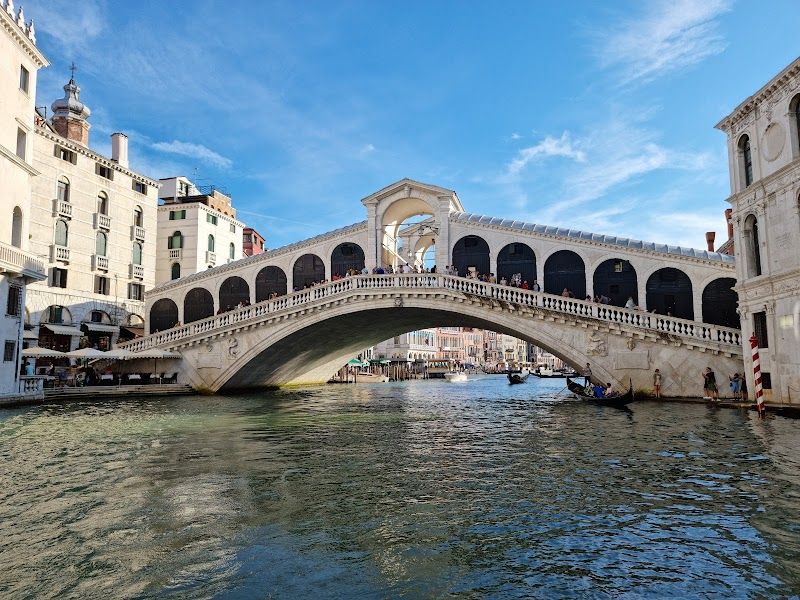
Walk 3 minutes to Cantina Do Mori near the Rialto Bridge. This 500-year-old bacaro serves espresso for EUR 1.5 (standing at the counter) and has been pouring wine since before America was discovered. The copper pots hanging from the ceiling and the frank demeanor of the baristas are authentically Venetian.
Lunch: Your First Bacaro Experience (12:30 PM)
Stay in the Rialto area for lunch at All'Arco. This tiny bacaro serves the best cicchetti (Venetian tapas) near the Rialto Bridge and Market. Order pointing at the glass case: baccalà mantecato (whipped cod), sardines in saor (sweet and sour sardines), and polpette (meatballs). A plate of cicchetti and a glass of wine costs EUR 8-15.
The Rialto Market operates Tuesday through Saturday mornings. The fish market closes by 12:30 PM, but you can still see the aftermath: ice-covered marble slabs and the lingering smell of the Adriatic.
Afternoon: Cross the Grand Canal (2:00 PM)
Take the traghetto (EUR 2) from near the Rialto Market to the Ca' Rezzonico stop. These standing gondola ferries are how locals cross the Grand Canal without walking to a bridge. Tourists sit down; locals stand. You're not local yet.
Walk south along the Grand Canal toward the Basilica di Santa Maria della Salute. This baroque church sits at the mouth of the Grand Canal like a wedding cake, built as thanks for the end of a 1630 plague. Free entry, and the interior is surprisingly austere compared to the elaborate exterior.
Art Interlude: Peggy Guggenheim (3:30 PM)
The Peggy Guggenheim Collection (EUR 17) sits in Peggy's former palazzo on the Grand Canal. The modern art collection includes Picasso, Pollock, and Kandinsky in a manageable size. The sculpture garden overlooks the canal, and you can see Peggy's grave in a corner where she's buried with her dogs. Allow 75 minutes.
Aperitivo with Canal Views (5:30 PM)
Walk 5 minutes to Osteria Al Squero, which faces the squero (gondola workshop) at San Trovaso. Order an Aperol Spritz (EUR 8-12) and watch gondolas being repaired in the 17th-century workshop across the canal. This is one of only three remaining squeri in Venice, and the workers still use traditional tools and techniques.
Dinner: Step Away from the Tourist Zone (7:30 PM)
Head to [/destinations/venice/neighborhoods/dorsoduro] for dinner away from the San Marco crowds. Campo Santa Margherita has several restaurants with reasonable prices and locals mixed in with the tourists. A mid-range dinner with wine costs EUR 35-55 away from the main tourist drag.
End your first day with a walk back toward San Marco via the Accademia Bridge. The Grand Canal at night, with palazzo windows glowing yellow and vaporetti churning past, is pure Venice theater.
Day 2: Islands and Neighborhoods Beyond San Marco
Morning: The Arsenal District (9:00 AM)
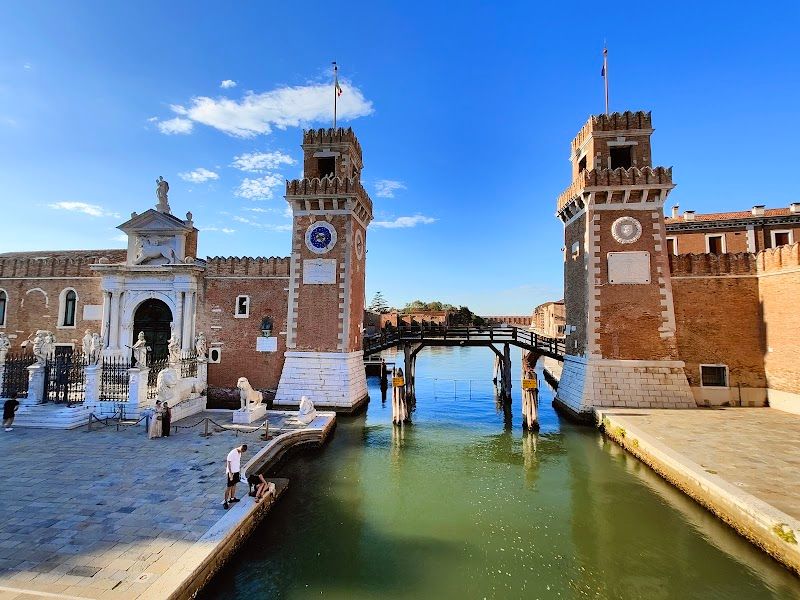
Start day two in [/destinations/venice/neighborhoods/castello], Venice's largest and least visited sestiere. Take vaporetto Line 1 to Arsenale and walk to the Arsenale di Venezia. This massive shipyard built the galleys that made Venice a maritime empire. The entrance gates (free to view from outside) show stone lions looted from Greece and carved Venetian lions that look suspiciously well-fed.
The nearby Giardini della Biennale offers the rare luxury of grass and trees in Venice. During Biennale years (odd years), national pavilions display contemporary art. Even in off years, it's a pleasant walk through the only real park in Venice.
Art and History: Santi Giovanni e Paolo (10:30 AM)
Walk 10 minutes to Basilica dei Santi Giovanni e Paolo, Venice's largest church and burial place of 25 doges. The Gothic interior contains masterpieces by Bellini and Veronese, plus tombs that trace Venice's rise and fall. Free entry, and you'll have the place mostly to yourself.
The statue outside shows Bartolomeo Colleoni, a condottiere who left money to Venice on condition they erect his statue in front of San Marco. Venice took the money but put the statue here instead, technically fulfilling the contract. Venetian lawyers at work.
Lunch in Cannaregio (12:00 PM)
Take vaporetto to Ca' d'Oro and explore [/destinations/venice/neighborhoods/cannaregio]. This northern district has the highest percentage of actual Venetians and the best lunch prices. The Jewish Ghetto of Venice occupies several small squares connected by bridges. Guided tours (EUR 15-25) explain how Europe's first ghetto worked, but you can explore on your own for free.
For lunch, find a local trattoria along Rio Terà San Leonardo, Cannaregio's main shopping street. Pasta with seafood costs EUR 12-18, significantly less than in San Marco.
Afternoon Island Escape: Murano (2:30 PM)
Vaporetto Line 12 reaches Murano island in 15 minutes from Fondamente Nove. Murano has made glass since 1291, when Venice moved all glassmaking here to prevent fires in the main city. The artisans weren't allowed to leave the island (to protect trade secrets), making it history's most luxurious prison.
Glass factory tours cost EUR 10-25 depending on the workshop. You'll watch masters blow molten glass into impossible shapes, then be led to the showroom where a small bowl costs EUR 150. The demonstrations are genuinely impressive; the prices less so.
Murano feels like Venice without the crowds. The main church, Santa Maria e San Donato, has a 12th-century mosaic floor and allegedly contains bones of the dragon killed by Saint Donatus. Free entry.
Late Afternoon: Burano (4:00 PM)
Line 12 continues to Burano in another 30 minutes. This fishing island looks like a rainbow exploded: every house painted bright blue, yellow, red, or green according to a municipal color chart. The colors helped fishermen identify their homes from the lagoon, and now help photographers fill Instagram feeds.
Burano lace was once Europe's finest, made by nuns in a convent that no longer exists. The lace school still operates (free to peek in), but most "Burano lace" sold in shops comes from China. Real handmade lace costs EUR 200+ for a small doily.
The island has two good restaurants and a bell tower that leans more than Pisa's (though nobody talks about it). Allow 45 minutes to walk the entire island.
Return to Venice (6:00 PM)
The vaporetto back to Venice takes 45 minutes, giving you time to watch the lagoon landscape change from scattered islands to the approaching skyline of domes and campaniles. The light at this hour makes everything look like a Canaletto painting.
Dinner: San Polo's s (8:00 PM)
Explore [/destinations/venice/neighborhoods/san-polo-santa-croce] for dinner. This area around the Rialto has Venice's oldest restaurants, including osterie that have served the same families for generations. The Frari church area offers several good options away from the bridge crowds.
Try [/destinations/venice/things-to-do/basilica-di-santa-maria-gloriosa-dei-frari] if it's still open (closes 6:00 PM). This Franciscan church contains Titian's Assumption altarpiece and his tomb, plus works by Bellini and Donatello. Entry EUR 3 with Chorus Pass.
Day 3: Art, Markets, and Final Venetian Moments
Morning Art Immersion: Accademia (9:00 AM)
Spend your final morning at Gallerie dell'Accademia (EUR 15), Venice's premier art museum. Room 5 contains Giorgione's mysterious Tempest, while Room 10 has Veronese's massive Feast in the House of Levi. The museum tells the story of Venetian painting from Byzantine origins through Tiepolo's rococo fantasies.
Allow 90 minutes minimum. The audio guide (EUR 6) is worth it for the major paintings, especially if you want to understand why Venetian painters used such different light than their Florentine contemporaries.
Coffee and Planning: Dorsoduro Style (10:45 AM)
Walk to Campo Santa Margherita for coffee at one of the campo's several cafés. This square functions as [/destinations/venice/neighborhoods/dorsoduro]'s living room, with university students, local families, and fewer tourists than anywhere near San Marco. Coffee costs EUR 1.5-2.5 at the counter.
Plan your final hours. If you've bought souvenirs, now is the time to arrange shipping (most glass shops offer this service). Check your flight/train times and factor in transport to Marco Polo Airport (60-90 minutes depending on method) or Santa Lucia station.
Last Cultural Stop: Scuola Grande di San Rocco (11:30 AM)
Take 10 minutes to walk to Scuola Grande di San Rocco (EUR 10). This confraternity building contains Tintoretto's painting cycle covering the entire upper hall ceiling and walls. Bring neck support; you'll be looking up for 45 minutes. The mirrors placed around the room help with viewing the ceiling paintings.
Tintoretto spent 23 years completing this cycle, working for free to guarantee the commission. The result shows every Biblical scene from Genesis through Revelation in dramatic chiaroscuro that influenced Rembrandt and Caravaggio.
Final Lunch: Traditional Venetian (1:00 PM)
Return to the Rialto area for your last Venetian meal. The restaurants around Campo San Bartolomeo serve traditional dishes like fegato alla veneziana (calf's liver with onions) and sarde in saor. A complete lunch with wine costs EUR 25-40.
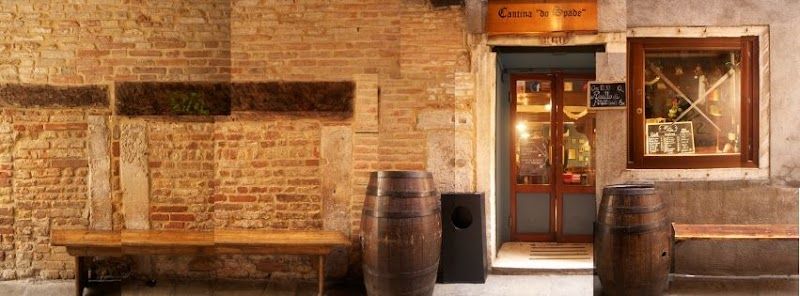
Alternatively, collect cicchetti from multiple bacari for a progressive lunch. Start at Do Mori, continue to Cantina Do Spade, finish at a third spot. This bacaro crawl approach lets you taste more varieties and observe how each establishment has its own character and clientele.
Afternoon: Final Venice Moments (2:30 PM)
Spend your last hours doing what feels right. Options include:
- Walking the quiet calli of Castello, getting pleasantly lost one final time
- Taking the Grand Canal Vaporetto Ride Line 1 from San Marco to the train station, watching Venice's greatest palazzi parade past your window
- Browsing the shops near Rialto Bridge (touristy but convenient for last-minute purchases)
- Sitting in San Marco square with overpriced coffee, people-watching as the late afternoon light turns the basilica's facade golden
If you're flying from Marco Polo, allow 90 minutes total: 30 minutes to get to Piazzale Roma, 20 minutes for the ACTV bus (EUR 8), plus airport arrival time. Water taxi (EUR 110-150) is faster but expensive unless you're sharing costs.
Practical Information for Your Venice 3 Days
Transportation Strategy
ACTV Travel Cards Make Financial Sense
Single vaporetto tickets cost EUR 9.5 for 75 minutes validity. The 72-hour travel card (EUR 40) pays for itself after 5 rides, which you'll easily take in three days. The card covers all ACTV water buses and land buses, including airport connections.
Buy travel cards at any ACTV office, not from ticket machines which often break down. The office at Piazzale Roma stays open until 8:00 PM.
Walking vs. Vaporetto Strategy
Venice measures roughly 3km end to end, walkable in 45 minutes if you knew where you were going (you don't). Use vaporetti for long distances, especially crossing between neighborhoods. Walk for exploration and short hops.
Avoid vaporetti during rush hours (7:30-9:00 AM, 4:00-6:30 PM) when locals commute to/from Mestre. You'll wait for multiple boats before squeezing aboard.
Where to Stay for This Itinerary
[/destinations/venice/neighborhoods/san-marco] puts you closest to major sights but costs EUR 250-500 per night for decent hotels. The constant tourist flow means noise until late.
[/destinations/venice/neighborhoods/dorsoduro] offers the best balance: close to sights, easier restaurant access, more locals, EUR 180-350 per night for good hotels.
[/destinations/venice/neighborhoods/cannaregio] costs less (EUR 120-250) and feels more authentic, but requires more vaporetto rides to reach San Marco attractions.
Avoid Mestre unless budget is absolutely critical. The 15-minute train ride plus walking time adds an hour daily to your sightseeing schedule.
Money-Saving Tips That Actually Work
Eat Standing at Bars Coffee costs EUR 1.5 standing, EUR 4-6 seated at the same establishment. Multiply by 6-8 coffees over three days.
Buy Water Bottles at Supermarkets Tourist shop water: EUR 3. Conad supermarket water: EUR 0.50. Venice has public water fountains (near Rialto Bridge, Campo Santa Margherita, others), but you need your own bottle.
Museum Pass Calculation The MUVE pass (EUR 35) covers 11 civic museums including Doge's Palace, Ca' Rezzonico, and Palazzo Ducale. It pays off if you visit 2+ major museums, but skip it if you're more interested in churches and neighborhoods.
Church Visits Most churches charge EUR 3 entry or accept the Chorus Pass (EUR 16 for 16 churches). San Marco Basilica, Santa Maria della Salute, and several others remain free.
What This Itinerary Doesn't Include
This venice 3 day guide skips several experiences that might interest specific travelers:
Torcello Island requires a full half-day and appeals mainly to history enthusiasts interested in Venice's Byzantine origins.
Gondola Rides (EUR 80-120 for 30-40 minutes) are romantic but expensive. The traghetto experience costs EUR 2 and shows you how gondolas actually function as transportation.
Glass-Making Classes on Murano cost EUR 50-150 but let you create your own piece to take home.
Opera at La Fenice requires advance booking and formal dress, but hearing Verdi in Venice's premier opera house creates memories worth the EUR 25-200 ticket prices.
For more detailed information about planning your visit, check our comprehensive Venice first-time guide and where to eat in Venice for restaurant recommendations beyond this itinerary.
Three days gives you enough time to understand why people fall in love with Venice despite its crowds, costs, and complications. You'll leave planning your return visit before your vaporetto reaches the airport.