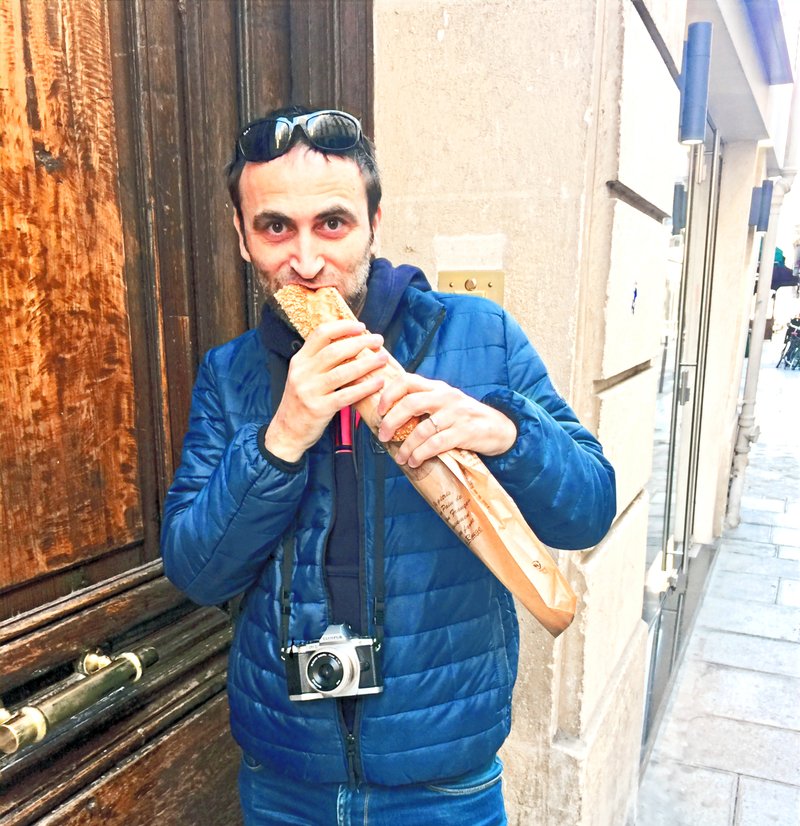
Valencia food tours promise to unlock the city's culinary secrets, but most deliver watered-down versions of what locals actually eat. The paella capital of Spain deserves better than generic walking tours that hit the same tired spots every group before you visited.
A proper valencia food tour should teach you why Valencians eat paella only at lunch, never dinner, and why adding chorizo is considered culinary heresy. It should take you to Mercado Central Valencia before the tourist buses arrive, not after. Most importantly, it should end at a restaurant where locals actually queue for tables.
We tested 12 different food tours in Valencia over six months, eating our way through everything from EUR 25 group walks to EUR 180 private chef experiences. Here's what actually delivers on its promises.
Valencia Food Tours That Get It Right
Devour Valencia Food Tours: The Market-First Approach
Devour Valencia runs the only valencia food tour that starts at 9:30 AM, which matters more than you think. By 10 AM, the Mercado Central Valencia vendor stalls hit their stride before tour groups clog the aisles. Their guides are Valencia natives who explain why jamón ibérico costs EUR 80 per kilogram while jamón serrano sells for EUR 25.
The three-hour tour costs EUR 75 per person and includes eight tastings across four locations. You'll sample horchata at a century-old horchatería, not a tourist café, and taste proper paella made with Bomba rice at a family-run restaurant in Ruzafa. The group size caps at 12 people, which means you can actually hear the guide's explanations over the market noise.
What makes it worth the price: The guide teaches you to identify fresh seafood at the market stalls and explains the difference between paella valenciana (the original with rabbit and chicken) and paella mixta (the tourist version with seafood added). Most tours skip this education entirely.
Valencia Tapas and Traditions: The Evening Alternative
Most valencia food spain experiences happen during lunch hours, but Valencia Tapas and Traditions runs evening tours when locals actually go bar-hopping. Their 7 PM start time aligns with Spanish dinner culture, and the EUR 65 price includes wine pairings that other tours charge extra for.
The tour covers five bars in Ciutat Vella and Ruzafa, with stops chosen based on where the guide's family actually drinks. You'll taste local wines from Utiel-Requena, not Rioja imports, paired with conservas from Ortiz rather than generic tinned seafood.
The verdict: This tour works better for travelers who want to understand Valencia's drinking culture alongside its food culture. The bar selection changes seasonally based on what's good, not what pays commission.
Context Travel's Valencia Market Tour: For Food Obsessives
Context Travel runs the most educational valencia food market experience, though their EUR 95 price reflects the expertise level. Their guides include food historians and professional chefs who can explain why Valencia's oranges taste different from Seville's (different soil composition and irrigation methods).
The tour spends 90 minutes in Mercado Central Valencia alone, which other tours rush through in 30 minutes. You'll learn to identify the three types of Spanish paprika by smell and understand why authentic paella never includes peas (they weren't available when the dish was invented in the 18th century).
Worth it if: You care more about understanding Valencia's food culture than just tasting it. The educational component justifies the premium price for serious food travelers.
Paella Workshop Tours: Learning by Doing
Paella Club: The Local Instructor Advantage
Paella Club operates the only valencia food tour that teaches you to cook paella in a private home rather than a commercial kitchen. The EUR 95 experience includes market shopping with your host, a two-hour cooking class, and lunch with wine pairings.
Your instructor lives in Valencia and cooks paella for their family weekly, which matters because technique details make the difference between mediocre and excellent results. You'll learn why the rice layer should never exceed 3 centimeters thick and how to achieve the coveted socarrat (crispy bottom layer) without burning the rice.
The practical value: You leave with printed recipes, shopping lists, and the confidence to recreate authentic paella at home. Other cooking tours provide generic instruction cards that skip crucial timing details.
Valencia Chef Experience: Restaurant-Quality Training
Valencia Chef Experience runs professional-level paella workshops in a working restaurant kitchen when it's closed to regular diners. The EUR 120 price includes ingredients for two types of paella: traditional valenciana and seafood paella.
The instructor is a working chef who teaches professional techniques rather than simplified home-cooking versions. You'll use proper paella gas burners that reach higher temperatures than home stovetops and learn to adjust cooking times accordingly.
Best for: Experienced home cooks who want restaurant-level training. Beginners might find the pace challenging.
Market-Focused Food Tours
The Real Mercado Central Experience
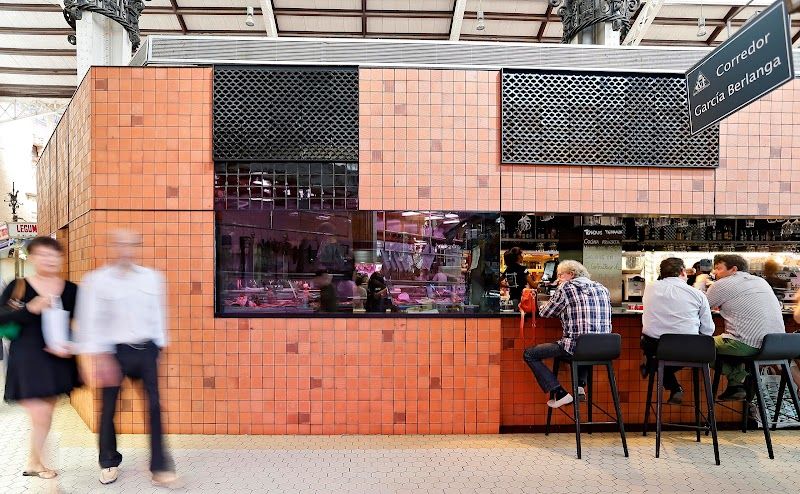
Most valencia food places tours spend 20 minutes at Mercado Central Valencia taking photos of the modernist architecture. Mercado Central Tours dedicates two full hours to vendor interactions and product education.
Their EUR 45 tour includes tastings from eight different vendors: jamón ibérico, Manchego cheese aged in natural caves, Spanish olives from five different regions, and seasonal fruits that change monthly. The guide translates vendor conversations so you understand why certain products cost more (traditional production methods, specific regional origins, aging processes).
The advantage: You learn to shop like locals do, which means better ingredients for the rest of your Valencia stay. The guide provides a printed map of recommended vendors with specific product suggestions.
Mercado de Ruzafa Insider Tour
Mercado de Ruzafa attracts fewer tourists than Central Market, which means vendors have time for detailed conversations about their products. This neighborhood market tour costs EUR 35 and includes tastings from family-run stalls that have operated for generations.
You'll taste local specialties that rarely appear in restaurant menus: fresh almonds in spring, persimmons in fall, and year-round access to horchata ingredients so you can make the drink at home. The market's smaller scale allows for more personal interactions with vendors.
Why it works: The intimate setting feels more like shopping with a local friend than following a tour guide. Groups cap at six people maximum.
Street Food and Casual Eating Tours
Valencia Bites: The Anti-Tourist Route
Valencia Bites deliberately avoids restaurants that appear in guidebooks, focusing instead on places where construction workers eat lunch and office workers grab afternoon snacks. Their EUR 55 tour includes six stops for bocadillos, empanadas, and other casual foods that locals consider everyday eating.
You'll visit a bakery that's supplied the same neighborhood for 40 years, taste empanadas filled with seasonal vegetables, and drink coffee at bars where standing room costs half what sitting costs. The guide explains these pricing customs and teaches you to order like locals do.
The reality check: This tour shows you how Valencians actually eat daily, not just special occasion foods. It's more authentic but less Instagram-worthy than restaurant-focused tours.
Late Night Eats: Valencia After Dark
Valencia's late-night food culture centers around post-club snacks and early morning pastries. This 11 PM tour costs EUR 40 and covers places that serve food until 2 AM, when other restaurants have closed.
You'll experience bocadillo stands near university areas, 24-hour churrerías that cater to night shift workers, and bars that serve simple plates alongside drinks. The tour explains why Valencians eat dinner so late (historical work schedules adapted to hot summers) and how this affects the city's food rhythms.
For night owls only: This tour requires stamina and works best for travelers who want to experience Valencia's after-hours culture.
Neighborhood-Specific Food Tours
El Cabanyal Seafood Trail
El Cabanyal maintains its fishing village character despite being absorbed into Valencia over a century ago. This seafood-focused tour costs EUR 65 and includes five stops at restaurants where fishing families still eat.
You'll taste pescaíto frito (fried small fish) at bars that have served the same families for three generations, learn to eat boquerones (white anchovies) properly, and understand why certain seafood dishes only appear on specific days (based on fishing boat schedules).
The tour includes a stop at Casa Montaña, Valencia's most famous wine bar, where you'll taste local wines paired with conserved seafood. The final stop is La Pepica, the beachfront restaurant that claims to have invented paella.
Worth the travel time: El Cabanyal sits 20 minutes by metro from the city center, but the seafood quality justifies the journey. This neighborhood offers Valencia's most authentic maritime food culture.
Ruzafa Food Revolution
Ruzafa transformed from working-class neighborhood to Valencia's food innovation center over the past 15 years. This EUR 60 tour traces that evolution through six restaurants that represent different phases of the area's culinary development.
You'll start at traditional bars that predate the neighborhood's gentrification, visit fusion restaurants that blend Valencian ingredients with international techniques, and end at cocktail bars that use local spirits and seasonal fruits.
The guide explains how rising rents changed the neighborhood's food landscape and why certain traditional restaurants survived while others closed. This social context makes the food tastings more meaningful.
Best for understanding: How Valencia's food scene evolved beyond traditional paella and horchata. The tour shows the city's culinary future, not just its past.
What to Avoid: Valencia Food Tour Red Flags
Generic Walking Tours with Food Stops
Tours that promise "10 tastings in 3 hours" typically serve tiny portions at tourist-oriented restaurants. These experiences prioritize quantity over quality and rarely teach you anything useful about Valencia food culture.
The giveaway signs include stops at restaurants with multilingual menus posted outside and guides who can't answer specific questions about ingredients or preparation methods.
Hotel-Sponsored Food Tours
Many Valencia hotels offer discounted food tours through partner companies. These tours typically visit restaurants that pay commission to the hotel, not necessarily places locals recommend.
The food quality varies wildly, and the educational component often disappears in favor of sales pitches for the partner restaurants.
Practical Valencia Food Tour Planning
Timing Your Tour
Spanish meal schedules affect when different tours run and what you'll experience. Valencia food tours work best when they align with local eating patterns:
- Morning market tours (9-11 AM): Vendors are fresh, crowds are manageable, and you'll see locals doing their daily shopping
- Lunch tours (1-4 PM): The only time restaurants serve paella, and when locals take their main meal
- Evening tapas tours (7-10 PM): When locals bar-hop and restaurants serve their best small plates
Getting Around Between Stops
Most valencia food tour routes stay within walking distance, but tours that include El Cabanyal require metro travel. A Tourist Travel Card for 24 hours costs EUR 4.9 and covers all public transport if your tour doesn't include transportation.
If you're planning to visit multiple markets after your tour, the 72-hour Tourist Travel Card at EUR 12.6 provides better value than buying individual metro tickets at EUR 1.5 each.
Dietary Restrictions Reality Check
Valencia's traditional food culture doesn't accommodate dietary restrictions easily. Vegetarian options exist (paella with vegetables instead of meat), but vegan choices are limited to nuts, fruits, and some prepared dishes.
Gluten-free travelers face challenges because many local specialties contain wheat. Inform tour companies about restrictions when booking, but understand that traditional Valencian cuisine wasn't designed around dietary limitations.
Seasonal Considerations
Valencia's food culture changes with seasons more than most cities realize. Orange season (December-March) affects everything from fresh juices to dessert preparations. Summer brings different seafood varieties and changes paella ingredients.
Tours that adapt their routes seasonally provide better value than those that serve identical menus year-round. Ask tour operators about seasonal adjustments when comparing options.
Beyond the Tour: Continuing Your Valencia Food Education
The best valencia food tours provide tools for exploring independently after the guided experience ends. Look for tours that include printed vendor recommendations, seasonal eating guides, and specific product suggestions for continued exploration.
Many tour guides offer to connect participants with their favorite restaurants' reservation systems, which provides access to places that don't take walk-in diners. This ongoing relationship justifies premium tour prices for serious food travelers.
Making Connections
Valencia's food scene operates through personal relationships more than online reviews. Tour guides who introduce you to vendors and restaurant owners provide networking opportunities that independent exploration can't match.
These connections often lead to invitations to private tastings, seasonal celebrations, and family meals that represent Valencia's authentic food culture beyond commercial offerings.
For travelers planning extended stays or return visits to Valencia, these relationships transform food tours from one-time experiences into long-term cultural education. The initial tour investment pays dividends through ongoing access to insider food knowledge and exclusive dining opportunities that make subsequent Valencia visits exponentially more rewarding.