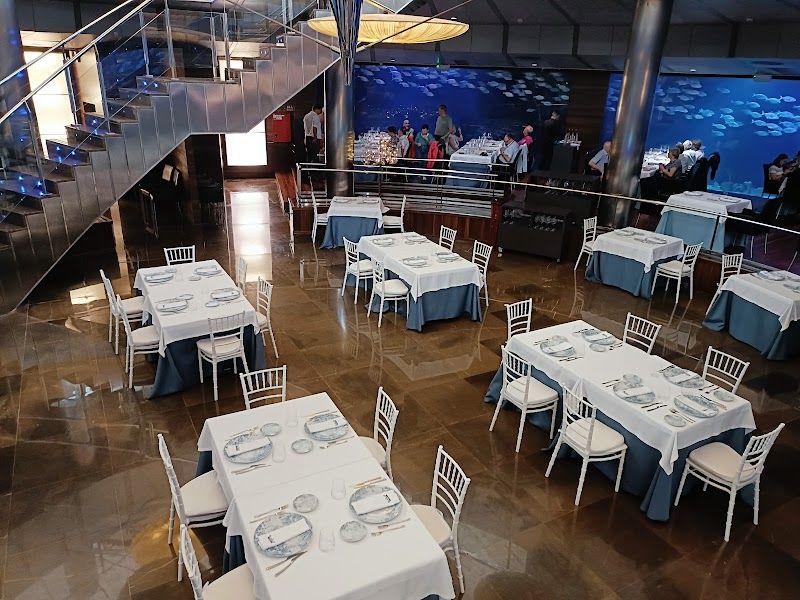
Valencia food spots worth visiting aren't always the ones with tourists lined up outside. The city that invented paella has a complex relationship with its most famous export - locals rarely eat it for dinner, never order it with chorizo, and know exactly which beach restaurants make it properly over wood fire. But Valencia's food scene extends far beyond rice dishes into a world of century-old taverns, avant-garde tapas bars, and neighborhood markets where vendors have been selling the same specialties for decades.
The real valencia food recommendations come from understanding how Valencianos eat. Lunch happens between 2-4pm and often centers around a proper paella valenciana with rabbit, chicken, green beans, and garrafon beans. Dinner starts at 9pm with small plates and local wines. The horchata with fartons ritual takes place at dedicated horchatarias, not cafes. And the best eating happens in neighborhoods like Ruzafa and El Cabanyal, not the tourist-heavy Ciutat Vella.
Where to Find Authentic Paella in Valencia
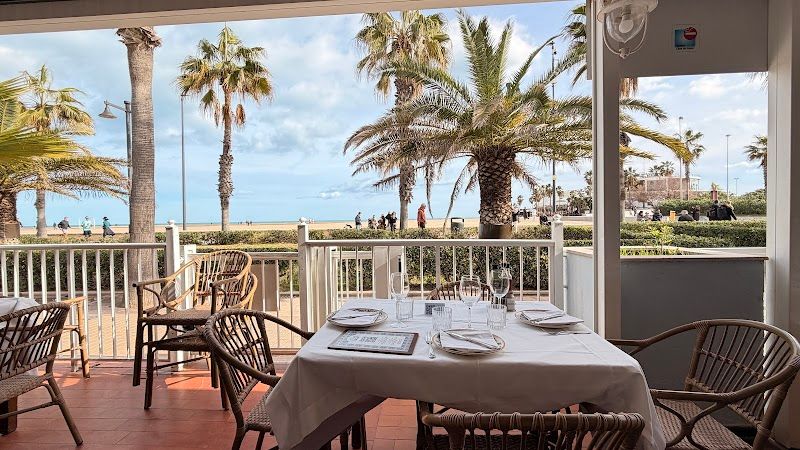
La Pepica on Playa de las Arenas remains the benchmark for traditional paella, despite its fame. Ernest Hemingway ate here, but more importantly, so do local families every Sunday. La Pepica serves paella valenciana for EUR 16 per person (minimum two people) cooked over orange wood fire in massive steel pans. The socarrat - the crispy rice layer at the bottom - develops perfectly here, and the restaurant refuses to make paella with chorizo or seafood mixed together.
The beachfront location at El Cabanyal means you can walk off lunch along the sand, but expect crowds during peak lunch hours (2-4pm). Book ahead or arrive by 1:30pm to secure a table with sea views.
Casa Roberto at Carrer del Professor Beltrán Báguena 5 serves paella to locals who've been coming for 30 years. The family-run restaurant near Mercado de Ruzafa makes paella for EUR 14 per person with the proper socarrat and none of the tourist-friendly modifications. They open at 1pm for lunch service only and sell out regularly by 3:30pm.
For a more upscale paella experience, Ricard Camarena Restaurant elevates the traditional dish with premium ingredients while respecting the fundamentals. Their paella costs EUR 28 per person but uses saffron from Teruel, organic chicken from nearby farms, and bomba rice from the Albufera wetlands where the grain originated.
Valencia's Best Traditional Taverns and Bodegas
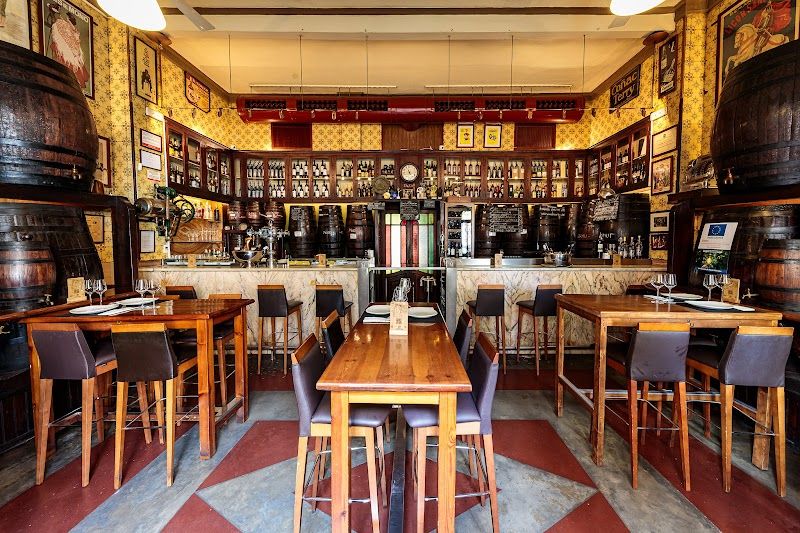
Casa Montaña on Calle de José Benlliure 69 has operated as a wine bar since 1836. Casa Montaña specializes in natural wines from small Spanish producers paired with conservas (high-quality tinned seafood) and jamón ibérico. The zinc bar, wooden barrels, and handwritten wine list create an atmosphere unchanged for decades. A glass of wine costs EUR 3-6, and a selection of conservas runs EUR 8-15.
The tavern attracts food writers, local chefs, and wine enthusiasts who appreciate the owner's curated selection of over 600 Spanish wines. Arrive early (opens at 7pm) to secure space at the bar where the best conversation happens.
El Rall at Carrer de Taquígraf Garriga 12 serves traditional Valencian dishes in a setting that feels like eating in someone's grandmother's house. The menu changes based on seasonal availability, but expect dishes like espencat (roasted pepper and eggplant), all i pebre (garlic and paprika sauce with eel or cod), and fideuà (paella made with short noodles instead of rice). Main dishes cost EUR 12-18.
Bodega La Pascuala on Plaza del Cedro operates as both wine shop and restaurant, with tables set among the wine racks. The kitchen serves traditional tapas like boquerones en vinagre (marinated anchovies) for EUR 4, along with local cheeses and charcuterie. A bottle of Valencia's local wine costs EUR 8-12.
The Ruzafa Food Revolution
Ruzafa transformed from working-class neighborhood to Valencia's most dynamic food district in less than 15 years. The area around Mercado de Ruzafa now hosts restaurants that rival Barcelona's best, often at lower prices.
Karak at Carrer del Cadis 22 serves modern interpretations of Middle Eastern cuisine. Chef Begoña Rodrigo combines Lebanese techniques with local Valencia ingredients like bomba rice and Mediterranean seafood. The tasting menu costs EUR 45 and changes monthly based on market availability. Book two weeks ahead for dinner service.
Canalla Bistro on Carrer de Comte Altea 35 applies Asian techniques to Spanish ingredients. The duck gyoza with Valencian orange costs EUR 12, while the Korean-style octopus with Spanish paprika runs EUR 16. The restaurant accepts walk-ins but expect a 30-45 minute wait during peak dinner hours.
Bar Nou at Carrer de Sueca 44 looks unremarkable from outside but serves some of Valencia's best modern tapas. The menu changes weekly, but standouts include croquettes made with local seafood (EUR 8 for four pieces) and grilled vegetables from nearby farms (EUR 6-10 per plate). Wine by the glass costs EUR 4-7.
The Mercado de Ruzafa itself deserves a visit for breakfast or light lunch. Dulce de Leche inside the market serves excellent coffee (EUR 1.80 for espresso) and pastries, while Frutas Ruzafa offers fresh juice combinations for EUR 3-4.
Central Market and Ciutat Vella Eating
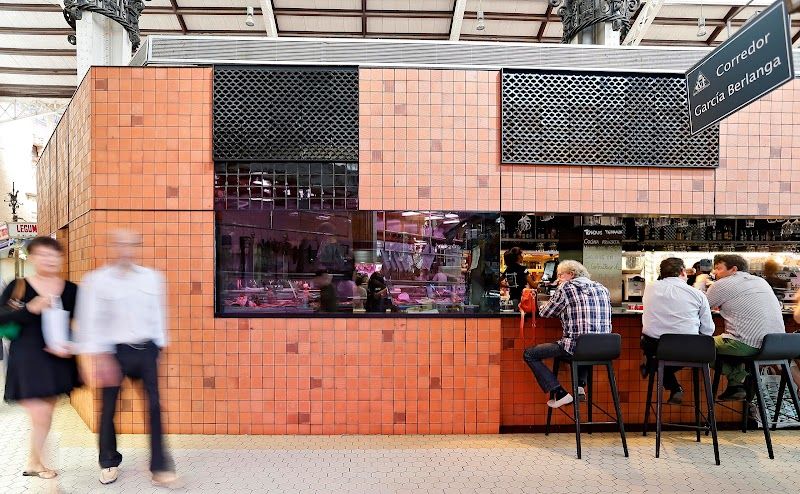
Mercado Central functions as both tourist attraction and working market where locals shop for daily ingredients. The Art Nouveau building houses over 300 stalls selling everything from fresh seafood to jamón ibérico.
Central Bar inside the market serves bocadillos (sandwiches) made with ingredients purchased from neighboring stalls. Central Bar prepares jamón ibérico sandwiches for EUR 6-8, while their tortilla española (Spanish omelet) costs EUR 4 per slice. The bar opens at 8am and serves until the market closes at 3pm.
Ostras y Almejas at stall 35 specializes in fresh shellfish. Order a dozen oysters for EUR 15 or clams prepared a la marinera for EUR 12. The vendor provides lemons and hot sauce, and most customers eat standing at high tables around the stall.
Outside the market, Horchatería Santa Catalina at Plaza de Santa Catalina maintains Valencia's horchata tradition. Horchatería Santa Catalina serves horchata made from tiger nuts grown in nearby Alboraya for EUR 3.50 per glass, accompanied by fartons (sweet bread sticks) for EUR 2. The shop has operated since 1845 and refuses to modernize the recipe or presentation.
Café Madrid on Calle de Abadía San Martín offers traditional Valencian breakfast. Their coffee costs EUR 1.20, and the bocadillo with tomato and olive oil runs EUR 2.50. Local office workers pack the narrow space between 8-10am.
El Cabanyal's Seaside Dining
The former fishing village of El Cabanyal offers Valencia's best seafood restaurants within walking distance of the beach. The neighborhood maintains its maritime character despite recent gentrification.
La Más Bonita at Carrer dels Ànecs 18 specializes in rice dishes beyond paella. Their arroz a banda (rice cooked in fish stock) costs EUR 14 per person, while the arroz negro (black rice with squid ink) runs EUR 16. The restaurant sources seafood directly from local fishermen who dock at nearby Puerto de Valencia.
Casa Carmela on Avenida Mediterráneo serves paella in a casual beachfront setting. Unlike the more famous La Pepica, Casa Carmela caters primarily to local families and charges EUR 13 per person for paella valenciana. The restaurant also offers seafood paella for EUR 17 per person, though purists argue this isn't authentic.
All i Pebre at Carrer de la Reina 126 takes its name from Valencia's traditional garlic and paprika sauce. The restaurant serves all i pebre with fresh eel for EUR 18 or with cod for EUR 15. The dish pairs excellently with local white wines from Utiel-Requena denomination.
Ubik Cabanyal operates as both bookstore and cafe. Ubik Cabanyal serves specialty coffee (EUR 2.50 for cappuccino) and light meals like avocado toast (EUR 6) in a space lined with books in multiple languages. The cafe attracts the neighborhood's growing international community.
Modern Valencia Gastronomy
Valencia's contemporary restaurant scene builds on traditional foundations while incorporating international techniques and ingredients.
Ricard Camarena Restaurant earned a Michelin star for its interpretation of Valencian cuisine. The tasting menu costs EUR 120 and features dishes like rice with duck and turnip tops, or red prawns with garlic and parsley. Book at least one month ahead.
Quique Dacosta operates his flagship restaurant in nearby Dénia but opened El Poblet in Valencia as his more accessible outpost. The menu costs EUR 85 and focuses on modern presentations of traditional Spanish dishes. The restaurant accepts bookings two weeks in advance.
Saiti at Carrer del Doctor Sumsi 4 serves Japanese-Spanish fusion cuisine. Their chirashi bowl with local fish costs EUR 18, while the gyoza made with jamón ibérico runs EUR 14. The restaurant fills quickly during lunch service (1:30-4pm).
La Salita on Carrer de Dénia 11 earned recognition for chef Begoña Rodrigo's modern Valencian cooking before she opened Karak. The restaurant continues serving updated traditional dishes like deconstructed paella (EUR 22) and modern interpretations of all i pebre (EUR 16).
Neighborhood Markets and Food Halls
Beyond Central Market, Valencia's neighborhood markets provide insight into local eating habits and offer excellent casual dining options.
Mercado del Cabanyal serves the seaside neighborhood with fresh seafood and produce. Mercat del Cabanyal houses several small restaurants inside the market building. Bar Pepica (no relation to the famous restaurant) serves excellent seafood rice dishes for EUR 10-12 per person.
Mercado de Colón has been converted into a gourmet food court. Habitual serves craft cocktails (EUR 8-12) and small plates (EUR 6-14), while Pantagruel offers high-end charcuterie and cheese plates (EUR 12-20). The market stays open until midnight, unusual for Valencia.
Mercado de Russafa (the Valencian spelling of Ruzafa) operates as a traditional neighborhood market during mornings and transforms into a social eating space during afternoons. Bar El Pilar inside serves traditional tapas like patatas bravas (EUR 4) and grilled sardines (EUR 6).
When and How to Eat Like a Local
Valencia food culture follows specific rhythms that visitors often miss. Breakfast happens early (7-9am) and consists of coffee with a small pastry or bocadillo. Horno Santo Tomás at multiple locations serves excellent croissants (EUR 1.50) and coffee (EUR 1.20).
Lunch begins at 2pm and represents the day's main meal. Most restaurants offer menu del día (fixed-price lunch) for EUR 12-18, including two courses, dessert, and wine or water. Casa Cesáreo near the Cathedral serves traditional menu del día featuring seasonal ingredients.
The afternoon merienda (snack) centers around horchata with fartons, particularly during hot weather. Valencia's horchatarias specialize in this combination, with the drink providing cooling relief from summer heat.
Dinner starts late (9-10pm) and typically involves multiple small plates shared among the group. Wine flows freely, with local varieties from nearby denominations costing less than imports.
Sunday lunch revolves around paella, preferably eaten with extended family at beachfront restaurants. This tradition brings together multiple generations over a shared pan of rice, extending the meal for several hours.
Practical Valencia Food Shopping
For visitors staying in apartments or preparing picnics, Valencia offers excellent food shopping beyond the tourist-focused Central Market.
Supersano at multiple locations stocks organic and local products. Their jamón ibérico costs EUR 28 per kg, while local cheeses range from EUR 12-25 per kg. The shops also carry wines from small Valencia producers.
Froiz provides budget-friendly grocery shopping with locations throughout the city. Basic ingredients like olive oil (EUR 3 per liter), tomatoes (EUR 2 per kg), and bread (EUR 1 per loaf) cost significantly less than tourist-area shops.
Lidl offers the lowest prices on staples, with locations near most neighborhoods. Their weekly Spanish products section features quality jamón, cheese, and wine at competitive prices.
For the best produce, shop at neighborhood markets during morning hours when selection is freshest and prices are lowest. Vendors typically offer samples of fruit and provide cooking suggestions for unfamiliar vegetables.
Valencia's food scene rewards curiosity and willingness to eat when and where locals do. The best valencia food spots often occupy unremarkable buildings on residential streets, distinguished only by the quality of ingredients and the expertise of cooks who learned their craft from previous generations. Skip the restaurants with English menus near major tourist sites and instead follow the crowds of Valencianos heading to lunch at 2pm or gathering for evening tapas at 9pm.
The city's culinary identity extends far beyond paella into a complex relationship with the sea, the fertile surrounding farmland, and centuries of cultural exchange. Understanding this context transforms a meal from simple sustenance into a window onto Valencia's character, priorities, and values. The best eating experiences happen when you abandon preconceptions about Spanish food and allow Valencia's unique flavors to tell their own story.