I moved to Strasbourg three years ago expecting a quaint French city with half-timbered houses and decent wine. What I found was something far more complex and interesting than any Strasbourg France travel blog had prepared me for. This isn't another guide telling you to visit the cathedral and eat tarte flambée (though you should do both). This is what it's actually like to experience Strasbourg beyond the postcard images.
Why Strasbourg Feels Different From Other French Cities
Most French cities have a clear identity. Lyon is gastronomic, Nice is Mediterranean, Paris is... Paris. Strasbourg refuses to be categorized so neatly. Walk down Rue du Maroquin in the morning and you'll hear French, German, English, and Alsatian dialect within two blocks. The street signs are bilingual, the architecture swings between Gothic French and Germanic timber framing, and the food menu reads like a negotiation between two countries.
This cultural confusion is Strasbourg's strength. The city has been passed between France and Germany so many times that it stopped trying to be definitively either. Instead, it became the best of both. You get French café culture with German efficiency, French wine regions within 30 minutes and German Christmas market traditions that predate most European capitals.
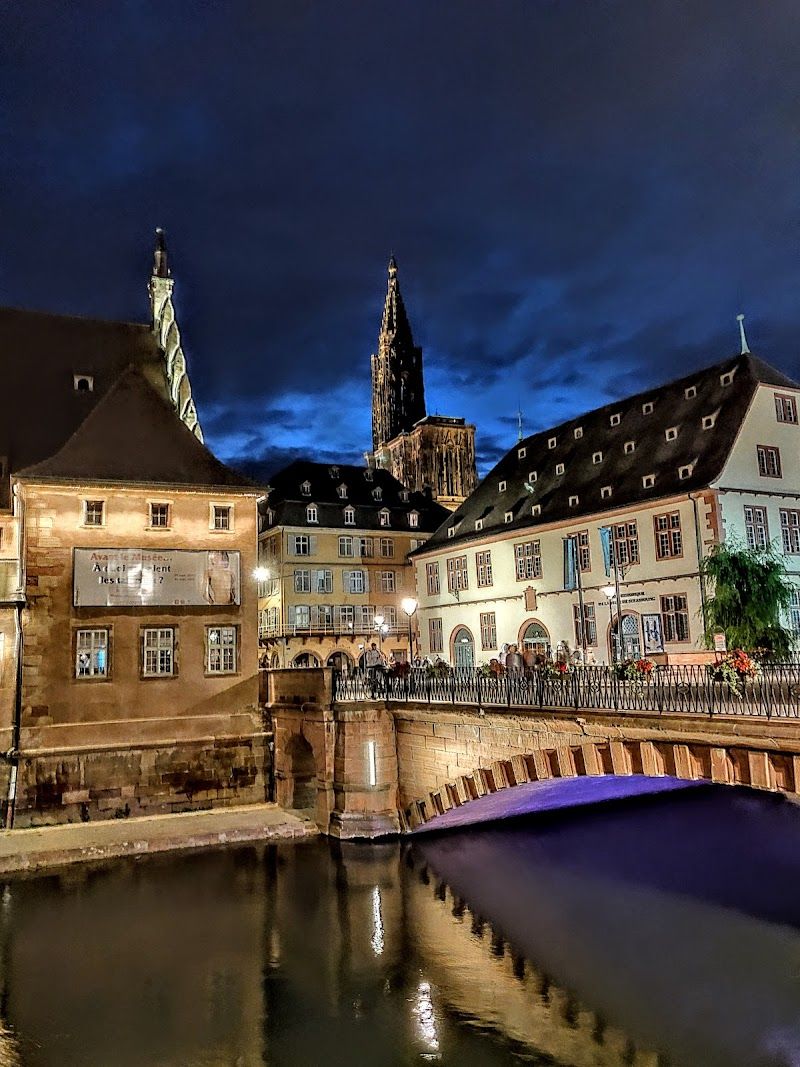
The Petite France district exemplifies this perfectly. Yes, it's called "Little France," but the half-timbered houses look distinctly Germanic, the canals feel Dutch, and the entire quarter was actually built by German craftsmen in the 16th century. The tourism industry calls this "European charm." I call it honest confusion that somehow works.
What Living Here Actually Teaches You
After relocating here, my Strasbourg travel experience shifted from weekend visitor to daily resident. The things that initially impressed me as a tourist - the Gothic cathedral, the European Parliament buildings, the picture-perfect Petite France quarter - became background scenery. What emerged were the details that make a city livable rather than just visitable.
The food scene extends far beyond winstubs. Yes, traditional Alsatian cuisine matters here. Tarte flambée costs EUR 8-14 and tastes better than pizza when done properly at places like Au Pont Corbeau. But Strasbourg also has excellent Vietnamese pho (thanks to a significant Vietnamese community), solid Turkish döner shops, and increasingly good specialty coffee. The diversity reflects the city's international population - between the European institutions, the university, and cross-border workers from Germany, this feels less provincial than many French cities twice its size.
The transportation actually works. The tram system covers everywhere you need to go for EUR 1.8 per trip or EUR 4.6 for 24-hour unlimited access. More importantly, everything is walkable. My daily routine involves walking from Krutenau to the Grande Île via Place Kléber, and it never takes more than 25 minutes on foot. The scale works for humans, not cars.
The weather is legitimately miserable for four months. This Strasbourg honest review wouldn't be complete without mentioning that December through March involves gray skies, persistent drizzle, and temperatures that hover around freezing. The famous Christmas markets help in December, but January and February test your commitment to this city. Locals cope by embracing hygge-adjacent activities: long meals, wine tastings, museum visits, and indoor cultural events.
The Neighborhood Reality Check
Tourists see Strasbourg as the Grande Île historic center plus maybe Petite France. Living here reveals four distinct neighborhoods, each with different personalities and practical considerations.
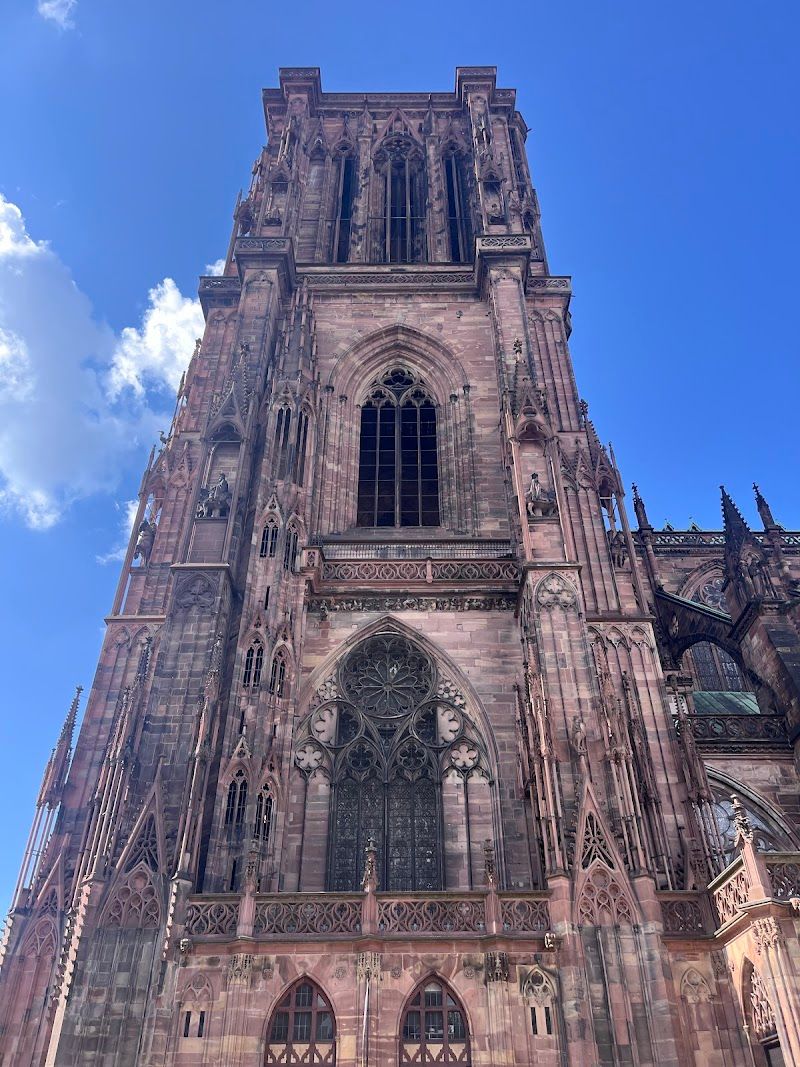
Grande Île & Cathedral area works best for first-time visitors who want everything walkable. The Strasbourg Cathedral dominates the skyline, the shopping streets connect logically, and restaurants stay open later for tourist schedules. But rent costs 20% more than other areas, parking is impossible, and weekend crowds make simple errands annoying.
Petite France looks perfect in photos but living there means dealing with tour groups outside your window from 9 AM to 6 PM, April through October. The canals and half-timbered houses at Place du Marché aux Cochons de Lait create Instagram-worthy backdrops, but grocery shopping requires crossing into other neighborhoods. Choose this for short-term stays, not long-term living.
European Quarter gets dismissed as sterile and bureaucratic, but it offers practical advantages that matter for longer stays. The Parc de l'Orangerie provides actual green space (not just historic squares), restaurants cater to international tastes, and the tram connections work efficiently for both city center and airport access. The architecture may lack medieval character, but the neighborhoods function better for daily life.
Krutenau & University area feels like actual France rather than theme-park Alsace. The Jardin des Deux Rives connects directly to Germany via pedestrian bridge, the student population keeps restaurant prices reasonable, and the morning markets sell actual groceries rather than tourist souvenirs. This is where I'd recommend staying for anyone spending more than three days.
The Food Truth Beyond Tarte Flambée
Every Strasbourg food guide mentions tarte flambée, choucroute garnie, and Alsatian wine. These matter, but they represent only one layer of what makes eating here interesting.
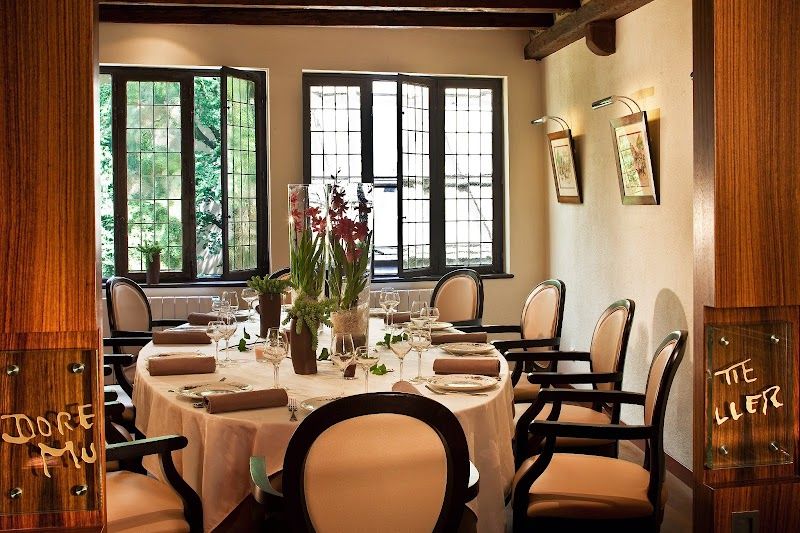
Winstub culture is real but selective. Traditional wine taverns like Chez Yvonne and Le Tire-Bouchon serve authentic Alsatian cuisine in wood-paneled rooms that haven't changed since the 1800s. But half the "traditional" winstubs downtown cater primarily to tourists with inflated prices and simplified menus. The authentic ones require reservations, serve massive portions designed for manual laborers, and close by 9 PM because that's when locals finish dinner.
The wine scene goes deeper than Riesling. Yes, Alsatian Riesling and Gewürztraminer cost EUR 4-8 per glass at wine bars and pair excellently with local food. But Strasbourg also sits at the intersection of French wine culture and German beer traditions. Local beer costs EUR 4.5-7 per pint, and several microbreweries have opened in the past three years. The wine shops on Rue des Tonneliers sell excellent Burgundy and Champagne alongside local bottles.
Market food beats restaurant food for daily eating. The Saturday market at Place du Marché aux Bœufs offers better cheese, bread, and charcuterie than most restaurants at half the price. Fresh pretzels cost EUR 2.5-5, local honey varieties reflect the Vosges mountain terroir, and the oyster vendors know their product better than any brasserie server. For visitors staying more than two days, building meals around market ingredients rather than restaurant reservations provides better value and more authentic flavors.
What Actually Surprises Visitors
The German influence runs deeper than architecture. Shop opening hours follow German patterns (closed Sundays, limited Monday mornings), restaurant service feels more efficient than typical French standards, and business conversations happen in a mix of languages depending on who's present. Cross-border workers from Baden-Württemberg shop at Strasbourg supermarkets because French prices on certain goods beat German equivalents.
The European Union presence affects daily life. This isn't just about seeing the European Parliament building. EU session weeks bring 750 parliamentarians plus staff, which means restaurant reservations become harder, hotel prices spike, and certain neighborhoods feel noticeably more international. The economic impact spreads beyond politics - translation services, international law firms, and diplomatic residences create job opportunities that don't exist in similar-sized French cities.
The scale works better than expected. Most visitors worry that Strasbourg will feel too small after Paris or Lyon. In practice, the compact size eliminates commute stress while maintaining urban amenities. Walking from the southernmost point (Jardin des Deux Rives) to the northern edge (Parc de l'Orangerie) takes 45 minutes and covers most of what matters. Everything else connects by tram within 15 minutes.
Border proximity creates daily conveniences. Kehl, Germany sits 10 minutes across the Rhine via tram or bike. German supermarkets offer different product selections, sometimes better prices, and definitely better beer varieties. Many Strasbourg residents shop groceries in France, electronics in Germany, and compare prices across borders for major purchases. The European Union's single market becomes tangible rather than abstract.
The Seasonal Reality
My Strasbourg travel experience varies dramatically by season in ways that surprise even residents.
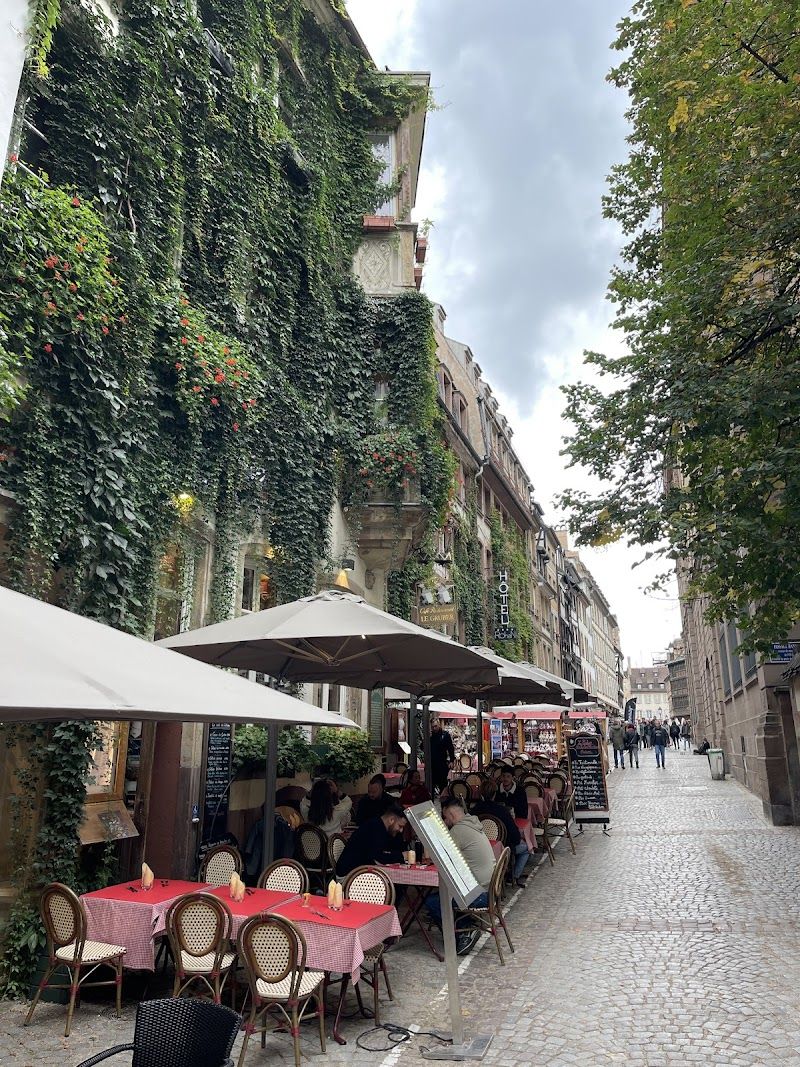
Summer (June-August) transforms the city into an outdoor restaurant. Every square becomes a terrace, the Parc de la Citadelle fills with picnickers, and boat tours on the River Ill provide actual value rather than just tourist obligation. The downside: accommodation prices peak, restaurant reservations become essential, and the historic center feels crowded from morning until evening.
Winter (December-February) splits into two experiences. December offers the famous Christmas markets that justify Strasbourg's "Capital of Christmas" marketing. Mulled wine costs EUR 4-6 per cup, the cathedral illumination creates genuine atmosphere, and the market stalls sell actual crafts rather than mass-produced souvenirs. January and February, however, test your tolerance for gray weather and early sunsets. Locals adapt by embracing cozy indoor activities and planning spring trips elsewhere.
Spring and autumn provide the best balance for both visiting and living here. Restaurant terraces reopen without summer crowds, the Barrage Vauban panoramic terrace offers clear views without winter weather, and accommodation prices drop to reasonable levels. October particularly offers excellent conditions: warm enough for outdoor dining, beautiful enough for walking tours, but cool enough that crowds thin out.
Practical Insights After Three Years
Budget EUR 25-40 per day for food if you want to eat well without splurging. This covers breakfast pastries (EUR 1.5-3.5), lunch at a decent brasserie (EUR 12-18 for a set menu), and dinner with wine (EUR 25-40 for 2-3 courses). Tourist restaurants around the cathedral charge 30% more for equivalent quality.
Transportation costs stay minimal with the EUR 4.6 daily pass covering unlimited tram and bus access. Most visitors walk everywhere anyway, but the pass provides insurance against rain or fatigue. Taxis from the airport cost EUR 25-35, while the airport shuttle bus costs EUR 4.4 but requires a tram connection.
Museum access makes sense only if you plan to visit multiple sites. The Strasbourg Museum Pass costs EUR 12 for annual access to all 11 city museums, but individual admission runs EUR 6.5-7 per museum. The Strasbourg City Pass at EUR 28 for three days includes museums, boat tour, and public transport, but only pays off if you actually use everything included.
Accommodation location matters more than star rating. Budget hotels in Krutenau (EUR 65-90 per night) offer better value than mid-range properties near the cathedral (EUR 110-180). The tram system means you're never more than 15 minutes from any destination, so prioritize neighborhood character over proximity to tourist sites.
This Strasbourg travel story continues to evolve after three years of residency. The city reveals new layers gradually rather than overwhelming visitors with obvious attractions. It rewards slow discovery, seasonal revisits, and willingness to engage with its cultural complexity rather than seeking simple answers about whether it's French or German. The answer, as with most interesting places, is both and neither.