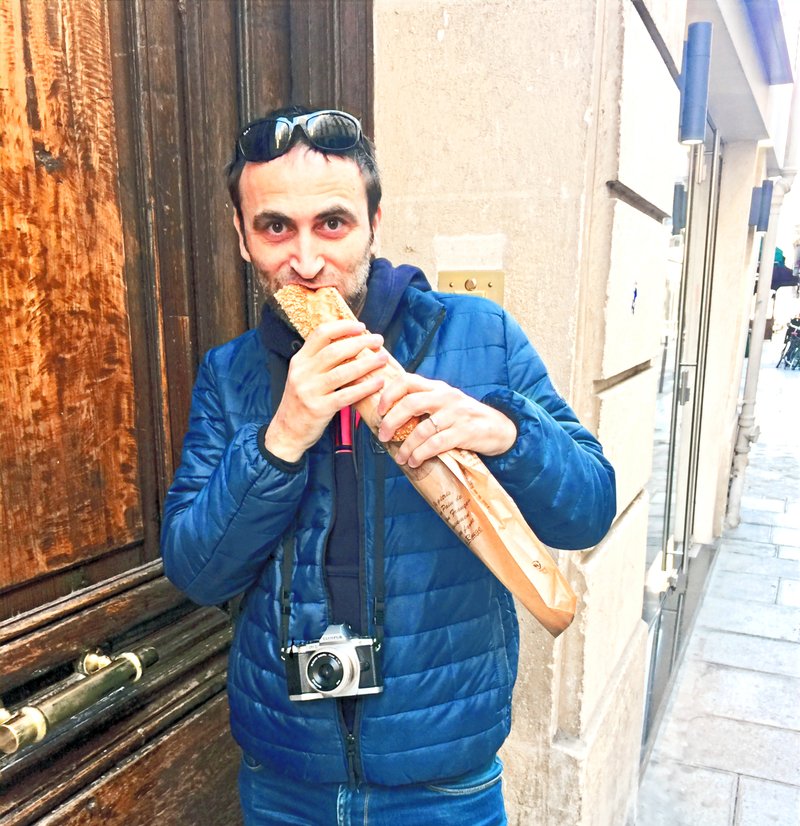
Strasbourg has changed hands between France and Germany so many times that its food stopped choosing sides and became something entirely its own. The result is Alsatian cuisine - a collection of Strasbourg food specialties that combines French technique with German heartiness, creating dishes you won't find anywhere else in the world.
This border-crossing culinary identity isn't just historical curiosity. It's the reason you can eat tarte flambée (EUR 8-14) in wood-panelled winstubs that look unchanged since the 1800s, or discover why choucroute garnie became the ultimate cold-weather comfort food. Strasbourg traditional food reflects centuries of cultural exchange, creating a cuisine that's both familiar and completely unique.
Here are 12 essential Strasbourg local dishes that define the city's culinary character, along with exactly where to find them and what you should expect to pay.
The Essential Strasbourg Food Specialties
Tarte Flambée (Flammekueche)
The verdict: This is Strasbourg's signature dish, and it's better than pizza.
Tarte flambée starts with paper-thin dough topped with crème fraîche, caramelized onions, and lardons (bacon pieces). The combination sounds simple until you taste how the smoky bacon fat mingles with sweet onions and tangy cream. Traditional versions cost EUR 8-14 at most winstubs, though tourist-focused restaurants near Strasbourg Cathedral charge more for the same quality.
Where to get it: Chez Yvonne serves the most authentic version in Petite France. Their tarte flambée arrives bubbling from a wood-fired oven with edges that crackle when you bite them.
Variations to try: Gratinée (with cheese), Munster (with local cheese), or the sweet version with apples and cinnamon.
Choucroute Garnie
The verdict: This isn't just sauerkraut with sausages - it's a masterclass in how fermented cabbage can become the base for one of Europe's most satisfying dishes.
Choucroute garnie combines sauerkraut slow-cooked with white wine, juniper berries, and bay leaves, then topped with five types of pork and sausages. Expect smoked pork shoulder, ham hock, bratwurst, knockwurst, and boudin blanc arranged over a mountain of tangy cabbage. Portions are enormous (this feeds two normal appetites) and cost EUR 16-22.
Where to find it: Le Tire-Bouchon prepares the definitive version. Their choucroute uses sauerkraut from local producers and pairs perfectly with Alsatian Riesling.
Pro tip: Order this only when you're genuinely hungry. Half portions are available at most places for EUR 10-14.
Baeckeoffe
The verdict: This is peasant food elevated to art - three types of meat slow-cooked with potatoes and vegetables in a sealed ceramic pot.
Baeckeoffe translates to "baker's oven" because locals would prepare the dish at home, then take it to the village baker to cook in his oven's residual heat. The result is incredibly tender lamb, beef, and pork layered with potatoes, onions, and carrots, all infused with white wine and herbs.
Where to order: Maison Kammerzell serves an excellent version for around EUR 24. The restaurant's Gothic setting adds atmosphere, though you're paying partly for the location.
What to expect: This takes 2+ hours to prepare properly, so many restaurants only serve it on specific days. Call ahead.
Alsatian Meat Specialties
Coq au Riesling
The verdict: France's coq au vin gets an Alsatian makeover with local Riesling, and the result is superior to the original.
This dish braises chicken in Alsatian Riesling with mushrooms, onions, and cream. The wine's acidity cuts through the rich sauce while adding floral notes you don't get with red wine versions. Most restaurants serve generous portions with spätzle or egg noodles for EUR 18-25.
Best preparation: Brasserie Les Haras uses free-range chicken and cooks it to perfection. Their sauce achieves the right balance between wine and cream.
Fleischnacka
The verdict: These meat-filled pasta spirals represent Alsatian comfort food at its finest.
Fleischnacka are large pasta sheets rolled around seasoned ground meat (usually beef and pork), then sliced into spirals and baked in broth. The name means "meat snails" in Alsatian dialect, referring to their coiled appearance. They're typically served in clear broth with vegetables.
Where to try: Look for this at traditional winstubs rather than tourist restaurants. La Corde à Linge prepares them according to family recipes passed down through generations.
Price range: EUR 14-18 for a substantial serving.
Knack (Alsatian Sausage)
The verdict: These aren't just any sausages - Strasbourg's knack sausages have protected designation of origin status.
Authentic Strasbourg knack must contain at least 60% pork, be seasoned with specific spices, and stuffed into natural casings. They're traditionally served with sauerkraut and mustard, though many locals eat them simply with good bread and beer.
Best spots: Buy them fresh from butchers around Place du Marché aux Cochons de Lait in Petite France, or try them prepared at Le Clou.
Cost: EUR 8-12 per portion when ordered as a main dish.
Traditional Alsatian Sides and Starches
Spätzle
The verdict: These irregular egg noodles are the perfect vehicle for Alsatian sauces and gravies.
Spätzle are made from egg pasta dough pushed through a special grater directly into boiling water. The irregular shape and rough texture hold sauces better than regular pasta. In Strasbourg, they're typically served alongside meat dishes or tossed with caramelized onions as a vegetarian main.
Traditional preparation: Good spätzle should be slightly chewy with visible egg streaks. They're usually finished with butter and herbs.
Where to find: Most traditional restaurants serve these as a side dish for EUR 4-6.
Roigabrageldi (Fried Potatoes)
The verdict: These aren't ordinary fried potatoes - they're grated and formed into crispy pancakes that accompany many Alsatian dishes.
The potatoes are grated, seasoned, and formed into flat cakes before being fried until golden and crispy outside while remaining creamy inside. They're particularly good with game dishes or as part of a traditional Alsatian breakfast.
Best versions: Look for versions made with Bintje or Charlotte potatoes, which hold their shape better during cooking.
Strasbourg's Sweet Specialties
Kougelhopf
The verdict: This brioche-style cake in its distinctive fluted mold is Strasbourg's most recognizable dessert.
Kougelhopf is a sweet yeast bread enriched with butter, eggs, and dried fruits, traditionally raisins. The distinctive crown shape comes from its special ceramic mold. Some versions include almonds or are soaked in kirsch (cherry brandy).
Where to buy: Every bakery in Strasbourg sells kougelhopf, but quality varies dramatically. The best versions come from traditional pâtisseries in Grande Ile where they still use century-old recipes.
Price: Individual portions cost EUR 2.5-4, while whole cakes range from EUR 8-15.
Bredele (Christmas Cookies)
The verdict: These small Christmas cookies represent Strasbourg's baking tradition at its most refined.
Bredele come in dozens of varieties - star-shaped spiced cookies, chocolate-dipped crescents, jam-filled thumbprints, and delicate wafers. Each family traditionally has their own recipes and cookie-cutting shapes passed down through generations.
Seasonal availability: While associated with Christmas, many bakeries sell bredele year-round. During Strasbourg Christmas Market season, the variety expands dramatically.
Cost: EUR 3-8 per 100g depending on the variety and bakery.
Mannele (Saint Nicholas Bread)
The verdict: These human-shaped sweet breads appear around Saint Nicholas Day (December 6) but capture Strasbourg's baking tradition perfectly.
Mannele are brioche-like breads shaped like little people, traditionally eaten on Saint Nicholas Day. They're enriched with butter and eggs, sometimes studded with raisins for "eyes" and "buttons." The texture falls somewhere between bread and cake.
When to find: Available from late November through early January, with peak availability around December 6.
Price range: EUR 2-5 depending on size.
Where to Experience Authentic Strasbourg Traditional Food
Traditional Winstubs
The verdict: These wine pubs serve the most authentic Alsatian food in atmospheric settings that haven't changed in centuries.
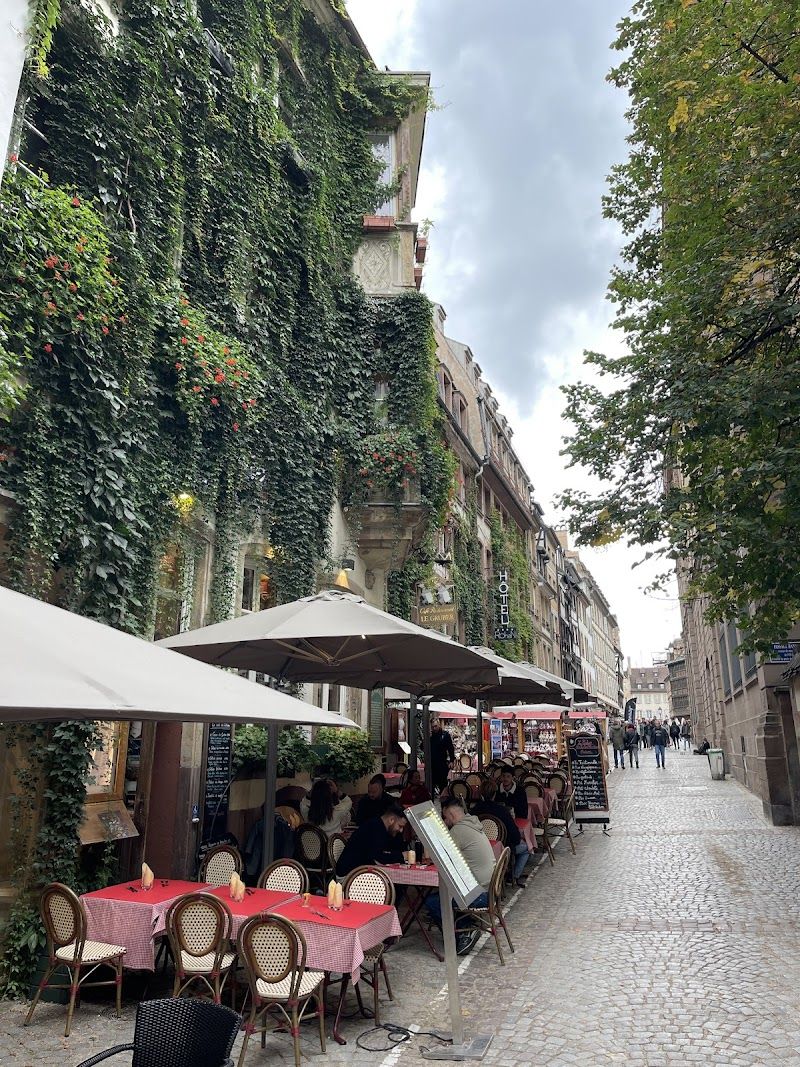
Winstubs are wood-panelled wine pubs where locals have gathered for centuries to drink Alsatian wine and eat traditional food. The atmosphere is convivial, portions are generous, and prices remain reasonable compared to tourist-focused restaurants.
Essential winstubs to visit:
- Chez Yvonne: Family-run since 1873, serves perfect tarte flambée
- Le Tire-Bouchon: Best choucroute in the city, extensive Alsatian wine list
- La Corde à Linge: Hidden in Petite France, specializes in traditional recipes
What to expect: Most winstubs open at 6 PM and fill up quickly. Reservations are essential, especially on weekends.
Market Experiences
The verdict: Strasbourg's markets offer the freshest ingredients and best prices for taking Alsatian specialties home.
Key markets:
- Marché des Bateliers (Wednesdays and Fridays): Local producers sell seasonal vegetables, artisanal cheeses, and fresh knack sausages
- Marché de la Krutenau (Saturdays): University district market with organic producers and regional specialties
What to buy: Fresh knack sausages (EUR 12-15/kg), artisanal sauerkraut, local honey, and seasonal produce for making your own tarte flambée.
Pairing Alsatian Wine with Strasbourg Food Specialties
Essential Wine Pairings
The verdict: Alsatian wines are specifically designed to complement the region's cuisine - ignore the pairings at your own loss.
Classic combinations:
- Tarte flambée + Riesling: The wine's acidity cuts through the cream and bacon fat
- Choucroute garnie + Gewürztraminer: The wine's spice complements the sauerkraut's complexity
- Coq au Riesling + Pinot Gris: Rich enough to match the cream sauce
- Kougelhopf + Crémant d'Alsace: The sparkling wine's bubbles cleanse the palate between bites
Where to drink: Les Berthom offers the city's best selection of Alsatian wines by the glass (EUR 4-8).
Understanding Alsatian Wine Labels
The verdict: Alsatian wines are labeled by grape variety, making them easier to navigate than most French wines.
Essential varieties to know:
- Riesling: Dry, mineral, pairs with seafood and light dishes
- Gewürztraminer: Spicy, aromatic, complements rich and spiced foods
- Pinot Gris: Full-bodied, rich, works with meat dishes
- Pinot Blanc: Light, versatile, good with appetizers
Price expectations: Wine by the glass at restaurants costs EUR 4-8, while bottles range from EUR 18-45 depending on the producer and vintage.
Planning Your Strasbourg Food Experience
Budget Breakdown for Food Tourism
Budget option (EUR 25-35/day):
- Breakfast pastry: EUR 2-3
- Lunch tarte flambée: EUR 10-12
- Street snack: EUR 3-5
- Dinner at winstub: EUR 15-18
Mid-range approach (EUR 45-65/day):
- Café breakfast: EUR 6-8
- Market lunch with local products: EUR 12-15
- Afternoon wine tasting: EUR 8-12
- Traditional dinner with wine: EUR 25-35
Food lover's budget (EUR 70-100/day):
- Full breakfast at hotel/café: EUR 12-15
- Multi-course lunch: EUR 25-35
- Cooking class or food tour: EUR 45-75
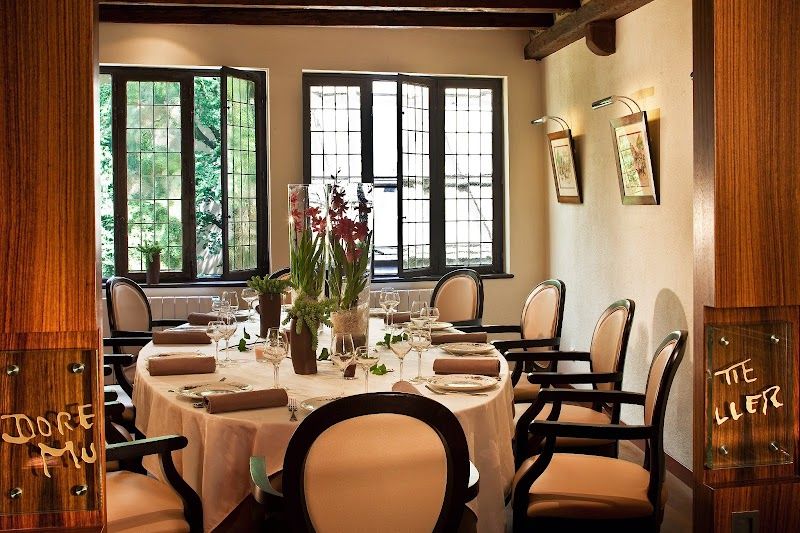
- Fine dining dinner: EUR 55-85
Best Neighborhoods for Food Exploration
Petite France: Highest concentration of traditional winstubs and authentic Alsatian restaurants. Most atmospheric dining district.
Grande Ile: Mix of tourist restaurants and local favorites. Higher prices but more variety and convenience.
Krutenau: University district with casual bistros, ethnic food, and student-friendly prices. Best value for money.
Seasonal Considerations
Winter (November-March): Peak season for hearty dishes like choucroute and baeckeoffe. Christmas markets offer seasonal specialties like bredele and vin chaud.
Spring/Summer (April-October): Tarte flambée season peaks with outdoor dining. Fresh produce markets offer seasonal ingredients.
Year-round: Core Alsatian specialties are available throughout the year, though quality and price may vary seasonally.
For more comprehensive dining recommendations, check our complete guide to Eating and Drinking in Strasbourg, which covers specific restaurants and wine bars in detail. If you're planning a short visit, our 2 Days in Strasbourg itinerary includes strategic meal planning to maximize your culinary experience.
Strasbourg's food scene rewards travelers who venture beyond tourist restaurants and seek out authentic winstubs where locals still gather to eat traditional dishes prepared according to recipes that predate the city's latest border changes. The Strasbourg food specialties listed here represent centuries of culinary evolution - try them in the right settings, and you'll understand why this city's cuisine deserves recognition as one of Europe's most distinctive regional cooking traditions.