Stockholm spreads across 14 islands connected by 57 bridges, and the water defines everything here. This Stockholm travel itinerary gives you seven full days to explore Sweden's capital properly, from medieval lanes that empty at dawn to archipelago islands where locals escape the summer heat.
This isn't another rushed Stockholm travel plan that crams everything into three days. A week lets you understand the rhythm of this Nordic capital: early morning walks through Gamla Stan when the cobblestones echo with your footsteps, afternoon fika breaks that locals actually take, and summer evenings when the sun barely sets.
Stockholm Week Itinerary Overview
This Stockholm 7-day itinerary balances major attractions with neighborhood exploration. You'll spend roughly SEK 2,800-4,200 per person for activities and food, depending on your choices. The SL 7-day ticket (SEK 405) covers all public transport and becomes essential from day one.
Each day focuses on 1-2 neighborhoods rather than racing across the city. Stockholm's compact size makes this work perfectly: you can walk from Gamla Stan to Södermalm in 15 minutes, but each area deserves proper attention.
Day 1: Gamla Stan and Royal Stockholm
Morning: Medieval Stockholm (8:00-12:00)
Start your Stockholm travel itinerary early in Gamla Stan. At 8 AM, the narrow medieval lanes are yours alone. Walk Västerlånggatan and Österlånggatan, the main arteries that run north-south through the old town, but duck into side alleys like Prästgatan and Kindstugatan where 17th-century buildings lean toward each other.
The Royal Palace opens at 10 AM (SEK 180). This is Europe's largest functioning royal palace with 608 rooms, and the changing of the guard happens daily at 12:15 - one of the few free shows in expensive Stockholm. The palace tour takes 90 minutes and includes the royal apartments, treasury, and armory.
Afternoon: Cathedral and Parliament (12:00-17:00)
Grab lunch at Järntorget square before visiting Storkyrkan, Stockholm's cathedral. The medieval interior houses the famous sculpture of St. George and the Dragon, carved in 1489. Entry costs SEK 60.
Walk to Riddarholmen, the small island next to Gamla Stan, for views back toward the city. The Riddarholmen Church (free entry) serves as the burial place for Swedish monarchs. The late afternoon light here is exceptional for photos.
Evening: First Stockholm Dinner (17:00-20:00)
For your first Stockholm dinner, try Den Gyldene Freden (founded 1722) or the more casual Bistro Ruby for modern Swedish food. Expect SEK 450-650 per person for a proper three-course dinner with wine.
Day 1 Budget: SEK 450-750 per person (excluding accommodation)
Day 2: Djurgården Island Museums
Morning: The Vasa Experience (9:00-12:00)
Take tram 7 to Djurgården for the Vasa Museum, the single best museum in Scandinavia. This 17th-century warship sank 20 minutes into its maiden voyage in 1628 and was salvaged 333 years later. The SEK 190 admission includes an excellent audio guide.
The museum opens at 9 AM, and you want to arrive early. By 11 AM, tour groups crowd the viewing levels. Spend the full three hours here - the ship's story reveals Swedish imperial ambitions, 17th-century craftsmanship, and one spectacular naval disaster.
Afternoon: Swedish Culture Deep Dive (12:00-17:00)
Walk to the Nordic Museum (SEK 140) for Swedish cultural history from the 1500s to present. The building itself, designed to look like a Nordic Renaissance castle, houses everything from Sami handicrafts to IKEA furniture evolution.
Skansen Open-Air Museum (SEK 220) occupies the southern half of Djurgården. This is the world's first open-air museum, with 150 historic buildings moved here from across Sweden. The nordic animals section includes brown bears, wolves, and lynx.
Late Afternoon: Island Walking (17:00-19:00)
Djurgården offers excellent walking paths away from the museums. The eastern part of the island feels like countryside despite being in central Stockholm. Stop at Rosendals Trädgård for organic food and their famous cinnamon buns (SEK 35).
Day 2 Budget: SEK 550-750 per person
Day 3: Södermalm's Creative Districts
Morning: Stockholm's Best View (8:00-12:00)
Monteliusvägen provides Stockholm's most famous viewpoint, looking across Lake Mälaren to Gamla Stan and City Hall. The 500-meter walking path runs along Södermalm's northern cliff and costs nothing.
After photos, explore the Mariatorget area. This southern part of Södermalm contains independent bookshops, vintage stores, and the kind of cafes where Stockholmers actually spend their mornings.
Afternoon: Art and Photography (12:00-17:00)
Fotografiska (SEK 165) showcases contemporary photography in a converted Art Nouveau customs house. The museum restaurant offers views across the water to Djurgården, making it worth the slightly inflated prices (SEK 185 for lunch).
Walk south to SoFo (South of Folkungagatan), Stockholm's equivalent to Greenwich Village. Nytorget square anchors this area, surrounded by design studios, small galleries, and the neighborhood bars where Stockholm's creative class drinks.
Evening: Authentic Stockholm Dining (17:00-21:00)
Pelikan serves traditional Swedish food in a beer hall that's operated since 1733. The herring plate (SEK 145) and meatballs (SEK 185) represent authentic Swedish cooking, not tourist versions.
Day 3 Budget: SEK 400-600 per person
Day 4: Modern Stockholm and City Centre
Morning: Swedish Design and Shopping (9:00-13:00)
Explore Norrmalm, Stockholm's commercial heart. Drottninggatan, the main pedestrian street, runs from Sergels Torg to Gamla Stan. But the real design shopping happens on parallel streets like Götgatan and in the NK department store.
Stop at Vete-Katten for proper fika. This 1928 cafe serves traditional Swedish pastries in rooms that haven't changed in decades. A cinnamon bun and coffee costs SEK 65.
Afternoon: Swedish Art Collections (13:00-17:00)
The Nationalmuseum (SEK 150) reopened in 2018 after major renovations. The collection spans Swedish art from the 1500s to 1900s, plus European masters. The building itself, from 1866, represents Swedish 19th-century architecture at its peak.
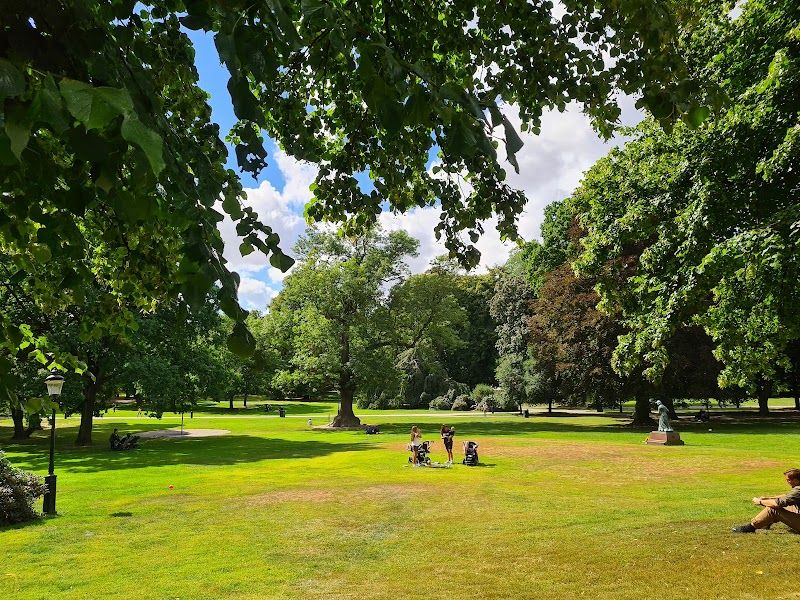
Walk through Humlegården, Stockholm's central park. The rose garden blooms from June to September, and the park connects Östermalm to the city center.
Evening: Food Hall Experience (17:00-20:00)
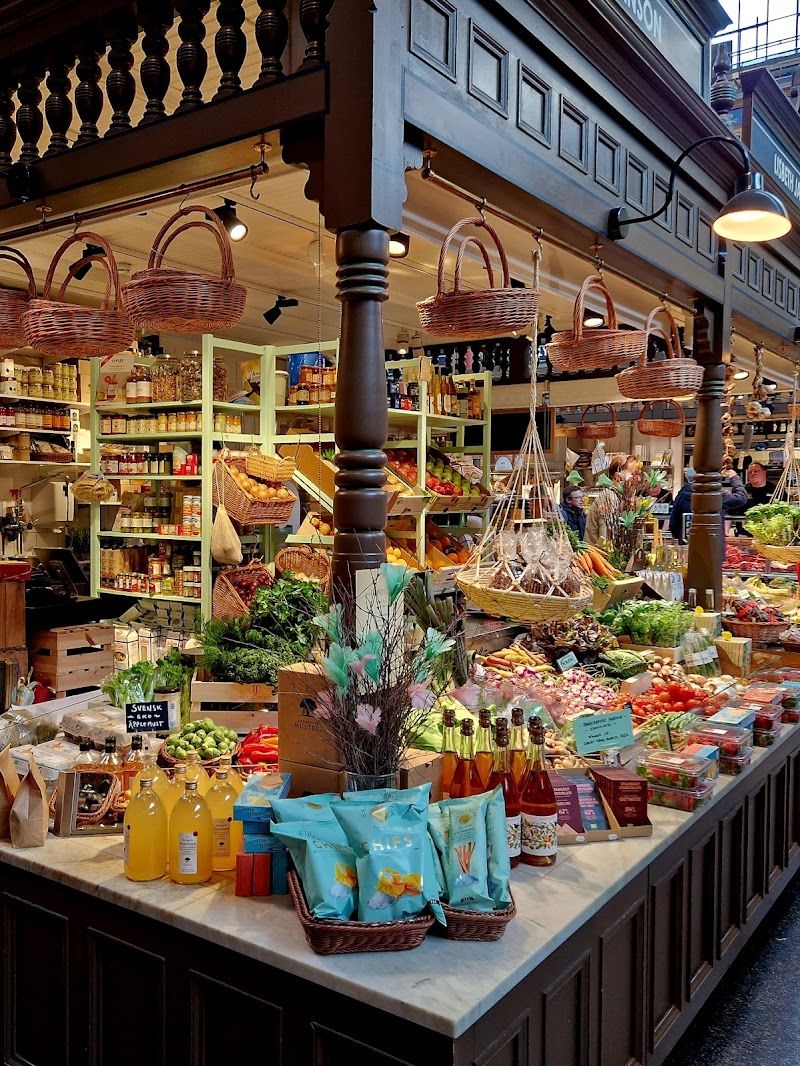
Östermalms Saluhall operates in a gorgeous 1888 market hall. This isn't tourist food - locals shop here for Swedish specialties, imported cheeses, and fresh seafood. Several restaurants inside offer dinner, or buy ingredients for a picnic.
Day 4 Budget: SEK 350-550 per person
Day 5: Stockholm Archipelago Day Trip
Morning: Island Escape (8:00-12:00)
Stockholm's archipelago contains 30,000 islands, skerries, and rocks stretching 50 kilometers into the Baltic Sea. Take a morning boat from Nybroplan or Strömkajen (SEK 295-450 depending on route and operator).
Vaxholm, 45 minutes by boat, offers the most accessible archipelago experience. The 19th-century fortress guards the main shipping channel, and the town maintains its summer resort atmosphere. Many boats continue to Sandhamn, a sailing center with restaurants and hiking trails.
Full Day Option: Extended Archipelago (8:00-19:00)
For a complete archipelago experience, take the longer route to Sandhamn or Utö. These islands offer hiking trails, swimming spots (the water reaches 20°C in July), and restaurants serving archipelago specialties like Baltic herring and crayfish.
Pack lunch or eat on the islands - restaurant prices run SEK 185-285 for main courses, reflecting the transportation costs.
Alternative: Stockholm City Hall and Kungsholmen (9:00-17:00)
If weather doesn't cooperate, visit Stockholm City Hall. The SEK 150 guided tour includes the Blue Hall (where Nobel Prize banquets happen) and the Golden Hall with 18 million gold mosaic pieces.
Kungsholmen island, west of the city center, offers parks, waterfront walks, and neighborhood restaurants away from tourist areas.
Day 5 Budget: SEK 400-700 per person
Day 6: Uppsala Day Trip or Stockholm Culture
Option A: Uppsala Historic Day Trip (8:00-19:00)
Uppsala, 40 minutes by train from Stockholm Central (SJ trains, SEK 95), was Sweden's first capital. Uppsala Cathedral, completed in 1435, houses the tomb of King Gustav Vasa and scientist Carl Linnaeus. The university, founded in 1477, gives the city a student atmosphere.
The Gustavianum museum displays Viking artifacts and anatomical theaters from the 1600s. Uppsala Castle overlooks the city from a hill that's been fortified since the 1200s.
Option B: Stockholm's Remaining Museums (9:00-17:00)
Stay in Stockholm for ABBA The Museum (SEK 280) and Moderna Museet (SEK 140). ABBA Museum gets crowded after 11 AM, so start there.
Moderna Museet, on Skeppsholmen island, houses Picasso, Dali, and Swedish contemporary art. The museum cafe offers views across the water to Strandvägen.
Spend the afternoon in Östermalm, Stockholm's wealthiest district. The wide avenues, Art Nouveau buildings, and embassy district represent early 20th-century Stockholm prosperity.
Day 6 Budget: SEK 300-500 per person
Day 7: Local Stockholm and Departure
Morning: Neighborhood Stockholm (9:00-13:00)
Explore areas most tourists miss. Vasastan, north of the city center, contains tree-lined streets, local cafes, and the kind of residential Stockholm where people actually live. Upplandsgatan offers vintage shops and neighborhood restaurants.
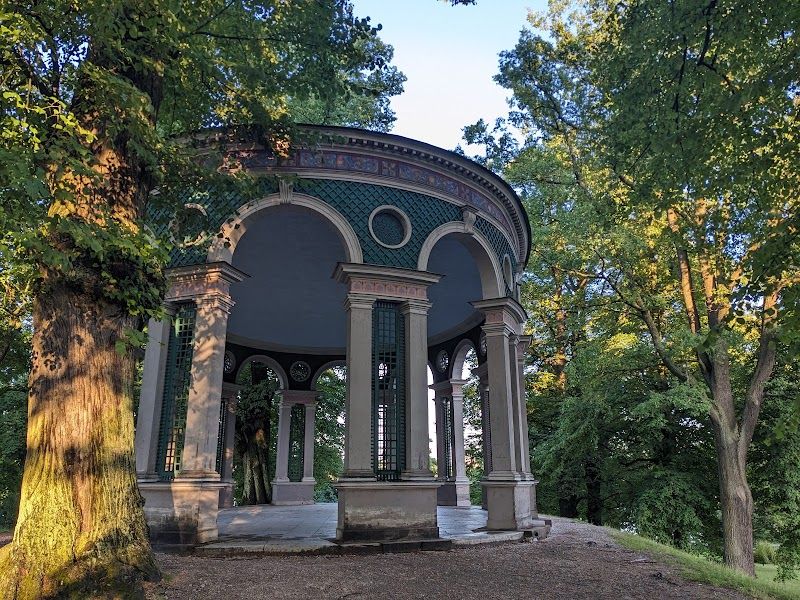
Hagaparken, in northern Stockholm, provides 1.4 square kilometers of English-style parkland. The Chinese Pavilion and Haga Palace represent 18th-century Swedish royal architecture.
Afternoon: Final Stockholm Experiences (13:00-17:00)
Revisit your favorite neighborhood from the week. Many travelers return to Gamla Stan for final photos or shopping. The medieval streets look different now that you understand Stockholm's layout and history.
For last-minute shopping, Arlanda Airport offers Swedish design brands and food specialties. Prices match city center stores, unusual for an airport.
Stockholm Travel Itinerary Summary Costs
| Category | Budget Range (7 days) |
|---|---|
| Museums/Attractions | SEK 1,200-1,800 |
| Food (mid-range) | SEK 1,400-2,200 |
| Transport (SL 7-day + extras) | SEK 600-800 |
| Total per person | SEK 3,200-4,800 |
Essential Stockholm Trip Planning Tips
When to Visit Stockholm
June through August offers 18-hour days and temperatures reaching 25°C. This is peak season with highest prices but best weather for archipelago trips. May and September provide good weather with fewer crowds.
December's Christmas markets compensate for 6-hour days and -5°C temperatures. The city transforms with lights and glögg (mulled wine) stands.
Getting Around Your Stockholm Travel Itinerary
The SL 7-day ticket (SEK 405) covers metro, buses, trams, and local trains throughout Stockholm County. Buy it at any metro station or through the SL app.
Stockholm's center spans roughly 5 kilometers, making walking between neighborhoods feasible. The metro system (Tunnelbana) connects all major areas, with art installations at many stations making the journey part of the experience.
Where to Stay for This Itinerary
Gamla Stan puts you in the medieval center but limits restaurant options. Södermalm offers the best neighborhood feel with easy access to everywhere else. Norrmalm provides business hotel efficiency near transportation hubs.
Avoid staying near Arlanda Airport unless you have early flights - the 45-minute journey to central Stockholm gets expensive with taxis (SEK 500-700).
Stockholm Vacation Itinerary Budget Breakdown
This Stockholm week itinerary works for mid-range budgets. Budget travelers can reduce costs by choosing hostels (SEK 350-550 per night), eating more meals from grocery stores, and focusing on free attractions like parks and old town walking.
Luxury travelers should budget SEK 6,000-10,000 per person for the week, including fine dining restaurants and premium hotel accommodations.
Weather and Packing for Stockholm
Layers work year-round in Stockholm. Summer requires light rain jacket and comfortable walking shoes for cobblestone streets. Winter demands serious insulation - temperatures drop to -10°C regularly from December through March.
The city stays surprisingly dry, but when rain comes, it persists. Pack a real rain jacket, not just an umbrella.
Making This Stockholm Travel Plan Work
This seven-day Stockholm travel itinerary assumes you arrive Sunday morning and leave Saturday afternoon. Adjust based on your actual arrival day - Stockholm's attractions operate consistently Tuesday through Sunday.
Monday closures affect some museums, making it ideal for neighborhood exploration or archipelago trips. The Nobel Prize Museum and several others close Mondays from September through May.
Book archipelago boats in advance during summer months. Restaurant reservations become essential for dinner from June through August, when Stockholm's brief summer concentrates both tourists and local activity into these precious warm months.
This Stockholm travel itinerary balances structured sightseeing with spontaneous exploration. Stockholm rewards travelers who move beyond the standard tourist checklist to discover the Nordic capital's genuine rhythms and neighborhoods where water, history, and modern Swedish design create something uniquely Scandinavian.