Stockholm
14 islands, a 17th-century warship pulled from the harbour, fika twice daily, and water clean enough to swim in
About Stockholm
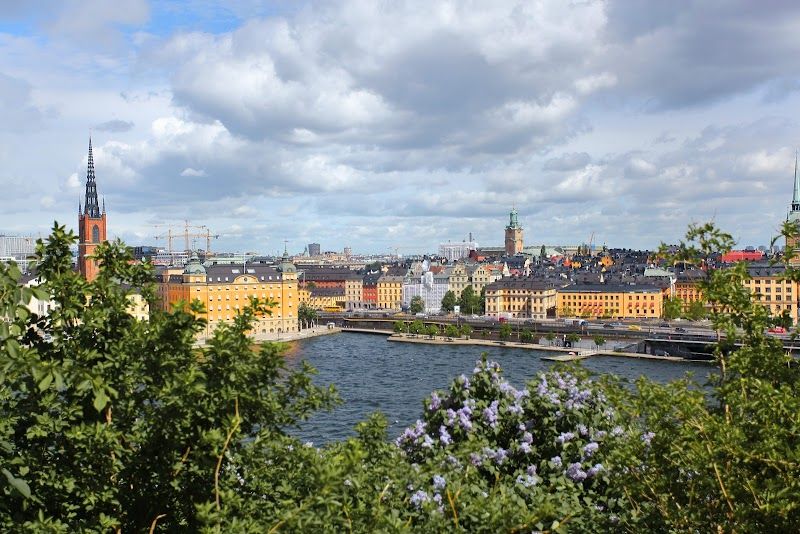
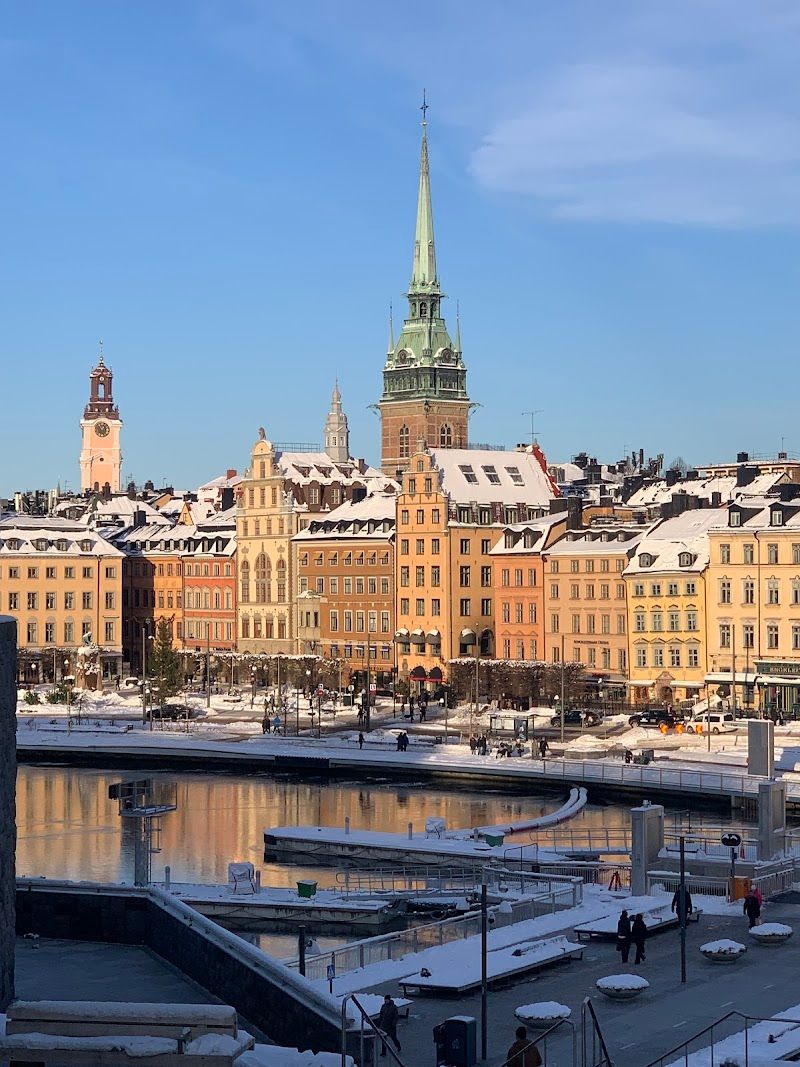
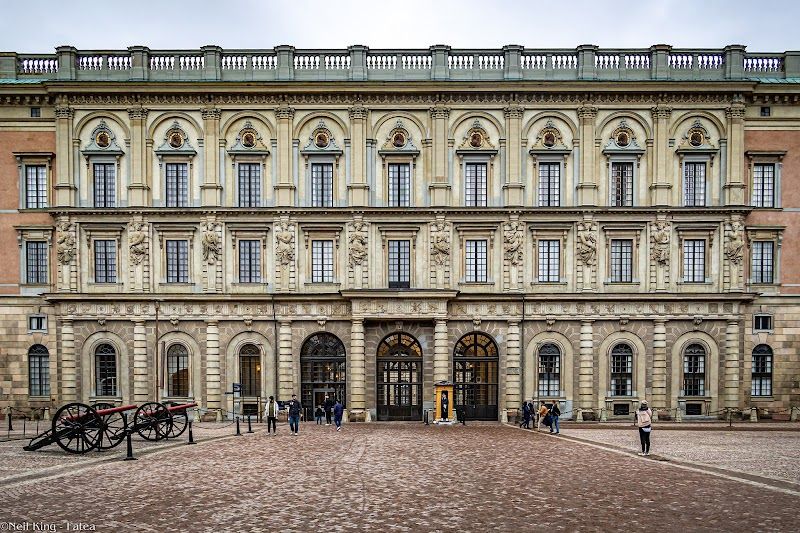
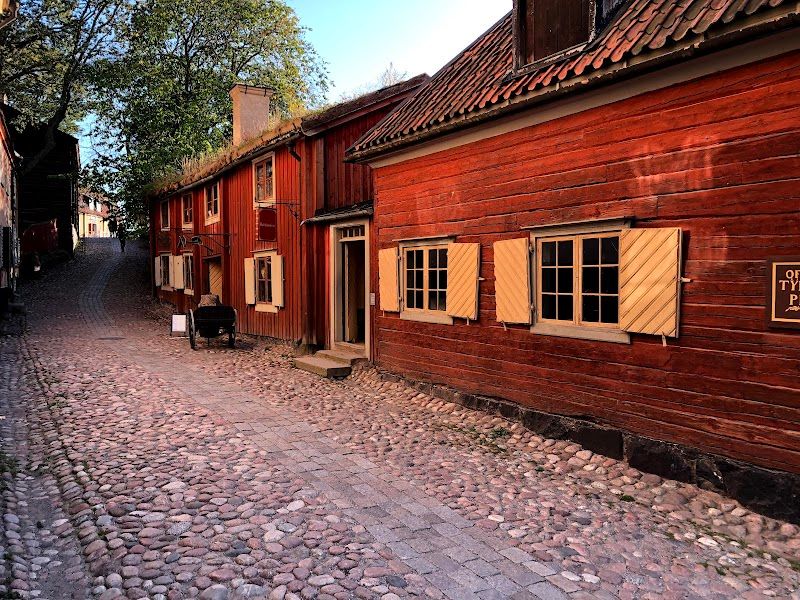
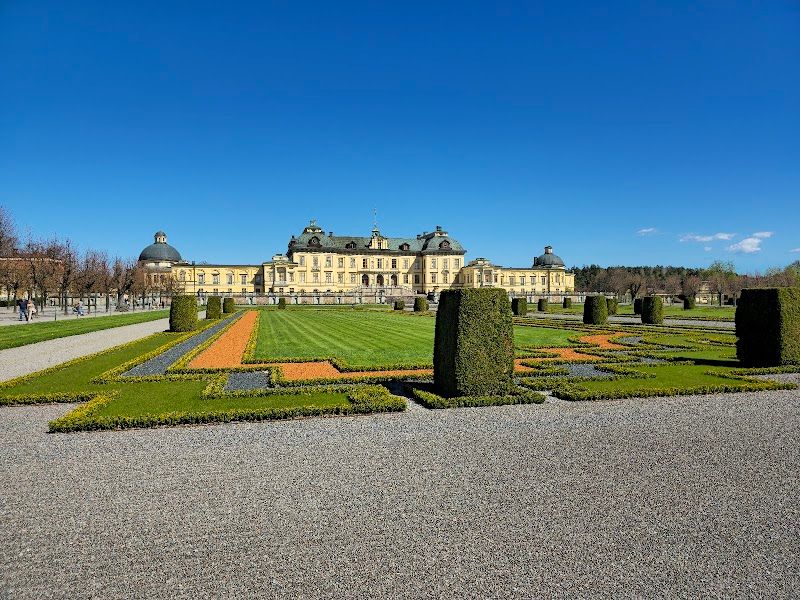
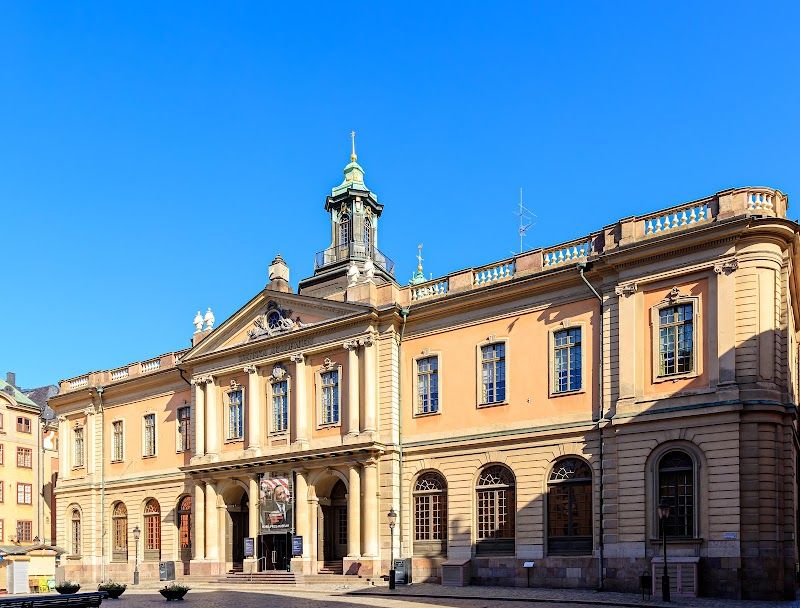
Stockholm is built on 14 islands connected by 57 bridges, and the water is everywhere: between buildings, under bridges, lapping at restaurant terraces, and clean enough that people swim in the city centre in summer. The old town (Gamla Stan) is a medieval island of narrow cobblestone lanes, ochre and rust-coloured buildings, and the Royal Palace (the largest functioning royal palace in Europe, 608 rooms, free changing of the guard daily at 12:15). It looks like a film set and it is packed with tourists from 10 AM to 6 PM, but at 8 AM or 9 PM the lanes empty and you can hear your footsteps on the cobblestones.
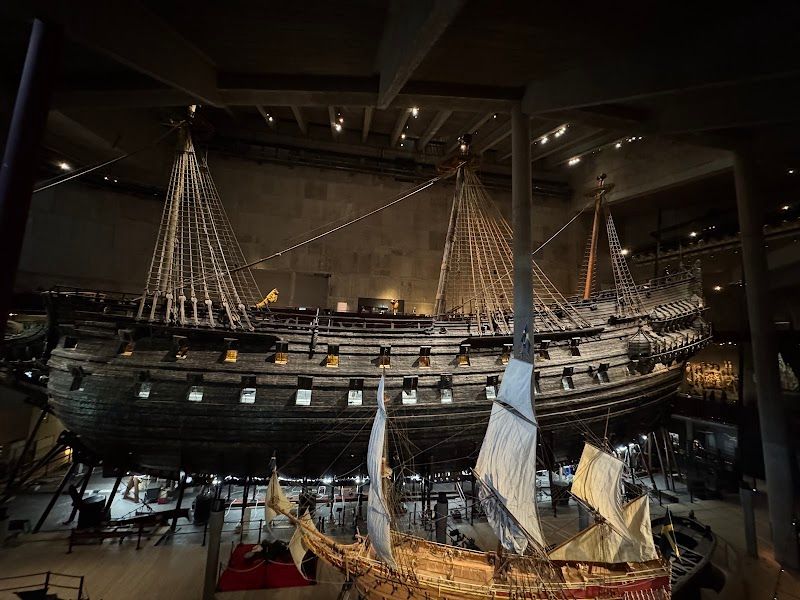
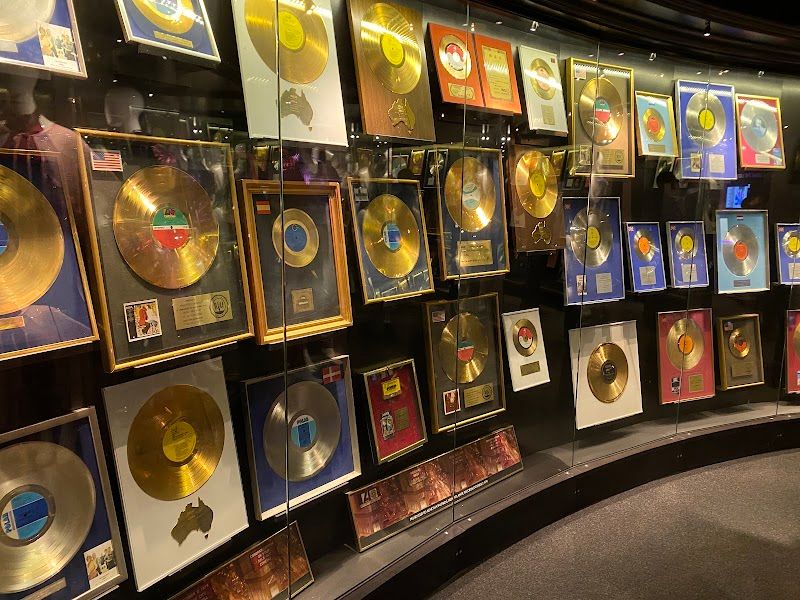
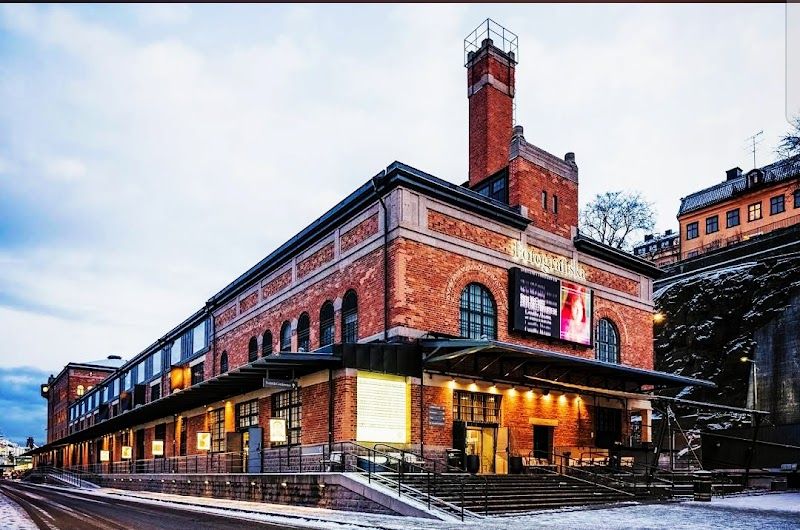
The Vasa Museum (SEK 200) is the single best museum in Scandinavia. A 17th-century warship that sank 20 minutes into its maiden voyage in 1628, was pulled from the harbour 333 years later, and is now displayed intact in a purpose-built hall. It is 69 metres long, covered in 700 sculptures, and the fact that it exists at all is extraordinary. The ABBA Museum (SEK 280) is nearby on the same island and is more fun than any serious person wants to admit. Fotografiska (SEK 195) is one of the world's best photography museums, housed in an Art Nouveau customs building with a rooftop bar.
The food has moved far beyond meatballs, though the meatballs are still excellent (the ones at Pelikan in Sodermalm, SEK 195, with lingonberry and cream sauce, are the benchmark). The New Nordic influence from Copenhagen crossed the bridge and mutated into something distinctly Swedish: fermented vegetables, smoked fish, foraged ingredients, and the concept of fika (the twice-daily coffee and pastry break that is a cultural requirement, not a suggestion). A kanelbulle (cinnamon bun) at a proper bakery costs SEK 35-45 and is the taste of Sweden.
Pick your base
Stay in Stockholm
Real-time pricing across hotels, apartments, and ryokans. Book direct from the map.
Things to do in Stockholm
Experiences worth booking ahead
Vetted tours and tickets we'd send a friend to. The ones worth reserving before you arrive.
Travel guides
From the blog
Practical bits, answered
The Vasa Museum is the best museum in Stockholm and one of the most unusual museums in Europe. The Vasa was a Swedish warship that sank on its maiden voyage in 1628, was recovered from the harbour in 1961, and is now displayed in a purpose-built hall exactly as it was raised. The ship is 69 metres long, stands seven storeys tall, and is covered in 700 original wooden sculptures that were preserved by the cold, low-salinity water of Stockholm harbour. No other comparable ship from this period exists. SEK 200 adult entry, allow 1.5-2 hours minimum. Arrive at opening (10 AM daily) to see the ship with fewer people: the scale of the ship is clearer when there are fewer people in front of it. The guided tours (included in ticket, run hourly) add significant context but are not necessary for a first visit.
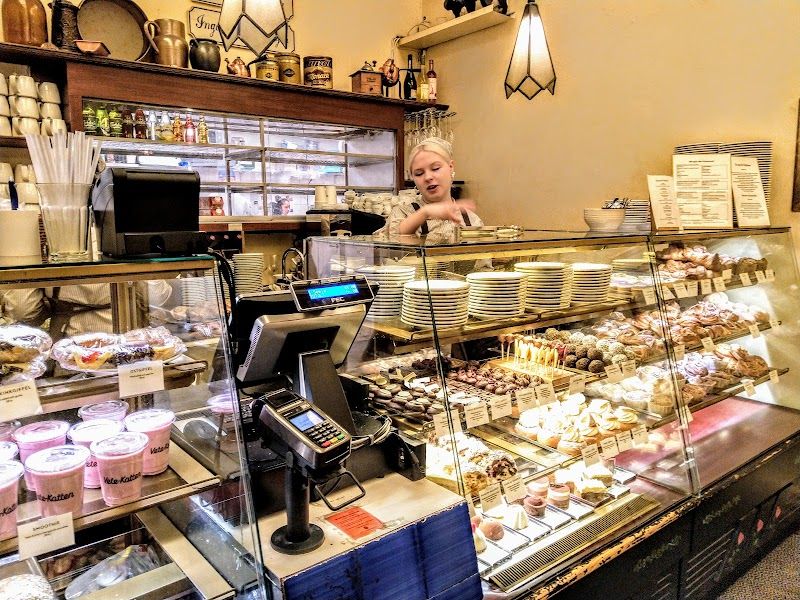
Fika is the Swedish institution of a coffee break with a pastry, taken at least twice a day, and it is both a practice and a social philosophy. The practice: sit down, order a coffee (filter or espresso-based), order a kanelbulle (cinnamon bun, SEK 35-45) or a kardemummabulle (cardamom bun, slightly more flavourful), and sit with it for 15-20 minutes without your phone. The philosophy: this is not a break from work, it is a required part of the day, and Swedish workplaces build fika into the schedule. As a visitor, you are expected to do this at least once. The best places for fika in Stockholm are Fabrique (multiple locations, SEK 35-45 for a bun), the Ostermalm Saluhall (the covered market, more atmospheric, slightly higher prices), and any neighbourhood bakery that has locals in it at 10 AM and 3 PM.
Stockholm's islands are connected by bridges, ferries, and the metro (T-bana). The SL Access card for 72 hours costs SEK 165 and covers all buses, metro, trams, and local trains within Stockholm county. A single metro fare is SEK 42. The transit pass pays for itself if you take more than four single journeys. The T-bana (metro) is worth taking even if you only plan to walk: 90 of 100 stations have permanent art installations, and stations like Solna Centrum, Kungstradgarden, and T-Centralen are significant art spaces. The ferry from Slussen to Djurgarden runs year-round and takes 10 minutes (included in the transit pass). Gamla Stan, Sodermalm, and the city centre are all walkable from each other.
Let DAIZ plan your Stockholm days
Tell us how long you've got and what you're into. We'll build a day-by-day plan, with the bookable bits ready to lock in.