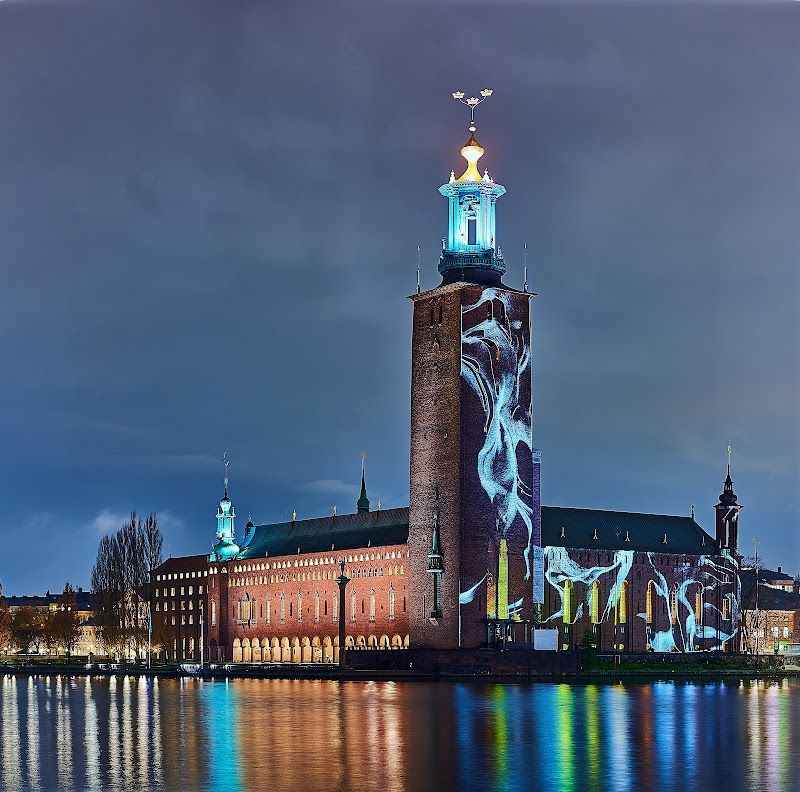
Stockholm attracts over 15 million visitors annually, yet many travelers arrive unprepared for Sweden's unique requirements and customs. This Stockholm travel advisory covers everything from entry requirements to safety concerns, ensuring your trip to Sweden's capital runs smoothly from arrival to departure.
Stockholm Entry Requirements for 2026
EU/EEA Citizens: You need only a valid passport or national ID card for stays up to 90 days. No visa required, and you can work freely in Sweden.
Non-EU Visitors: A valid passport is mandatory, with at least six months validity remaining. Citizens from the US, Canada, Australia, New Zealand, Japan, and South Korea can stay visa-free for up to 90 days within any 180-day period for tourism or business purposes.
Schengen Area Rules Apply: Stockholm follows standard Schengen regulations. If you've already spent time in other Schengen countries, those days count toward your 90-day limit. Keep track of your total time across all Schengen nations, not just Sweden.
Post-Brexit UK Citizens: British passport holders now face the same 90-day limit as other non-EU visitors. You cannot work without a proper visa, and overstaying results in potential entry bans.
Vaccination Requirements: Sweden imposes no COVID-19 vaccination requirements for entry as of 2026. Standard travel vaccinations (hepatitis A/B, typhoid) aren't required but may be recommended depending on your home country's health advisory.
Is Stockholm Safe for Tourists?
Stockholm ranks among Europe's safest capitals, with violent crime rates significantly lower than London, Paris, or Rome. The city's 14 islands connected by 57 bridges create natural barriers that limit crime movement, and Sweden's social safety net reduces desperation-driven offenses.
Real Safety Concerns to Consider
Pickpocketing in Tourist Areas: Gamla Stan (Old Town) sees occasional pickpocketing, especially around Stortorget square and the narrow Mårten Trotzigs Gränd alley. The crowds between 10 AM and 6 PM create perfect conditions for opportunistic thieves.
Nightlife Safety: Stureplan and Södermalm's bar districts remain generally safe, but alcohol-fueled incidents do occur. Swedish drinking culture involves heavy consumption in short periods due to high alcohol prices (beer costs SEK 75-125 at bars).
Bicycle Theft: Stockholm has a significant bike theft problem. Never leave bicycles unlocked, even for minutes. Tourist rental bikes are frequent targets.
Seasonal Darkness Concerns: Winter brings only 6 hours of daylight (sunrise around 8:30 AM, sunset by 3:30 PM in December). The darkness affects mood and navigation but doesn't increase crime rates significantly.
Areas to Exercise Normal Precautions
Rinkeby and Tensta: These northwest suburbs have higher crime rates but tourists rarely visit them. They're not on any standard tourist itineraries and require deliberate travel to reach.
Central Station Area: Stockholms Centralstation attracts some petty crime and has a notable homeless population, but it's still safer than most major city train stations globally.
Late-Night T-bana (Metro): After midnight, some metro lines through outer suburbs can feel uncomfortable, though actual incidents are rare.
Stockholm Travel Warning Updates for 2026
Sweden's official travel warnings focus on natural hazards rather than security threats. The Swedish Meteorological and Hydrological Institute (SMHI) issues regular updates that affect tourist activities.
Summer Storm Warnings: June through August brings sudden thunderstorms that can flood Stockholm's lower-lying areas, including parts of Djurgården island where major museums cluster.
Winter Ice Warnings: December through March, the city's bridges and walkways become extremely slippery. Tourists wearing inappropriate footwear face real injury risks. Swedes use studded shoes or ice grips.
Archipelago Weather Changes: If you're planning boat trips to Stockholm's 30,000 islands, weather can change rapidly. Summer fog appears suddenly, and autumn storms can strand visitors on outer islands.
No Terrorism Threat Level: Sweden maintains a low terrorism threat level. Stockholm's last significant incident occurred in 2017, and security measures have since improved without creating an oppressive atmosphere.
Essential Stockholm Travel Advice for First-Time Visitors
Money Matters and Payment Systems
Sweden operates as a near-cashless society. Many establishments refuse cash entirely, including public transport, taxis, and numerous restaurants. Bring a contactless payment card that works internationally - this is non-negotiable for a smooth visit.
Currency: Swedish Krona (SEK), though many places accept EUR at poor exchange rates. ATMs are widely available but charge international fees.
Tipping Culture: Tipping isn't expected but rounding up restaurant bills by 5-10% is appreciated. Taxi drivers don't expect tips, and hotel staff rarely receive them.
Price Reality Check: Stockholm ranks among Europe's most expensive cities. Budget EUR 80-120 daily for modest comfort, EUR 150-200 for mid-range experiences. A basic lunch costs SEK 125-185, coffee runs SEK 35-55.
Transportation Advisory
SL Public Transport: The tunnelbana (metro), buses, and trams operate under one system requiring advance payment. No cash accepted. Buy tickets via SL app, ticket machines, or Pressbyrån convenience stores.
- Single journey (zones A-B): SEK 39 (75-minute validity)
- 24-hour pass: SEK 165
- 72-hour pass: SEK 290
- 7-day pass: SEK 405
Airport Connections: Arlanda Airport sits 40km from central Stockholm. The Arlanda Express train (SEK 320, 20 minutes) offers the fastest connection, while Flygbussarna buses (SEK 119, 45 minutes) provide better value. Taxis cost SEK 500-700 with fixed-price agreements.
Walking Conditions: Stockholm's cobblestones in Gamla Stan become treacherous when wet. The city's 14 islands mean you'll cross bridges frequently - some have steep approaches that challenge mobility-impaired visitors.
Language and Communication
English Proficiency: Stockholm exceptional English fluency. Tourist areas, restaurants, and transport staff speak excellent English. Swedish isn't necessary for tourist activities.
Digital Infrastructure: Sweden offers widespread free WiFi in cafes, hotels, and public spaces. 5G coverage blankets central Stockholm. EU visitors can use their domestic data plans without roaming charges.
Emergency Numbers: 112 connects to all emergency services (police, medical, fire). Operators speak English fluently.
Seasonal Stockholm Travel Advisory
Summer Advice (June-August)
White Nights Phenomenon: Stockholm experiences nearly 19 hours of daylight in midsummer. Sunset occurs around 10 PM, but true darkness never arrives. Bring eye masks for sleep.
Tourist Crowds: Summer brings peak tourism. Vasa Museum (SEK 190 admission) and Skansen (SEK 220) require advance booking or early morning visits to avoid queues.
Accommodation Prices: Hotel rates double during summer, especially around Midsummer (late June). Book accommodations 3-4 months ahead or expect to pay SEK 2500+ for mid-range hotels.
Winter Advisory (December-February)
Daylight Shortage: December offers only 6 hours of weak sunlight. Many tourists underestimate the psychological impact of extended darkness. Plan indoor activities and consider light therapy if staying longer than a week.
Ice Swimming Culture: Stockholmers practice year-round swimming, breaking ice when necessary. While locals swim in city-center waters near Monteliusvägen, tourists should avoid this without proper preparation and supervision.
Winter Clothing Requirements: Temperatures drop to -10°C regularly, with wind chill making it feel colder near the water. Waterproof boots with good traction are essential - Stockholm's polished stone surfaces become ice rinks.
Shoulder Season Benefits (April-May, September-November)
Optimal Weather Windows: Late April through May offers pleasant temperatures (10-18°C) with manageable crowds. September provides comfortable weather with autumn colors in Hagaparken and Humlegården.
Festival Season: April brings the Stockholm International Film Festival, while September features the Stockholm Culture Festival with free outdoor events across the city.
Health and Medical Advisory
Healthcare Quality: Sweden provides healthcare with English-speaking medical staff. EU visitors receive treatment under reciprocal agreements with European Health Insurance Cards (EHIC).
Pharmacy Access: Apoteket pharmacies require prescriptions for most medications. Over-the-counter pain relievers, allergy medications, and basic supplies are available but expensive compared to other countries.
Tap Water Safety: Stockholm's tap water exceeds EU quality standards and tastes better than most bottled water. Restaurants provide free tap water upon request, though many charge for bottled water (SEK 15-25).
Alcohol and Drug Laws: Sweden enforces strict alcohol policies. Public intoxication can result in overnight detention. Drug possession carries serious penalties - even small amounts of cannabis result in criminal records.
Cultural Sensitivity and Local Customs
Personal Space Expectations: Swedes maintain larger personal space bubbles than most cultures. Standing too close in queues or conversations makes locals uncomfortable. On public transport, leave empty seats between yourself and strangers when possible.
Environmental Consciousness: Stockholm takes sustainability seriously. Recycling is mandatory and complex - hotels and Airbnbs provide detailed sorting instructions. Single-use plastics face restrictions, and many establishments charge for disposable items.
Punctuality Culture: Arriving late to reservations or appointments is considered disrespectful. Swedish efficiency extends to tourist services - tours and activities start precisely on time.
Quiet Social Norms: Loud conversations on public transport or in restaurants draw disapproving looks. Phone conversations should be brief and quiet, particularly on the tunnelbana.
Technology and Connectivity Advisory
Mobile Network Coverage: Sweden's mobile networks provide excellent coverage throughout Stockholm, including underground metro stations. 5G coverage extends across central areas.
Payment App Requirements: Download the SL app for public transport tickets before arrival. Many restaurants use QR code menus requiring smartphone access. Swish (Sweden's payment app) works only with Swedish bank accounts.
Public WiFi Security: Stockholm offers extensive free WiFi through "Stockholm Free WiFi" networks in public spaces. The network is secure and reliable, though VPN usage is recommended for sensitive activities.
Planning Your Stockholm Adventure
This Stockholm travel advisory should answer your main concerns about visiting Sweden's capital safely and legally. The city rewards prepared visitors with smooth experiences, while those arriving unprepared face unnecessary complications and expenses.
For detailed activity planning, check our comprehensive Stockholm itinerary guide and first-timer's guide to maximize your time among the 14 islands that make this Nordic capital unique.
Stockholm's combination of medieval charm, modern efficiency, and natural beauty creates memorable experiences for prepared travelers. Follow this advisory, respect local customs, and you'll discover why Stockholm consistently ranks among Europe's most livable and visitable cities.