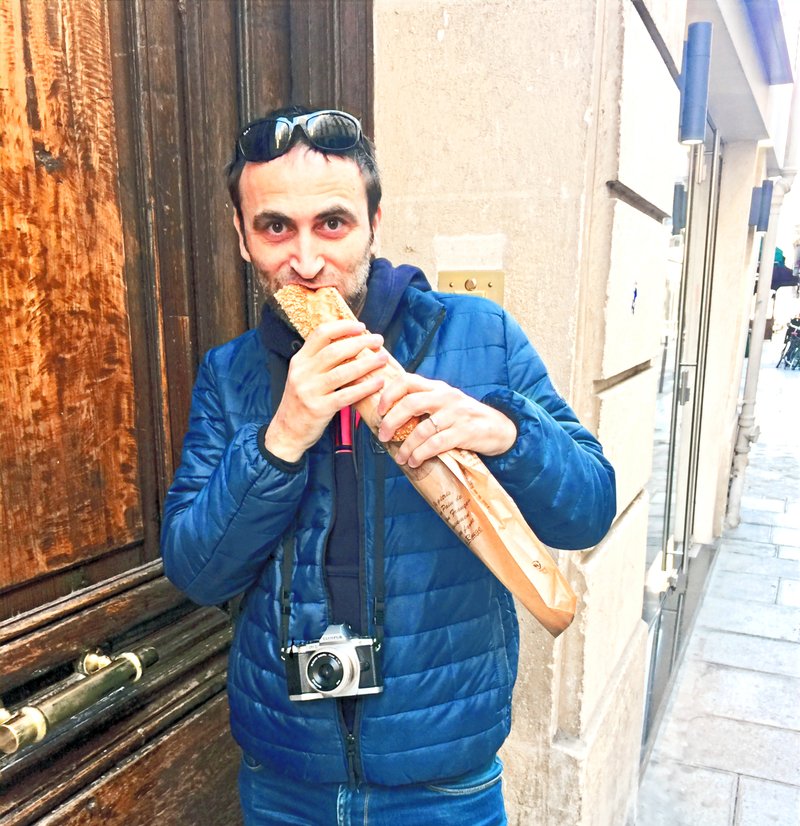
The question of whether you should stay in Colmar or Strasbourg comes down to what you want from your Alsace experience. Colmar is the postcard-perfect fairy tale town where every corner looks like it belongs in a children's book, while Strasbourg is the sophisticated European capital with real urban energy and better transport connections. After spending considerable time in both cities, the answer depends on your travel style, budget, and how much time you're planning to spend in the region.
The short answer: Stay in Colmar if you want maximum charm and easy wine village access. Choose Strasbourg if you prefer urban amenities, better transport links, and don't mind day-tripping to see Colmar's famous canals.
Where to Stay: Colmar vs Strasbourg for Different Travel Styles
Your choice between Colmar and Strasbourg should align with how you actually travel. If you're the type who wants to wake up surrounded by half-timbered houses and can walk to canal boat tours before breakfast, Colmar wins. If you prefer having multiple restaurant options within walking distance and reliable public transport to reach attractions, Strasbourg makes more sense.
Colmar appeals to travelers who:
- Want to stay inside the fairy tale rather than visit it
- Plan to explore multiple Alsatian wine villages
- Prefer intimate, walkable destinations
- Don't mind limited evening entertainment options
- Are comfortable with fewer hotel choices
Strasbourg suits travelers who:
- Want urban conveniences alongside historic charm
- Need good transport connections for day trips
- Appreciate diverse dining and nightlife scenes
- Prefer having backup plans when weather turns bad
- Value having multiple accommodation options
Accommodation Costs: Budget Reality Check
Strasbourg offers significantly more accommodation variety across all price ranges. Budget hotel rooms start around EUR 65-90 per night in both cities, but Strasbourg has more options in this range. Mid-range hotels (EUR 95-140) are more competitive in Strasbourg due to higher supply, while Colmar's limited inventory means you'll pay premium prices during peak season.
Luxury accommodation tells a different story. Colmar's boutique hotels (EUR 150-220) often occupy historic buildings with more character than Strasbourg's business-oriented luxury properties (EUR 250-400). However, Strasbourg's higher-end hotels typically offer better amenities like spas, room service, and concierge services.
The real difference emerges during summer and Christmas market season. Colmar's limited hotel inventory means prices spike dramatically, while Strasbourg maintains more stable rates due to business travel demand year-round.
Getting Around: Transport and Accessibility Compared
Strasbourg wins decisively on transport connections. The city serves as Alsace's transport hub, with direct trains to Paris (1h 45min), Frankfurt (2h 30min), and regular connections throughout the region. Strasbourg Airport, while small, provides budget airline options to several European destinations.
Colmar requires more planning to reach. You'll typically fly into Strasbourg Airport and take either the train (EUR 12-18 via Strasbourg central station, about 1 hour) or a taxi (EUR 120-150 direct). The train connection works well, but adds complexity if you're carrying luggage or arriving late.
Within each city, both are highly walkable. Colmar's compact old town means you can walk everywhere that matters in under 15 minutes. Strasbourg covers more ground, but the efficient tram system (single tickets EUR 1.70) connects all major areas seamlessly.
For exploring the broader Alsace region, Strasbourg provides better access to both the Vosges Mountains and the German border. However, if your primary interest is the Route des Vins wine villages, Colmar positions you right at the heart of the action.
What Each City Offers: Attractions and Experiences
Colmar's Concentrated Charm
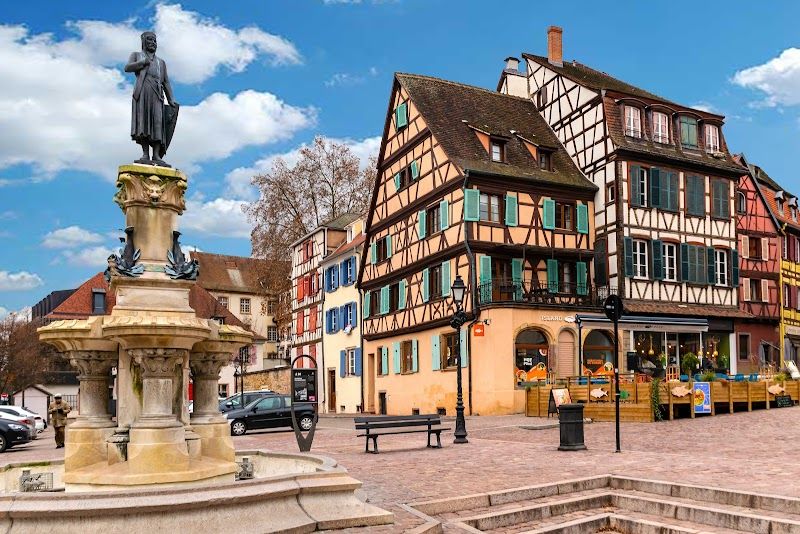
Colmar delivers its magic in a remarkably small area. The Petite Venise canal district provides the Instagram moments everyone expects, but the real revelation is how the entire old town maintains this fairy tale consistency. You can cover the major sights - Maison Pfister, Maison des Têtes, and the Collégiale Saint-Martin - in a single morning walk.
The Unterlinden Museum (EUR 13) houses one of Europe's most powerful artworks in the Isenheim Altarpiece. This alone justifies a Colmar visit, and having it as your neighborhood museum rather than a day-trip destination changes the experience entirely.
Colmar's limitation is its size. After two full days, you'll have seen everything unless you're particularly interested in wine tourism or enjoy repeating the same pleasant walks along different canal routes.
Strasbourg's Urban Sophistication
Strasbourg offers the complexity that comes with being a true city rather than a tourist destination. The Cathedral district matches Colmar for medieval atmosphere, while Petite France provides its own version of canal-side charm without the tour group density.
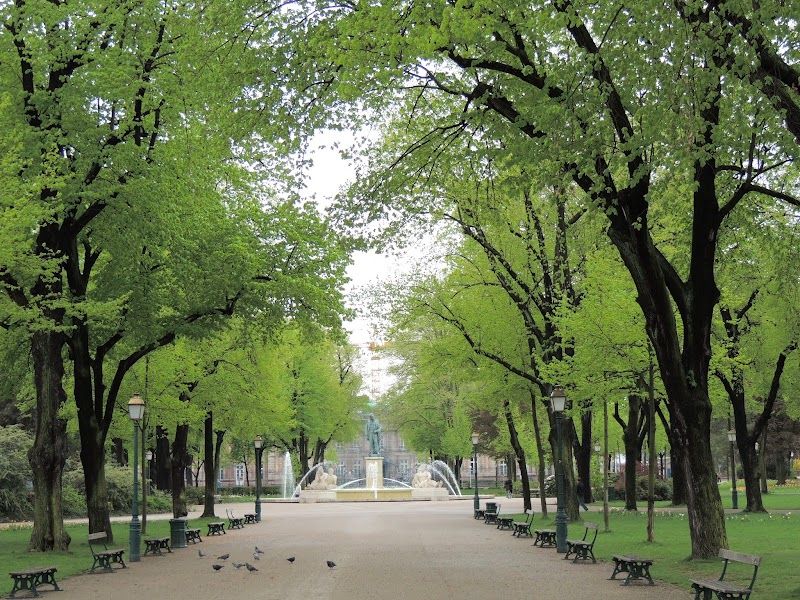
The European Parliament and Council of Europe add contemporary significance beyond tourism. You can actually witness European democracy in action rather than just photographing pretty buildings. The Parc de l'Orangerie and multiple museums provide indoor alternatives when weather doesn't cooperate.
Strasbourg's restaurant scene operates at a different level, with everything from traditional winstubs to modern French cuisine represented. The larger size means you can discover new neighborhoods and restaurants even on longer stays.
Day Trip Access: Exploring Alsace from Each Base
From Colmar: Wine Villages and Natural Beauty
Basing yourself in Colmar puts you at the center of the Alsace wine route. Villages like Riquewihr, Kaysersberg, and Eguisheim are within 15-30 minutes by car or organized tour. You can easily visit 2-3 wine villages in a day trip, with time for tastings at places like Domaine Emile Beyer.
The Vosges Mountains are equally accessible, with hiking trails and scenic drives beginning just outside Colmar. However, reaching Strasbourg's attractions requires the same hour-long journey that Strasbourg visitors face when coming to Colmar.
From Strasbourg: Broader Regional Access
Strasbourg's transport hub status means you can reach destinations across Alsace, the Black Forest, and into Germany with relative ease. The trade-off is that wine village visits require more planning and typically full-day commitments rather than half-day explorations.
Interestingly, organized day tours to Colmar and the wine route often cost less when booked from Strasbourg due to higher demand and more tour operators. This can offset some of the transport disadvantage.
Food and Dining: Where Each City Excels
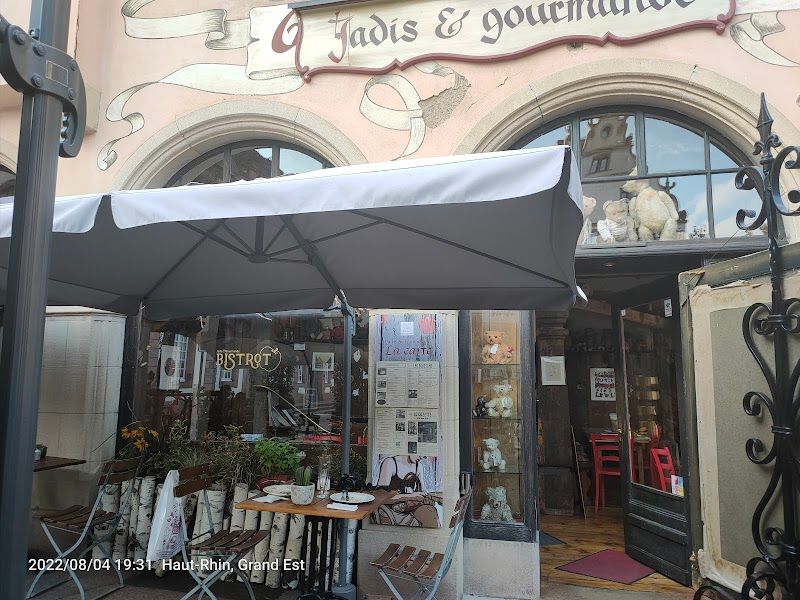
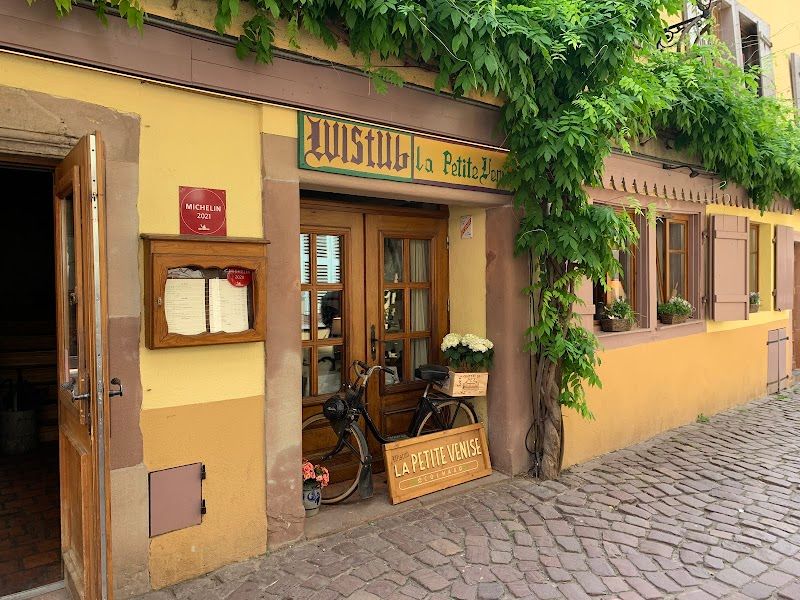
Both cities serve excellent Alsatian cuisine, but the dining landscapes differ significantly. Colmar's restaurant scene focuses on traditional winstubs and tourist-oriented establishments. Quality ranges from excellent (Restaurant JY'S holds a Michelin star) to predictably mediocre tourist traps around Petite Venise.
Our Colmar food guide details the best traditional options, but choices remain limited compared to Strasbourg. A typical mid-range dinner with wine costs EUR 35-50 per person in both cities, but Strasbourg offers more variety at every price point.
Strasbourg's larger size supports more diverse dining options, from traditional Alsatian to international cuisines. The student population and business district create demand for everything from quick lunch spots to upscale dining that isn't purely tourist-focused.
Market and Local Food Access
Colmar's Marché Couvert (Covered Market) provides excellent local produce and specialties, but operates limited hours. Strasbourg's multiple markets and larger supermarket selection offer more flexibility for self-catering or picnic preparation.
For food lovers planning to cook during their stay, Strasbourg's superior grocery access and longer shopping hours provide practical advantages.
Seasonal Considerations: When Location Matters Most
Summer Season Strategy
Summer amplifies both cities' strengths and weaknesses. Colmar becomes intensely crowded, particularly around the canal areas, but the small size means you can enjoy early morning or evening walks with fewer people. Strasbourg spreads summer crowds across a larger area, making it feel less overwhelming.
Hotel prices in Colmar spike dramatically during summer, often exceeding Strasbourg rates despite fewer amenities. Book Colmar accommodation well in advance or consider Strasbourg as a more affordable base with day trips to Colmar.
Christmas Market Period
Alsace's famous Christmas markets run from late November through December, transforming both cities. Colmar's compact markets create an intimate fairy tale atmosphere, while Strasbourg hosts one of France's largest and oldest Christmas markets with more variety and evening entertainment.
Staying in Colmar during Christmas market season means higher prices but the ability to enjoy the markets before and after the day-trip crowds arrive. Strasbourg offers more accommodation options and the chance to experience a major European Christmas market as a local rather than a visitor.
Off-Season Advantages
Winter and early spring favor Strasbourg for indoor attractions, museums, and weather-independent activities. Colmar's outdoor-focused attractions lose appeal when you can't comfortably walk the canals or sit at outdoor cafes.
Budget Breakdown: Real Costs for Each Base
| Expense Category | Colmar (per day) | Strasbourg (per day) | Notes |
|---|---|---|---|
| Budget accommodation | EUR 65-90 | EUR 65-90 | Similar base rates |
| Mid-range hotel | EUR 95-140 | EUR 95-140 | More options in Strasbourg |
| Meals (mid-range) | EUR 25-35 | EUR 25-35 | Similar restaurant prices |
| Local transport | EUR 3-6 | EUR 5-10 | More transport needed in Strasbourg |
| Attractions | EUR 15-25 | EUR 20-30 | More paid attractions in Strasbourg |
| Daily total | EUR 108-186 | EUR 115-195 | Excluding accommodation |
The daily cost difference is minimal, but Colmar's limited accommodation means you'll often pay peak rates during busy periods. Factor in potential savings on day-trip tours when based in Strasbourg - many Colmar/wine village tours cost EUR 40-60 per person from Strasbourg versus EUR 80-100 for equivalent experiences from other bases.
Making the Decision: Practical Recommendations
Choose Colmar When:
- Your Alsace trip is 3 days or less
- Wine village exploration is your primary interest
- You prefer staying in the most photogenic location
- You don't mind limited evening entertainment
- You're willing to pay premium rates for unique accommodation
Choose Strasbourg When:
- You're staying 4+ days in the region
- You want urban amenities alongside historic charm
- Transport connections matter for your broader itinerary
- You prefer having multiple restaurant and hotel options
- Budget flexibility is important
The Compromise Solution
Consider splitting your stay if you're spending a week or more in Alsace. Start with 2-3 nights in Colmar to experience the fairy tale atmosphere and explore wine villages, then move to Strasbourg for urban experiences and easier onward travel connections.
Many travelers underestimate the impact of accommodation booking timing. Colmar requires advance planning during peak seasons, while Strasbourg typically offers last-minute options. If you're a spontaneous traveler, Strasbourg provides more flexibility.
Transportation Between the Cities
The train connection between Colmar and Strasbourg runs regularly throughout the day, taking about 30 minutes and costing EUR 8-12 for a standard ticket. This makes day trips feasible in either direction, though you'll want to check return schedules to avoid being stranded.
Renting a car opens up both options, as the drive between cities takes 45 minutes via A35 highway. Car rental also provides maximum flexibility for exploring wine villages and the broader Alsace region, regardless of which city you choose as your base.
Final Verdict: Where to Stay for Your Alsace Trip
For first-time visitors spending 2-3 days: Choose Colmar. You'll get the quintessential Alsace experience with easy access to wine villages and that postcard-perfect atmosphere everyone associates with the region. The inconveniences of limited dining options and higher accommodation costs are manageable for shorter stays.
For longer stays or repeat visitors: Strasbourg provides better value and more varied experiences. You can day-trip to Colmar when you want the fairy tale fix, but you'll have urban amenities and cultural attractions to fill multiple days comfortably.
For wine enthusiasts: Colmar wins decisively. Being based in the heart of wine country means you can visit multiple villages easily and return to your hotel between tastings rather than committing to full-day organized tours.
For budget-conscious travelers: Strasbourg offers more flexibility, especially during peak seasons when Colmar's limited accommodation drives prices higher. The restaurant variety also provides more budget-friendly dining options.
The choice between where to stay in Colmar or Strasbourg ultimately comes down to whether you prioritize maximum charm and wine access (Colmar) or urban conveniences and transport flexibility (Strasbourg). Both cities provide excellent bases for exploring Alsace - your decision should align with your travel style and the experiences you most want to prioritize during your visit.