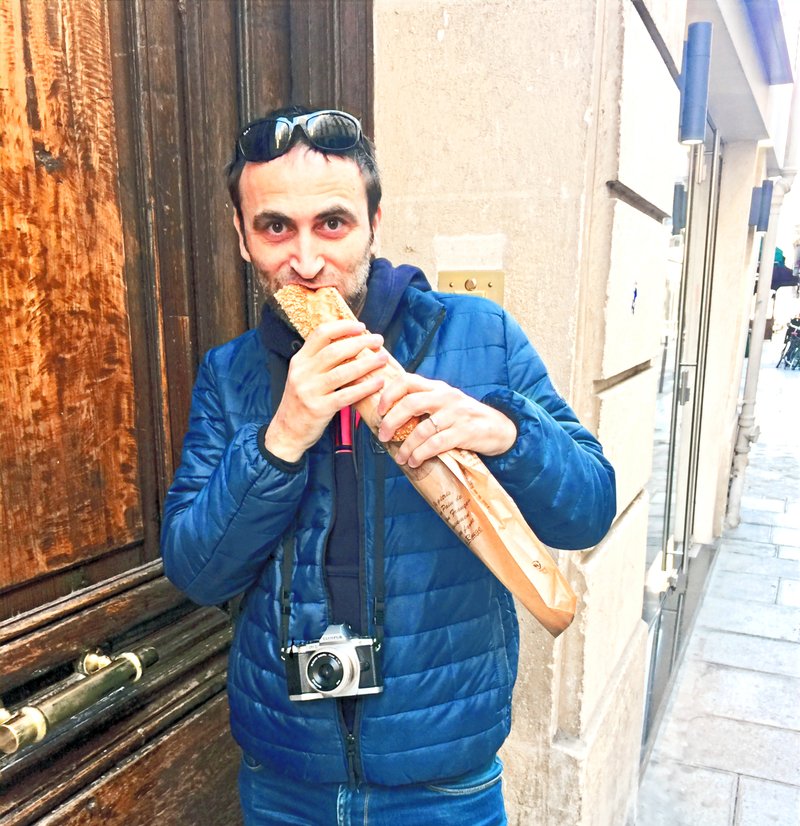
San Sebastian has more Michelin stars per capita than any city except Kyoto, but unlike the Japanese culinary capital, you can eat the best meal of your life here for EUR 3 while standing at a bar counter. This San Sebastian food guide cuts through the tourist traps and marketing fluff to show you exactly where to eat, what to order, and how much to pay.
The city's food scene operates on three distinct levels: the legendary pintxos bars where locals gather for EUR 2.50 small plates, mid-range restaurants serving refined Basque cuisine for EUR 25-40 per person, and the Michelin-starred temples where dinner costs more than most hotel rooms. Each tier delivers exceptional quality, but knowing which to choose for which occasion makes the difference between a good trip and a transformative one.
Understanding San Sebastian's Food Culture
Basque cuisine revolves around exceptional ingredients prepared simply. The txakoli poured from shoulder height, the idiazabal cheese aged in mountain caves, the anchovies from nearby Getaria - every element reflects this region's obsession with provenance and technique. The food culture here isn't performative; it's deeply functional, designed around the rhythms of daily life.
Pintxos bars open around 11:00 and serve until 15:00, then reopen from 19:00 to 23:00. The evening ritual involves moving between 4-6 bars, having one or two pintxos and a drink at each. You take what you want from the bar display, eat standing up, and pay based on your toothpick count when you leave. A complete evening costs EUR 25-40 and constitutes one of Europe's great culinary experiences.
The San Sebastian restaurants guide reality differs sharply from guidebook clichés. Many celebrated establishments coast on reputation while newer spots push boundaries. The key lies in understanding which traditions deserve preservation and which need updating.
The Essential Pintxos Bar Circuit
The Parte Vieja pintxos bars concentrate within a ten-block radius, making bar-hopping efficient and inevitable. Start your evening at one of these proven performers.
Bar Nestor: The Tortilla Standard
Bar Nestor on Calle de la Pescadería serves exactly two things well: tortilla española and txuleta (grilled steak). The tortilla arrives at 13:00 and 20:00 sharp - miss these times, and you're out of luck. The technique involves barely-set eggs around chunks of potato, creating a creamy interior that justifies the EUR 4 price. The txuleta costs EUR 35 and feeds two people, grilled over charcoal to achieve the proper char-to-pink ratio.
The bar holds maybe 15 people standing, so arrive early or prepare to wait on the narrow street. This isn't atmospheric dining; it's functional excellence delivered with zero ceremony.
Ganbara: Mushroom Specialists
Ganbara on Calle de San Jerónimo specializes in seasonal mushrooms and percebes (gooseneck barnacles). During autumn, they serve wild mushrooms grilled with garlic and parsley for EUR 6-8 per portion. The percebes, available year-round, cost EUR 18-24 per portion and taste like concentrated ocean essence.
The standing-only format means conversations flow between strangers, creating the social atmosphere that makes pintxos culture work. Order txakoli to accompany the mushrooms - the mineral acidity cuts through the earthiness perfectly.
La Cuchara de San Telmo: Modern Techniques
La Cuchara de San Telmo applies contemporary techniques to traditional ingredients. Their foie gras with apple costs EUR 4.50 and demonstrates how innovation enhances rather than obscures classic flavors. The carrillera (braised beef cheek) pintxo for EUR 3.50 shows similar restraint - modern presentation serving time-tested combinations.
This bar attracts food industry professionals, so expect higher standards and more experimental offerings than traditional spots. The wine list includes natural and biodynamic options alongside classic Rioja and Ribera del Duero selections.
What to Eat in San Sebastian: The Essential Dishes
The Basque cuisine guide essentials extend beyond pintxos into full meals that showcase the region's culinary depth. Understanding these dishes helps you order confidently at any level of restaurant.
Bacalao al Pil Pil
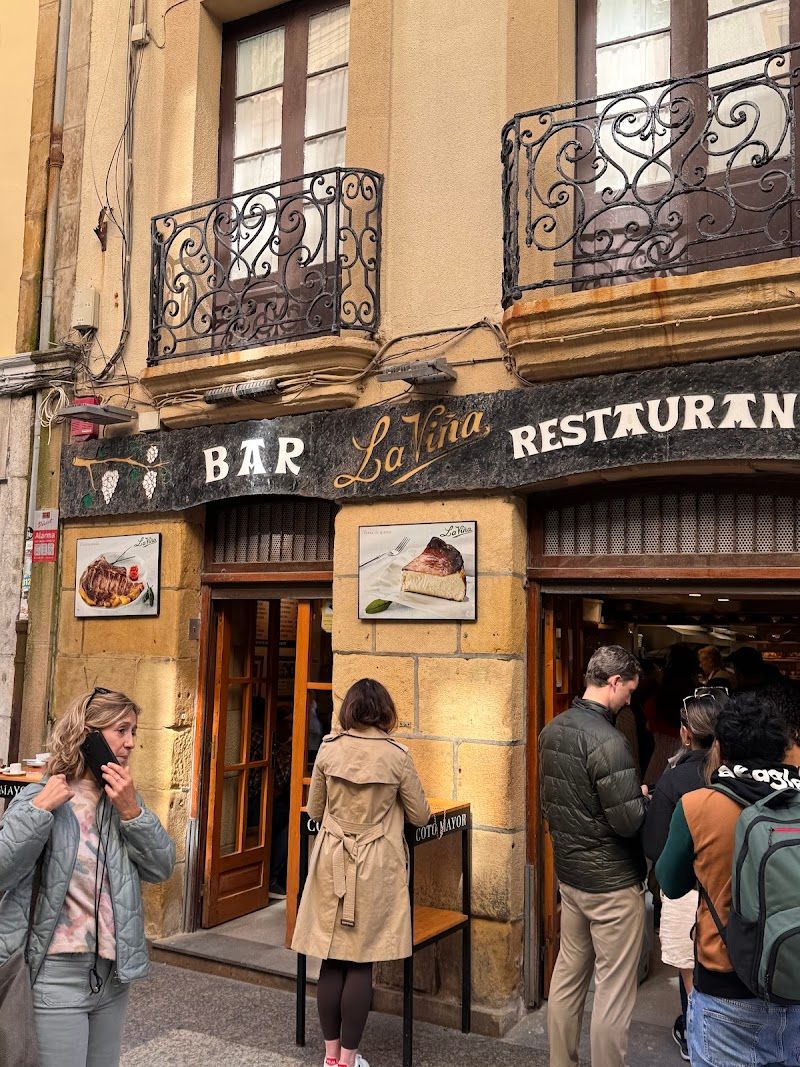
This preparation transforms salted cod into silk through an emulsion of olive oil, garlic, and the fish's own gelatin. The technique requires constant agitation of the pan to create the characteristic creamy sauce. La Viña serves an exemplary version for EUR 18, while high-end restaurants charge EUR 25-30 for the same dish with minor refinements.
The quality depends entirely on technique - poorly made pil pil separates into greasy oil and rubbery fish. When done correctly, each forkful delivers concentrated ocean flavor tempered by fruity olive oil.
Txuleta de Buey
Aged beef grilled over charcoal, served rare to medium-rare. The best versions use beef aged 30-60 days, developing complex flavors that justify prices of EUR 45-60 per kilogram. Gandarias serves excellent txuleta for EUR 38 per portion, while Bar Nestor's version costs EUR 35 and arguably tastes better.
The preparation is deceptively simple - salt, fire, timing. Restaurants that overcook txuleta or serve it without proper aging waste excellent raw materials on mediocre results.
Merluza a la Koskera
Hake prepared with clams, asparagus, and peas in a light green sauce. This dish represents Basque cuisine's lighter side, showcasing pristine fish without heavy accompaniments. Quality versions cost EUR 22-28 at mid-range restaurants, while pintxos bars offer simplified versions for EUR 5-7.
The sauce should taste primarily of the sea with vegetable notes, not cream or butter. Restaurants that mask the fish's delicate flavor with heavy sauces miss the point entirely.
San Sebastian Dining Recommendations by Price Point
Budget Excellence (EUR 15-25 per person)
Bodega Donostiarra in Gros serves traditional dishes in a no-frills environment. The menu del día costs EUR 15 and includes soup, main course, dessert, and wine. The quality exceeds most restaurants charging double the price. Their fabada asturiana (bean stew) and grilled fish showcase ingredients over technique.
Atari Gastroteka offers modern Basque cuisine at reasonable prices. The tasting menu costs EUR 28 and includes five courses that demonstrate contemporary approaches to local ingredients. Their interpretation of marmitako (tuna stew) for EUR 12 updates the classic dish without losing its essence.
Mid-Range Mastery (EUR 40-70 per person)
Kokotxa operates at the intersection of tradition and innovation. The EUR 65 tasting menu showcases seasonal ingredients through modern techniques while respecting classical flavor profiles. Their aged beef with txakoli reduction demonstrates how contemporary methods can intensify traditional tastes rather than obscure them.
The restaurant occupies a restored 16th-century building in the Parte Vieja, creating atmosphere without theme park theatrics. Service operates at professional levels without pretension - they'll explain dishes without lecturing about philosophy.
Narru Restaurant focuses on locally-sourced ingredients prepared with technical precision. The EUR 45 set menu changes monthly based on seasonal availability. Their treatment of local vegetables - particularly autumn mushrooms and spring asparagus - elevates simple ingredients through careful technique.
Luxury Experiences (EUR 150+ per person)
San Sebastian's Michelin-starred restaurants justify their reputations through consistent excellence rather than flash. Arzak (three stars) offers the EUR 195 tasting menu that demonstrates why the restaurant has maintained its reputation for four decades. The techniques may seem familiar now - they invented many of them.
Mugaritz (two stars) takes a more experimental approach with their EUR 185 menu. Some courses work brilliantly, others feel like exercises in cleverness. The inconsistency reflects the risk-taking that keeps the restaurant relevant but makes it less reliable for special occasions.
Traditional Cider Houses: A Complete Different Experience
Petritegi Sagardotegia represents the sagardotegi tradition: communal dining focused on cider, grilled meat, and aged cheese. The EUR 35 fixed menu includes unlimited natural cider poured directly from massive wooden barrels, grilled txuleta, salt cod omelet, aged idiazabal cheese, and walnuts.
The experience requires commitment - meals last 3-4 hours and involve significant alcohol consumption. The cider, fermented naturally without additives, tastes tart and slightly funky. Combined with the smoky meat and sharp cheese, it creates flavor combinations unavailable in restaurant settings.
Sagardotegi season runs from January through April, when the new cider reaches peak condition. Reservations are essential, and most houses operate only on weekends during peak season.
San Sebastian Food Scene: Markets and Shopping
La Bretxa Market provides insight into local ingredients and offers prepared foods for EUR 8-15 per portion. The upstairs restaurant serves market-fresh ingredients in simple preparations - their grilled vegetables with olive oil cost EUR 6 and taste better than elaborate restaurant versions.
The ground-floor vendors sell the same ingredients used by top restaurants. Buying idiazabal cheese directly from producers costs EUR 18-25 per kilogram compared to EUR 35-40 in restaurants. The quality remains identical because restaurants source from these same vendors.
San Martín Market specializes in organic and artisanal products. Their selection of local wines includes natural and biodynamic options unavailable elsewhere. Prices reflect the specialty nature - EUR 15-25 per bottle for wines that cost EUR 8-12 directly from producers.
Drinking Culture: Beyond the Basics
Txakoli deserves attention beyond its role as pintxos accompaniment. This slightly sparkling white wine, poured from height to aerate properly, pairs exceptionally with seafood and aged cheese. Quality bottles cost EUR 12-18 in shops, while bars charge EUR 3-5 per glass.
The pouring technique isn't theater - the height and narrow stream incorporate air that enhances the wine's mineral character. Bartenders who pour normally waste the wine's potential.
Zurito (small beer) remains the standard drink at traditional bars. The small size (150ml) allows progression through multiple bars without excessive alcohol consumption. Quality varies significantly between brands - Estrella Galicia and Mahou offer better flavor than mass-market options.
Seasonal Considerations for Food Lovers
Spring brings asparagus season, when restaurants throughout the city feature dishes highlighting this prized vegetable. White asparagus from nearby Navarra appears on menus from April through June, often prepared simply with olive oil and salt to showcase its delicate flavor.
Autumn mushroom season transforms restaurant menus and pintxos bar offerings. Wild mushrooms foraged from local forests appear in preparations ranging from simple grilled presentations to complex stews. Prices fluctuate based on seasonal availability, with premium varieties costing EUR 25-35 per portion.
Winter coincides with sagardotegi season, when traditional cider houses offer their fixed menus. The cold weather makes the hearty portions and warming alcohol more appealing than during summer months.
Getting the Most from Your San Sebastian Food Experience
Successful food tourism in San Sebastian requires understanding local rhythms rather than forcing tourist expectations. Lunch happens between 14:00-15:30, dinner starts after 21:00, and pintxos bars hit peak energy around 20:30-22:00.
Most restaurants close on Sunday evenings and Monday, limiting options on these days. Plan accordingly or focus on pintxos bars, which maintain more consistent schedules.
Reservations are essential for dinner at quality restaurants, particularly during summer and festival periods. However, lunch often accommodates walk-ins, especially at establishments focusing on traditional rather than contemporary cuisine.
The city's compact size means you can sample different neighborhoods' offerings within a single evening. Starting in the Parte Vieja and finishing in Gros provides variety without exhausting travel.
Understanding Spanish meal customs enhances the experience significantly. Bread comes automatically and is usually charged (EUR 1-2 per person). Tap water is free and safe. Service charges are included, but leaving EUR 5-10% for good service is appreciated rather than expected.
This San Sebastian dining recommendations approach - combining specific venues with cultural context - ensures you'll eat well regardless of budget or preferences. The city's food scene rewards curiosity and punishes preconceptions, making it ideal for travelers willing to trust local judgment over guidebook orthodoxy.
For comprehensive trip planning including accommodation and attractions, consult our complete San Sebastian itinerary guide to coordinate your culinary adventures with the city's other offerings.