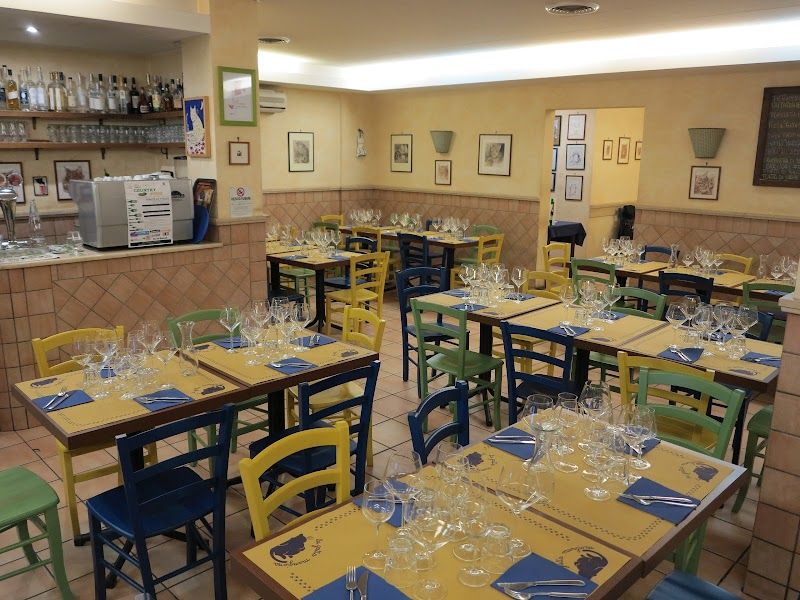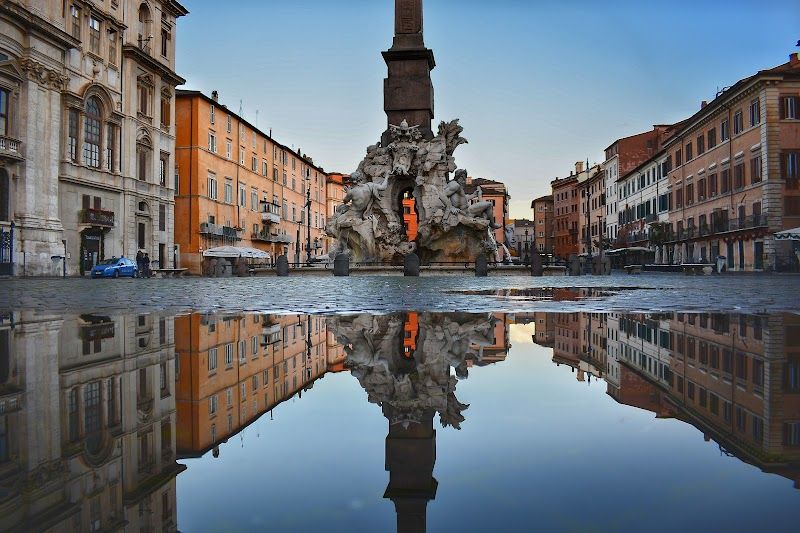
You're standing in a Roman kitchen at 7 PM, glass of Frascati in one hand, rolling pin in the other, flour dusted on your apron and a mild wine buzz making everything feel like the Italy trip you imagined. This is what a Rome tipsy cooking class delivers: the chance to learn authentic Roman pasta techniques while drinking wine that flows as freely as the conversation.
Rome tipsy cooking classes combine two of the city's greatest pleasures - exceptional food and excellent wine - into experiences that teach you skills you'll actually use back home. Unlike standard cooking classes that treat wine as an afterthought, these sessions integrate drinking into the learning process, creating the relaxed atmosphere where Italians actually cook.
The best classes happen in neighborhood kitchens where Romans cook daily, not tourist-focused venues that serve mass-produced experiences. You'll work with ingredients from markets like Campo de' Fiori, learn techniques passed down through generations, and drink wines from Lazio region vineyards that most visitors never discover.
Best Neighborhoods for Rome Tipsy Cooking Classes
Trastevere: Authentic Studios in Cobblestone Streets
Trastevere hosts the highest concentration of quality cooking class trastevere experiences, and for good reason. This neighborhood epitomizes the Rome that every food fantasy is built on: ivy-covered buildings, paper tablecloth trattorias, and kitchens where nonnas still roll pasta by hand every morning.
The area around Piazza di Santa Maria attracts the best instructors because rent remains reasonable compared to Centro Storico, and the neighborhood's food culture is still authentically Roman rather than tourist-facing. You'll find classes in converted apartments with original Roman tiles, where the wine selection focuses on natural wines from Frascati and Castelli Romani producers.
Classes here typically run EUR 85-120 per person for three-hour experiences that include aperitivo, pasta making, wine throughout the cooking process, and a full dinner featuring what you've prepared. The intimate settings usually accommodate 8-12 participants maximum, creating the dinner party atmosphere that makes these experiences memorable.
Trastevere classes excel at teaching Roman specialties like cacio e pepe, carbonara, and amatriciana - dishes that require technique rather than exotic ingredients, making them recreating at home.
Centro Storico: Historic Settings with Premium Ingredients
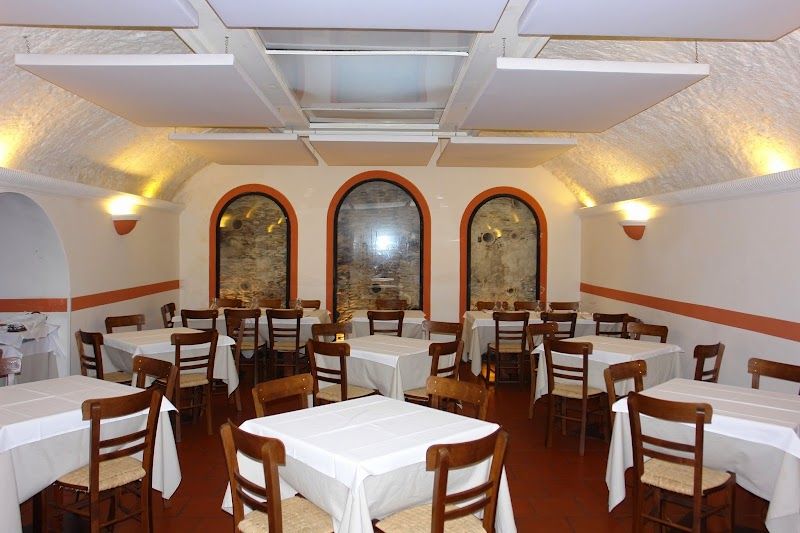
Cooking classes in Centro Storico occupy spaces with serious history - 15th-century palazzi with vaulted ceilings, former monastery kitchens, and apartments overlooking Roman ruins. The premium locations justify higher prices (EUR 110-150 per person), but deliver experiences you can't replicate elsewhere.
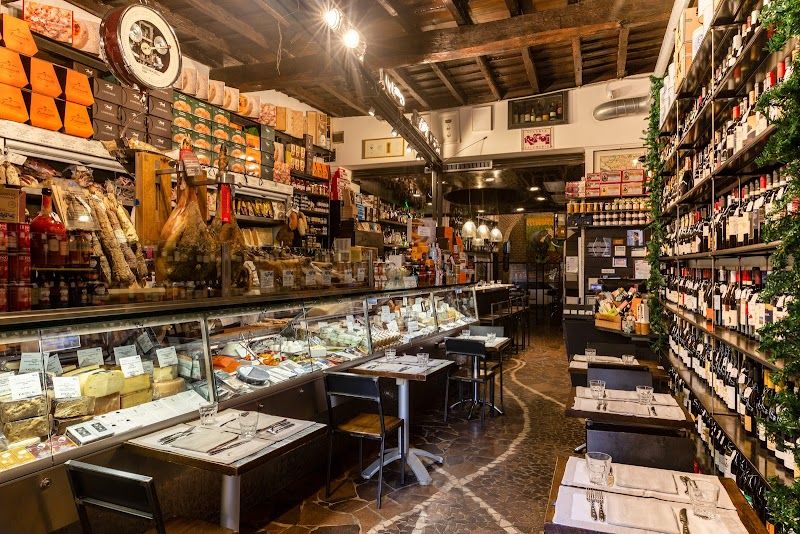
The proximity to premium food shops like Volpetti and Salumeria Roscioli means these classes work with exceptional ingredients: DOP cheeses aged in proper caves, guanciale from specific Amatrice producers, and wines that cost EUR 40-60 per bottle in restaurants but flow freely during classes.
These sessions attract serious food enthusiasts willing to invest in learning advanced techniques. You'll master egg pasta from scratch, understand why pecorino Romano quality matters in carbonara, and taste wine pairings that demonstrate why Romans drink Frascati with seafood pasta and Cesanese del Piglio with meat dishes.
Monti: Modern Approaches to Traditional Techniques
Monti cooking classes reflect the neighborhood's character: traditional Roman techniques presented with contemporary flair. Classes here happen in bright, modern kitchens where natural wine flows alongside organic ingredients sourced from producers who sell at farmer's markets rather than tourist shops.
Instructors in Monti tend to be younger Romans who learned from their grandmothers but adapt recipes for modern lifestyles. You'll learn to make carbonara with farm eggs that have orange yolks, understand why pasta water temperature matters, and drink wines from small Lazio producers who practice organic or biodynamic farming.
Pricing runs EUR 75-100 per person, making these classes excellent value for the quality delivered. The relaxed atmosphere encourages experimentation - you might learn three different approaches to aglio e olio or discover how different olive oils change a dish's character.
What Makes Rome Cooking Class Wine Experiences Special
Wine Integration vs. Wine Service
Exceptional Rome cooking class wine experiences integrate drinking into the cooking process rather than simply serving wine alongside food preparation. You'll sip while you cook because this is how Italians actually prepare meals - with a glass of wine, conversation flowing, and time moving slowly enough to enjoy the process.
The best classes pour wine that complements what you're preparing: light Frascati while making seafood pasta, medium-bodied Cesanese while preparing amatriciana with guanciale, or Malvasia del Lazio while crafting cheese-based dishes. This approach teaches wine pairing principles through experience rather than lecture.
Quality programs source wines from small Lazio producers whose bottles rarely appear in export markets. You'll taste Grechetto from Gradoli, Bellone from Anzio, or Aleatico from Gradoli - grapes that grow within 50 kilometers of Rome but remain unknown to most international visitors.
Regional Authenticity That Actually Matters
Authentic rome culinary experiences focus on regional specificity rather than generic "Italian" cooking. Rome's cuisine differs dramatically from Bolognese, Neapolitan, or Florentine traditions, and quality classes emphasize these distinctions.
Roman pasta dishes use specific techniques that developed from local ingredients: carbonara exists because Romans raised pigs and made exceptional pecorino, cacio e pepe emerged from shepherds' need for portable ingredients, and amatriciana reflects the mountain towns that supplied Rome with cured meats.
You'll learn why Romans never add garlic to carbonara, why cream is inappropriate in any Roman pasta dish, and why the pasta water's starch content determines whether cacio e pepe succeeds or fails. These details matter because they represent centuries of refinement based on available ingredients and cooking methods.
Technique Focus That Travels
The best tipsy cooking classes prioritize techniques that work in any kitchen over recipes that require specific Roman ingredients. You'll master the pasta water emulsification that makes carbonara creamy without cream, understand how pecorino melts differently than parmesan, and learn to adjust seasoning while wine affects your palate.
These skills transfer to home cooking because they're based on understanding ingredients rather than following rigid recipes. A Roman chef's approach to balancing fat, salt, and acid works whether you're using guanciale from Amatrice or pancetta from your local market.
Pasta Making Rome Classes: What You'll Actually Learn
Hand-Rolled vs. Machine-Made Pasta
Authentic pasta making rome classes teach both hand-rolled and machine-assisted techniques because Romans use both methods depending on the dish and occasion. Hand-rolled pasta like pici requires only flour, water, and patience - skills that translate perfectly to home kitchens without specialized equipment.
You'll learn to feel when pasta dough has the right texture, understand how humidity affects flour absorption, and develop the rhythm required for consistent thickness when rolling by hand. These tactile skills, enhanced by wine's relaxation effects, often click during tipsy cooking classes when analytical thinking steps aside.
Machine techniques focus on achieving consistent results with tools available to home cooks. You'll use hand-crank pasta machines similar to what middle-class Roman families own, learning to adjust thickness settings and achieve the right texture for different sauce applications.
Roman-Specific Shapes and Techniques
Roman pasta shapes developed for specific sauces and cooking methods used in the city's kitchens. Tonnarelli (square-cut spaghetti) holds cacio e pepe's cheese sauce better than round spaghetti because the square edges create more surface area for the cheese to grip.
You'll practice cutting techniques that create consistent strand thickness, learn why some shapes work better with chunky sauces while others suit oil-based preparations, and understand how cooking times vary based on pasta thickness and shape.
Traditional Roman gnocchi uses semolina rather than potato, creating denser dumplings that pair perfectly with tomato sauces. These techniques require understanding ingredient ratios and cooking methods that differ from Northern Italian approaches.
Booking the Right Rome Food Experiences
Seasonal Scheduling and Availability
Rome tipsy cooking classes operate year-round, but seasonal factors affect both availability and experience quality. Spring (April-May) and fall (September-October) offer ideal conditions with comfortable temperatures, seasonal ingredients at peak quality, and manageable tourist crowds.
Summer classes (June-August) can feel uncomfortably warm in traditional Roman kitchens without modern air conditioning, though wine consumption helps participants care less about temperature. Winter sessions (December-February) create cozy atmospheres hearty pasta dishes and full-bodied red wines.
Book 2-3 weeks ahead during peak seasons (Easter, summer, Christmas) and 4-5 days ahead during shoulder seasons. Many quality classes limit enrollment to 8-10 participants, so popular time slots fill quickly.
Price Comparison and Value Assessment
| Class Type | Duration | Price Range | Includes | Best Value |
|---|---|---|---|---|
| Basic Tipsy Class | 2.5 hours | EUR 75-95 | Wine, pasta, dinner | High |
| Premium Experience | 3-4 hours | EUR 110-150 | Premium wines, multiple courses | Medium |
| Private Group | 3 hours | EUR 140-180/person | Customized menu, dedicated chef | High for groups |
| Market + Cooking | 4-5 hours | EUR 120-160 | Market tour, premium ingredients | Highest |
The sweet spot for value falls in the EUR 85-110 range where classes provide quality instruction, generous wine service, and authentic experiences without premium location markups. Classes under EUR 75 often compromise on wine quality or instruction depth, while those over EUR 150 add luxury touches that don't necessarily improve learning outcomes.
Private group bookings become cost-effective with 6+ participants and allow customization impossible in group settings. You can focus on specific techniques, accommodate dietary restrictions, and control wine selection and consumption pace.
Red Flags and Quality Indicators
Avoid classes that advertise "traditional recipes from all regions of Italy" - quality Roman cooking classes focus specifically on Roman and Lazio cuisine. Authentic experiences emphasize techniques and local ingredients over entertainment value and Instagram-worthy presentations.
Quality indicators include small class sizes (maximum 10-12 people), wine service throughout cooking rather than only during dinner, and instructors who explain why techniques work rather than simply demonstrating steps. Classes that include market visits or ingredient sourcing discussions demonstrate commitment to authenticity.
Steer clear of experiences that promise to teach "5 pasta shapes in 2 hours" or guarantee you'll "master Italian cooking" in a single session. Legitimate classes focus on 1-2 dishes prepared properly rather than rushing through multiple recipes superficially.
If you'd rather book a vetted small-group class than sift listings yourself, the Rome cooking classes page collects pasta-and-wine sessions with live availability and current prices. If you decide you'd rather taste than cook, Eating Italy Food Tours runs guided food walks instead.
Beyond the Kitchen: Maximizing Your Culinary Experience
Pre-Class Preparation
Arrive hungry but not starving, and pace alcohol consumption before class begins. Most tipsy cooking classes serve wine throughout 3-4 hour experiences, totaling 3-4 glasses per person alongside substantial food consumption. Starting tipsy reduces learning effectiveness and enjoyment.
Wear comfortable, closed-toe shoes and clothes you don't mind getting splashed with tomato sauce or dusted with flour. Bring a small notebook if you want to record techniques or wine recommendations - many participants forget details after wine consumption.
Consider booking classes early in your Rome visit rather than on your last day. The techniques and ingredient knowledge enhance subsequent restaurant experiences and food guide recommendations throughout your trip.
Post-Class Integration
The best cooking classes provide ingredient sourcing information and technique reinforcement materials. Use this knowledge to enhance your remaining Rome dining experiences by ordering dishes you've learned to prepare and comparing restaurant versions with your classroom experience.
Visit recommended wine shops like Trimani or Enoteca Costantini to purchase bottles of wines tasted during class. Many featured producers sell only in Italy, making these purchases unique additions to your wine collection.
Practice techniques learned during class at restaurants that offer interactive experiences. Some trattorias in Testaccio let enthusiastic customers help with pasta preparation during slow periods, providing opportunities to reinforce classroom learning.
Continuing Roman Food Education
Book multiple cooking experiences focusing on different aspects of Roman cuisine. Follow your tipsy pasta class with bread-making workshops, pizza al taglio classes, or guided market tours that build comprehensive understanding of the city's food culture.
Consider day trips to Frascati or Castelli Romani wine regions to visit producers whose wines you've tasted during cooking classes. These excursions, easily reached by regional trains, provide context for wine and food pairings learned in Roman kitchens.
Explore Rome's serious food shops armed with knowledge from cooking classes. Visits to Roscioli or Volpetti become educational experiences when you understand ingredient quality differences and traditional preparation methods.
Rome tipsy cooking classes succeed because they combine skill-building with genuine enjoyment, wine consumption with cultural education, and hands-on learning with social experience. You'll leave with techniques that improve your home cooking, wine knowledge that enhances future Italian travels, and memories of an evening when learning to cook felt like the natural extension of a great dinner party. Book classes early in your Rome visit to enhance every subsequent meal, and choose experiences that prioritize authenticity over entertainment value.