The porto vs algarve question comes up constantly among first-time visitors to Portugal, and it deserves a direct answer rather than the usual "it depends on what you like" non-answer. It does depend on what you like, but those preferences are specific and we can work through them. Porto is a granite city built on wine, bacalhau, and a pride that borders on stubbornness. The Algarve is 150 kilometers of limestone coastline, whitewashed villages, and beach bars that open in April and close in October. They share a country and a language. Almost everything else is different.
If you have limited time and can only do one, this comparison will give you a clear answer. If you are doing both, it will tell you which to prioritize and in what order.
What Porto Actually Gives You
Porto is a city you understand gradually. The Ribeira waterfront looks photogenic in every travel photo, and it is, but the real texture of the city is higher up: narrow streets in the Bairro da Sé, tiled facades peeling in the wet Atlantic air, the smell of a tasca kitchen at lunchtime. This is not a city that performs for you. It has been here since before Portugal was Portugal, and it knows it.
The practical highlights are concentrated enough that three days covers the core without rushing. Walk the Dom Luís I Bridge (free, and the upper deck view toward the Douro estuary is genuinely worth the wind). Cross to Vila Nova de Gaia and spend an afternoon at the port wine cellars along the Cais de Gaia. A port wine tasting at Sandeman costs EUR 15-25 depending on the flight you choose, and a glass of decent tawny poured at a cellar bar runs EUR 3-8. Neither requires a tour if you just want to drink and look at barrels.
Food is the strongest argument for Porto. The francesinha at Cafe Santiago, on Rua Passos Manuel, costs around EUR 8-15 and is the version most Porto residents point to when the debate starts. It is a layered construction of cured meats, sausage, and steak under melted cheese and a beer-tomato sauce that arrives in a clay dish, served with fries. It is heavy, caloric, and exactly right for a wet afternoon in October. You will not find this in the Algarve, or anywhere else.
A budget lunch at a local tasca, the daily prato do dia, runs EUR 7-12 and usually includes soup, a main course, bread, and a drink. An espresso costs EUR 0.8-1.5. A pastel de nata at a bakery is EUR 1-1.5. Porto is cheaper than Lisbon for food and significantly cheaper than any beach resort in the Algarve during high season.
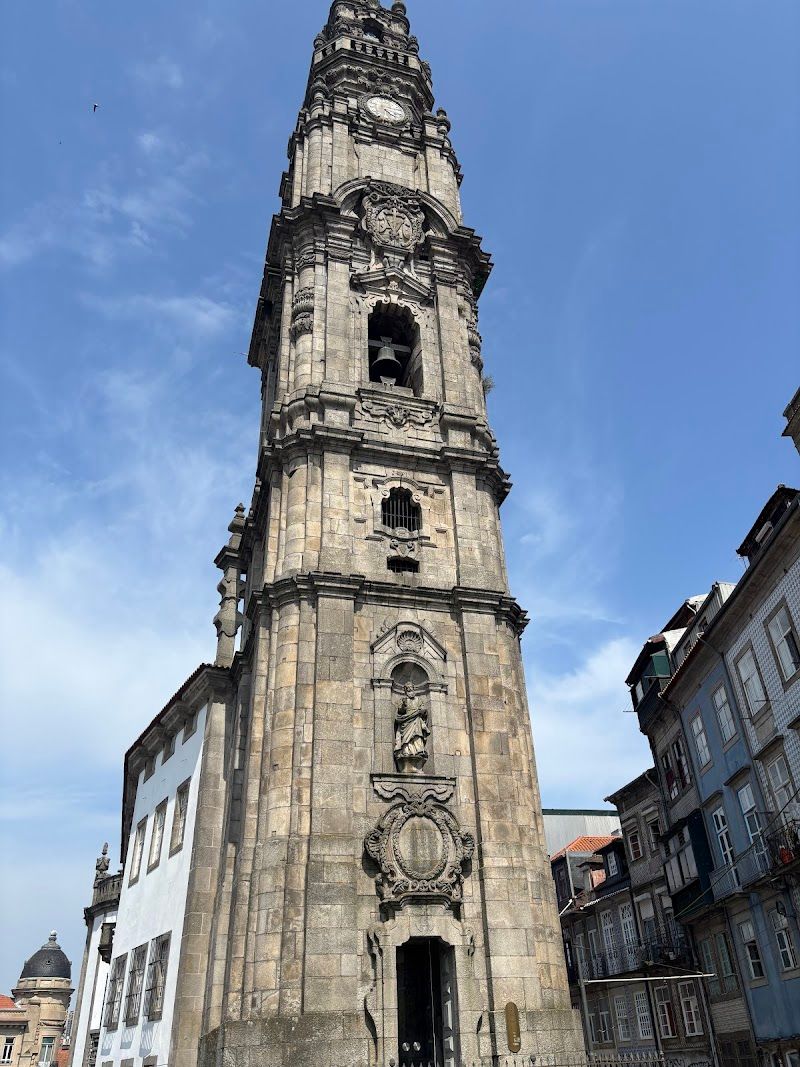
For culture, the Clerigos Tower charges EUR 6 and gives you the best overhead view of the city's roofscape. Livraria Lello, the famous bookshop, costs EUR 6 to enter (refundable with a book purchase). The Palácio da Bolsa guided tour is EUR 11 and worth every euro for the Arab Room alone, a Moorish-revival banquet hall inside a 19th-century stock exchange building that makes no historical sense and is spectacular for it. The Museu de Serralves, Porto's contemporary art museum, charges EUR 12 and sits inside grounds large enough to justify a half-day.
See our first-timer's Porto itinerary if you want a day-by-day structure for a short visit.
What the Algarve Actually Gives You
The Algarve delivers on exactly one promise: the coast. The western Algarve around Sagres and Lagos has cliffs, sea caves, and water that stays cool enough to be refreshing even in July. The central Algarve around Albufeira is where the package-holiday infrastructure is heaviest, with a corresponding drop in authenticity and a rise in volume. The eastern Algarve, toward Tavira and the Spanish border, is quieter and more interesting architecturally, with a Moorish influence in the town layouts and rooftop terraces.
What the Algarve does not have is the density of culture that Porto offers. There are Roman ruins at Milreu, the fort at Sagres, and a handful of decent regional food traditions (cataplana, the copper-pot seafood stew, is the one worth seeking out). But you are not going to the Algarve to eat francesinha and drink 40-year tawny port at a cellar built in 1790. You go for the beach, the cliffs, and the sun.
Weather is the critical variable. The Algarve gets roughly 300 days of sun per year. Porto gets roughly 120. This is not a small difference.
Porto vs Algarve: Side-by-Side Comparison
| Factor | Porto | Algarve |
|---|---|---|
| Best months | May-June, September-October | June-September |
| Rain risk | High Oct-March | Low May-October |
| Average high (July) | 25°C | 30°C |
| Cultural depth | High | Low-medium |
| Food scene | Exceptional | Good (seafood focus) |
| Beach quality | Limited (Matosinhos: free by metro) | Outstanding |
| Budget friendliness | High year-round | Lower in peak season |
| Crowds | Manageable outside summer | Heavy July-August |
| Transport | Metro, good city links | Car near-essential |
| Days needed | 3-4 minimum | 5-7 for a proper trip |
When Porto Wins the Argument
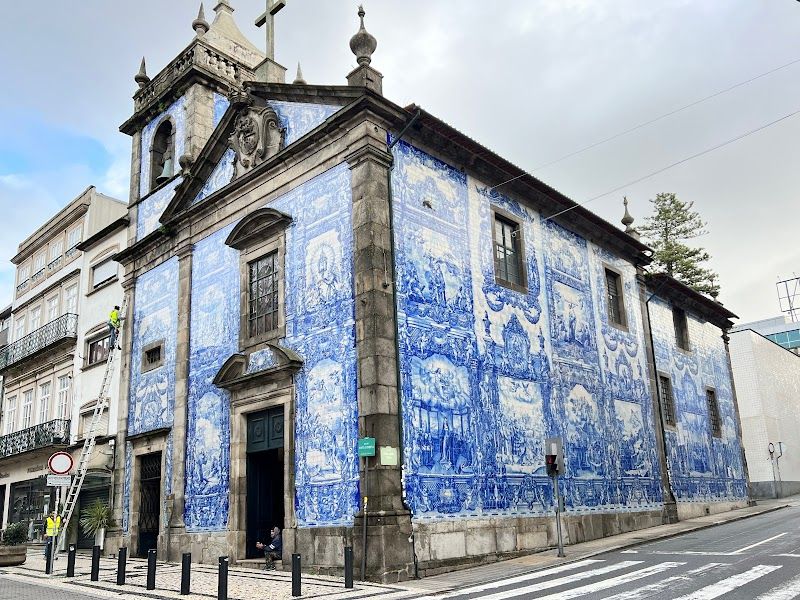
Choose Porto if you are traveling between October and April. The Algarve in November is functional but half-closed, with many restaurants and hotels shuttered for the season. Porto in November is fully operational, the crowds have thinned, and the rain makes the azulejo tiles on the church facades look better, not worse. The Igreja de Santo Ildefonso, covered in 20,000 blue and white tiles, is one of the most arresting exteriors in Portugal, and you will have it largely to yourself in low season.
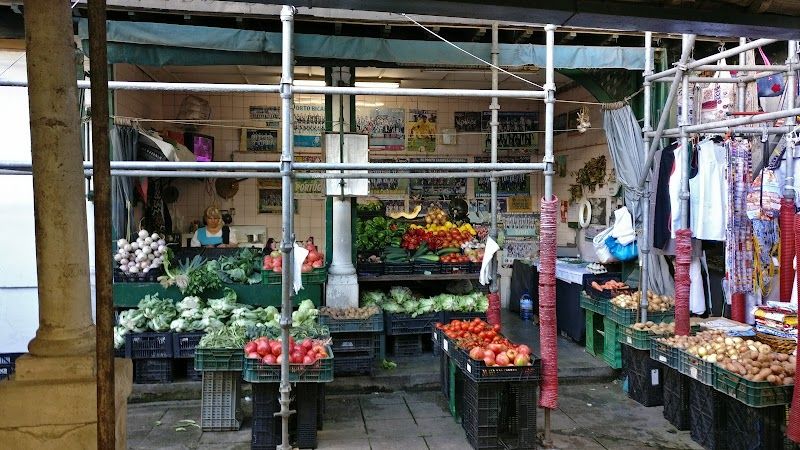
Choose Porto if you care about eating well on a budget. A mid-range dinner for two with wine in Porto costs EUR 25-40 per person. The equivalent in Albufeira in July costs more and is likely worse. Porto's Mercado do Bolhão, restored and reopened in the Cedofeita and Bolhão neighborhood, is a working food market where locals buy vegetables and olives and salt cod, not a tourist food hall. The distinction matters.
Choose Porto if you want to understand Portugal rather than just visit it. The city is where port wine was born, where the revolution of 1820 started, where the country's industrial identity took shape. That history is visible in the architecture, audible in the fado bars along the Ribeira (Ideal Clube de Fado on Rua da Sé runs regular sessions), and legible in the Sao Bento Railway Station, whose entrance hall is lined with 20,000 azulejo panels depicting Portuguese history. It is free to enter. It is one of the most extraordinary public spaces in Europe.
Choose Porto if you are traveling solo or as a couple interested in nightlife, wine bars, and walking a city that rewards exploration. The Clerigos and University quarter has the highest concentration of wine bars and cafes, and the streets around Rua Galeria de Paris stay lively until 3am on weekends.
When the Algarve Wins the Argument
Choose the Algarve if you are traveling with young children in summer and a beach is the non-negotiable. Porto has Matosinhos Beach, accessible free by metro, and it is a real beach with good waves. But it is a city beach, not the Algarve. If the purpose of the trip is swimming, sunbathing, and watching kids play in shallow coves, the Algarve delivers that at a scale Porto cannot match.
Choose the Algarve if you are traveling in July or August and do not have a strong cultural agenda. Porto in August is warm but not hot, and the city does thin out as Portuguese locals head to their own coastal resorts. But if sun and temperature are your metrics, the Algarve wins.
Choose the Algarve if you want complete relaxation with minimal logistics. Rent a villa, drive to a different beach each day, eat seafood, read. Porto requires more engagement, more walking up steep hills, more navigating a real city. That is a feature for some travelers and a drawback for others.
Best Time to Visit Porto vs the Algarve
For Porto: May, June, September, and October are the sweet spot. Temperatures sit between 18°C and 25°C, rain is infrequent but possible, crowds are lower than peak summer, and the city is fully operational. July and August are fine but busier and slightly less pleasant than the shoulder months. February and March are the honest low season: cheaper, quieter, and genuinely rainy around 12-15 days per month on average. There is a full guide to what to know before your first Porto visit if you are planning ahead.
For the Algarve: June and September are better than July and August. Peak July-August brings the highest prices, the most crowds at the cliff formations around Ponta da Piedade, and the longest queues at anything worth doing. June gives you reliable sun, lower prices, and the water is already warm enough for swimming.
Should You Do Both?
If your trip is ten days or longer, yes, do both. The train from Porto to Faro (the main Algarve hub) takes roughly five hours direct and costs approximately EUR 25-45 depending on how early you book. Fly Porto to Faro if time is tight, which takes about an hour.
The recommended order is Porto first, Algarve second. Porto rewards you more when you are fresh and ready to walk and explore. After four days of climbing hills and eating francesinha, a few days on a flat beach with a cold beer feels earned rather than lazy. The reverse order tends to leave people feeling like the Algarve was the main event and Porto was an add-on, which undersells what Porto is.
For a three-to-four day Porto leg before heading south, our food guide covers where to eat across all budgets, neighborhoods, and meal types.
The Honest Verdict
Porto wins for culture, food, budget travel, and off-peak trips. It is the more interesting city in Portugal (yes, including Lisbon, but that is a separate argument), and it is genuinely underpriced for what it offers. A hostel dorm costs EUR 15-25 per night, a mid-range hotel room EUR 80-150, and you can eat extremely well for under EUR 20 per day if you eat where locals eat.
The Algarve wins for sun, swimming, and trips with children in summer. It is not a complicated destination, and it does not try to be. The cliffs are real, the water is clear, and if that is what you need, Porto cannot substitute for it.
If you are asking the porto vs algarve question because you want to understand Portugal, eat well, and walk a city that has actual history embedded in its streets, book Porto. If you are asking because you want a proper beach holiday in guaranteed sun, book the Algarve. Both are worth your time. Neither is a wrong answer. But they are very different trips, and knowing which one you actually want will make the whole experience better.