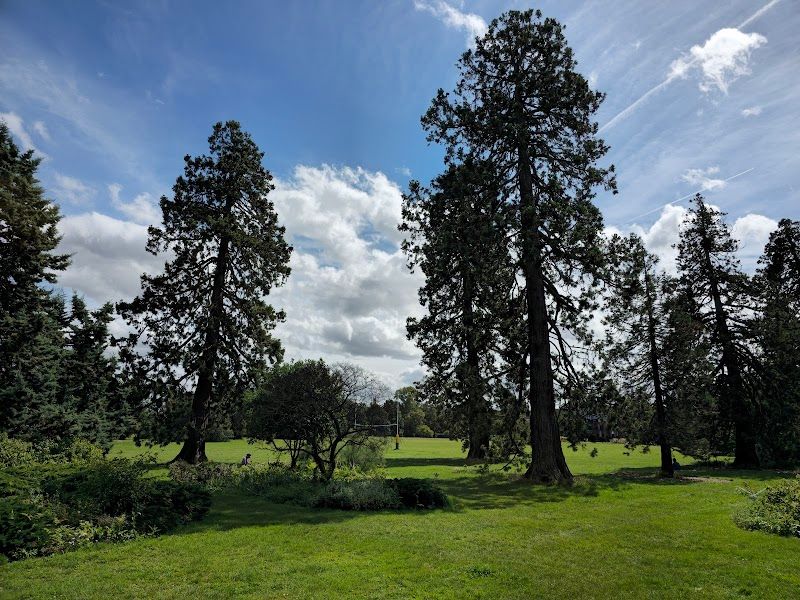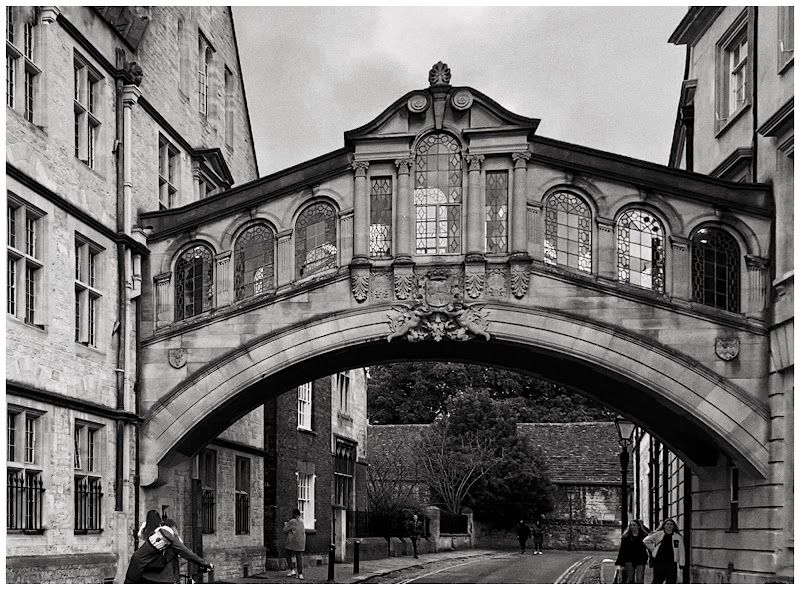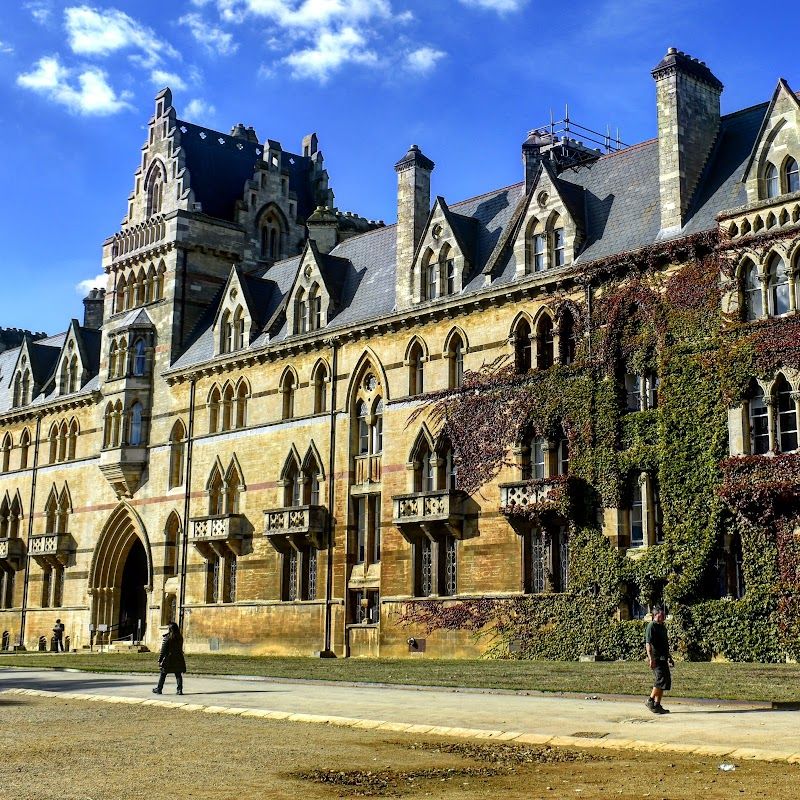

Oxford's weather plays by British rules, which means you'll encounter everything from crisp winter mornings that make the Bodleian Library look even more medieval to warm summer afternoons punting on the Cherwell. The Oxford temperature by month varies dramatically, and understanding these patterns will determine whether you're shivering through a college tour or comfortably exploring the Covered Market in a light jacket.
I've lived through four full seasonal cycles in Oxford, and the city's microclimate surprises visitors more than they expect. The Thames Valley location creates its own weather patterns that can differ from London by several degrees. Here's exactly what to expect each month, backed by meteorological data and practical experience.
Oxford Climate Overview: What Makes This Weather Unique
Oxford sits in south-central England's Thames Valley, about 90 kilometers northwest of London. This positioning creates a temperate oceanic climate with distinct seasonal variations but without the extreme temperatures you'd find in continental Europe or North America.
The city experiences annual temperature ranges from winter lows around 2°C to summer highs reaching 23°C. Rainfall averages 650mm annually, distributed fairly evenly throughout the year with slightly wetter periods in autumn and winter. The proximity to the River Thames and Cherwell creates morning mists that often lift by 10 AM, especially in autumn.
What makes Oxford's weather tricky: The stone buildings and narrow medieval streets create wind tunnels in winter, making temperatures feel 3-4 degrees colder than reported. Conversely, the same stone architecture retains heat during summer, keeping Central University & Bodleian areas warmer into the evening.
Winter in Oxford: December Through February
December Weather Patterns
Average high: 8°C
Average low: 3°C
Rainfall: 60mm across 14 days
Daylight hours: 7.5 hours (sunrise 8:00 AM, sunset 3:30 PM)
December brings Oxford's shortest days and the beginning of genuine winter weather. The famous "dreaming spires" often disappear into low-hanging clouds, and frost appears regularly on college lawns by mid-month. Rain falls on about half the days, usually as persistent drizzle rather than heavy downpours.
Pack for December: Waterproof jacket with hood, warm sweater, thermal underlayer, waterproof shoes with good grip, warm hat, and gloves. The stone floors in buildings like Christ Church College stay cold, so avoid thin-soled shoes.
January: Oxford's Coldest Month
Average high: 7°C
Average low: 2°C
Rainfall: 55mm across 12 days
Daylight hours: 8 hours (sunrise 7:45 AM, sunset 4:15 PM)
January delivers Oxford's lowest temperatures, with frost common and occasional snow that usually melts by noon. The University Parks look stark but beautiful, and indoor attractions like the Ashmolean Museum become particularly appealing.
January reality check: Those 2°C lows feel more like -2°C when walking down narrow streets like Turl Street or around Radcliffe Square due to wind chill. Morning college tours at 9 AM can be genuinely uncomfortable without proper layering.
Pack for January: Heavy winter coat, wool or fleece sweater, thermal base layers, waterproof boots, warm scarf, insulated gloves, and wool socks. Indoor heating varies dramatically between modern hotels and historic college buildings.
February: Signs of Spring
Average high: 8°C
Average low: 2°C
Rainfall: 45mm across 10 days
Daylight hours: 10 hours (sunrise 7:15 AM, sunset 5:15 PM)
February marks winter's gradual retreat with slightly longer days and the first hints of spring. Temperatures remain similar to January, but psychologically, the extended daylight makes everything feel warmer. Snowdrops appear in college gardens, particularly beautiful at Magdalen College.
Pack for February: Similar to January but you can consider a lighter jacket for afternoon walks. The extra daylight hours make evening pub visits to places like The Eagle and Child more appealing.
Spring in Oxford: March Through May
March: Variable Weather Begins
Average high: 11°C
Average low: 4°C
Rainfall: 50mm across 11 days
Daylight hours: 12 hours (sunrise 6:30 AM, sunset 6:30 PM)
March brings Oxford's most unpredictable weather. You might experience a warm 15°C afternoon exploring Christ Church Meadow, followed by a sudden temperature drop requiring a winter coat by evening. This variability makes packing challenging but the longer days compensate.
Pack for March: Layering system with light jacket, medium-weight sweater, long pants, and a backup warm layer. Waterproof shoes remain essential as March can be wet and muddy, especially in the meadows and parks.
April: True Spring Arrives
Average high: 14°C
Average low: 6°C
Rainfall: 45mm across 10 days
Daylight hours: 14 hours (sunrise 5:45 AM, sunset 7:45 PM)
April transforms Oxford into the postcard version of itself. Cherry blossoms bloom along Broad Street, daffodils carpet the college gardens, and afternoon temperatures regularly reach comfortable levels for walking tours. This is when punting on the Cherwell becomes feasible again.
April weather patterns: Mornings still require jackets (6°C), but by 2 PM you might be comfortable in just a sweater. Rain becomes less frequent but more intense when it occurs.
Pack for April: Light jacket, cotton or wool sweater, comfortable walking shoes, light rain jacket, and the flexibility to remove or add layers throughout the day.
May: Nearly Perfect Weather
Average high: 18°C
Average low: 9°C
Rainfall: 50mm across 11 days
Daylight hours: 16 hours (sunrise 5:15 AM, sunset 8:15 PM)
May offers Oxford's most consistently pleasant weather. The combination of warm afternoons, cool but not cold mornings, and long daylight hours makes this month ideal for outdoor activities. College gardens reach peak beauty, and outdoor seating at pubs like The Perch becomes comfortable.
Pack for May: Light cotton sweater, comfortable walking shoes, light rain jacket (just in case), and perhaps a t-shirt for warm afternoons. This is when you can finally pack lighter.
Summer in Oxford: June Through August
June: Early Summer Warmth
Average high: 21°C
Average low: 12°C
Rainfall: 55mm across 10 days
Daylight hours: 17 hours (sunrise 4:45 AM, sunset 9:15 PM)
June brings consistently warm weather with the year's longest days. Morning mist over the Thames becomes a regular feature, usually burning off by 9 AM to reveal clear skies. This is prime tourist season, and outdoor attractions like University Parks become crowded but enjoyable.
June considerations: While 21°C sounds moderate, the stone buildings in areas like Jericho can create heat islands that feel 3-4 degrees warmer. Indoor spaces like the Pitt Rivers Museum provide cool relief.
Pack for June: Light cotton shirts, comfortable shorts or light pants, comfortable walking shoes, light cardigan for evening, and sunglasses. The extended daylight means dinner outdoors is possible until after 8 PM.
July: Peak Summer Heat
Average high: 23°C
Average low: 14°C
Rainfall: 45mm across 9 days
Daylight hours: 16.5 hours (sunrise 5:00 AM, sunset 9:00 PM)
July delivers Oxford's warmest weather, though "hot" by British standards means comfortable by most international standards. The stone architecture retains heat well, making evening walks through the university area pleasant until after 9 PM. This is also the driest month, with rain less frequent but often arriving as sudden afternoon thunderstorms.
July reality: Those 23°C highs can feel warmer in direct sun between stone buildings. The Bodleian Library tour becomes a cool respite during peak afternoon heat.
Pack for July: Lightweight cotton clothing, comfortable sandals or breathable shoes, sun hat, sunscreen, and a very light layer for air-conditioned spaces. Evening temperatures around 16°C mean you might want a light sweater for late pub visits.
August: Summer's End
Average high: 23°C
Average low: 14°C
Rainfall: 50mm across 10 days
Daylight hours: 15 hours (sunrise 5:30 AM, sunset 8:30 PM)
August maintains July's temperatures but with slightly more rainfall and noticeably shorter days. The weather remains excellent for all outdoor activities, from walking tours to college visits, though you'll notice sunset coming earlier each week.
Pack for August: Similar to July but add a light jacket for later evenings. The month often ends with hints of autumn, so a medium-weight layer becomes useful by month's end.
Autumn in Oxford: September Through November
September: Ideal Visiting Weather
Average high: 20°C
Average low: 11°C
Rainfall: 55mm across 10 days
Daylight hours: 13 hours (sunrise 6:15 AM, sunset 7:15 PM)
September combines summer's warmth with autumn's more reliable weather patterns. This month offers some of Oxford's best conditions for sightseeing - warm enough for comfort but cool enough to avoid overheating during long walking tours. The tourist crowds thin out after August, making popular sites like Christ Church College more enjoyable.
September advantages: Perfect temperature for spending entire days outdoors, reduced crowds at major attractions, and the beginning of autumn colors in college gardens and along the Thames Path.
Pack for September: Medium-weight sweater, comfortable walking shoes, light rain jacket, and layers for temperature variations between morning and afternoon.
October: Autumn Colors Peak
Average high: 16°C
Average low: 8°C
Rainfall: 70mm across 13 days
Daylight hours: 10.5 hours (sunrise 7:00 AM, sunset 5:30 PM)
October transforms Oxford into a photographer's dream with autumn foliage reaching peak color. The temperature drop becomes noticeable, especially in the shortened daylight hours, but remains comfortable for all outdoor activities. Rainfall increases, often arriving as persistent drizzle that enhances the atmospheric quality of the medieval streets.
Pack for October: Warm sweater, waterproof jacket, sturdy walking shoes, warm layers, and an umbrella. The stone buildings start feeling noticeably cooler, so dress for indoor comfort as well.
November: Winter's Approach
Average high: 11°C
Average low: 5°C
Rainfall: 65mm across 13 days
Daylight hours: 8.5 hours (sunrise 7:30 AM, sunset 4:00 PM)
November marks the transition to winter weather with noticeably shorter days and the return of heating bills. Morning frost appears regularly, and the famous Oxford mist becomes more frequent. Indoor attractions like the Oxford University Museum of Natural History become particularly appealing.
Pack for November: Winter coat, warm sweater, waterproof shoes, hat and gloves for morning walks, and layers for varying indoor temperatures in historic buildings.
Oxford Seasonal Weather: Best Times to Visit
Peak Season Analysis
Best overall weather: May through September
Ideal visiting months: May, June, and September
Avoid if weather-sensitive: December through February
The conventional wisdom suggests summer visits, but May and September offer Oxford's best combination of pleasant weather and manageable crowds. July and August bring peak temperatures but also peak tourism, making popular sites like the Radcliffe Camera area uncomfortably crowded.
Budget considerations: Accommodation prices follow weather patterns, with summer months commanding premium rates (GBP 200-300 for mid-range hotels) while winter visits can find deals (GBP 120-180 for similar properties).
Oxford Weather and Activities: Matching Your Plans
Cold Weather Activities (November-March)
Winter weather makes indoor attractions particularly appealing. The Ashmolean Museum and Pitt Rivers Museum offer collections with reliable heating. College tours continue year-round, but focus on covered areas like the Bodleian Library Divinity School rather than outdoor spaces.
Winter pub strategy: Historic pubs like Turf Tavern and The Eagle and Child become cozy refuges with working fireplaces and warm atmospheres that enhance rather than detract from the Oxford experience.
Warm Weather Activities (May-September)
Summer temperatures make outdoor activities irresistible. Punting on the Cherwell becomes comfortable and popular (GBP 30 per hour), while walking tours of multiple colleges in a single day become feasible without weather-related misery.
College gardens: Summer access to normally restricted college gardens becomes a major draw. Many colleges open their grounds for self-guided tours, providing respite from the stone and mortar with carefully maintained green spaces.
What to Pack for Oxford by Season
Winter Packing Essentials (December-February)
- Outer layer: Waterproof winter coat with hood
- Insulation: Wool or fleece sweater, thermal base layer
- Lower body: Warm pants, thermal underwear if staying outdoors long
- Feet: Waterproof boots with good grip for cobblestones
- Accessories: Warm hat, insulated gloves, scarf
- Extras: Small umbrella, hand warmers for college tours
Spring/Autumn Packing Strategy (March-May, September-November)
- Layering system: Light jacket, medium sweater, long-sleeve shirt
- Flexibility: Items you can add or remove as temperatures change
- Water protection: Light rain jacket or umbrella
- Comfortable footwear: Walking shoes suitable for cobblestones and occasional puddles
Summer Packing Approach (June-August)
- Base layers: Cotton t-shirts, lightweight long sleeves for sun protection
- Bottoms: Comfortable shorts, light pants for evening
- Footwear: Breathable walking shoes, comfortable sandals
- Sun protection: Hat, sunglasses, SPF 30+ sunscreen
- Evening comfort: Light cardigan for after 7 PM
Oxford Weather Myths and Realities
Myth: British weather is always terrible
Reality: Oxford enjoys pleasant weather May through September, with July temperatures reaching comfortable 23°C highs.
Myth: You need heavy winter gear year-round
Reality: Proper layering works better than bulky coats, especially when moving between heated indoor spaces and outdoor sightseeing.
Myth: Rain ruins outdoor activities
Reality: Oxford's rain typically arrives as light drizzle rather than heavy downpours, and many attractions offer covered areas or indoor alternatives.
Myth: Summer is too hot for comfortable sightseeing
Reality: Oxford's 23°C summer highs create ideal conditions for walking tours and outdoor dining.
Understanding Oxford temperature by month patterns transforms your visit from weather-dependent to weather-informed. The city's architectural beauty adapts to every season - from frost-covered college lawns in January to sun-dappled courtyards in July. Pack appropriately for your travel dates, but don't let weather concerns prevent you from experiencing this remarkable university city. Whether you're exploring the literary pubs trail in February's chill or punting in June's warmth, Oxford rewards prepared visitors in every season.