
Oxford's oxford food market scene revolves around one spectacular Victorian building and a handful of weekend gatherings that showcase the best of Oxfordshire's countryside. The covered market oxford draws food lovers into a warren of shops that have been feeding the city since 1774, while Saturday mornings bring farmers, bakers, and cheese makers to compete for attention in the city's squares.
This isn't London's Borough Market with its Instagram-ready displays and tourist prices. Oxford's markets serve the practical needs of a working city while maintaining traditions that stretch back centuries. You'll find university students grabbing £5 lunch deals next to professors selecting artisan cheeses, and locals who've been shopping the same stalls for decades.
The Covered Market: Oxford's Food Heart
The Covered Market opened in 1774 as Oxford's answer to the chaos of street trading, and it remains the city's most important food destination. Located between High Street and Market Street, this Grade II listed building houses 40 shops under one Victorian roof, creating Oxford's most concentrated food shopping experience.
Walk through any of the four entrances and you're immediately hit by competing aromas: fresh bread from Nash's Bakery, roasting coffee from The Covered Market Coffee Roasters, and the rich scent of aged cheeses from Frank Cooper's. The narrow aisles force you to slow down and notice details - hand-written price tags, wheel upon wheel of local cheese, and butchers who still wear traditional striped aprons.
Essential Food Stops in the Covered Market
Nash's Bakery has occupied the same corner unit since 1909, baking bread, cakes, and Oxford's best sausage rolls on-site. Their traditional English breakfast pastries cost around £2-3, and the aroma of fresh bread draws queues every morning before 9am. The family-run business represents exactly what makes the Covered Market special - longevity, quality, and prices that haven't inflated beyond reason.
Frank Cooper's Oxford Marmalade Shop sells the marmalade that made Oxford famous worldwide, plus an extensive selection of local cheeses, chutneys, and preserves. You can taste before buying, and the staff knows which Oxford colleges prefer which cheese varieties. A jar of the original Oxford marmalade costs around £4-5, while local Oxfordshire cheeses range from £8-15 per kilogram.
Georgina's Delicatessen specializes in Spanish and Italian imports, selling proper jamón ibérico, aged Manchego, and olive oils that cost more than most restaurant main courses. Their cheese selection focuses on European varieties you won't find in supermarkets, and they'll vacuum-seal purchases for travel. Expect to pay £15-25 per kilogram for premium cheeses.
The Cake Shop produces wedding cakes for half of Oxfordshire while selling individual portions of their elaborate creations daily. A slice of their signature chocolate cake costs around £4, and you can watch bakers decorating multi-tier creations through the shop window.
Oxford Market Food Prices and Practicalities
The Covered Market operates Monday to Saturday from 8am to 5:30pm, with reduced Sunday hours of 10am to 4pm. Most food vendors accept both cash and cards, though some smaller stalls prefer cash for purchases under £10.
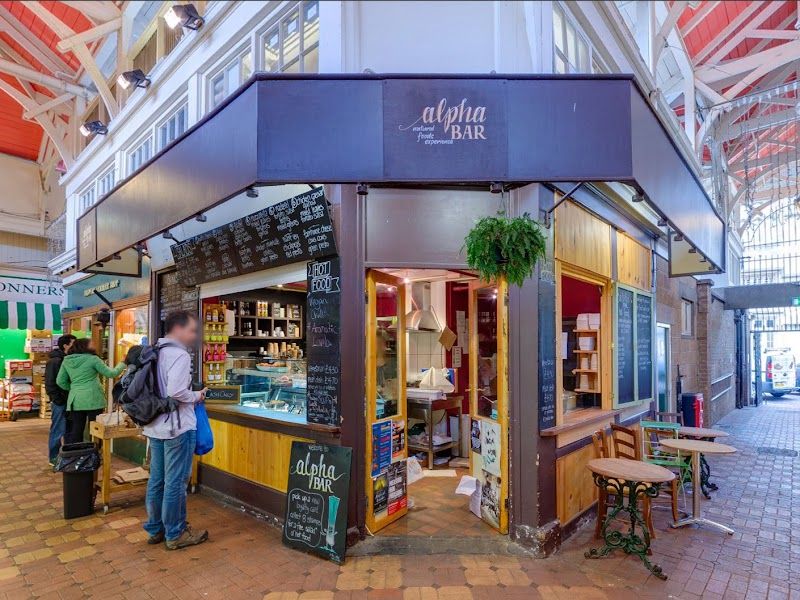
Prices reflect the market's position as Oxford's premium food destination rather than a budget alternative. A sandwich from Ben's Cookies costs around £3-4, while a full cooked breakfast from Alpha Bar runs approximately £8-12. These prices sit above supermarket levels but below restaurant rates, positioning the market as everyday luxury rather than tourist extravagance.
The market's narrow aisles become congested during lunch hours (12pm-2pm) and Saturday mornings. Visit before 10am or after 3pm for comfortable browsing and shorter queues at popular stalls.
Weekend Farmers Markets: Oxford's Local Produce Scene
Oxford's farmers markets bring countryside producers into the city center every Thursday and Saturday, transforming Gloucester Green and other locations into temporary food halls. These markets focus on local produce, artisan products, and seasonal specialties that reflect Oxfordshire's agricultural heritage.
Gloucester Green Market: Thursday and Saturday
Gloucester Green Market operates every Thursday and Saturday from 9am to 4:30pm in the square behind the bus station. Thursday focuses primarily on general market goods with some food vendors, while Saturday transforms into Oxford's premier farmers market with 20-30 food producers.
Saturday vendors include Hill Farm Organics, selling vegetables grown within 15 miles of Oxford at prices competitive with organic supermarket sections. Their seasonal produce reflects what's actually growing in Oxfordshire fields - purple sprouting broccoli in spring, courgettes in summer, and root vegetables through winter. A bag of mixed organic vegetables costs around £8-12, comparable to supermarket organic prices but with superior freshness.
Oxford Cheese Company brings wheels of cheese made in small Oxfordshire dairies, offering tastings and expert advice about pairing local cheeses with local ales. Their soft goat's cheese costs around £6 for a 200g portion, while aged hard cheeses range from £12-18 per kilogram.
The Cake Stall (different from the Covered Market's Cake Shop) specializes in traditional British baking using local ingredients. Their Victoria sponges, fruit cakes, and seasonal specialties cost £3-6 per portion, and they'll explain which local farms supplied their eggs and cream.
Oxford Street Food: Beyond Traditional Markets
Oxford street food extends beyond formal markets to include food trucks, pop-up vendors, and specialized outdoor food events. The city's compact center and pedestrian-friendly streets create natural gathering spots for mobile food vendors.
Broad Street hosts rotating food trucks during lunch hours, particularly outside the Bodleian Library and near the Radcliffe Camera. These vendors serve international cuisine to hungry students and tourists, with dishes typically costing £6-10.
Bonn Square occasionally features pop-up food markets during festivals and special events, though these operate irregularly rather than following a set schedule. Check Oxford City Council's events calendar for confirmed dates.
Food truck prices in Oxford reflect the city's educated demographics and high property costs. A gourmet burger costs around £8-12, while ethnic specialties like Thai noodles or Indian curry range from £7-10. These prices exceed typical British street food costs but remain below restaurant equivalents.
Seasonal Specialties and Local Products
Oxford's food markets excel at showcasing seasonal ingredients and traditional Oxfordshire products that connect the city to its agricultural surroundings. Understanding these seasonal patterns helps you time visits to coincide with peak produce periods.
Spring Markets (March-May)
Asparagus season brings vendors selling locally grown spears from farms in nearby Evesham. Oxford's markets typically offer asparagus from late April through June, with prices starting around £4-5 per kilogram for premium local varieties.
Spring lamb appears at butcher stalls in the Covered Market and weekend farmers markets, sourced from Oxfordshire farms. Local lamb costs premium prices - around £18-25 per kilogram for prime cuts - but vendors provide detailed information about farming practices and animal welfare standards.
Wild garlic and foraged foods attract specialist vendors who harvest from ancient woodlands around Oxford. These seasonal delicacies command high prices (wild garlic pesto costs around £8-10 for a small jar) but offer flavors unavailable in commercial food chains.
Summer and Autumn Abundance (June-October)
Summer farmers markets overflow with soft fruits from local farms. Strawberries from nearby Waterperry Gardens cost around £4-5 per kilogram, while raspberries and blackberries range from £6-8 per kilogram. These prices match or slightly exceed supermarket organic options but deliver superior flavor and minimal food miles.
Apple season transforms September and October markets with varieties rarely found in shops. Local orchards bring heritage apples with names like Worcester Pearmain and Egremont Russet, selling for around £3-4 per kilogram while educating customers about traditional British apple varieties.
Game season brings pheasant, venison, and rabbit to Covered Market butchers starting in October. These traditional British proteins cost £12-20 per kilogram depending on the cut, and butchers provide cooking advice for customers unfamiliar with preparing game meats.
Comparing Oxford Food Shopping Options
| Shopping Option | Price Level | Best For | Opening Hours |
|---|---|---|---|
| Covered Market | Medium-High | Artisan products, local specialties | Mon-Sat 8am-5:30pm, Sun 10am-4pm |
| Gloucester Green Market | Medium | Fresh local produce, weekend shopping | Thu & Sat 9am-4:30pm |
| Street Food Vendors | Medium | Quick lunch, international flavors | Weekdays 11:30am-3pm (varies) |
| Supermarkets (Tesco, Sainsbury's) | Low-Medium | Everyday groceries, familiar brands | Daily 7am-10pm |
| Independent Delis | High | Premium imports, specialty items | Mon-Sat 9am-6pm (varies) |
This comparison reveals oxford market food pricing sits between supermarket convenience and restaurant luxury. You pay more than chain stores but less than sit-down dining, while accessing products and quality levels unavailable elsewhere.
Oxford Food Markets vs Other University Cities
Oxford's food market scene differs significantly from Cambridge, Bath, and other historic university cities. While Cambridge's market focuses heavily on tourist-oriented products, Oxford's markets retain stronger connections to actual local food production and everyday shopping needs.
Cambridge Market operates daily but emphasizes crafts, clothing, and tourist souvenirs alongside food vendors. Oxford's Covered Market maintains its identity as a working food market first, tourist attraction second.
Bath's markets occur less frequently and target weekend visitors rather than local residents. Oxford's combination of daily Covered Market trading and regular farmers markets serves both university communities and longtime residents.
York's Shambles Market offers more tourist-focused food vendors, while Oxford's markets balance visitor interest with practical local needs. This balance creates more authentic shopping experiences and better value for both groups.
Planning Your Oxford Food Market Visit
Successful market shopping in Oxford requires understanding each venue's rhythm and specialties. The Covered Market works best for quick stops between sightseeing at Christ Church College or browsing the Ashmolean Museum, while weekend farmers markets demand dedicated time for proper exploration.
Best Times for Oxford Food Markets
Weekday mornings (9am-11am) offer the best selection and shortest queues at the Covered Market. Vendors restock overnight, and you'll encounter more locals than tourists during these hours.
Saturday mornings (9am-12pm) provide peak selection at Gloucester Green Market, but expect crowds and slower service as vendors explain products to unfamiliar customers.
Late afternoon visits (4pm-5pm) sometimes yield bargains as perishable vendors reduce prices rather than carry stock home, particularly at weekend farmers markets.
What to Bring
Cash remains useful despite widespread card acceptance, especially for purchases under £10 or when buying from multiple small vendors.
Shopping bags help carry purchases and reduce plastic waste, though most vendors provide bags.
Cooling bags become essential during summer months if you're buying dairy products, fresh meat, or temperature-sensitive items.
Combining Markets with Oxford Sightseeing
Oxford's compact center makes it easy to combine food market visits with traditional sightseeing. The Covered Market sits within walking distance of major attractions, while Gloucester Green Market provides a convenient starting point for exploring Jericho or walking to University Parks.
Many visitors successfully combine morning market shopping with afternoon college visits, carrying their purchases while exploring Magdalen College or climbing Carfax Tower. The markets also provide excellent lunch options if you're following one of our Oxford itineraries and need to refuel between attractions.
Final Verdict on Oxford's Food Markets
Oxford's food markets deliver exactly what you'd expect from a city that's been educating the world for nearly a millennium - quality, tradition, and intellectual curiosity applied to food. The Covered Market provides daily access to products you won't find elsewhere, while weekend farmers markets connect you directly with the countryside that surrounds this ancient city.
Prices reflect Oxford's prosperity and educated demographics, but value remains strong when you consider quality and uniqueness. You're not just buying food; you're participating in traditions that have sustained this remarkable city for centuries.
Whether you're stocking up for a picnic in Christ Church Meadow or searching for the perfect Oxford marmalade to take home, these markets provide authentic experiences that complement rather than compete with the city's academic attractions. Just remember to bring an appetite for both food and knowledge - Oxford's vendors love sharing the stories behind their products almost as much as they enjoy making the sale.