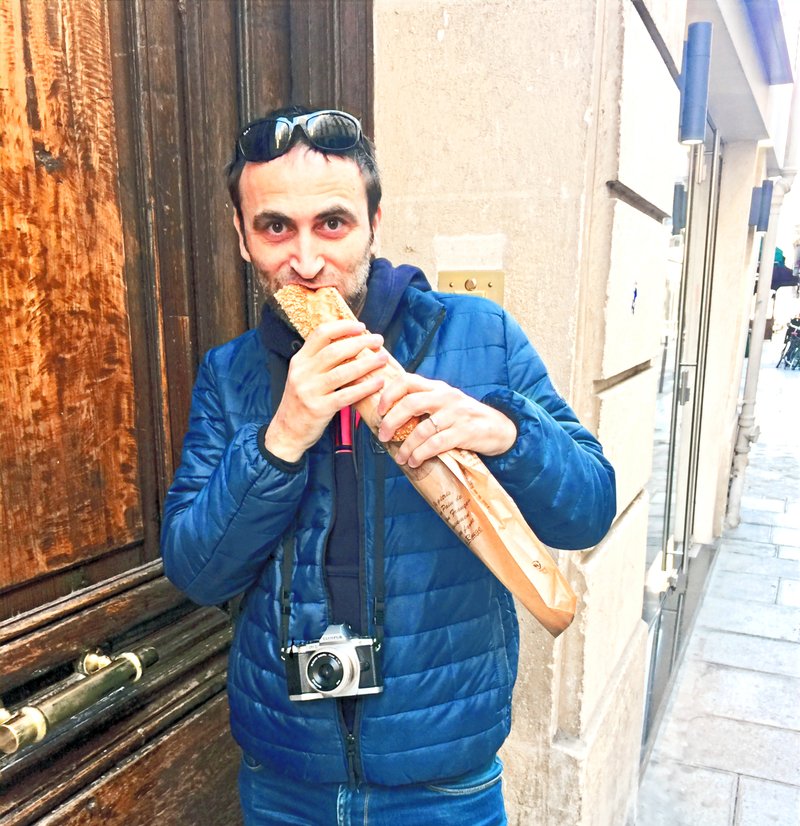
Oslo's food scene tells two stories: traditional Norwegian ingredients meeting modern Nordic innovation. An oslo food tour is the smartest way to navigate this expensive city's culinary landscape, especially when beer costs NOK 90-140 at bars and mid-range dinners run NOK 450-650 per person. Professional guides know which spots deliver value and which tourist traps to avoid.
The Norwegian capital has transformed from a sleepy port city into a legitimate food destination over the past decade. You'll find everything from Michelin-starred restaurants like Maaemo to casual spots serving traditional fish soup and lefse. But with prices this high, picking the wrong restaurant can blow your budget faster than anywhere else in Scandinavia.
Types of Oslo Food Tours Available
Walking Food Tours
Traditional walking food tours cover 4-6 stops across central Oslo, typically lasting 3-4 hours. Nordic Food Walk runs daily tours through Sentrum & Grünerløkka for NOK 850 per person, including tastings at five local restaurants and cafes. Their route includes traditional reindeer at Dovrehallen, craft beer at Grünerløkka Brygghus, and Norwegian waffles with cloudberry jam.
Taste of Oslo Tours focuses on the waterfront areas, starting at Aker Brygge and ending near the Opera House. At NOK 750 per person, this 3-hour tour hits four stops including fresh seafood at Fiskeriet, traditional lefse at a local bakery, and craft cocktails made with aquavit.
Most walking tours include enough food to constitute lunch, making them decent value despite the high upfront cost. Calculate NOK 150-220 for a budget lunch plus NOK 35-55 for coffee at each stop, and the tour pricing starts making sense.
Market Tours and Tastings
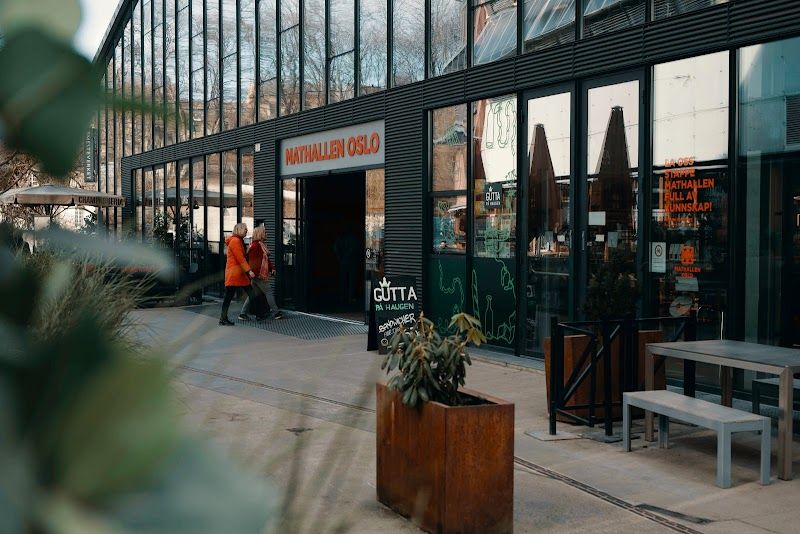
Mathallen Oslo offers both self-guided and guided market tours. The guided option costs NOK 450 per person and includes tastings from six vendors plus a glass of wine or craft beer. This indoor food hall in Grünerløkka showcases 30 vendors selling everything from traditional Norwegian cheeses to modern interpretations of classic dishes.
The tour guide explains the difference between genuine Norwegian brown cheese (geitost) and tourist versions, helps you taste proper gravlaks preparation, and introduces you to vendors who speak limited English but make exceptional food. Saturday morning tours are the best since more vendors are present and the atmosphere is liveliest.
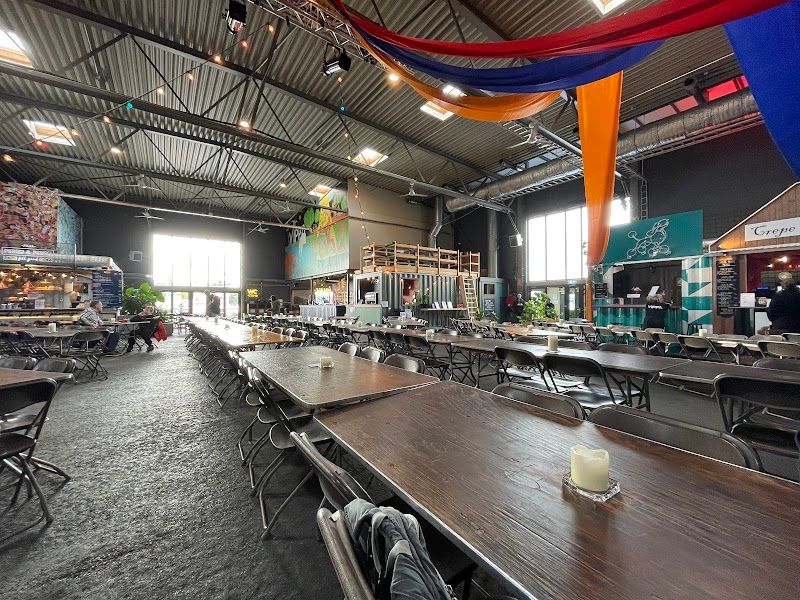
Vippa, the seasonal food hall at Tjuvholmen, offers informal tours during summer months for NOK 350 per person. This container-based market features international food trucks and local vendors, creating a different experience from Mathallen's more upscale atmosphere.
Specialty Culinary Tours
Oslo Seafood Tours capitalizes on Norway's fishing heritage with 2-hour experiences focused entirely on local catch. Starting at the fish market near Karl Johans gate, these NOK 950 tours include King crab, Arctic char, and traditional fish soup preparation. The tour ends with a proper seafood lunch where you eat everything you've learned about.
Norwegian Spirits & Aquavit Tours combine food with Norway's national spirit. These evening tours cost NOK 1,200 per person and visit three bars specializing in aquavit cocktails, paired with traditional snacks like pickled herring, cured meats, and aged cheeses. The tour explains aquavit production and how different herbs create distinct flavor profiles.
For coffee enthusiasts, Oslo Coffee Culture Tours visit specialty roasters including Tim Wendelboe, one of the world's best coffee roasters. These NOK 650 tours include tastings at four cafes, explanations of Nordic roasting techniques, and a take-home bag of freshly roasted beans.
Best Oslo Food Tour Companies
Oslo Food Tours (Most Comprehensive)
This established company offers the widest variety of oslo culinary tours, from basic 3-hour walks (NOK 750) to intensive 6-hour experiences (NOK 1,450). Their guides are food industry professionals who provide insider knowledge about Oslo's restaurant scene.
Their Traditional Norwegian Tour visits family-run establishments that have operated for decades, while the Modern Nordic Tour focuses on restaurants using molecular gastronomy and innovative techniques. Both tours include restaurant reservations that would be difficult to secure independently.
Customer feedback consistently praises their punctuality and the quality of included tastings. The company provides dietary accommodation with 48 hours notice, important since many traditional Norwegian dishes contain fish or dairy.
Hungry Birds Food Tours (Best Value)
Hungry Birds offers smaller group sizes (maximum 8 people) and slightly lower prices. Their flagship Oslo Foodie Adventure costs NOK 695 per person for 3.5 hours, including five tastings and transportation between distant neighborhoods.
What sets them apart is neighborhood specialization. Their Grünerløkka tour focuses entirely on that area's hip cafes and artisanal producers, while their Frogner tour emphasizes upscale dining and wine pairings. This focused approach works better than scattered citywide tours since you learn about specific neighborhood character.
The company operates year-round but offers indoor alternatives during harsh winter weather, ensuring consistent experiences regardless of season.
Local Oslo Gastronomy (Most Authentic)
Run by Norwegian food writers and chefs, this company emphasizes authentic local experiences over tourist-friendly presentations. Tours cost NOK 850-1,200 depending on inclusions, with most featuring home-style cooking demonstrations.
Their Home Cooking Tour includes a 2-hour session in a local apartment where you learn to prepare traditional dishes like fårikål (lamb and cabbage stew) and krumkake (wafer cookies). The experience includes the meal you've prepared plus wine pairings.
This company books quickly since they limit groups to 6 people and operate only 3-4 times weekly. Reserve at least two weeks ahead, especially during summer months when demand peaks.
Oslo Food Scene Neighborhoods for Tours
Sentrum & Grünerløkka Food Tours
Grünerløkka has evolved into Oslo's primary food district, with the highest concentration of independent restaurants and cafes. Food tours here showcase the neighborhood's transformation from working-class area to foodie destination.
Key stops include:
- Mathallen Oslo for artisanal producers and specialty ingredients
- Marius restaurant for traditional fish soup (NOK 185 per bowl)
- Tim Wendelboe for coffee and roasting education
- Local bakeries serving cardamom-spiced pastries
Most oslo food walking tours spend 60-90 minutes in this neighborhood since the vendor density allows multiple stops within walking distance. The area works well for tours since many establishments stay open later than traditional Norwegian businesses.
Aker Brygge & Tjuvholmen Waterfront Tours
The waterfront areas offer a different food experience focused on seafood and upscale dining. Tours here cost more (typically NOK 950-1,200) but include higher-end restaurants with better views.
Waterfront tours emphasize Norwegian maritime food traditions, including proper preparation of Arctic fish, traditional smoking techniques, and seasonal ingredients like sea buckthorn and cloudberries. The setting justifies higher prices since you're eating overlooking the fjord while learning about Norway's fishing heritage.
Vippa operates seasonally at Tjuvholmen, offering international food trucks alongside Norwegian vendors. Summer tours here provide a casual atmosphere that contrasts with formal restaurant tours.
Frogner District Upscale Food Tours
Frogner represents Oslo's most established dining scene, with restaurants that have operated for generations alongside modern establishments. Food tours here focus on wine pairings and refined techniques.
The neighborhood's tree-lined streets create an elegant backdrop for food tours, though the pace is slower since restaurants are more spread out than in Grünerløkka. These tours work best for travelers seeking upscale experiences rather than casual food exploration.
What to Expect on Oslo Food Tours
Typical Tour Structure
Most oslo food tours follow a similar pattern: meet at a central location (usually near Oslo Central Station), receive a brief introduction to Norwegian food culture, then visit 4-6 establishments over 3-4 hours.
Professional tours include:
- Historical context for each dish and restaurant
- Explanations of Norwegian ingredients and preparation methods
- Recommendations for additional restaurants and food shopping
- Maps marking tour stops for future reference
- Contact information for featured restaurants
Guides typically provide cultural commentary beyond food, explaining how Norwegian eating habits have evolved and how geography influences local cuisine. This context makes the higher prices more justified since you're getting education alongside tastings.
Food and Drink Inclusions
Tastings vary by tour company but generally include 6-10 small plates plus 2-3 beverages. Quality tours provide enough food to replace a full meal, important given Oslo's high restaurant prices.
Typical inclusions:
- Traditional fish soup with bread
- Cured salmon or other Nordic fish preparations
- Norwegian cheeses including brown cheese (geitost)
- Reindeer or other game meat preparations
- Traditional pastries and desserts
- Local beer, aquavit, or wine depending on tour focus
Vegetarian options exist but require advance notice since traditional Norwegian cuisine relies heavily on fish and meat. Several tour companies offer dedicated vegetarian tours focusing on modern Nordic plant-based cuisine.
Group Sizes and Booking
Group sizes range from 6 people (boutique tours) to 20 people (larger companies). Smaller groups provide better interaction with vendors and more personalized attention from guides.
Most tours require advance booking, especially during peak summer months (June-August) when demand is highest. Book at least one week ahead for popular tours, two weeks for specialty experiences.
Cancellation policies vary but typically allow full refunds with 24-48 hours notice. Weather rarely cancels tours since most stops are indoors, though winter tours may modify routes to minimize outdoor walking.
Oslo Food Tour Pricing and Value
Cost Breakdown Analysis
| Tour Type | Duration | Price Range | Included Items | Value Rating |
|---|---|---|---|---|
| Basic Walking Tour | 3 hours | NOK 650-850 | 5-6 tastings, 1 drink | Good |
| Market Tour | 2.5 hours | NOK 450-650 | 6-8 tastings, 1 drink | Excellent |
| Specialty Tour | 3-4 hours | NOK 950-1,450 | 8-10 tastings, 3 drinks | Fair |
| Private Tour | 4 hours | NOK 2,500-4,000 | Customized | Depends |
Compare these prices to independent dining: a mid-range dinner costs NOK 450-650 per person, while budget lunches run NOK 150-220. Add coffee at NOK 35-55 per stop, and tour pricing becomes competitive, especially when you factor in the educational component and guaranteed table access.
When Food Tours Make Financial Sense
Tours provide the best value for travelers staying 2-3 days who want to sample multiple restaurants efficiently. The guide's knowledge helps you avoid tourist traps and identifies restaurants worth returning to independently.
Tours make less sense if you're:
- Staying longer than 5 days (you have time to explore independently)
- On a tight budget (self-catering is much cheaper)
- Familiar with Scandinavian cuisine
- Uncomfortable eating in groups
For budget travelers, consider afternoon tours that include enough food to replace dinner, then prepare your own breakfast and lunch to balance costs.
Seasonal Pricing Variations
Summer tours (June-August) cost 20-30% more than winter tours due to increased demand and seasonal ingredient availability. Winter tours offer better value but fewer outdoor market options.
Shoulder seasons (April-May, September-October) provide optimal pricing and weather conditions. Spring tours feature Nordic ingredients like ramps and fresh herbs, while autumn tours emphasize preservation techniques and hearty preparations.
Tips for Choosing the Right Oslo Food Tour
Matching Tours to Your Interests
Consider your primary interests when selecting tours. Traditional Norwegian cuisine differs significantly from modern Nordic interpretations, and tours typically focus on one approach or the other.
Choose traditional tours if you want:
- Authentic Norwegian home cooking
- Historical food context
- Comfort food preparations
- Family-run restaurant experiences
Choose modern Nordic tours if you prefer:
- Innovative techniques and presentations
- Fine dining experiences
- Instagram-worthy food photography
- International fusion influences
Mixed tours exist but often lack depth in either category. Specialized tours provide better value and more memorable experiences than generalized offerings.
Dietary Restrictions and Accommodations
Norwegian cuisine traditionally relies heavily on fish, dairy, and meat, making dietary accommodations challenging. However, Oslo's international food scene provides options for most dietary requirements.
Notify tour companies about restrictions when booking. Most can accommodate vegetarian diets, though options may emphasize international rather than traditional Norwegian dishes. Vegan accommodations are possible but require specialized tours.
Gluten-free options exist but traditional Norwegian baking uses wheat extensively. Several tour companies offer dedicated gluten-free experiences focusing on naturally gluten-free Norwegian preparations.
Best Times to Take Food Tours
Saturday morning tours offer the best market experiences since vendor selection is highest and atmosphere most energetic. Weekday afternoon tours provide better restaurant access since establishments are less crowded.
Avoid Sunday tours since many traditional Norwegian businesses close or operate with limited hours. Friday evening tours work well for spirits and cocktail-focused experiences.
Summer visitors should book early morning or late afternoon tours to avoid peak tourist hours and enjoy better lighting for food photography.
Combining Food Tours with Oslo Sightseeing
Many oslo food tours incorporate sightseeing elements, particularly those covering multiple neighborhoods. Tours starting from Aker Brygge often include views of the Opera House and harbor area.
Several companies offer combination tours including food stops plus major attractions. These typically cost NOK 1,200-1,800 but provide efficient sightseeing for travelers with limited time.
Consider food tours as cultural orientation rather than just dining experiences. Guides provide neighborhood recommendations, shopping suggestions, and restaurant reservations that enhance the rest of your Oslo visit. This guidance is particularly valuable given Oslo's high prices and the importance of making good dining choices.
For comprehensive Oslo planning, check our First Time in Oslo guide to coordinate food tours with other activities. The city's compact size makes it easy to combine food tours with visits to attractions like Vigeland Sculpture Park or the Munch Museum.
Food tours work particularly well on your first or second day in Oslo, providing cultural context and restaurant recommendations that improve the rest of your stay. The investment pays off through better dining choices and deeper appreciation of Norwegian food culture throughout your visit.