Naples doesn't ease you in. You step off the train at Stazione Centrale, and within five minutes you're dodging scooters, inhaling the aroma of wood-fired pizza ovens, and wondering if that marble statue really does look like it's breathing under a transparent veil. This Naples itinerary for 3 days cuts through the chaos to show you the city that invented pizza, preserves Pompeii's treasures, and hides 2,400 years of history beneath its streets.
Most visitors make two mistakes: they stay too far from the centro storico, and they don't buy the Artecard Napoli 3 days pass for EUR 32. The card includes unlimited transport plus free or discounted entry to major sites. You'll break even after visiting the Archaeological Museum (EUR 15) and two other attractions.
Day 1: Pizza Pilgrimage and Underground Naples
Morning: Centro Storico and the Birth of Pizza
Start your Naples 3 day itinerary at Spaccanapoli, the arrow-straight Roman road that slices through the historic center. The name means "Naples splitter," and walking its length gives you the city's 2,400-year timeline in 20 minutes.
Your first stop is Pizzeria Gino Sorbillo on Via dei Tribunali 32. Sorbillo opens at 12:00, and by 12:15 there's already a line. The margherita costs EUR 7 and arrives in 90 seconds from a 485°C wood-fired oven. The crust has a charred, pillowy cornicione that's crispy outside and soft inside. This is not hyperbole: it will ruin every other pizza you eat.
After lunch, walk 200 meters to the Cappella Sansevero (EUR 8, closed Tuesday). The Veiled Christ sculpture by Sanmartino (1753) is the most technically astonishing artwork in Italy. The marble veil over Christ's face is so transparent you can see his expression underneath. Art historians still can't fully explain how Sanmartino achieved this effect with 18th-century tools.
Afternoon: Archaeological Treasures and Roman Streets
Take metro Line 1 (EUR 1.1) from Dante station to Museo. The National Archaeological Museum (EUR 15, closed Tuesday) houses the world's finest collection of Roman artifacts, mostly from Pompeii and Herculaneum.
The Secret Cabinet (Gabinetto Segreto) contains erotic art from Roman brothels and private homes. These aren't crude drawings but sophisticated frescoes and sculptures that reveal how Romans viewed sexuality. The collection was literally locked away for centuries because it was considered too scandalous for public viewing.
Spend at least two hours here. The mosaics from the House of the Faun in Pompeii, including the massive Alexander Mosaic showing Alexander the Great in battle, are reason enough to visit Naples.
Evening: Underground Naples and Aperitivo
Naples Underground (EUR 12, multiple tours daily) reveals a 2,400-year-old city beneath your feet. Greek and Roman aqueducts, WWII bomb shelters, and underground quarries form a maze that extends for kilometers. The 90-minute tour includes a section where you squeeze through narrow passages by candlelight.
End the day in the Quartieri Spagnoli at Trattoria da Nennella on Vico Lungo Teatro Nuovo 103. This family-run trattoria has operated since 1983 without a menu. Nennella shouts the day's offerings from the kitchen, and you eat whatever she decides to serve. Dinner with house wine costs around EUR 20-25 per person.
Day 2: Pompeii Day Trip and Ancient Wonders
Full Day: Pompeii and Vesuvius
Take the Circumvesuviana train from Napoli Porta Nolana to Pompei Scavi-Villa dei Misteri (EUR 3.60, 40 minutes). Trains run every 30 minutes from 6:00 to 22:00. The station is a 10-minute walk from central Naples hotels.
Pompeii entry costs EUR 16 (EUR 22 with audio guide). The site is massive - 66 hectares - and most visitors make the mistake of trying to see everything. Focus on these key areas:
- House of the Faun: The largest private residence, famous for its Alexander Mosaic (now in Naples' Archaeological Museum)
- Brothel (Lupanare): The only purpose-built brothel identified in Pompeii, with erotic frescoes still visible
- Villa of Mysteries: Outside the main walls, featuring the best-preserved mystery cult frescoes in the Roman world
- Forum: The political and commercial center, with Mount Vesuvius looming in the background
- House of the Vettii: Recently reopened after 20 years of restoration, showcasing elaborate frescoes
Allow 4-5 hours minimum. Bring water (EUR 1-2 for a bottle inside) and wear comfortable shoes. The ancient Roman roads are uneven basalt blocks that will destroy your feet if you're wearing sandals.
Optional: Mount Vesuvius
If you have energy after Pompeii, take the EAV bus to Vesuvius National Park (EUR 10 entry). The 20-minute hike to the crater rim offers views across the Bay of Naples, but it's genuinely strenuous and not worth it if you're tired from Pompeii.
Return to Naples by 19:00 for dinner at L'Antica Pizzeria da Michele on Via Cesare Sersale 1. Michele serves only two pizzas: margherita (EUR 5) and marinara (EUR 4.50). They've been making pizza since 1870, and the recipe hasn't changed. The queue moves fast - Naples doesn't do lingering meals at pizzerias.
Day 3: Royal Naples and Coastal Views
Morning: Royal Palaces and Opera Houses
Start at Piazza del Plebiscito, Naples' main square and one of Italy's largest. The Palazzo Reale (EUR 6, free first Sunday monthly) was the primary residence of Bourbon kings. The royal apartments showcase 18th-century excess: gilt furniture, Capodimonte porcelain, and a throne room that screams absolute monarchy.
Next door, Teatro San Carlo offers guided tours (EUR 9, multiple daily). This is the world's oldest continuously operating opera house (1737) and makes La Scala look like an upstart. The acoustics are legendary - a whisper from the stage reaches the highest boxes.
Afternoon: Waterfront Walks and Castle Views
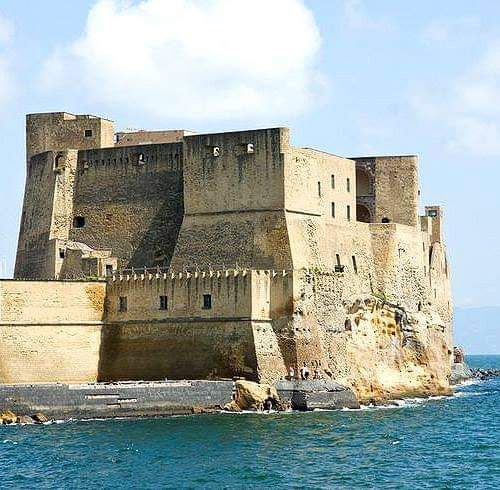
Walk east along the Lungomare to Castel dell'Ovo (free entry). The castle sits on a tiny island connected by a causeway, and the views of Mount Vesuvius across the bay are worth the walk alone. The name means "Egg Castle" from a medieval legend that Virgil buried a magical egg in the foundations.
The surrounding Borgo Marinari area is lunch. Transatlantico at Via Lucullana 15 serves excellent seafood with castle views. A mixed fried seafood platter costs around EUR 18-22.
Late Afternoon: Vomero Hill and Panoramic Views
Take the Centrale funicular (EUR 1.1) from Piazza Fuga to Vomero district. The ride up the steep hillside offers glimpses of the city below through tunnel openings.
Castel Sant'Elmo (EUR 5) provides the best panoramic views of Naples, the bay, and Vesuvius. The star-shaped fortress was built by the Spanish in 1537, and the views from the ramparts stretch from Capri to the Sorrentine Peninsula.
Walk through Villa Floridiana's gardens (free) before taking the funicular back down. The park offers quieter views and is popular with local families.
Evening: Final Pizza and Gelato
Your Naples weekend itinerary wouldn't be complete without one more pizzeria. Pizzeria Di Matteo on Via dei Tribunali 94 is less touristy than Sorbillo or Michele. The margherita costs EUR 6, and they also serve excellent fried pizza (pizza fritta) for EUR 3-4.
End with gelato at Gay-Odin on Via Toledo 214. This Neapolitan chocolate shop has operated since 1894, and their dark chocolate gelato uses cocoa beans from their own plantations.
Transportation: Getting Around Naples
Metro and Public Transport
Naples' ANM transport system is surprisingly efficient once you understand it. A daily pass costs EUR 3.5 and covers metro, buses, trams, and funiculars. Single tickets cost EUR 1.1 and are valid for 90 minutes.
Metro Line 1 connects the airport (via bus transfer) to the centro storico and is worth riding for the art installations alone. Toledo station, designed by architect Oscar Tusquets, looks like an underwater grotto with blue LED lighting.
Walking vs. Transport
The centro storico is compact and walkable, but Naples' hills make transport necessary for certain areas. Vomero requires the funicular, and the Lungomare is a pleasant 20-minute walk from central hotels.
Taxis charge fixed rates: EUR 18-25 from the airport depending on your destination zone. Uber operates but isn't significantly cheaper than official taxis.
Where to Stay: Neighborhood Recommendations
Centro Storico: Best for First-Time Visitors
Staying in the centro storico puts you within walking distance of major pizzerias, churches, and museums. Mid-range hotels cost EUR 80-150 per night for doubles.
Hotel Piazza Bellini on Via Santa Maria di Costantinopoli offers modern rooms in a restored palazzo. Book a room with a balcony overlooking the archaeological excavations in the hotel's courtyard.
Chiaia: More Upscale Options
The Lungomare-Chiaia area is quieter and more upscale, with boutique hotels from EUR 120-250. You're closer to the waterfront but farther from the main pizza concentration.
Budget Options
Hostel dorm beds cost EUR 18-35 in the centro storico. 6 Small Rooms near the Duomo offers private rooms from EUR 55 with breakfast included.
Food Beyond Pizza: What Else to Eat
Naples invented more than just pizza. Sfogliatella pastries (EUR 1.5-3) filled with ricotta and candied fruit are the city's signature breakfast. Attanasio on Vico Ferrovia makes the best ones, still warm from the oven at 7:00 AM.
Street food arancini (EUR 2-4) are fried rice balls with various fillings. The ones at Rosticceria Gorizia on Via Bernini contain ragu, mozzarella, and peas.
For a full meal beyond pizza, try pasta e fagioli (pasta and beans) or spaghetti alle vongole (clams) at traditional trattorias. A complete dinner with house wine costs EUR 25-40 per person.
Practical Planning Tips
Best Time to Visit
Naples works year-round, but October-November and March-May offer ideal weather without summer crowds. July-August can be swelteringly hot, and many locals flee to the coast.
Safety and Scams
Naples has a reputation for petty crime that's somewhat overblown. Keep your phone and wallet secure in the centro storico and around the train station. The "gold ring" scam (someone "finds" a ring and offers to sell it to you) is common around tourist areas.
Booking Ahead
Reserve restaurants for dinner, especially on weekends. Popular pizzerias like Sorbillo take reservations, which beats standing in line. The Cappella Sansevero sells timed tickets online to avoid crowds.
Day Trip Alternatives to Pompeii
If you've already seen Pompeii or want a different kind of day trip, Herculaneum (EUR 13) is smaller but better preserved. The volcanic ash that destroyed it also preserved wooden structures, mosaics, and even ancient scrolls.
The Amalfi Coast is reachable by SITA bus from Naples (EUR 10 to Amalfi, 90 minutes), but it's better as an overnight trip than a day excursion.
Capri ferries leave from Molo Beverello (EUR 20-25, 45 minutes). The island is expensive and crowded but genuinely beautiful.
Final Naples Itinerary Map and Summary
This Naples Pompeii itinerary covers the essential experiences: authentic pizza from the source, Roman artifacts, underground mysteries, and a day trip to history's most famous archaeological site. Three days lets you experience Naples at the right pace without rushing through its complexity.
Total estimated costs for 3 days:
- Artecard transport and museum pass: EUR 32
- Pompeii day trip (transport + entry): EUR 23
- Meals (mix of pizza and restaurants): EUR 80-120
- Accommodation (mid-range): EUR 240-450
- Additional attractions and miscellaneous: EUR 50-80
Naples rewards visitors who embrace its contradictions. It's chaotic but efficient, overwhelming but intimate, ancient but ly alive. Your three days here will leave you planning your return before you've even left.
For more detailed recommendations on specific aspects of your trip, check out our guides on what to do in Naples and where to eat the best pizza and street food in this remarkable city.