Italy

Naples

The city that invented pizza, the Veiled Christ, Pompeii 35 minutes away, and chaos that makes you feel alive
Naples, Italy
Best Time
April-June and September-October
Ideal Trip
2-3 days
Language
Italian (Neapolitan dialect), limited English outside hotels
Currency
EUR
Budget
EUR 26-59/day
The place

About Naples

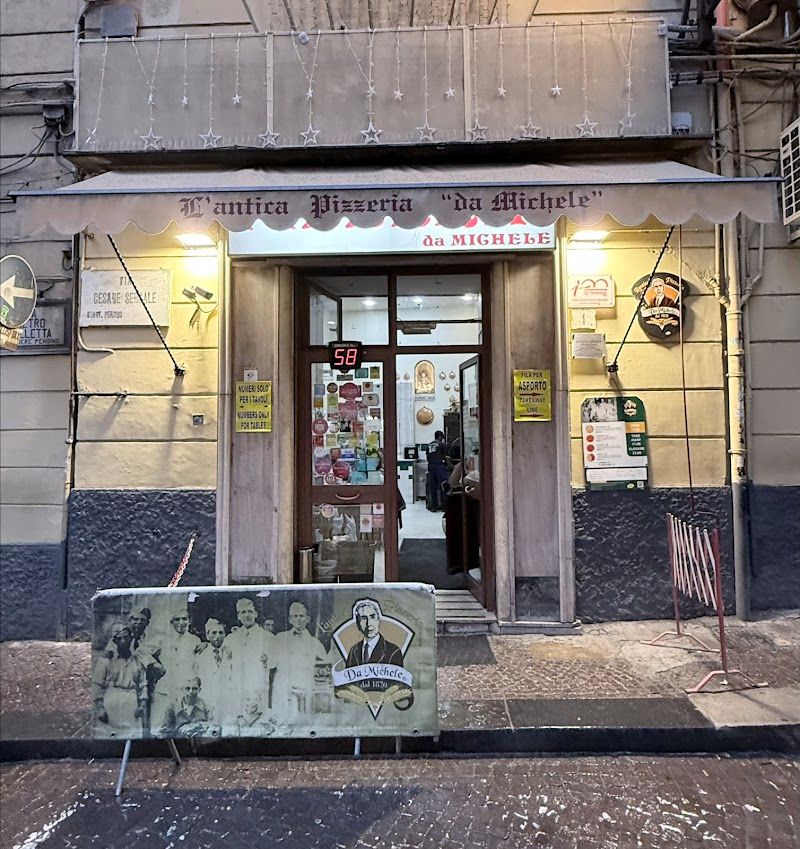
Naples is the city that invented pizza and does not care if you believe it. A margherita from a proper Neapolitan pizzeria costs EUR 5-7, takes 60-90 seconds in a 485°C wood-fired oven, arrives with a charred, pillowy cornicione and San Marzano tomatoes that taste like they were picked that morning, and will ruin every other pizza you eat for the rest of your life. This is not an exaggeration. Sorbillo, Da Michele, Di Matteo, and 50 Kalò are all within walking distance of each other.

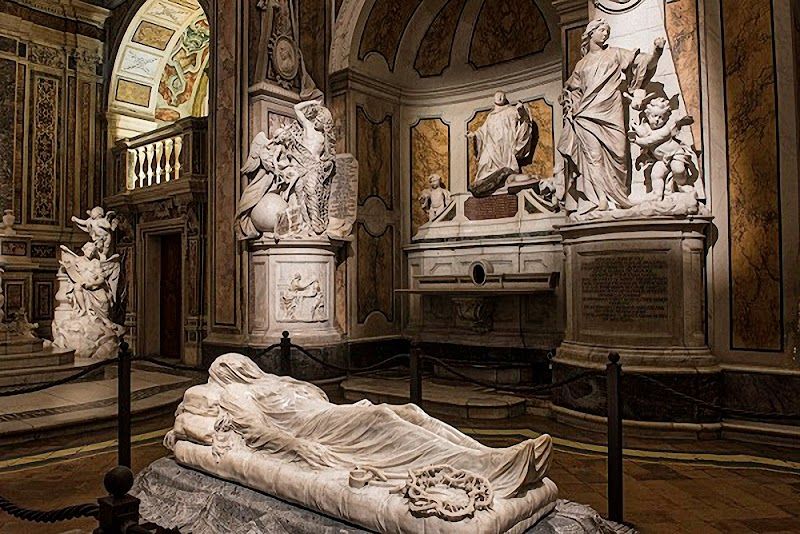
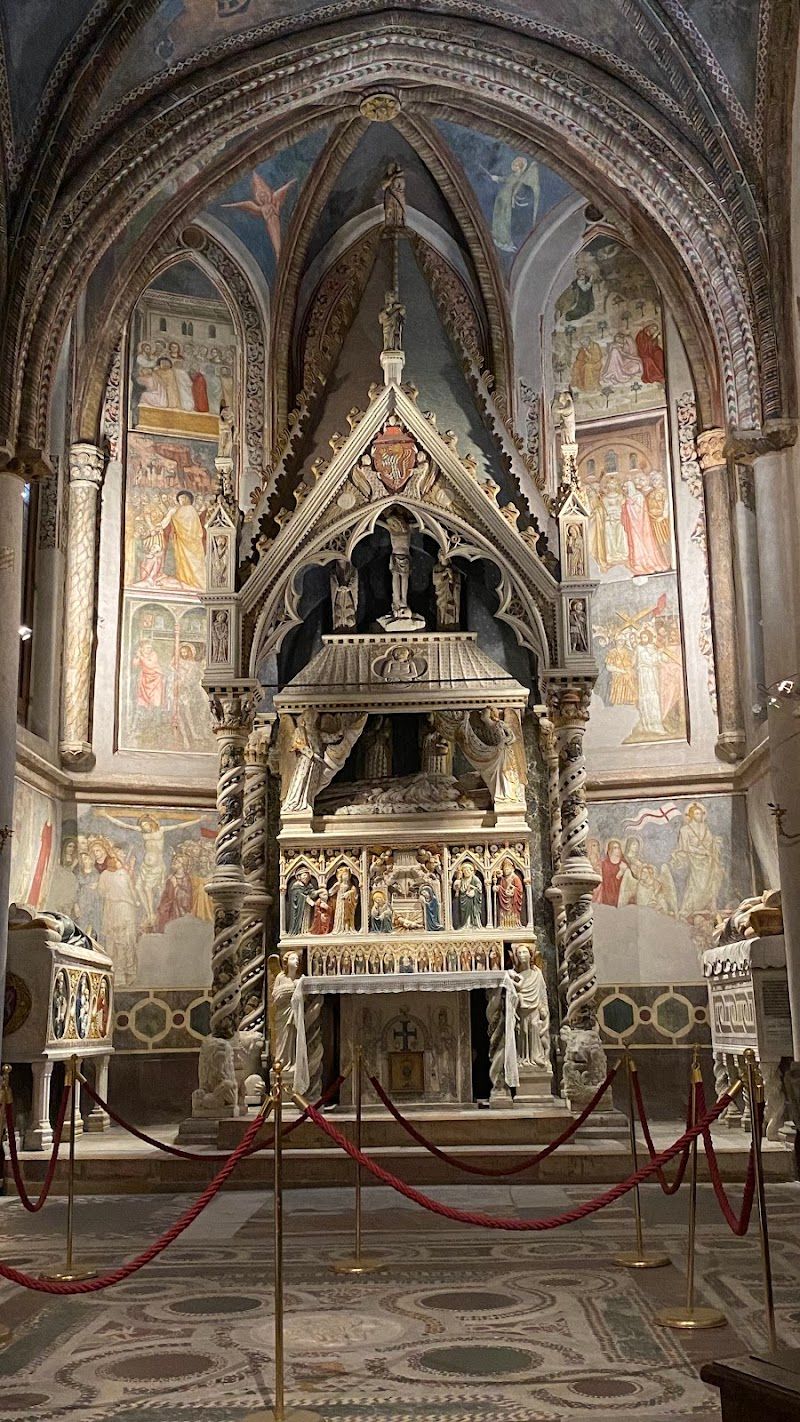
The Cappella Sansevero is the most technically astonishing room in Italy: the Veiled Christ (Cristo Velato) by Sanmartino (1753) is a marble sculpture of the dead Christ covered by a marble veil, and the transparency of the marble fabric over the face has never been adequately explained. The National Archaeological Museum (EUR 18) holds the Farnese collection and all the objects recovered from Pompeii: the Alexander Mosaic (1.5 million tesserae, the battle of Gaugamela), the Farnese Hercules, the Secret Cabinet of erotic art. This is a better Roman collection than anything in Rome.

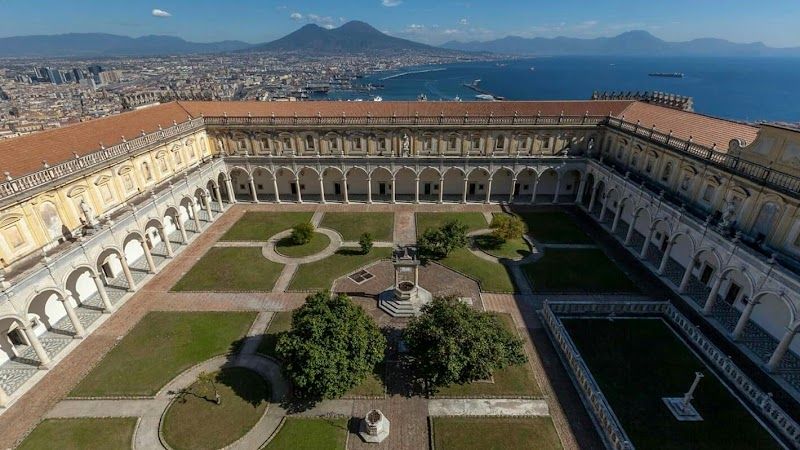
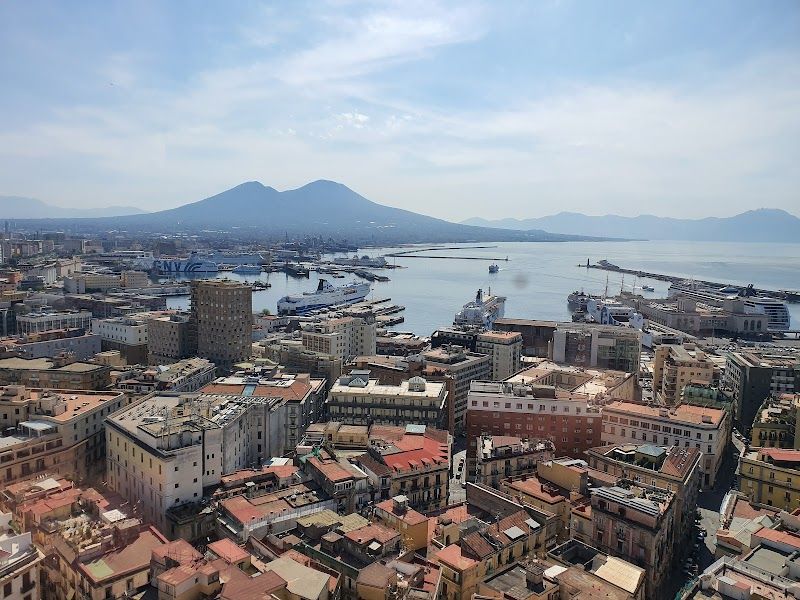
Naples is also the gateway to everything. Pompeii is 35 minutes by Circumvesuviana train. The Amalfi Coast starts at Sorrento (65 minutes). Capri is 45 minutes by hydrofoil. Mount Vesuvius is climbable. Give Naples at least two full days before you use it as a base, because the city is the meal, not the appetiser.

Where to stay

Pick your base

Explore all neighborhoods
Where to book

Stay in Naples

Real-time pricing across hotels, apartments, and ryokans. Book direct from the map.

What to do

Things to do in Naples

View all activities
Sorrento
Tour

Sorrento

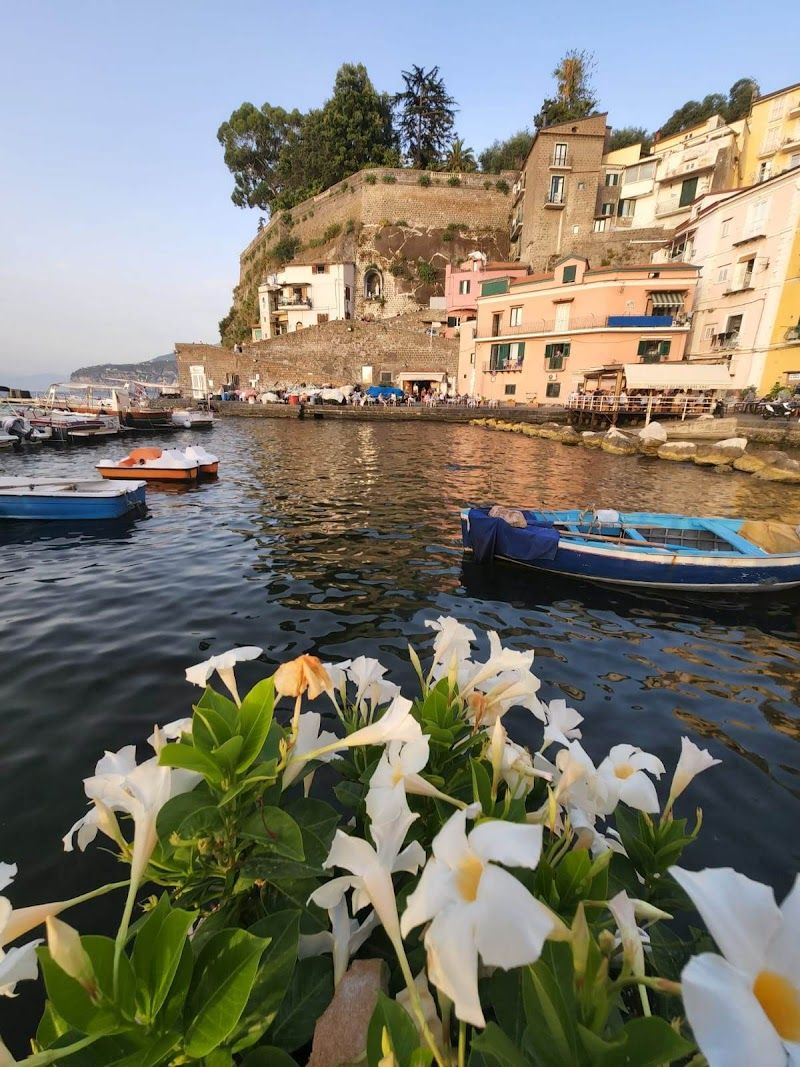
Sorrento sits on dramatic cliffs 50 meters above the Bay of Naples, serving as your gateway to the Amalfi Coast's famous SS163 coastal road. The town itself offers walks through lemon groves, clifftop views of Vesuvius, and a historic center with ceramic shops and limoncello tastings. Most visitors use it as a day trip base, but the real prize is the scenic coastal drive to Positano's pastel houses, Amalfi's cathedral square, and Ravello's 350-meter-high Villa Rufolo gardens overlooking the Mediterranean. Your morning starts with the spectacular descent along hairpin curves carved into vertical cliffs, where every turn reveals another breathtaking view of azure water and terraced villages. In Positano, you'll navigate steep pedestrian streets to reach the pebbly beach, while Amalfi offers flat cathedral squares perfect for gelato breaks between exploring the Duomo's Arab-Norman architecture. Ravello provides the day's highlight with Villa Rufolo's gardens, where Wagner composed and celebrities still marry against panoramic backdrops. Most guides won't mention that driving yourself is genuinely stressful, not enjoyable. The roads barely fit two cars, parking costs 25-30 EUR when available, and summer traffic turns scenic drives into stop-and-go ordeals. SITA buses from Sorrento cost 10 EUR roundtrip, run every 30 minutes, and let you appreciate those cliff views instead of worrying about steering. Skip the expensive lemon grove tours (15 EUR for a short stroll) and save your money for decent restaurant meals in each village.

9-10 hoursExplore
Quartieri Spagnoli
Cultural Site

Quartieri Spagnoli

Quartieri Spagnoli is Naples at its core: a 16th-century grid built for Spanish soldiers that's now the city's most authentic working-class neighborhood. You'll walk narrow alleys lined with laundry, past tiny ground-floor workshops where cobblers and tailors work with doors flung open, while the sound of Vespa engines echoes off centuries-old walls. The Diego Maradona street art is everywhere, but it's the everyday life spilling onto the streets that makes this neighborhood unique. The experience feels like walking through someone's extended outdoor living room. Kids play football in pocket-sized piazzas while grandmothers lean from balconies shouting instructions to relatives below. You'll smell ragù simmering from kitchen windows, hear animated conversations in thick Neapolitan dialect, and navigate around parked scooters that somehow fit into spaces the width of shopping carts. The energy is constant but never feels threatening, just intensely alive. Many guides portray this neighborhood in a romanticized light, but in reality, it's a real community where people work and struggle. To best experience Quartieri Spagnoli, skip organized tours that treat residents as if they were zoo animals. Instead, grab a €1 espresso at any corner bar (locals will eye you curiously but kindly), browse the Via Pignasecca market on the eastern edge for great produce prices, and keep your valuables out of sight. Early morning is the best time to capture the best light filtering through the laundry lines without the midday heat bouncing off the stones.

1-2 hoursExplore
Molo Beverello
Tour

Molo Beverello

Molo Beverello serves as Naples' main gateway to the islands, where sleek hydrofoils and slower ferries depart for Capri, Ischia, and Procida throughout the day. You'll find ticket offices for multiple companies (Caremar, NLG, SNAV) selling passages that range from EUR 20-25 each way to Capri, with departures every 30-60 minutes starting at 7 AM. The terminal sits right on the waterfront with Mount Vesuvius looming across the bay, and you can grab an espresso at the bar while waiting for your boat. The experience feels authentically Italian chaos: crowds of tourists mixing with locals heading to work on the islands, announcements in rapid Italian echoing off concrete walls, and that slight diesel smell from idling boats. You'll queue outside specific gates (check your ticket for the gate number), then walk down floating docks where crew members help you aboard. The hydrofoils are surprisingly comfortable with airplane-style seating, and the 45-minute ride to Capri offers spectacular views of the coastline as Naples shrinks behind you. Most guides don't mention that morning return tickets often sell out by afternoon, especially in summer when 15,000+ people visit Capri daily. The companies are interchangeable despite what ticket sellers claim, so just go with whoever has the best departure time. Skip the expensive snack bar inside the terminal and hit the cafe next door for proper espresso at half the price (EUR 1.20 vs EUR 2.50).

8-9 hoursExplore
Piazza del Plebiscito
Landmark

Piazza del Plebiscito

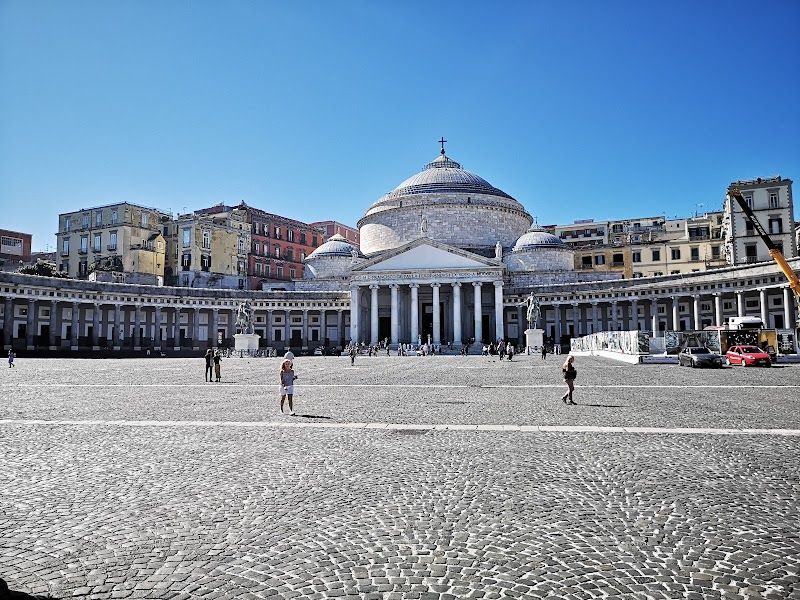
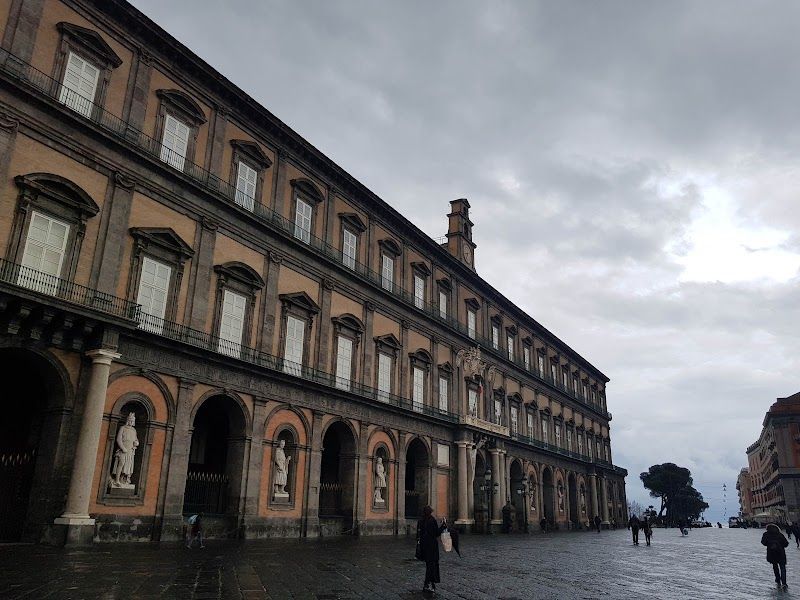
Naples' grandest square sprawls across 25,000 square meters of smooth trachyte stone, designed to rival Rome's St. Peter's Square. The semicircular colonnade of the Basilica di San Francesco di Paola curves dramatically around one side while the imposing Royal Palace dominates the other. Two bronze equestrian statues of Bourbon kings stand in the center, and locals have turned them into an unofficial game: walk between them with your eyes closed and try to reach the opposite end without veering off course. The perspective tricks make it much harder than it looks. The square feels genuinely grand without being oppressive, especially when you realize it's completely car free. Students sit on the steps of the basilica, street musicians set up near the colonnade, and kids run wild across the open space. The acoustics are remarkable: clap your hands in the center and the sound bounces off the curved facade in perfect echoes. Late afternoon brings the evening passeggiata as Neapolitans stroll across the smooth stones, and the golden light makes everything glow. Most people snap photos and leave within 10 minutes, but you'll get more out of it if you actually walk the perimeter and appreciate the scale. The basilica interior is free but fairly plain compared to Naples' other churches, so skip it unless you're a neoclassical architecture enthusiast. The real magic happens at ground level on the square itself. Avoid midday in summer when the stone reflects heat mercilessly.

30 minutesExplore
Cappella Sansevero and the Veiled Christ
Museum

Cappella Sansevero and the Veiled Christ

The Cappella Sansevero houses three sculptures that defy explanation: marble figures carved with translucent veils and nets that seem physically impossible. Giuseppe Sanmartino's Veiled Christ (1753) shows the dead Christ beneath a veil so realistic you'll swear it's actual fabric, but it's carved from the same marble block. Two competing sculptures, Disillusion (a figure trapped in a marble net) and Modesty (another veiled figure), are equally mind-bending. The crypt holds two complete human skeletons with perfectly preserved circulatory systems that scientists still can't explain. You'll enter a small baroque chapel where your eyes immediately go to the Veiled Christ in the center. The detail is genuinely unsettling: you can see Christ's facial features, eyelashes, and wounds through the marble veil. The other sculptures line the walls, each one making you question how 18th-century sculptors achieved such effects. Descending to the crypt feels like entering a mad scientist's laboratory, complete with those mysterious anatomical figures that look like something from a horror film. Most guides rush through in 30 minutes, but you need the full hour to properly absorb what you're seeing. Skip the audio guide (EUR 5 extra) and just stare at the sculptures: they speak for themselves. The chapel gets stupidly crowded after 11 AM, turning the experience into a cattle shuffle. At EUR 10, it's pricey for 20 minutes of actual viewing time, but these sculptures exist nowhere else on earth.

45 min - 1 hourExplore
National Archaeological Museum of Naples (MANN)
Museum

National Archaeological Museum of Naples (MANN)

The Museo Archeologico Nazionale di Napoli (MANN) is the most important collection of Roman and Greek antiquities in the world, significantly better than what is in Rome itself. This is because the museum holds the entire Farnese collection (accumulated by one of Rome's most powerful families over two centuries) and the objects recovered from Pompeii, Herculaneum, and Stabiae after the 1748 excavations began. The Farnese collection includes the Farnese Hercules (the largest surviving ancient statue, 3.15 metres, a 3rd-century Roman copy of a Greek original, the head is disproportionately small because the original head was lost and replaced) and the Farnese Bull (the largest surviving sculptural group from antiquity, 3.7 metres high). The Pompeii galleries contain the actual mosaics, wall paintings, and objects removed from the excavations: the Alexander Mosaic (the battle between Alexander the Great and Darius, originally the floor of the House of the Faun in Pompeii, 20 square metres, made from 1.5 million tesserae) is in Room 61. The Secret Cabinet (Gabinetto Segreto) contains the erotic art recovered from Pompeii, which was locked away for most of the museum's history and only fully opened in 2000. EUR 18. Closed Tuesday.

2-3 hoursExplore
Castel dell'Ovo and the Lungomare
Landmark

Castel dell'Ovo and the Lungomare

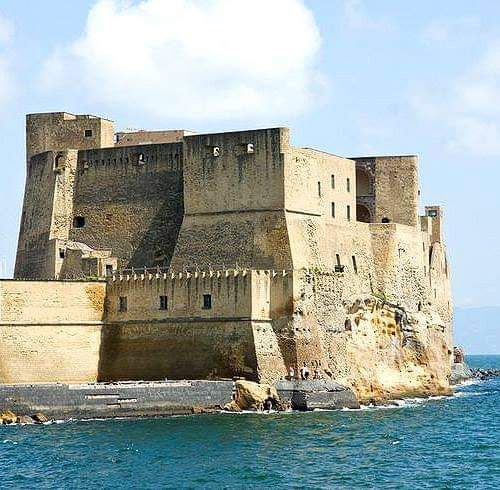
Castel dell'Ovo sits on a tiny island connected by causeway, where Greeks founded their first settlement 2,700 years ago. You're here for the knockout views: Mount Vesuvius rising across the bay, the sweep of Naples climbing the hills behind you, and fishing boats bobbing in the marina below. The medieval castle itself is free to enter, and you can walk the ramparts and explore a few sparse rooms, but the real draw is standing on these ancient stones with the entire Bay of Naples spread out before you. The visit flows naturally from the castle out onto the Lungomare, Naples' seafront promenade that curves west for 3km to Mergellina. You'll walk past joggers, fishermen casting lines, and Neapolitans taking their evening passeggiata. The grand Belle Époque hotels face the water along Via Partenope, their terraces perfect for watching the light change on Vesuvius. The promenade has that relaxed seaside energy you don't expect in such a dense city, with the smell of salt air mixing with coffee from the waterfront bars. Most guides oversell the castle's interior: there's honestly not much to see inside beyond a few archaeological fragments and empty rooms. The magic happens outside on the ramparts and along the waterfront walk. Skip the castle entirely if you're pressed for time and just do the Lungomare, especially the stretch from Castel dell'Ovo to the Santa Lucia marina where the fishing boats cluster. The walk to Mergellina takes about 45 minutes and ends at excellent seafood restaurants.

45 min - 1 hourExplore
Castel Nuovo
Landmark

Castel Nuovo

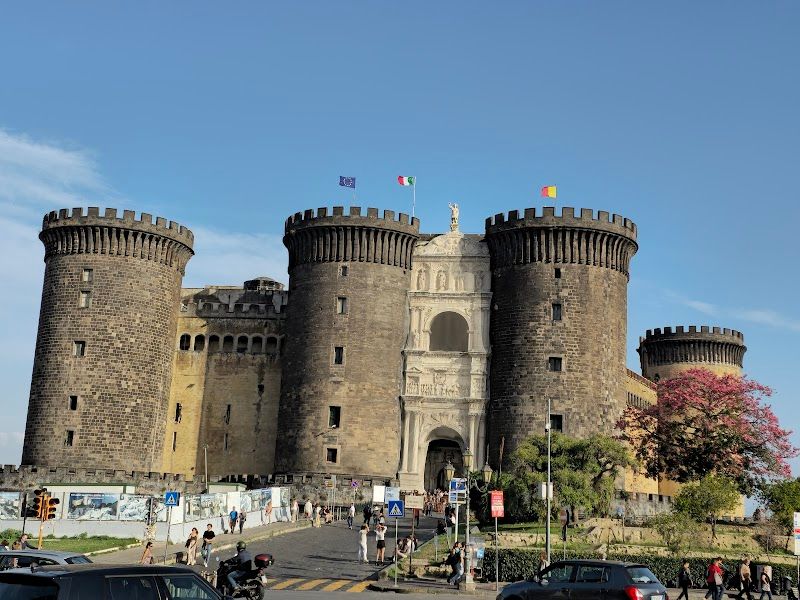
Castel Nuovo stands like a medieval fortress dropped into Naples' port, its five round towers and massive walls built by the Aragonese in the 13th century. The showstopper is the Renaissance triumphal arch squeezed between two defensive towers, covered in detailed marble reliefs celebrating Alfonso of Aragon's victories. Inside, you'll explore the Sala dei Baroni with its soaring ribbed vault where medieval nobles once plotted, plus the Civic Museum displaying Neapolitan paintings and historical artifacts. The castle visit flows from the impressive courtyard through a series of medieval halls and up to the ramparts. The contrast hits you immediately: brutal defensive architecture interrupted by that delicate Renaissance archway. The Sala dei Baroni feels genuinely atmospheric with its stone walls and dramatic ceiling, while the museum rooms showcase local art spanning centuries. From the battlements, you get sweeping views over the port toward Vesuvius and across to the islands. Most guides oversell the museum collection, which is decent but not spectacular. The real draw is the architecture and those rampart views. Entry costs around 6 EUR, and you can easily see everything worthwhile in 90 minutes. Skip the upper museum floors if you're pressed for time and head straight to the battlements. The castle feels authentically medieval despite being in the city center, making it worth the visit for the atmosphere alone.

1.5-2 hoursExplore
Duomo di Napoli
Cultural Site

Duomo di Napoli

Naples Cathedral houses one of Italy's most fascinating religious spectacles: the liquefaction of San Gennaro's blood, which happens three times yearly and draws thousands of believers. Beyond the miracle, you'll find the oldest baptistery mosaics in Western Europe dating from the 4th-5th centuries, plus a surprisingly ornate baroque interior that most tourists rush through. The Chapel of San Gennaro glitters with silver and precious stones, while the archaeological area beneath reveals layers of Greek and Roman Naples. The cathedral feels like stepping into Naples' spiritual heartbeat, especially during the blood miracle ceremonies when the entire city holds its breath. Outside miracle days, it's pleasantly quiet with excellent natural light filtering through the nave. The baptistery mosaics are genuinely spectacular, showing early Christian symbols in brilliant blues and golds that have survived 1,600 years. You'll hear whispered prayers echoing off baroque marble and smell centuries of incense in the side chapels. Most guides oversell the main cathedral space, which is nice but not extraordinary by Italian standards. The real treasures are the baptistery (often overlooked) and the archaeological excavations beneath (entry costs €3). Skip the treasury unless you're obsessed with religious artifacts. The miracle ceremonies are genuinely moving if you can handle massive crowds, but the atmosphere on regular days is actually more contemplative for appreciating the art and architecture.

45-60 minutesExplore
Hand-picked

Experiences worth booking ahead

Vetted tours and tickets we'd send a friend to. The ones worth reserving before you arrive.
All experiences
Sorrento
Bestseller

Sorrento

Sorrento sits on dramatic cliffs 50 meters above the Bay of Naples, serving as your gateway to the Amalfi Coast's famous SS163 coastal road. The town itself offers walks through lemon groves, clifftop views of Vesuvius, and a historic center with ceramic shops and limoncello tastings. Most visitors use it as a day trip base, but the real prize is the scenic coastal drive to Positano's pastel houses, Amalfi's cathedral square, and Ravello's 350-meter-high Villa Rufolo gardens overlooking the Mediterranean. Your morning starts with the spectacular descent along hairpin curves carved into vertical cliffs, where every turn reveals another breathtaking view of azure water and terraced villages. In Positano, you'll navigate steep pedestrian streets to reach the pebbly beach, while Amalfi offers flat cathedral squares perfect for gelato breaks between exploring the Duomo's Arab-Norman architecture. Ravello provides the day's highlight with Villa Rufolo's gardens, where Wagner composed and celebrities still marry against panoramic backdrops. Most guides won't mention that driving yourself is genuinely stressful, not enjoyable. The roads barely fit two cars, parking costs 25-30 EUR when available, and summer traffic turns scenic drives into stop-and-go ordeals. SITA buses from Sorrento cost 10 EUR roundtrip, run every 30 minutes, and let you appreciate those cliff views instead of worrying about steering. Skip the expensive lemon grove tours (15 EUR for a short stroll) and save your money for decent restaurant meals in each village.

Book
Molo Beverello
Top rated

Molo Beverello

Molo Beverello serves as Naples' main gateway to the islands, where sleek hydrofoils and slower ferries depart for Capri, Ischia, and Procida throughout the day. You'll find ticket offices for multiple companies (Caremar, NLG, SNAV) selling passages that range from EUR 20-25 each way to Capri, with departures every 30-60 minutes starting at 7 AM. The terminal sits right on the waterfront with Mount Vesuvius looming across the bay, and you can grab an espresso at the bar while waiting for your boat. The experience feels authentically Italian chaos: crowds of tourists mixing with locals heading to work on the islands, announcements in rapid Italian echoing off concrete walls, and that slight diesel smell from idling boats. You'll queue outside specific gates (check your ticket for the gate number), then walk down floating docks where crew members help you aboard. The hydrofoils are surprisingly comfortable with airplane-style seating, and the 45-minute ride to Capri offers spectacular views of the coastline as Naples shrinks behind you. Most guides don't mention that morning return tickets often sell out by afternoon, especially in summer when 15,000+ people visit Capri daily. The companies are interchangeable despite what ticket sellers claim, so just go with whoever has the best departure time. Skip the expensive snack bar inside the terminal and hit the cafe next door for proper espresso at half the price (EUR 1.20 vs EUR 2.50).

Book
Piazza del Plebiscito
Top rated

Piazza del Plebiscito

Naples' grandest square sprawls across 25,000 square meters of smooth trachyte stone, designed to rival Rome's St. Peter's Square. The semicircular colonnade of the Basilica di San Francesco di Paola curves dramatically around one side while the imposing Royal Palace dominates the other. Two bronze equestrian statues of Bourbon kings stand in the center, and locals have turned them into an unofficial game: walk between them with your eyes closed and try to reach the opposite end without veering off course. The perspective tricks make it much harder than it looks. The square feels genuinely grand without being oppressive, especially when you realize it's completely car free. Students sit on the steps of the basilica, street musicians set up near the colonnade, and kids run wild across the open space. The acoustics are remarkable: clap your hands in the center and the sound bounces off the curved facade in perfect echoes. Late afternoon brings the evening passeggiata as Neapolitans stroll across the smooth stones, and the golden light makes everything glow. Most people snap photos and leave within 10 minutes, but you'll get more out of it if you actually walk the perimeter and appreciate the scale. The basilica interior is free but fairly plain compared to Naples' other churches, so skip it unless you're a neoclassical architecture enthusiast. The real magic happens at ground level on the square itself. Avoid midday in summer when the stone reflects heat mercilessly.

Book
Cappella Sansevero and the Veiled Christ
Top rated

Cappella Sansevero and the Veiled Christ

The Cappella Sansevero houses three sculptures that defy explanation: marble figures carved with translucent veils and nets that seem physically impossible. Giuseppe Sanmartino's Veiled Christ (1753) shows the dead Christ beneath a veil so realistic you'll swear it's actual fabric, but it's carved from the same marble block. Two competing sculptures, Disillusion (a figure trapped in a marble net) and Modesty (another veiled figure), are equally mind-bending. The crypt holds two complete human skeletons with perfectly preserved circulatory systems that scientists still can't explain. You'll enter a small baroque chapel where your eyes immediately go to the Veiled Christ in the center. The detail is genuinely unsettling: you can see Christ's facial features, eyelashes, and wounds through the marble veil. The other sculptures line the walls, each one making you question how 18th-century sculptors achieved such effects. Descending to the crypt feels like entering a mad scientist's laboratory, complete with those mysterious anatomical figures that look like something from a horror film. Most guides rush through in 30 minutes, but you need the full hour to properly absorb what you're seeing. Skip the audio guide (EUR 5 extra) and just stare at the sculptures: they speak for themselves. The chapel gets stupidly crowded after 11 AM, turning the experience into a cattle shuffle. At EUR 10, it's pricey for 20 minutes of actual viewing time, but these sculptures exist nowhere else on earth.

Book
National Archaeological Museum of Naples (MANN)
Top rated

National Archaeological Museum of Naples (MANN)

The Museo Archeologico Nazionale di Napoli (MANN) is the most important collection of Roman and Greek antiquities in the world, significantly better than what is in Rome itself. This is because the museum holds the entire Farnese collection (accumulated by one of Rome's most powerful families over two centuries) and the objects recovered from Pompeii, Herculaneum, and Stabiae after the 1748 excavations began. The Farnese collection includes the Farnese Hercules (the largest surviving ancient statue, 3.15 metres, a 3rd-century Roman copy of a Greek original, the head is disproportionately small because the original head was lost and replaced) and the Farnese Bull (the largest surviving sculptural group from antiquity, 3.7 metres high). The Pompeii galleries contain the actual mosaics, wall paintings, and objects removed from the excavations: the Alexander Mosaic (the battle between Alexander the Great and Darius, originally the floor of the House of the Faun in Pompeii, 20 square metres, made from 1.5 million tesserae) is in Room 61. The Secret Cabinet (Gabinetto Segreto) contains the erotic art recovered from Pompeii, which was locked away for most of the museum's history and only fully opened in 2000. EUR 18. Closed Tuesday.

Book
Castel dell'Ovo and the Lungomare
Top rated

Castel dell'Ovo and the Lungomare

Castel dell'Ovo sits on a tiny island connected by causeway, where Greeks founded their first settlement 2,700 years ago. You're here for the knockout views: Mount Vesuvius rising across the bay, the sweep of Naples climbing the hills behind you, and fishing boats bobbing in the marina below. The medieval castle itself is free to enter, and you can walk the ramparts and explore a few sparse rooms, but the real draw is standing on these ancient stones with the entire Bay of Naples spread out before you. The visit flows naturally from the castle out onto the Lungomare, Naples' seafront promenade that curves west for 3km to Mergellina. You'll walk past joggers, fishermen casting lines, and Neapolitans taking their evening passeggiata. The grand Belle Époque hotels face the water along Via Partenope, their terraces perfect for watching the light change on Vesuvius. The promenade has that relaxed seaside energy you don't expect in such a dense city, with the smell of salt air mixing with coffee from the waterfront bars. Most guides oversell the castle's interior: there's honestly not much to see inside beyond a few archaeological fragments and empty rooms. The magic happens outside on the ramparts and along the waterfront walk. Skip the castle entirely if you're pressed for time and just do the Lungomare, especially the stretch from Castel dell'Ovo to the Santa Lucia marina where the fishing boats cluster. The walk to Mergellina takes about 45 minutes and ends at excellent seafood restaurants.

Book
Castel Nuovo
Top rated

Castel Nuovo

Castel Nuovo stands like a medieval fortress dropped into Naples' port, its five round towers and massive walls built by the Aragonese in the 13th century. The showstopper is the Renaissance triumphal arch squeezed between two defensive towers, covered in detailed marble reliefs celebrating Alfonso of Aragon's victories. Inside, you'll explore the Sala dei Baroni with its soaring ribbed vault where medieval nobles once plotted, plus the Civic Museum displaying Neapolitan paintings and historical artifacts. The castle visit flows from the impressive courtyard through a series of medieval halls and up to the ramparts. The contrast hits you immediately: brutal defensive architecture interrupted by that delicate Renaissance archway. The Sala dei Baroni feels genuinely atmospheric with its stone walls and dramatic ceiling, while the museum rooms showcase local art spanning centuries. From the battlements, you get sweeping views over the port toward Vesuvius and across to the islands. Most guides oversell the museum collection, which is decent but not spectacular. The real draw is the architecture and those rampart views. Entry costs around 6 EUR, and you can easily see everything worthwhile in 90 minutes. Skip the upper museum floors if you're pressed for time and head straight to the battlements. The castle feels authentically medieval despite being in the city center, making it worth the visit for the atmosphere alone.

Book
Palazzo Reale di Napoli
Top rated

Palazzo Reale di Napoli

The Palazzo Reale delivers what you'd expect from a Bourbon royal residence: over-the-top opulence that might overwhelm you from all the gold leaf. You're walking through 30 state rooms filled with original 18th-century furniture, massive Flemish tapestries, and ceilings so elaborately frescoed they resemble baroque fever dreams. The real star is the tiny Teatrino di Corte, a perfectly preserved court theater that seats just 180 people and feels like a tiny, ornate room. The visit flows chronologically through the royal apartments, starting with the more formal reception rooms before moving into the king's private quarters. Each room tries to outdo the last with increasingly large chandeliers and furniture that epitomizes wealth. The theater is a standout, it's genuinely captivating and completely different from the heavy formality of the state rooms. The National Library occupies part of the building but feels like an afterthought after all that royal excess. Most guides won't tell you that half the rooms feel repetitive after the first dozen, all that gilded furniture starts to blend together. Entry costs 6 EUR, which is reasonable for what you get, but skip the audio guide at 5 EUR extra, the room placards have enough detail. Focus your energy on the Throne Room, the theater, and maybe three or four other rooms that catch your eye, then call it done.

Book
Napoli Sotterranea
Top rated

Napoli Sotterranea

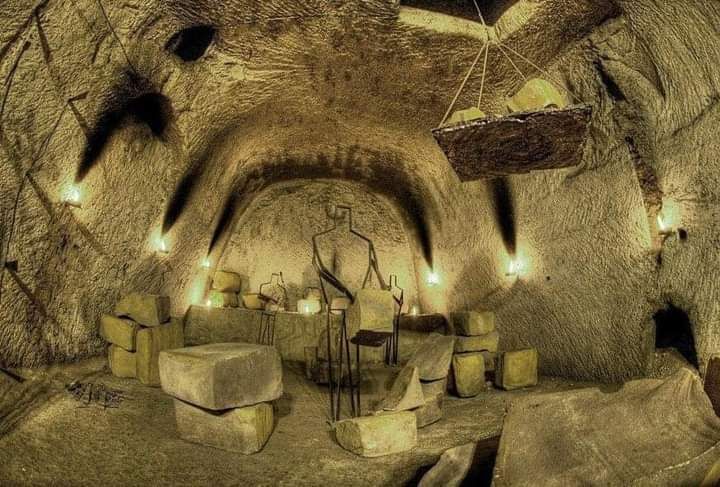
Napoli Sotterranea takes you 40 meters underground into the belly of ancient Naples, where Greek settlers carved the first cisterns 2,400 years ago and Romans expanded them into a massive aqueduct network. You'll crawl through narrow tufa tunnels barely wide enough for one person, explore cavernous water chambers that echo with every footstep, and emerge inside a buried Roman theater that sits directly beneath someone's living room. This isn't just archaeology: you're walking through the literal foundation of the city above. The 90-minute tour starts in a nondescript courtyard, then plunges into flickering candlelit passages where your guide explains how this underground maze supplied Naples with water until 1884. The highlight comes when you squeeze through an impossibly tight tunnel section (seriously, some people can't fit), then suddenly find yourself standing in the orchestra pit of a 2,000-year-old Roman theater. During WWII, these same tunnels sheltered 4,000 Neapolitans from Allied bombing raids. At €10 per adult, it's excellent value compared to Pompeii's crowds and higher prices. Skip this if you're claustrophobic: some passages require you to turn sideways and shuffle. The Roman theater finale makes the tight squeezes worthwhile, but about 20% of visitors struggle with the narrowest section. Tours run in Italian with decent English translation, though you'll miss some nuanced history.

Book
Read first

Travel guides

All guides
More on Naples

From the blog

View all
Good to know

Practical bits, answered

Naples' reputation is 20 years out of date. The centro storico is safe for tourists with normal precautions. Watch for scooter bag-snatchers in the centro storico streets (keep bags on the building side, not the street side). Don't leave valuables visible in a parked car. Don't walk alone in the area directly around Stazione Garibaldi late at night. Everything else is standard city precautions. The Quartieri Spagnoli, the Rione Sanità, and the centro storico at night are all fine.

With your hands, folded into quarters (a portafoglio, or wallet fold). No knife and fork. Margherita or marinara are the classic orders. The correct toppings for a Neapolitan margherita are: San Marzano tomatoes, fior di latte or bufala mozzarella, fresh basil, a little olive oil. Nothing else. The cornicione (outer crust) should be pillowy, slightly charred, and soft. A properly cooked Neapolitan pizza has a wet centre.

Circumvesuviana train from Napoli Centrale (the train station). The Circumvesuviana platforms are at the lower level of the station, separate from the main Trenitalia platforms. Take the Sorrento line and get off at Pompei Scavi-Villa dei Misteri. Journey time about 35 minutes, EUR 3.60 each way. Site admission is EUR 18. Train frequency: roughly every 30 minutes. Return by 5 PM to avoid long queues at the site exit.

Sfogliatella riccia (the multi-layered shell pastry with ricotta filling, EUR 2-3, eat it hot, eat the riccia not the frolla). Pizza fritta (fried pizza, EUR 3-4, the street food predecessor to the baked version). Cuoppo (paper cone of mixed fried food, seafood or vegetable, EUR 5-7). Espresso standing at a bar (EUR 1-1.20, the Neapolitan method produces a slightly different result to standard Italian espresso). At a sit-down trattoria: rigatoni alla Genovese (beef and onion sauce, nothing to do with Genoa), paccheri al ragu napoletano (the proper Sunday sauce, slow-cooked for hours).

Ready for Naples?

Let DAIZ plan your Naples days

Tell us how long you've got and what you're into. We'll build a day-by-day plan, with the bookable bits ready to lock in.

Plan my Naples tripFree · no signup to start
Plan your Naples trip