The Milan vs Turin debate splits northern Italy down the middle. Milan commands respect as Italy's economic powerhouse and fashion capital, while Turin quietly excels at food, architecture, and royal history. Both cities sit in the shadow of the Alps, both claim industrial heritage, and both offer distinctly different experiences from the tourist trails of Rome and Florence.
The short answer: Milan wins for first-time Italy visitors, Turin rewards repeat travelers. Milan delivers the Italy experience most travelers expect - designer boutiques, museums, and food that defines Italian cuisine abroad. Turin offers the Italy that Italians know - exceptional regional cooking, baroque palaces, and a café culture that invented the aperitivo.
Milan vs Turin: The Essential Comparison
These cities represent two faces of northern Italy's success story. Milan built its reputation on fashion and finance after rebuilding from World War II bombing. Turin evolved from Savoy royal capital to Fiat factory town to a refined cultural center that hosted the 2006 Winter Olympics.
Size and Scale
Milan proper houses 1.4 million residents with a metropolitan area pushing 3 million. Turin contains 870,000 people in a more compact urban area. Milan spreads across multiple metro lines and requires planning to navigate efficiently. Turin concentrates most attractions within walking distance of each other.
Transportation costs reflect this difference. Milan's ATM daily pass costs EUR 7.6 for metro, buses, and trams across the sprawling city. Turin's public transport daily ticket costs approximately EUR 5 for a system that covers the smaller city center more thoroughly.
Climate and Timing
Both cities share similar continental climates with cold winters and warm summers. Milan's urban heat island effect makes July and August less pleasant, while Turin's position closer to the Alps brings slightly cooler temperatures and more dramatic mountain views on clear days.
Winter fog affects both cities, but Milan's industrial activity creates thicker smog layers. Turin's air quality improves dramatically when Alpine winds clear the Po Valley.
Culture and Attractions: Milan vs Turin Showdown
Milan's Cultural Heavyweight Status
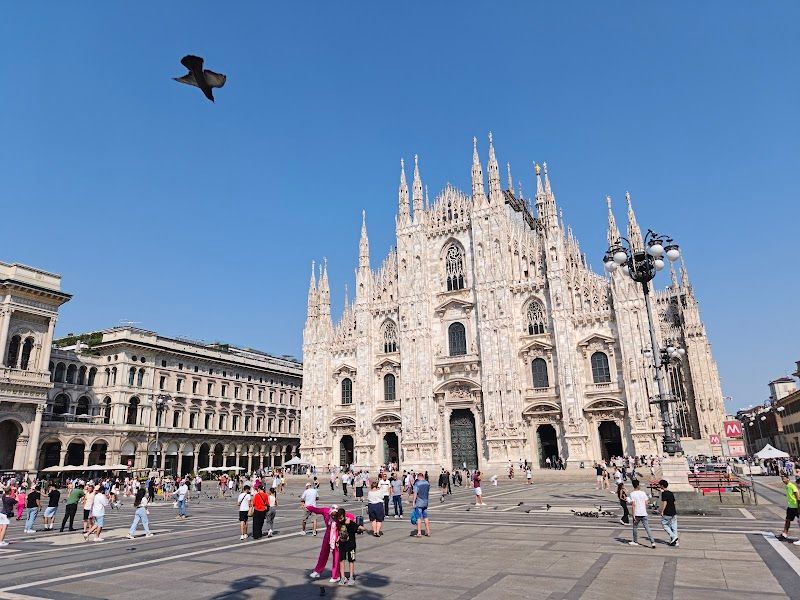
Milan concentrates attractions in its Centro Storico. The Duomo di Milano dominates the city center with its Gothic spires and EUR 15-25 rooftop access that provides Alpine views on clear days. The adjacent Galleria Vittorio Emanuele II connects the cathedral to La Scala opera house through Europe's most elegant shopping arcade.
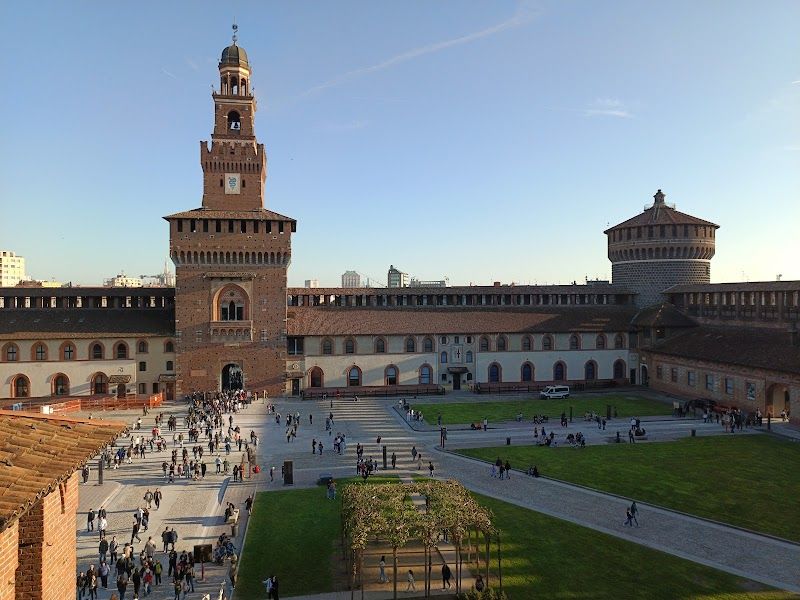
Art museums in Milan compete internationally. The Pinacoteca di Brera charges EUR 15 for Renaissance masterpieces including Caravaggio and Mantegna. The Museo del Novecento costs EUR 10 for Italy's best collection of 20th-century art. Leonardo da Vinci's Last Supper requires advance booking and costs EUR 15 for a 15-minute viewing.
Turin's Royal Heritage
Turin's attractions center on royal Savoy palaces that reflect its role as Italy's first capital. The Palazzo Reale contains opulent state rooms and costs approximately EUR 15. The Mole Antonelliana, Turin's symbol, houses the National Cinema Museum for approximately EUR 11 and offers city views from its panoramic lift for an additional EUR 8.
Turin's Egyptian Museum ranks as the world's second-largest after Cairo's, with approximately EUR 15 admission. The Palazzo Madama combines medieval castle with baroque palace architecture for approximately EUR 10.
The royal residences extend beyond the city center. The Reggia di Venaria, 20 minutes by bus, rivals Versailles in scale and costs approximately EUR 25 for palace and gardens.
Winner: Milan for International Recognition, Turin for Unique Specialization
Milan delivers attractions that justify international trips - La Scala, the Duomo, and fashion heritage that defines global style. Turin offers specialized museums and royal complexes that reward deeper exploration but don't provide the "must-see" experiences most first-time Italy visitors seek.
Food Scene: Where Turin Takes the Lead
Milan's Northern Italian Cuisine
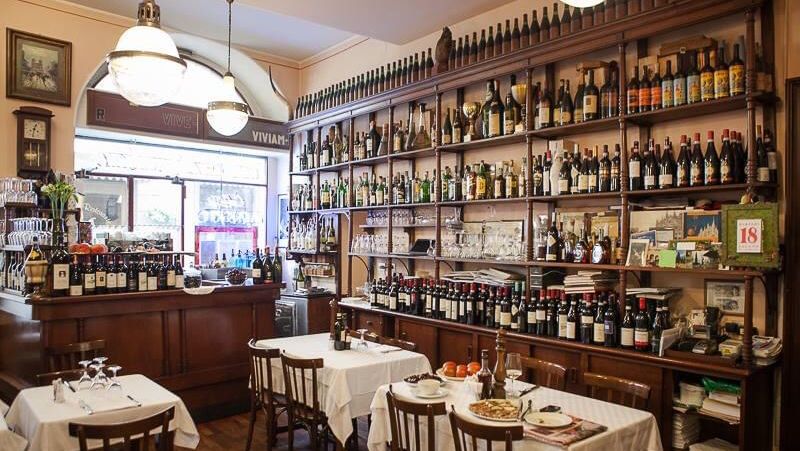
Milan's food reflects its position as northern Italy's commercial hub. Risotto alla milanese with saffron costs EUR 15-25 at traditional restaurants like Trattoria Milanese. The city excels at business lunches and international cuisine but lacks the regional food identity that defines other Italian cities.
Milan's aperitivo culture invented the pre-dinner drink tradition. Bars in Navigli and Brera serve EUR 8-15 drinks with complimentary appetizers between 6-8 PM. Camparino in Galleria created the Campari cocktail in its historic location.
Street food centers on Luini's panzerotti near the Duomo, but Milan lacks the street food culture of southern Italian cities.
Turin's Culinary Excellence
Turin owns several Italian food traditions that originated here. Gianduiotti chocolate was invented in Turin during the Napoleonic cocoa shortage, mixing hazelnuts from nearby Piedmont hills. Historic chocolate shops line Via Po and Via Garibaldi with tastings for approximately EUR 3-5.
The aperitivo was invented in Turin at Caffé Al Bicerin, which still serves its signature drink of coffee, chocolate, and cream for approximately EUR 4. Turin's aperitivo bars offer more substantial food spreads than Milan's commercial versions.
Piedmontese cuisine reaches its peak in Turin. White truffles from Alba, Barolo wine from Langhe hills, and vitello tonnato all originate within 100 kilometers of the city. Traditional restaurants serve tajarin pasta with butter and white truffles for approximately EUR 25-35 during truffle season (October-December).
Turin's food markets outperform Milan's limited options. Porta Palazzo market, Europe's largest open-air market, operates daily with regional specialties, international foods, and prices 30-40% below tourist areas.
Winner: Turin by a Wide Margin
Turin's food scene combines invention (chocolate, aperitivo), tradition (Piedmontese cuisine), and accessibility (excellent markets, neighborhood trattorias). Milan's food satisfies business travelers but doesn't represent the regional Italian cooking that draws food tourists.
Shopping and Fashion: Milan vs Turin Style
Milan's Fashion Capital Status
Milan's fashion reputation centers on the Quadrilatero della Moda, bounded by Via Montenapoleone, Via della Spiga, Via Manzoni, and Corso Venezia. Every major luxury brand maintains flagship stores here, from Prada's historic location to Versace's palazzo showroom.
Fashion Week transforms Milan twice yearly (February and September), when hotel prices triple and restaurant reservations become impossible. Outside fashion weeks, the shopping experience focuses on window shopping unless budgets exceed EUR 500 per item.
The Galleria Vittorio Emanuele II houses luxury flagship stores in the world's most beautiful shopping arcade. More accessible shopping concentrates on Corso Buenos Aires (longest shopping street in Europe) and the Porta Garibaldi area around 10 Corso Como.
Turin's Design and Vintage Scene
Turin approaches fashion through design and vintage rather than luxury retail. The city's automotive heritage with Fiat created a strong industrial design culture that extends to furniture, fashion, and architecture.
Vintage shopping in Turin surpasses Milan's options. Via Po and the Quadrilatero Romano contain dozens of vintage boutiques with 1960s-1980s Italian fashion for EUR 20-80 per piece. Turin's vintage markets offer authentic pieces from Italy's fashion golden age.
Contemporary shopping concentrates on Via Garibaldi (Europe's longest pedestrian street) and Via Po, with a mix of international chains and local boutiques. Prices run 20-30% below Milan's levels for comparable items.
Winner: Milan for Luxury, Turin for Value and Vintage
Milan dominates luxury fashion and offers the complete high-end shopping experience. Turin provides better value shopping and superior vintage finds without the tourist markup.
Practical Considerations: Costs and Logistics
Getting There and Around
Milan serves as northern Italy's transportation hub. Malpensa Airport connects to global destinations with the Malpensa Express train costing EUR 13 to reach city center in 45 minutes. Linate Airport handles European flights with EUR 6 bus service to San Babila in 25 minutes.
Turin's airport primarily serves European destinations with bus connections to city center for approximately EUR 7. Train connections favor Milan: high-speed trains reach Rome in 3 hours (EUR 60-120), while Turin requires connections for most long-distance routes.
Within cities, Milan's metro system covers four lines with the EUR 7.6 daily pass providing unlimited access. Turin's more compact size makes walking viable for most attractions, though the daily transport pass costs approximately EUR 5.
Accommodation Costs
Milan's hotel prices reflect its business city status. Mid-range hotels (3-4 star) cost EUR 120-200 per night in central locations, while boutique design hotels range EUR 180-300. Budget options start at EUR 60-90 for basic chain hotels.
Turin offers better value accommodation across all categories. Similar mid-range hotels cost approximately EUR 80-140 per night, with luxury options available for EUR 200-350 compared to Milan's EUR 350-800 luxury hotel rates.
Daily Spending
Milan's costs align with major European business centers:
- Budget breakfast: EUR 3.5-5
- Mid-range dinner with wine: EUR 30-50
- Espresso: EUR 1.2-2
- Beer: EUR 4-7
Turin provides 15-20% savings on comparable experiences:
- Similar breakfast: approximately EUR 3-4
- Equivalent dinner: approximately EUR 25-40
- Coffee: approximately EUR 1-1.5
- Beer: approximately EUR 3.5-6
Day Trips and Extended Exploration
From Milan: Lakes and Alps
Milan's position enables exceptional day trips. Lake Como reaches Varenna in 1 hour by train for EUR 8-12. The Swiss Alps become accessible through Tirano and the Bernina Express. Bergamo's medieval old town sits 1 hour away by bus for EUR 5.
The Italian Lakes form Milan's natural extension. Lake Maggiore, Lake Como, and Lake Garda all lie within 2 hours, offering Alpine scenery and resort towns that complement Milan's urban intensity.
From Turin: Mountains and Wine Country
Turin sits closer to serious Alpine adventure. Chamonix and Mont Blanc reach through the Mont Blanc tunnel in 2 hours. Italian ski resorts in Sestriere and Bardonecchia operate within 90 minutes.
Piedmont wine country surrounds Turin. Alba and the Langhe wine region (Barolo, Barbaresco) lie 1 hour south by car or bus. The wine harvest season (September-October) coincides with white truffle season for optimal timing.
The French Riviera becomes accessible through Monaco and Nice in 4 hours by car, making Turin a gateway to both Alps and Mediterranean.
Winner: Milan for Italian Lakes, Turin for Alps and Wine
Milan provides better access to Italy's classic destinations and efficient train connections. Turin opens superior mountain access and wine country exploration.
The Verdict: Milan vs Turin for Different Travelers
Choose Milan If:
- First-time Italy visitors who want experiences (La Scala, Duomo, fashion shopping)
- Business travelers who need international connections and luxury amenities
- Fashion and design enthusiasts who want to experience Italy's creative capital
- Museum lovers who prioritize art collections
- Efficient travelers who want multiple attractions within walking distance
Choose Turin If:
- Food-focused travelers who prioritize regional cuisine and culinary traditions
- History enthusiasts interested in royal palaces and unified Italy's origins
- Budget-conscious visitors who want Italian city experience at lower costs
- Mountain lovers who plan Alpine activities or ski trips
- Wine tourists exploring Piedmont vineyards and truffle country
- Repeat Italy visitors seeking experiences beyond tourist circuits
The Best Compromise: Visit Both
Turin makes an excellent day trip from Milan or vice versa. High-speed trains connect the cities in 2 hours for EUR 25-45, allowing visitors to experience both. Spend 2-3 days experiencing Milan's museums, fashion, and international atmosphere, then take a day or overnight trip to Turin for royal palaces, chocolate, and superior regional food.
This approach provides the complete northern Italy experience - Milan's global sophistication balanced with Turin's regional authenticity. Most visitors find Milan meets their expectations of Italian style and culture, while Turin exceeds expectations with its culinary excellence and royal heritage.
For first-time visitors to Italy, Milan wins as the primary destination with Turin as an enriching add-on. For travelers who have experienced Italy's major cities, Turin offers the deeper cultural immersion that rewards extended exploration.