Milan · Brera

Navigli District

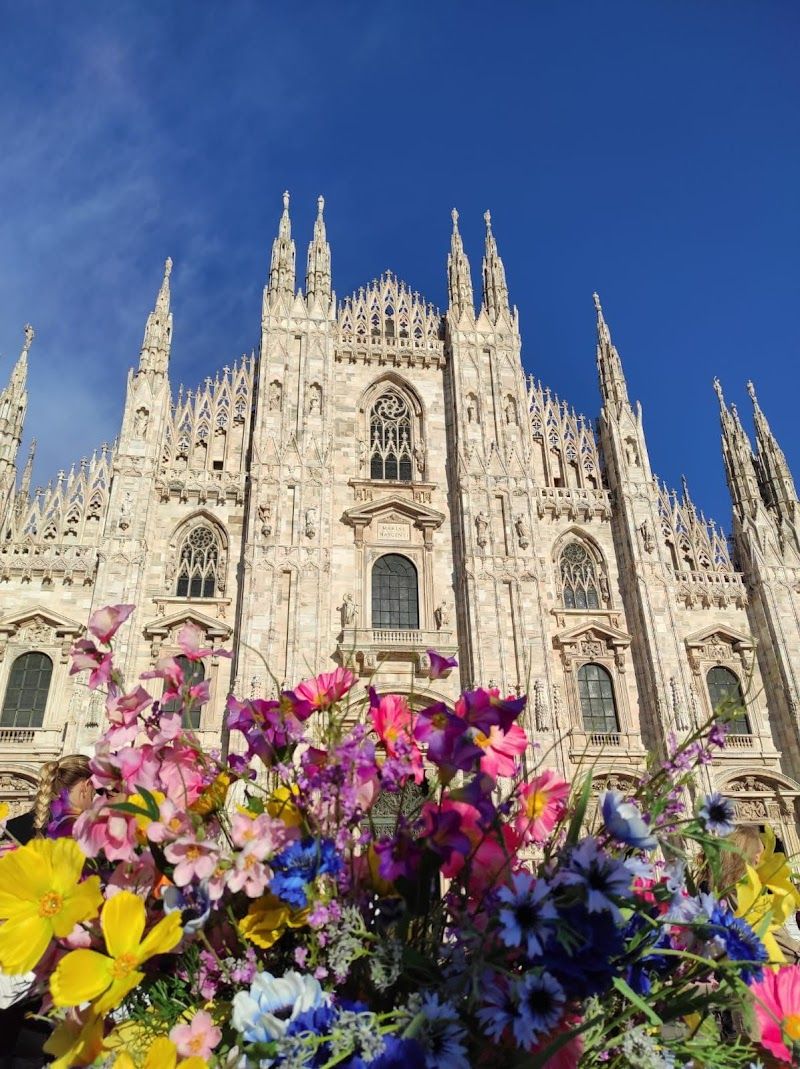
Milan's Navigli District is where the city's soul reveals itself after dark, transforming from daytime tourist curiosity into the beating heart of Milanese nightlife.
Navigli District, Milan · Brera
Category
Cultural Site
Duration
3 hours
Best Time
Morning
Entry
Free
The place

About Navigli District

Milan's Navigli District is where the city's soul reveals itself after dark, transforming from daytime tourist curiosity into the beating heart of Milanese nightlife. These weathered canals - Naviglio Grande and the smaller Naviglio Pavese - are the last survivors of an ingenious 12th-century waterway system that Leonardo da Vinci himself perfected with his revolutionary lock designs. Originally built to transport the pink Candoglia marble that built the Duomo, these canals once stretched 150 kilometers, connecting Milan to the great lakes and making it a maritime power despite being landlocked. Today's reality is far more intimate but equally compelling. The stonework quays, lined with plane trees and crossed by iron bridges, create an almost Parisian atmosphere that feels worlds away from Milan's corporate facade. By 6 PM, the canal-side terraces fill with perfectly dressed locals clutching Aperol spritzes, the orange glow of drinks mirroring the golden hour light dancing on the water. The restaurants here aren't tourist traps - they're neighborhood haunts where three generations of families gather for Sunday lunch. Vintage boutiques occupy converted warehouses, their exposed brick walls housing everything from 1970s Valentino to obscure Italian design pieces. Art galleries tucked into former loading docks showcase emerging Milanese talent. The monthly antique market transforms the entire district into an open-air treasure hunt where serious collectors hunt for Murano glass and Art Deco furniture alongside curious wanderers. This isn't manufactured charm - it's authentic Milan, complete with the occasional whiff of canal water and the constant hum of Vespa engines echoing off ancient stones.

Book ahead

Book Tickets

Live availability and skip-the-line options from our booking partners.

Search on Viator →Search on GetYourGuide →

Booking powered by our partners. DAIZ may earn a commission.
The place

Getting there

Address
Milan, Metropolitan City of Milan, Italy
Neighborhood
Brera
View on Google Maps →
Good to know

Tips, answered

Arrive by 6 PM for aperitivo - EUR 10-15 gets you unlimited access to elaborate buffets that easily substitute for dinner. Rita & Cocktails and Mag Cafe serve the best spreads. Skip the packed Naviglio Pavese stretch and head to Naviglio Grande's southern end past Via Corsico for half the crowds and better prices. The Sunday antique market (last Sunday monthly, 9 AM - 6 PM) requires strategy: arrive early for genuine finds, bring cash for better deals. Al Pont de Ferr offers Michelin-level dining without the tourist markup - book ahead. For shopping, visit weekday afternoons when vintage stores offer better service and hidden stock. The real magic happens after 10 PM when day-trippers vanish and locals reclaim their territory. Ponte di Porta Ticinese provides the classic sunset canal shot, but walk 200 meters south for the same view without fighting for space. Avoid Friday and Saturday nights unless you enjoy sardine-can crowds - Thursday evenings offer the same energy with breathing room.

Plan for about 3 hours. Morning visits are typically less crowded.

Navigli District is in the Brera neighborhood of Milan. The address is Milan, Metropolitan City of Milan, Italy. The area is well-served by metro.

Morning visits, especially early, mean fewer crowds and better light for photos. Weekdays are significantly quieter than weekends.

Comfortable shoes are recommended. Parts are outdoors, so bring a light layer.

Around the corner

Nearby in Brera

Explore all →
Castello Sforzesco
Landmark

Castello Sforzesco

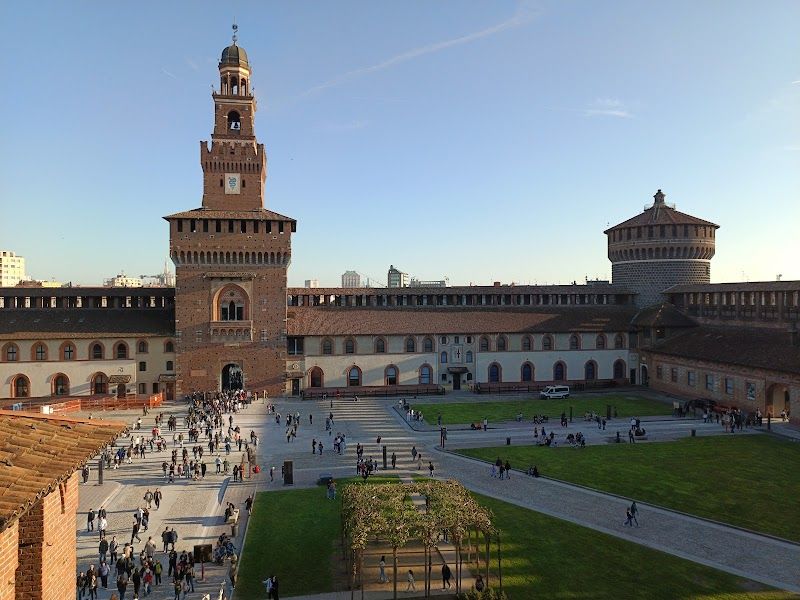
Don't let the tourist buses fool you - Castello Sforzesco is far more than just another Instagram backdrop. This hulking 15th-century fortress, built by Francesco Sforza on the ruins of an earlier Visconti castle, represents Milan's political ambitions at their peak. The Sforzas weren't just any noble family - they turned Milan into a Renaissance powerhouse that rivaled Florence and Venice. Walking through the massive gates feels appropriately theatrical, as the imposing brick walls and crenellated towers were designed to intimidate both enemies and subjects. The central courtyard, Piazza d'Armi, genuinely impresses with its scale - imagine 15th-century ceremonies and military parades here. But here's what most visitors miss: the real treasures are inside the museums (EUR 5 for all - criminally underpriced). The Museum of Ancient Art houses Michelangelo's haunting Rondanini Pietà, his final work left unfinished at his death. Unlike the polished perfection of his earlier sculptures, this piece feels raw and emotional - you can literally see the artist struggling with mortality. The Egyptian collection surprises with quality pieces, while the musical instrument museum showcases everything from Renaissance lutes to 19th-century pianos. The archaeological museum reveals Milan's Roman past as Mediolanum. Each museum flows naturally into the next, making the EUR 5 ticket exceptional value. The castle opens daily 7:00-19:30 (museums 9:00-17:30), and the experience takes 2-3 hours if you're thorough.

1-2 hoursExplore
Parco Sempione
Park & Garden

Parco Sempione

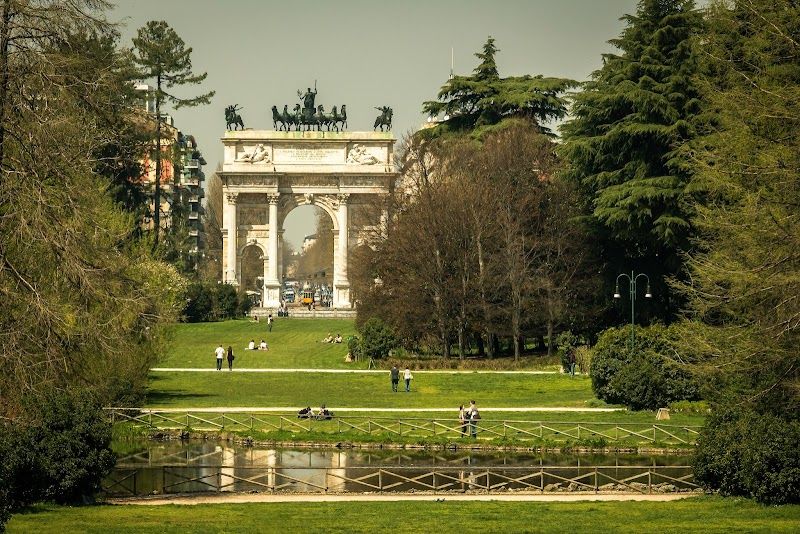
Parco Sempione is Milan's central breathing space, stretching from Castello Sforzesco to the Arco della Pace in a perfectly straight line that locals use for everything from morning runs to evening aperitivo picnics. The 95-acre English-style park anchors three major attractions: the Triennale Design Museum (€15 entry), the sleek Torre Branca observation tower (€5), and the neoclassical Arena Civica where AC Milan was founded. You'll find actual Milanese here, not just tourists - families feeding ducks at the small lake, couples sprawled on blankets, and serious joggers who treat the main avenue like their personal track. The park flows naturally from the castle's back entrance toward the triumphal arch, with wide tree-lined paths that feel more Parisian than Italian. The atmosphere shifts throughout the day - quiet and misty at sunrise when only runners appear, then filling with dog walkers, then families by afternoon. Torre Branca rises unexpectedly from the greenery like a miniature Eiffel Tower, while the Triennale's modernist building contrasts sharply with the surrounding 19th-century landscaping. Most guides oversell the Triennale unless you're genuinely into contemporary design - the temporary exhibitions can be hit or miss for €15. The Torre Branca is worth the €5 if it's clear (it closes in bad weather), but the real appeal here is simply having green space in central Milan. Skip the overcrowded areas near the castle entrance and head toward the quieter northwestern section where locals actually hang out.

1-2 hoursExplore
Pinacoteca di Brera
Museum

Pinacoteca di Brera

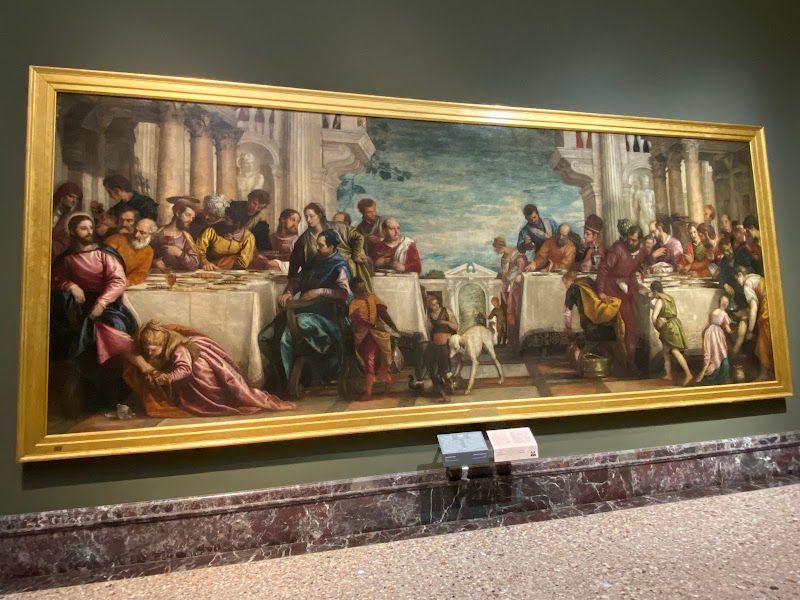
The Pinacoteca di Brera is Milan's magnificently overlooked answer to Florence's Uffizi - smaller, less crowded, and arguably superior for pure Renaissance painting quality. Housed in a 17th-century Jesuit college that Napoleon transformed into a gallery in 1809, this is where serious art lovers come to escape the tourist hordes while encountering some of Italy's greatest masterpieces. The collection spans six centuries across 38 thoughtfully curated rooms, but the real magic lies in the intimate scale that lets you actually contemplate the art without fighting crowds. Raphael's ethereal 'Marriage of the Virgin' anchors Room 24 - its perfect perspective and luminous colors still take your breath away. Mantegna's revolutionary 'Dead Christ' in Room 6 demonstrates foreshortening so radical it shocked 15th-century viewers and still feels startling today. Caravaggio's moody 'Supper at Emmaus' showcases his dramatic chiaroscuro technique, while Hayez's romantic 'The Kiss' has become an icon of Italian nationalism. Beyond the headline acts, discover Piero della Francesca's serene altarpiece, Bellini's sacred conversations, and surprisingly strong modern Italian works. The bronze Napoleon statue in the elegant courtyard reminds you this gallery exists because the emperor looted monastery collections across northern Italy. At EUR 15, it's exceptional value for world-class art in a civilized setting. Thursday evenings extend until 10:15 PM with a wonderfully relaxed, almost contemplative atmosphere as golden hour light filters through the galleries.

1.5-2.5 hoursExplore
Orto Botanico di Brera
Park & Garden

Orto Botanico di Brera

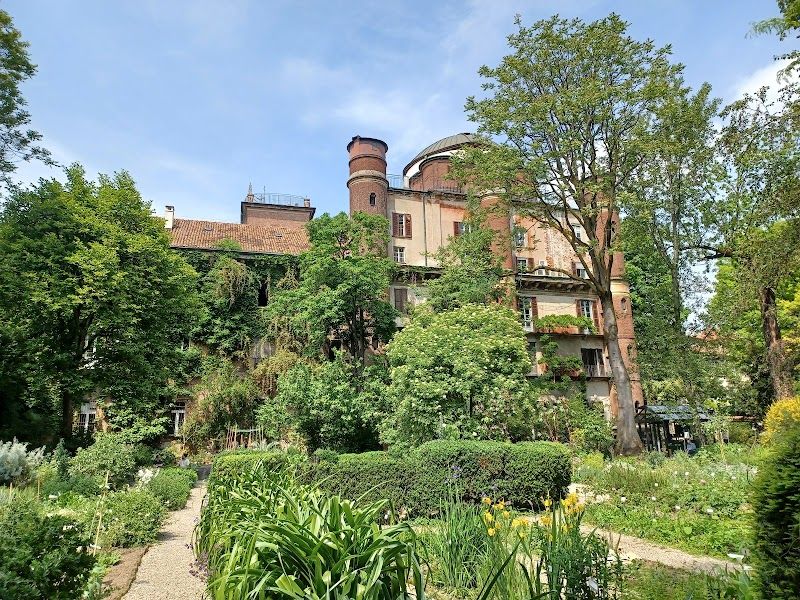
This pocket-sized botanical garden sits behind the Brera Academy, occupying just one hectare but packing in centuries of scientific history since Maria Teresa founded it in 1774. You'll find around 300 plant species arranged in themed sections - medicinal herbs that pharmacy students once studied, towering ginkgo trees that predate Napoleon, and two baroque fish ponds that reflect the surrounding 18th-century buildings. The original greenhouse still houses tropical specimens, while the herb garden demonstrates how Milan's apothecaries once sourced their remedies. Walking through feels like discovering someone's private estate rather than a public garden. The gravel paths wind between raised beds where professors still teach botany classes, and students sketch under the shade of ancient magnolias. The space stays remarkably quiet despite being steps from Via Brera's galleries - high walls block out street noise completely. Two small ponds anchor the layout, surrounded by benches where you can actually hear birds singing and water trickling. Most travel guides oversell this as a major attraction when it's really a lovely 30-minute break between Brera's art galleries. Entry is free, but opening hours are unpredictable - officially 9am-12pm and 2pm-6pm, but they close randomly for university events. Skip it if you're rushed or expecting Kew Gardens - come if you need a genuine pause from Milan's intensity and don't mind something genuinely small-scale.

30-45 minutesExplore
More on Milan

From the blog

View all →
Ready for Milan?

Let DAIZ plan your Milan days

Tell us how long you've got and what you're into. We'll build a day-by-day plan, with the bookable bits ready to lock in.

Plan my Milan tripFree · no signup to start
Plan your Milan trip