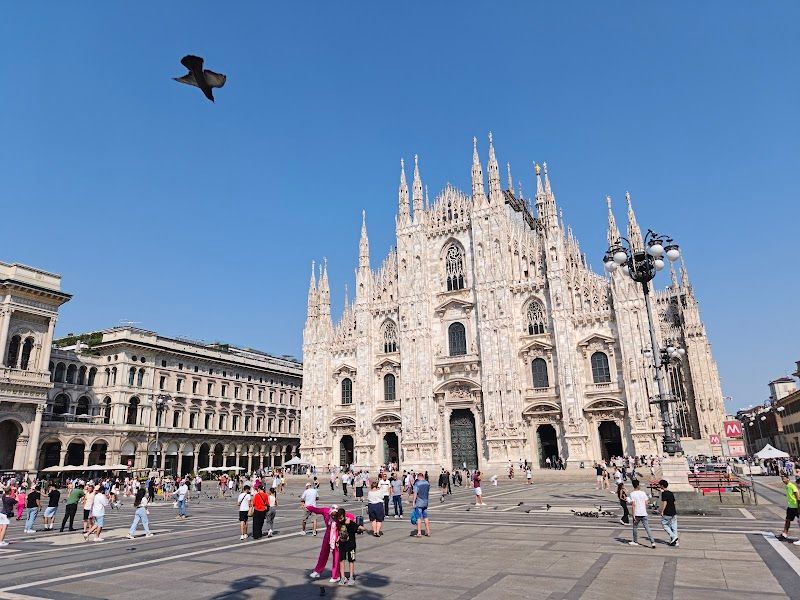
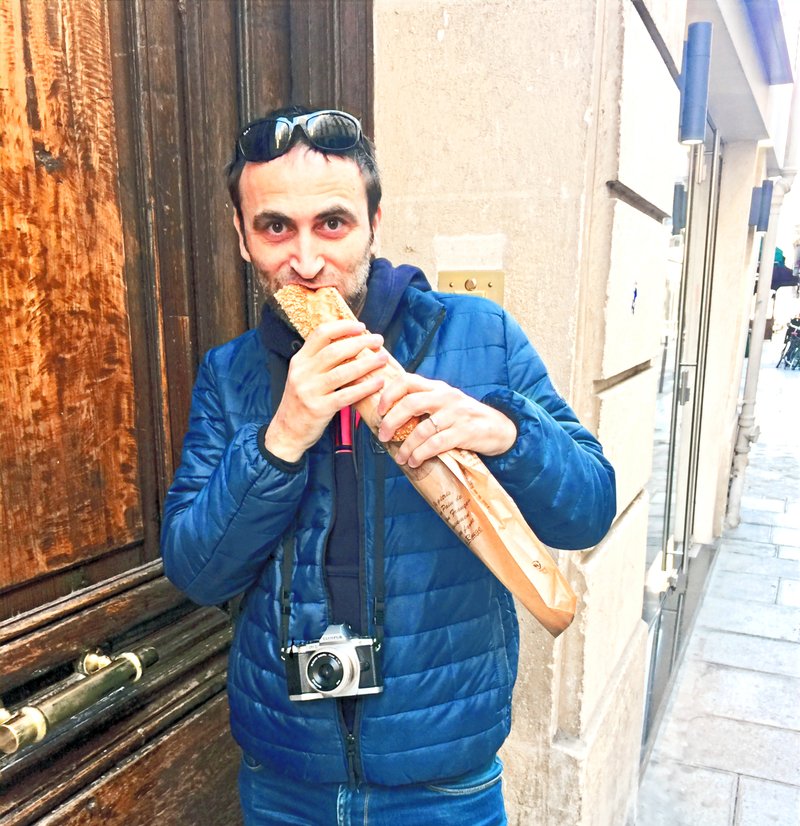
Eating well while sightseeing in Milan takes some local knowledge. The challenge isn't that Milan lacks excellent restaurants - it's that the city's major attractions sit in areas where mediocre establishments prey on hungry tourists. Yet within a few blocks of the Duomo, La Scala, and Brera, locals have carved out dining spots that maintain Milan's reputation as northern Italy's culinary capital.
This guide organizes Milan's best restaurants by their proximity to major attractions. Whether you're emerging from the Duomo di Milano spires or need sustenance before a show at Teatro alla Scala, you'll find quality options that won't embarrass your palate or drain your wallet.
Restaurants Near Duomo Milan: Beyond the Tourist Zone
The restaurants near duomo milan present a particular challenge. The cathedral's magnetism creates a dining dead zone where overpriced mediocrity thrives. Yet Milan's locals haven't abandoned the centro entirely.
Traditional Milanese Within Walking Distance
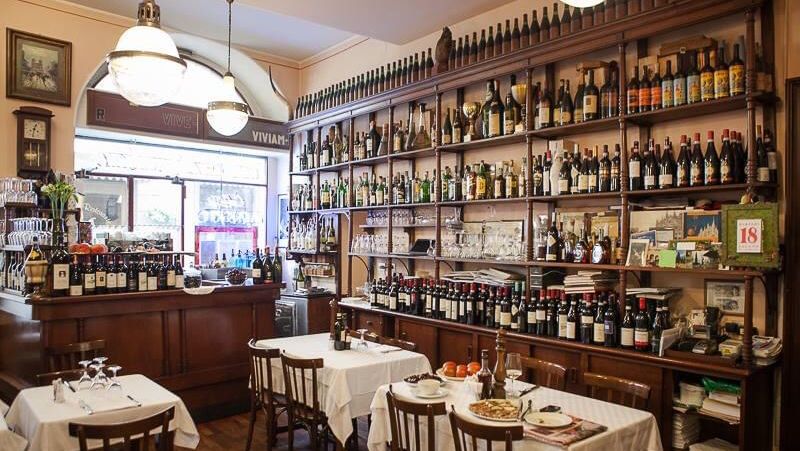
Trattoria Milanese on Via Santa Marta deserves its reputation as Milan's most authentic traditional restaurant. Located 300 meters from the Duomo, this family-run establishment has served risotto alla milanese (EUR 18) and cotoletta alla milanese (EUR 24) since 1933. The dining room feels frozen in the 1950s - checkered tablecloths, wooden chairs, and zero concessions to Instagram aesthetics.
The cotoletta here follows the original recipe: a bone-in veal chop, pounded thin, breaded, and fried in clarified butter. It arrives on a plate large enough to serve two people, golden and crackling. The risotto uses Carnaroli rice, proper beef stock, and saffron threads that turn it the color of Milan's January fog. Make reservations - locals book weeks ahead.
Two blocks south, Osteria del Borgo on Via Borromei offers modern interpretations of Lombard classics. Chef Marco Ambrosino trained at Il Luogo di Aimo e Nadia before opening this 30-seat restaurant. His riso al salto (EUR 16) transforms leftover risotto into a crispy pancake, topped with aged Gorgonzola. The brasato al Barolo (EUR 28) slow-cooks Piemontese beef in wine until it falls apart at the touch of a fork.
Quick Bites for Cathedral Climbers
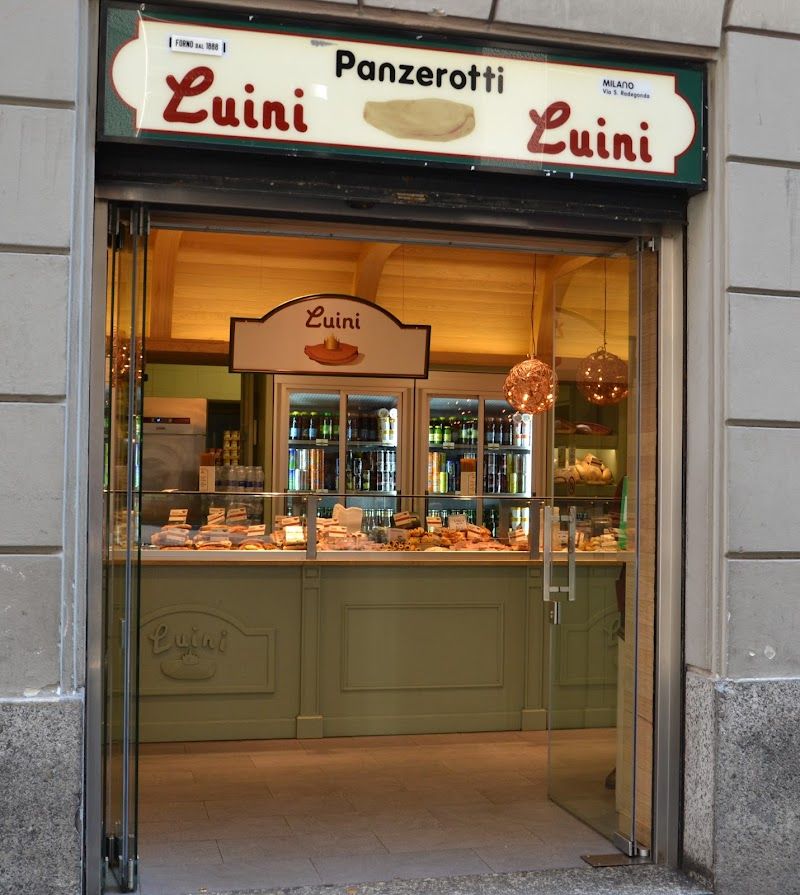
After climbing the Duomo rooftops (EUR 15-25), you need immediate sustenance. Luini on Via Santa Radegonda has solved this problem since 1888. Their panzerotti (EUR 3.50) are deep-fried pockets of dough filled with tomato and mozzarella, served burning hot from paper bags. The line moves quickly, and you can eat while walking to your next destination.
For proper Milanese breakfast, Cova on Via Montenapoleone (a 5-minute walk from the Duomo) has served the city's elite since 1817. Their brioche con gelato (EUR 6) pairs warm pastry with house-made gelato. The coffee (EUR 2.50 at the counter) rivals any in Italy.
Lunch Near the Gothic Spires
Milan's business district surrounds the Duomo, creating a lunchtime ecosystem of quality establishments that must satisfy discerning local palates.
Ratanà on Via Gaetano de Castillia (10 minutes by metro from Duomo) represents Milan's new wave of restaurants that honor tradition while embracing creativity. Chef Cesare Battisti sources ingredients from small Lombard producers. His tortellini in brodo di cappone (EUR 20) uses pasta made fresh each morning and chicken broth simmered for 12 hours. The osso buco (EUR 32) comes with saffron risotto and bone marrow that locals spread on grilled bread.
Berton on Via Mike Bongiorno (near Porta Garibaldi, 15 minutes from Duomo) earned a Michelin star for chef Andrea Berton's approach to modern Italian cuisine. The lunch menu (EUR 45) offers three courses that showcase seasonal ingredients. The vitello tonnato deconstructs the Piemontese classic into an elegant plating that maintains the dish's soul while elevating its presentation.
Restaurants Near La Scala: Opera District Dining
The area around La Scala demands restaurants worthy of Milan's cultural elite. These establishments understand that restaurants near La Scala must match the venue's legendary standards.
Pre-Theater Dining Excellence
Il Marchesino occupies the top floor of the Prada Foundation building, 200 meters from La Scala. Chef Gualtiero Marchesi's protégé oversees a menu that treats Italian ingredients with Japanese precision. The crudo di ricciola (EUR 26) features amberjack sashimi with Sicilian olive oil and Ligurian basil. The risotto all'amarone (EUR 24) uses Veneto wine to create burgundy-colored rice that tastes like liquid velvet.
Reservations require advance planning, especially on opera nights. The dining room's floor-to-ceiling windows overlook the Galleria Vittorio Emanuele II, creating theater before the theater.
Da Giacomo on Via Sottocorno has fed Milan's cultural aristocracy since 1958. This seafood-focused restaurant maintains the formality that La Scala patrons expect. The crudo di tonno (EUR 28) uses yellowfin tuna from Sicily, sliced tableside and dressed with Ligurian olive oil. The risotto ai frutti di mare (EUR 26) combines Carnaroli rice with clams, mussels, and prawns in a saffron-scented broth.
The service here operates with balletic precision. Waiters in white jackets navigate between closely spaced tables, delivering courses with timing that ensures patrons reach La Scala before curtain.
Aperitivo Before the Show
Camparino in Galleria sits inside the Galleria Vittorio Emanuele II, 50 steps from La Scala. This Art Nouveau bar invented the Negroni Sbagliato - Campari, sweet vermouth, and prosecco instead of gin. The aperitivo (EUR 12) includes olives, focaccia, and small sandwiches that sustain without spoiling appetite for dinner.
The bar's position in the Galleria makes it a natural meeting point. The mosaic floors and brass fittings have witnessed a century of pre-opera conversations. During intermissions, patrons spill onto the Galleria's marble floors, creating an extension of La Scala's social ritual.
Late-Night Post-Opera Options
After performances end around 11 PM, most Milan restaurants have closed their kitchens. However, the opera district maintains several establishments that cater to culture vultures.
Osteria delle Vigne on Via San Clemente stays open until 1 AM, serving traditional Lombard dishes alongside an extensive wine list. The polenta taragna (EUR 14) combines cornmeal and buckwheat flour with butter and local cheese, creating comfort food that satisfies post-opera hunger. The wine selection emphasizes northern Italian producers, with bottles ranging from EUR 25-80.
Restaurants Near Brera: Art District Gastronomy
The restaurants near brera benefit from the neighborhood's artistic heritage and affluent residents. This area demands sophistication without pretension, creating dining options that match the district's creative energy.
Artistic Ambiance and Culinary Excellence
Tano Passami l'Olio on Via Villani occupies a converted artist's studio in the heart of Brera. Chef Gaetano Simonato earned his reputation at starred restaurants before opening this intimate 40-seat establishment. The menu changes seasonally, but his tortellini del plin (EUR 22) remains constant - tiny pasta parcels filled with roasted veal and served in sage butter.
The wine list emphasizes small Italian producers, with particular strength in Piedmont and Tuscany. Sommelier recommendations pair perfectly with each dish, and the markup remains reasonable for the neighborhood (bottles start at EUR 28).
Nabucco on Via Fiori Chiari has served the Brera art community since 1967. The walls display rotating exhibitions from local artists, and the menu balances traditional Milanese dishes with contemporary interpretations. The risotto al gorgonzola e noci (EUR 18) combines creamy local cheese with toasted walnuts. The brasato al Nebbiolo (EUR 30) braizes beef in Barolo wine until it achieves fork-tender perfection.
Gallery District Quick Eats
Between gallery visits and Pinacoteca di Brera tours, you need sustenance that doesn't require lengthy sits.
Princi on Via Speronari (5 minutes from Brera's center) bakes Milan's best focaccia throughout the day. The focaccia con rosmarino (EUR 3.50 per piece) emerges from wood-fired ovens with crispy exteriors and fluffy interiors perfumed with rosemary. The pizza al taglio (EUR 2.50-4 per slice) rivals Rome's best, topped with seasonal vegetables and local cheeses.
Bar Brera on Via Brera itself provides the neighborhood's social center. The morning cappuccino e cornetto (EUR 4) draws local gallery owners and artists. The lunch tramezzini (EUR 5-7) are triangular sandwiches with creative fillings - bresaola with rucola, or gorgonzola with walnuts.
Evening Dining in the Arts Quarter
Brera's evening transformation from tourist destination to local hangout creates opportunities for serious dining.
Osteria di Brera on Via dell'Orso occupies a 17th-century palazzo with frescoed ceilings and marble floors. The kitchen focuses on seasonal ingredients from Lombardy's producers. The agnolotti del plin in brodo (EUR 20) features pasta parcels swimming in golden capon broth. The cotoletta di vitello (EUR 28) honors the Milanese classic with properly aged veal and clarified butter.
Service maintains the formality that Brera's residents expect, with waiters who understand wine pairings and can explain the provenance of each ingredient.
Milan Restaurant Recommendations by Cuisine Type
Milan's dining scene extends far beyond traditional Lombard cuisine. The city's international character creates opportunities for excellent dining across multiple cuisines.
Modern Italian Excellence
Seta at the Mandarin Oriental earned two Michelin stars for chef Antonio Guida's modern Italian cuisine. Located in the fashion district near Via Montenapoleone, this restaurant represents Milan's culinary ambitions. The tasting menu (EUR 180) showcases Italian ingredients through contemporary techniques. The tortellini in brodo di cappone presents the classic in a refined interpretation that honors tradition while embracing innovation.
Mudec Restaurant inside the cultures museum offers chef Enrico Bartolini's approach to global Italian cuisine. The location near the Navigli canals creates a unique setting for dining that explores Italy's international influences. The lunch menu (EUR 55) provides accessible entry to starred-restaurant dining.
International Flavors
Milan's international community has created pockets of authentic ethnic dining throughout the city.
Shiko on Via Legnano serves Milan's best sushi, prepared by chef Katsumi Soga using Mediterranean fish alongside traditional Japanese techniques. The omakase (EUR 80) trusts the chef's selection of seasonal fish. The sake list includes bottles unavailable elsewhere in Italy.
Ratanà combines northern Italian ingredients with international techniques, creating dishes that reflect Milan's cosmopolitan character without abandoning local identity.
Vegetarian and Health-Conscious Options
Milan's health-conscious population supports several excellent vegetarian restaurants near major attractions.
Joia earned the first Michelin star awarded to a vegetarian restaurant in Italy. Chef Pietro Leemann creates plant-based dishes that satisfy even dedicated carnivores. The tasting menu (EUR 120) proves that vegetables can anchor sophisticated dining experiences.
Flower Burger near Castello Sforzesco serves colorful plant-based burgers that Instagram loves but actually taste good. The rainbow buns use natural colorings, and the patties combine legumes and vegetables in satisfying combinations.
Where to Eat Milan Center: Budget to Luxury Options
The question of where to eat milan center depends entirely on your budget and dining ambitions. Milan accommodates every price point, from EUR 5 street food to EUR 200 tasting menus.
Budget-Friendly Central Options (Under EUR 15)
Milan's budget dining requires local knowledge to avoid tourist traps. These establishments serve quality food at prices that won't damage your wallet.
Spontini on Via Gaspar Spontini invented pizza al taglio in Milan. Their thick-crust squares (EUR 3-5 per piece) come topped with San Marzano tomatoes and mozzarella that stretches in long strings. The marinara (EUR 2.50) proves that simple preparations often work best.
Peck Italian Bar inside the famous delicatessen offers high-quality ingredients in casual preparations. The panini (EUR 8-12) use bresaola, prosciutto, and aged cheeses that cost EUR 30 per kilo at retail. The soup of the day (EUR 7) often features seasonal vegetables from Peck's suppliers.
Mid-Range Excellence (EUR 15-40)
This price range provides access to Milan's best traditional restaurants and modern interpretations of classic dishes.
Osteria del Borgo near the Duomo exemplifies Milan's neighborhood trattorias that maintain quality without fanfare. The menu degustazione (EUR 35) provides three courses that showcase seasonal ingredients. The wine list emphasizes Lombardy producers with bottles ranging from EUR 18-45.
Al Pont de Ferr in the Navigli district combines creative cooking with reasonable prices. Chef Matias Perdomo's background in starred restaurants shows in dishes that surprise without shocking. The risotto al nero di seppia (EUR 16) uses squid ink to create dramatic black rice studded with seafood.
Luxury Dining Experiences (EUR 50+)
Milan's luxury dining scene competes with any European capital. These restaurants justify their prices through exceptional ingredients, skilled preparation, and memorable service.
Da Vittorio operates a Milan outpost of their three-star Bergamo restaurant. The seafood-focused menu (EUR 150-200) brings Mediterranean fish to Lombardy's capital. The crudo selection showcases Italian waters' diversity through expert knife work and minimal seasoning.
Il Luogo di Aimo e Nadia maintains two Michelin stars through chef Alessandro Negrini's devotion to Italian ingredients and traditional techniques refined through modern understanding. The tasting menu (EUR 180) represents Milan's culinary sophistication at its peak.
Practical Dining Tips for Milan Visitors
Reservation Strategies
Milan's best restaurants require advance planning, especially during fashion weeks (February, June, September) and furniture fair season (April). Book starred restaurants 2-4 weeks ahead. Traditional trattorias often accept same-day reservations if you call after 3 PM.
Meal Timing and Service
Milan follows northern Italian dining schedules. Lunch service runs 12:30-2:30 PM, dinner begins at 8 PM and continues until 11 PM. Many restaurants close between meals, so plan accordingly. Sunday closures remain common, particularly in residential neighborhoods.
Price Expectations and Payment
Cover charges (coperto) of EUR 2-5 per person appear on most restaurant bills. Service charges aren't automatic, but 10% tips for good service are appreciated. Most establishments accept cards, but carry cash for smaller trattorias and street food vendors.
Dietary Restrictions
Milan's international character means most restaurants accommodate dietary restrictions with advance notice. Vegetarian options exist at traditional establishments, though meat-heavy Lombard cuisine can challenge strict vegetarians. Gluten-free pasta is widely available.
Seasonal Menu Changes
Milan's restaurant scene follows ingredient seasons religiously. Spring brings asparagus and artichokes, summer features tomatoes and zucchini blossoms, autumn showcases mushrooms and game, winter emphasizes preserved meats and aged cheeses. Menus change quarterly at quality establishments.
Milan's dining landscape rewards curious visitors who venture beyond obvious tourist zones. The city's business culture demands efficiency and quality, creating restaurant standards that benefit everyone who eats here. Whether you're grabbing panzerotti between Duomo visits or celebrating with a starred dinner near La Scala, Milan provides food experiences that justify the city's reputation as northern Italy's culinary capital.
For deeper exploration of Milan's food scene, our complete neighborhood food guide provides detailed coverage of each district's specialties and s.