Milan's public transport system operates on a zone-based fare structure that covers metro, buses, and trams throughout the urban area. The standard single ticket costs EUR 2.2 and remains valid for 75 minutes from validation, but if you plan to move around the city regularly, a travel card becomes essential. The question isn't whether you need one - it's where to find the most convenient purchase point for your arrival method and travel patterns.
Milan operates four metro lines (M1, M2, M3, M5), over 80 bus routes, and an extensive tram network that connects every major neighborhood from Centro Storico to Navigli. A daily pass at EUR 7.6 pays for itself after four single journeys, making it the obvious choice for most visitors.
Milan Travel Card Types and Prices
ATM Milano (the city's transport authority) offers several card options designed for different travel patterns. The daily pass costs EUR 7.6 and provides unlimited travel for 24 hours from first validation. The weekly pass at EUR 18 covers seven consecutive days of unlimited transport. Both cards work on all metro lines, buses, and trams within the urban transport zone.
The MilanoCard combines transport with attraction discounts. The 24-hour version costs EUR 14 and the 48-hour card EUR 21. These include unlimited public transport plus discounts at major museums and attractions. However, the math only works if you plan to visit multiple paid attractions - the transport-only cards offer better value for most travelers.
Single tickets remain the most expensive option at EUR 2.2 each with 75-minute validity. They make sense only for occasional journeys or short visits focused on one area. The break-even point is clear: three or more journeys in a day means the daily pass saves money.
Where to Buy Milan Travel Cards at Airports
Malpensa Airport offers the most purchase points for arriving international travelers. ATM ticket offices operate in Terminal 1 (arrivals level, near the Malpensa Express station) and Terminal 2 (arrivals hall). Both locations sell all card types and accept credit cards, cash, and contactless payments. The offices open at 6:00 AM and close at 11:30 PM daily.
Automatic ticket machines at Malpensa are located throughout both terminals, particularly near the Malpensa Express platforms and bus departure points. These machines offer multilingual interfaces (Italian, English, French, German, Spanish) and accept coins, bills, and credit cards. The machines occasionally reject foreign cards - keep cash as backup.
Linate Airport has fewer options but adequate coverage. The ATM ticket office sits in the arrivals hall near the bus departure area, open from 6:30 AM to 10:30 PM. Automatic machines are positioned near the bus stops and inside the terminal building. The direct bus to San Babila accepts contactless payments, but buying cards in advance avoids potential delays.
Bergamo Airport (Orio al Serio) serves low-cost carriers but sits outside Milan's transport zone. The airport bus to Milano Centrale costs approximately EUR 6-8 and requires separate ticketing. Once you reach Milano Centrale, Milan travel cards become relevant for onward journeys.
Metro Stations: The Most Convenient Purchase Points
Every metro station in Milan sells transport cards through automatic machines and most have staffed ticket offices during peak hours. Milano Centrale (the main railway station) provides the most comprehensive service with multiple ATM offices, numerous automatic machines, and extended operating hours.
The ticket office at Milano Centrale opens at 5:45 AM and closes at 1:15 AM the following day, covering almost all arrival times. Staff speak English and can explain card options, though the automatic machines handle most transactions faster. The station's M2 and M3 lines connect directly to the Duomo and other central attractions.
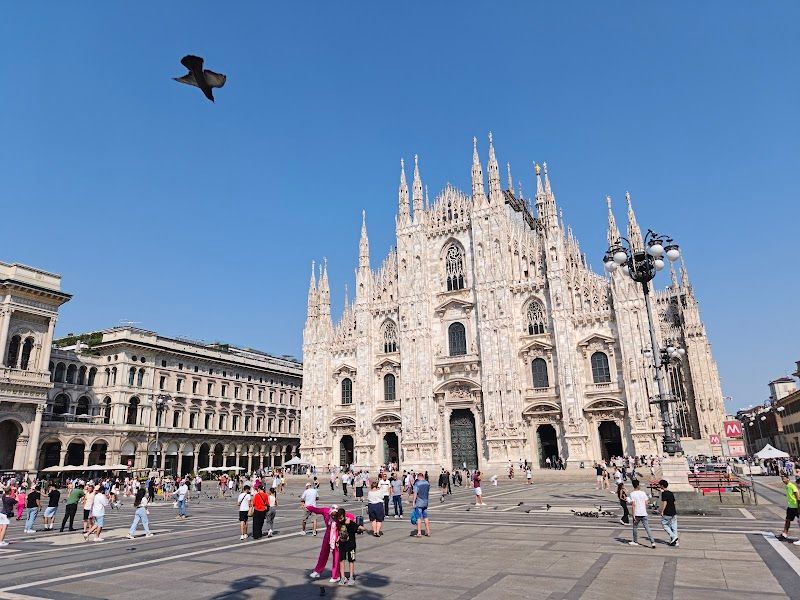
Duomo metro station (M1 and M3 lines) sits beneath the cathedral and offers easy access to Galleria Vittorio Emanuele II. The station has automatic machines on all levels plus a staffed office near the M1 platform. This location works perfectly for visitors staying in Centro Storico or starting their sightseeing at Milan's most famous landmark.
Cadorna station serves both metro (M1 and M2) and the Malpensa Express airport train. The integrated ticket office handles both city transport cards and airport connections, making it convenient for arrivals from Malpensa who want to continue exploring by public transport.
The Porta Garibaldi station (M2 and M5) connects to the business district and provides access to Corso Como. The station's ticket office operates from 6:00 AM to 9:00 PM weekdays, with automatic machines available 24/7.
Online and Mobile Purchase Options
The official ATM Milano app allows advance purchase of digital transport cards. Download requires an Italian mobile number for registration, limiting usefulness for short-term visitors. The app works well for residents but creates unnecessary complications for tourists who can buy cards easily upon arrival.
MilanoCard online purchase through the official website ships physical cards to hotels or provides collection codes for pickup at designated points. This option suits travelers who prefer arranging transport in advance, though it adds approximately EUR 3-5 in processing fees.
Third-party booking platforms sell Milan transport cards at marked-up prices. These services offer convenience for nervous travelers but provide no real advantage over buying cards at arrival points. The markup typically ranges from 15-30% above face value.
Where to Buy Milan Metro Pass in the City Center
Beyond metro stations, several central locations sell transport cards for visitors who need replacements or additional passes. Tabacchi (tobacco shops) throughout the city center display ATM stickers indicating they sell public transport tickets. Look for shops near major tourist areas like Via del Corso, Corso Buenos Aires, and around the Duomo.
The ATM Point customer service center at Via Albricci 20 (near Duomo) provides comprehensive assistance with transport cards, route planning, and accessibility information. The office opens Monday through Friday from 8:30 AM to 5:00 PM and Saturday until 1:00 PM. Staff speak multiple languages and can explain the most cost-effective card options for specific itineraries.
Hotel concierges in central Milan often sell transport cards as a guest service, though prices may include a small markup. This convenience option works for guests who prefer handling everything through their accommodation, particularly useful for early morning departures or late evening arrivals.
Many tourist information points sell MilanoCard and basic transport passes. The main office in Piazza Castello (near Castello Sforzesco) stocks all card types and provides route maps. Secondary offices at strategic locations like Porta Garibaldi and Porta Venezia offer basic transport cards.
Best Purchase Strategy by Travel Pattern
For airport arrivals at Malpensa, buy transport cards at the airport ATM office or machines before boarding the Malpensa Express. The train journey to Milano Centrale or Cadorna takes approximately 30 minutes, giving you immediate access to the full transport network upon arrival in central Milan.
Short-stay visitors (1-2 days) should buy daily passes at their arrival point - either airport or main railway station. The EUR 7.6 daily pass covers unlimited journeys for 24 hours, intensive sightseeing that includes multiple neighborhoods.
Week-long visitors benefit from the EUR 18 weekly pass purchased on arrival day. This card pays for itself after 2.5 days of regular use and eliminates daily ticket purchasing decisions. Buy it at Milano Centrale if arriving by train, or at your first metro station if arriving by airport bus.
Business travelers staying in Porta Garibaldi or near Milano Centrale should buy weekly passes at their nearest metro station. The convenience of unlimited travel justifies the cost, particularly for daily commutes between hotels and meeting locations.
Alternative Transport Ticket Offices
Milan's main railway station Milano Centrale houses multiple transport ticketing options beyond the standard ATM office. Trenord (regional trains) ticket offices sell integrated tickets combining city transport with suburban rail connections. This option suits visitors planning day trips to Lake Como or other destinations requiring regional train connections.
Bus terminal at Lampugnano (M1 line terminus) serves intercity bus connections and maintains an ATM ticket office specifically for travelers continuing into the city center. The office operates from 6:30 AM to 8:00 PM daily and provides route information for onward journeys.
The Navigli area has limited official ticket sales points, making advance purchase essential for evening visits. The nearest metro stations are Porta Genova (M2) and Sant'Agostino (M2), both equipped with standard automatic machines and occasional staffed offices.
What You Need to Know Before Buying
Milan transport cards require validation only on first use - subsequent journeys within the validity period need no further validation. Keep cards accessible throughout your journey as inspectors conduct regular checks with fines of approximately EUR 55 for fare evasion.
Credit card acceptance varies by location. Airport machines and major metro stations accept international cards reliably, while smaller tabacchi may prefer cash. Contactless payments work at most automatic machines installed after 2024.
Card replacement is not possible - lost or damaged cards cannot be refunded or replaced. Keep transport cards separate from other items and protect them from damage. The magnetic strips are sensitive to strong magnets and extreme temperatures.
Daily passes activate from first validation, not purchase time. A card bought Monday morning and first used Tuesday afternoon provides 24 hours from Tuesday's validation, not from Monday's purchase. Weekly passes follow the same pattern - seven days from first use, not purchase date.
For comprehensive Milan travel planning including transport connections to major attractions, check our detailed 3-day Milan itinerary. Budget-conscious travelers will find additional money-saving strategies in our Milan budget guide, which includes transport cost optimization alongside accommodation and dining recommendations.