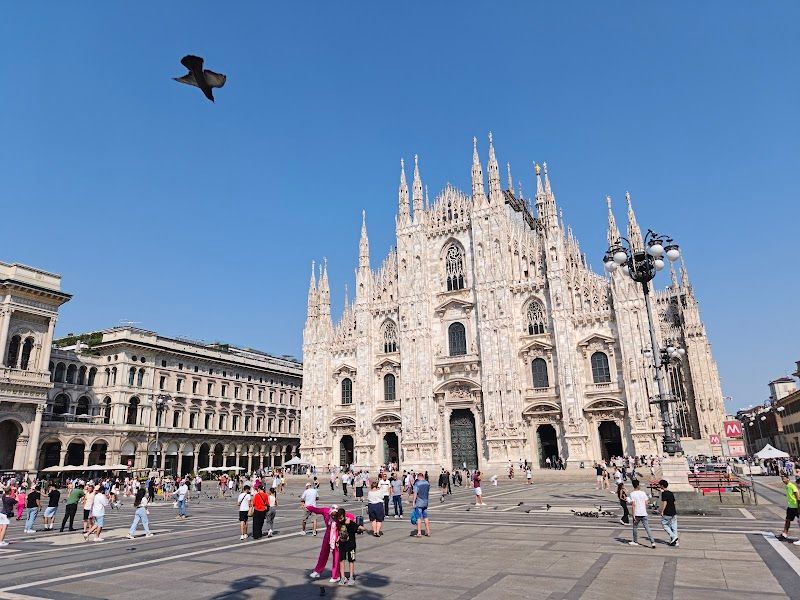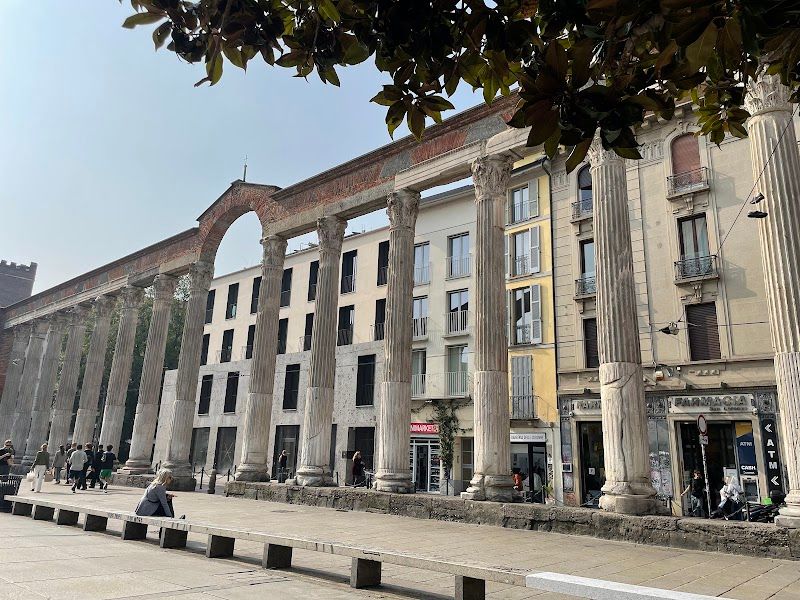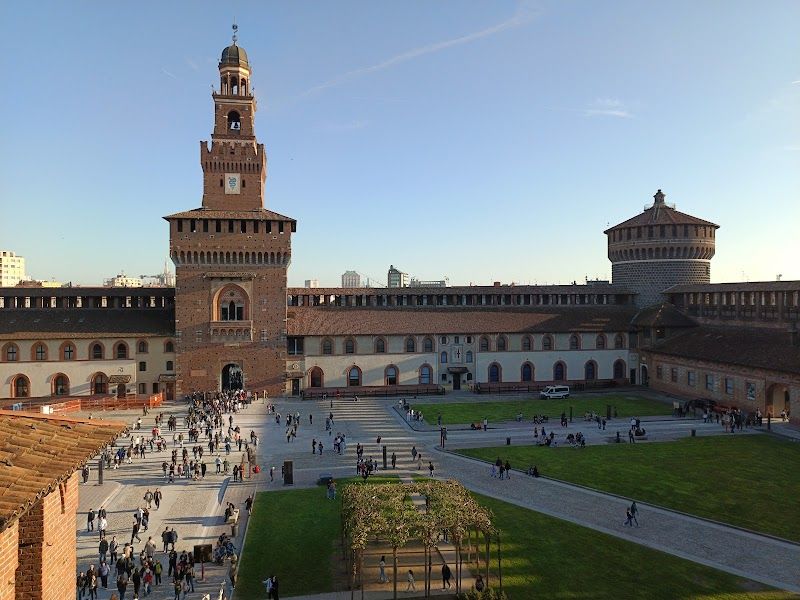
The question of Milan vs Milano confuses first-time visitors to Italy's fashion capital, but the answer is straightforward: they're the same city. Milano is the Italian name, Milan is the English name. The confusion comes from the fact that unlike Rome (Roma) or Florence (Firenze), Milano's English translation isn't dramatically different from its Italian original, making the distinction less obvious to travelers.
This linguistic quirk matters more than you might think when planning your trip. Airport codes, train tickets, restaurant reservations, and even Google Maps results can vary depending on which name you use. Understanding when locals expect "Milano" versus when international services use "Milan" can save you genuine confusion during your visit.
Why Milano Has Two Names
Milano comes from the ancient Roman name Mediolanum, which meant "middle of the plain" in Latin. The city sat at the center of the fertile Po Valley, making it a natural trading hub. Over centuries, Mediolanum evolved into Milano in Italian, while other languages developed their own versions: Milan in English and French, Mailand in German, Milán in Spanish.
The dual naming isn't unique to Milano - most major Italian cities have different names in different languages. What makes Milano vs Milan particularly confusing is how similar they look and sound. Rome and Roma are obviously related but clearly different. Milano and Milan look like they could be two separate places on a map.
This similarity creates practical problems. Many travelers book flights to "Milan" but then search for hotels in "Milano," finding different results. Some booking sites default to the English name, others to Italian. The key is knowing both exist and checking both when making reservations.
Historical Context Behind the Names
The English name "Milan" likely entered common usage through French influence during medieval trade relationships. French merchants and diplomats used "Milan," and this version spread to other European languages through commercial and political contacts. Meanwhile, Italians continued using Milano, which had evolved naturally from their Latin heritage.
During the Renaissance, when Milano became a major European power under the Visconti and Sforza families, international documents often used localized versions of the city name. This institutionalized the practice of different languages having different names for the same place. Modern travel industry conventions simply continued this historical pattern.
When Locals Say Milano vs Milan
Italians always say "Milano" - using "Milan" marks you immediately as a tourist. This isn't about being pretentious; it's simply their city's name. When asking for directions to Milano Centrale station or discussing neighborhoods like Navigli, locals expect to hear "Milano."
However, international contexts often use "Milan." English-language guidebooks, international flight booking sites, and global hotel chains typically default to "Milan." Many luxury hotels in the Quadrilatero della Moda cater to international clientele and use "Milan" in their English marketing materials.
The distinction becomes important in specific situations. When booking a table at Trattoria Milanese, you're calling an Italian establishment - use "Milano." When searching Booking.com for hotels, "Milan" often returns more comprehensive results because the platform caters to international travelers.
Airport and Transportation Codes
Malpensa Airport uses the code MXP, derived from "Milano Malpensa." Linate Airport is LIN, also from the Italian "Milano Linate." But when booking flights, you'll often see "Milan" in English-language booking systems, even though the official airport names use "Milano."
Train tickets present similar complexity. Trenitalia, Italy's national railway, lists stations as "Milano Centrale" and "Milano Porta Garibaldi." But international booking platforms like Trainline often display these as "Milan Central" and "Milan Porta Garibaldi" for English-speaking customers. The trains go to the same places regardless of which name you use to book.
Milano vs Milan in Different Contexts
Business and Finance
Milan's status as Italy's financial capital creates interesting naming conventions. The stock exchange is "Borsa Italiana" but international financial media calls it the "Milan Stock Exchange." Major companies headquartered here, like Prada and Versace, use "Milano" in their Italian operations but "Milan" for international press releases.
Business travelers need to pay attention to this distinction. Conference venues in Porta Garibaldi might use "Milano" for local logistics but "Milan" for international attendees. Always confirm addresses using both names to avoid confusion.
Fashion Industry Usage
Milan Fashion Week is the official international name, even though Italians call it "Settimana della Moda di Milano." The fashion houses centered in the Quadrilatero della Moda use "Milan" for global branding but "Milano" for local operations. This reflects fashion's international nature - designers need English names for global markets.
Venue names reflect this dual approach. Via Montenapoleone keeps its Italian name universally, but fashion events there are promoted as "Milan" events to international media. The practical effect for travelers is minimal, but understanding this helps decode fashion week schedules and venue information.
Digital Maps and Navigation
Google Maps generally recognizes both names and shows the same results, but the URL might change. Searching "Milano restaurants" versus "Milan restaurants" can return different top results based on the algorithm's assumptions about your language preferences. Apple Maps tends to default to English names for English-language users, showing "Milan" even when displaying Italian content.
For navigation apps, use "Milano" when inputting addresses shared by locals but "Milan" when following English-language travel guides. Most modern apps handle both, but consistency helps avoid confusion when cross-referencing multiple sources.
Practical Implications for Travelers
Booking Accommodations
Hotel booking requires checking both names for comprehensive results. Booking.com and Expedia default to "Milan" for English users but may miss smaller Italian properties that only list under "Milano." Airbnb shows similar patterns - international hosts often use "Milan," while Italian hosts prefer "Milano."
The neighborhood names within the city also vary. Brera stays "Brera" universally, but "Centro Storico" might appear as "Historic Center" on international platforms. When communicating with Italian hosts or hotels, use "Milano" and Italian neighborhood names for clearest communication.
Restaurant Reservations
Calling Italian restaurants requires using "Milano." When making reservations at traditional spots like those featured in our food guide, Italian staff expect Italian place names. However, online reservation platforms like OpenTable often display "Milan" to English users while submitting "Milano" to the actual restaurants.
This creates potential confusion when confirming reservations. If you booked through an English platform showing "Milan" but the restaurant confirmation email shows "Milano," you're talking about the same place. Always double-check addresses using Google Maps rather than relying solely on platform names.
Public Transportation
ATM Milano runs the city's public transport network. Tickets cost EUR 2.2 for 75 minutes, and daily passes cost EUR 7.6. The official ATM app and website use "Milano" throughout, but tourist information often translates this as "Milan Public Transport." Both refer to the same metro, bus, and tram system serving the entire metropolitan area.
Station names stay consistent in Italian regardless of context. Duomo remains Duomo, Porta Garibaldi stays Porta Garibaldi. The confusion comes only at the system level - whether you call it "Milano public transport" or "Milan public transport," you're buying the same tickets for the same trains.
Common Confusion Points
Milan Cortina vs Milano
The upcoming 2026 Winter Olympics are officially called "Milano Cortina 2026," but international coverage often refers to them as "Milan Cortina Olympics." This creates genuine confusion because Cortina d'Ampezzo is 350 kilometers from Milano - they're co-hosting cities, not neighborhoods. Some travelers mistakenly think Cortina is part of Milano, leading to serious itinerary problems.
Milano will host ice hockey and figure skating events, while Cortina handles alpine skiing. The cities are connected by train and bus, but travel time is 3-4 hours. Understanding that "Milan Cortina" refers to two separate cities prevents major planning mistakes.
Is Milano the Same as Milan
The answer is unequivocally yes. Milano and Milan refer to the same city in northern Italy. The distinction is purely linguistic - Italian versus English naming conventions. You cannot visit "Milan" without visiting "Milano" because they are identical geographical locations.
This confusion sometimes appears in travel forums where people ask about visiting "both Milan and Milano" in one trip. There is no "both" - you see the same Duomo cathedral, the same La Scala opera house, and the same neighborhoods regardless of which name you use.
Pronunciation Differences
Italians pronounce "Milano" as "mee-LAH-no" with equal stress on each syllable. English speakers typically say "Milan" as "mi-LAN" with stress on the second syllable. Getting the pronunciation right when speaking with locals shows respect and often results in better service at restaurants and shops throughout the city.
The pronunciation difference reflects deeper linguistic patterns. Italian tends toward even syllable stress, while English emphasizes certain syllables more strongly. Neither pronunciation is "wrong" in its proper linguistic context, but using the local pronunciation when speaking with Italians creates better interactions.
Choosing the Right Name for Your Trip
International Travel Planning
For flights, hotels, and major tourist attractions, "Milan" typically returns more comprehensive English-language results. International booking platforms optimize for English search terms, so "Milan hotels" or "Milan flights" connects you with globally-oriented services. This approach works well for initial planning phases.
However, once you arrive, switch to "Milano" for local interactions. Restaurant staff, taxi drivers, and locals giving directions expect Italian place names. This dual approach - "Milan" for international booking, "Milano" for local experiences - provides the most practical results.
Cultural Sensitivity Considerations
Using "Milano" with Italians isn't about political correctness - it's about clear communication. Italians don't take offense at "Milan," but they might not immediately understand what you're referring to in casual conversation. Similar to how New Yorkers don't get angry about "New York" but naturally say "the city," Milanesi naturally use their city's Italian name.
The cultural consideration becomes more important in business contexts. Professional meetings, conference presentations, and formal correspondence should use "Milano" when addressing Italian colleagues but "Milan" when communicating with international partners. This demonstrates awareness of linguistic preferences without overthinking the distinction.
Recommended Approach for First-Time Visitors
Book your trip using "Milan" for maximum search results on international platforms. This ensures you see the widest range of accommodations, tours, and transportation options optimized for English-speaking travelers. Our 3-day Milan itinerary uses this approach for accessibility.
Once in the city, gradually shift to "Milano" for local interactions. Start with obvious situations - asking directions, making restaurant reservations, discussing neighborhoods with locals. You'll quickly develop a feel for when each name works better. Most importantly, don't stress about perfection - both names refer to the same remarkable city with its cathedral spires, fashion boutiques, and aperitivo culture.
The practical reality is that Milano, regardless of what you call it, remains Italy's most internationally connected city. Its fashion weeks draw global attention, its business district rivals any European financial center, and its restaurants blend northern Italian traditions with international influences. Whether you arrive thinking of it as "Milan" or "Milano," you'll leave understanding why both names capture different aspects of this complex, fascinating city.