A Marseille itinerary for 5 days gives you time to move beyond the tourist highlights and understand why this Mediterranean port city has survived 2,600 years without caring what anyone else thinks. Five days means you can take the morning fish market at Vieux-Port seriously, book that bouillabaisse dinner properly (24 hours ahead, EUR 45-65 per person), explore neighborhoods like locals instead of rushing between monuments, and still have time for day trips to Aix-en-Provence and the Calanques.
This extended Marseille week itinerary covers the essential neighborhoods, the food that matters, the Mediterranean coastline that defines the city, and the Provence countryside that surrounds it. Unlike shorter visits, five days lets you develop opinions about which bouillabaisse restaurant is actually worth EUR 65 and which metro lines to avoid during rush hour.
Day 1: Vieux-Port and the Historic Center
Start at 8:00 AM at the Vieux-Port morning fish market on Quai des Belges. This is where Marseille's famous bouillabaisse begins, with fishermen selling their catch directly from boats. The market runs until about 13:00, but the best selection disappears by 10:00. Buy nothing - just observe the ritual and note which restaurants are buying the rascasse, chapon, and other rockfish that go into proper bouillabaisse.
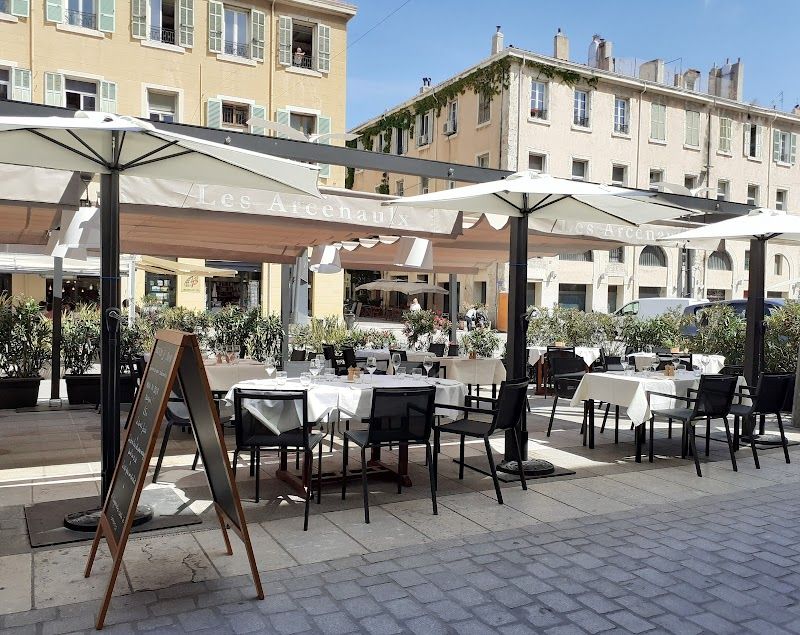
Take the Navettes du Vieux-Port ferry (EUR 0.5) across to the north side of the port. This 200-meter crossing has been running since the Romans were here and gives you the classic Marseille view: the rectangular harbor with Fort Saint-Jean on one side and the restaurant terraces on the other.
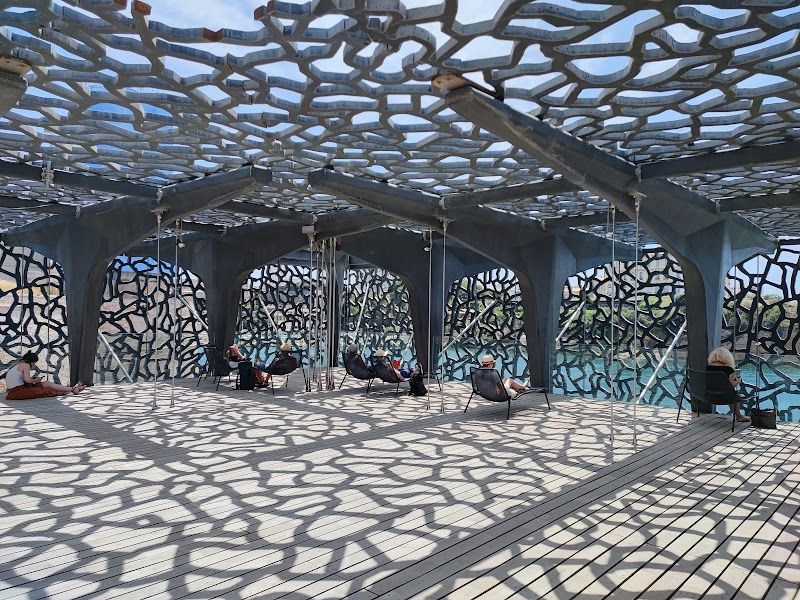
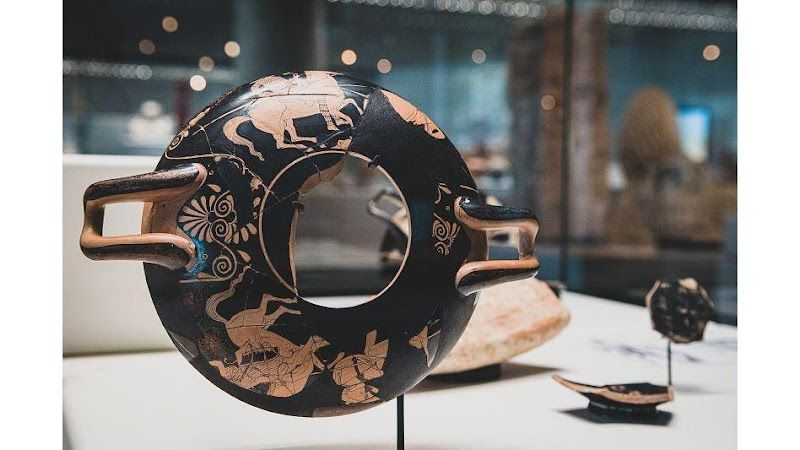
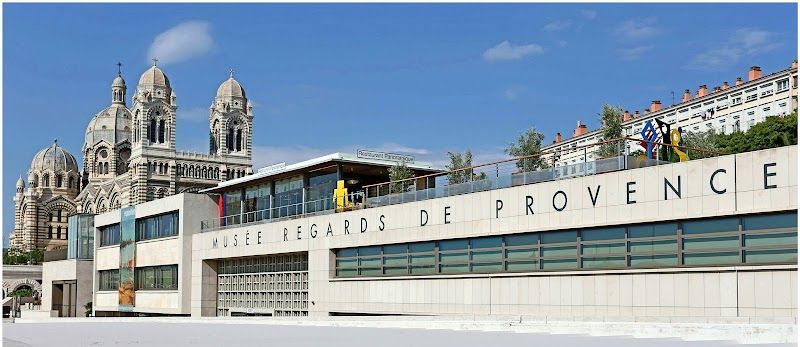
Walk north to MuCEM (EUR 11, opens 10:00). Skip the permanent collection and go straight to the rooftop terrace, which has the best view of the Vieux-Port and explains why this harbor has been strategic for 26 centuries. The museum's architecture - a concrete latticework cube - either works for you or it doesn't, but the temporary exhibitions are consistently excellent.
Spend the afternoon in Le Panier, starting with the Cathédrale La Major and working your way through the narrow streets to Place de Lenche. This is where Marseille began in 600 BC, and the Greeks would recognize the basic street pattern. The neighborhood gentrified dramatically over the past decade, which improved the restaurants but priced out many longtime residents.
Dinner recommendation: Book tomorrow's bouillabaisse tonight. Chez Fonfon in Vallon des Auffes is the most atmospheric location, or Chez Michel near the Vieux-Port for the most traditional preparation. Both require 24-hour advance booking and minimum two people. For tonight, eat at a bistro in Le Panier - the neighborhood has excellent small restaurants serving Provence cuisine at EUR 25-40 for a full meal with wine.
Transportation note: Buy a RTM weekly pass (EUR 20.5) that covers metro, bus, and tram for your entire stay. Single tickets cost EUR 1.7, so the weekly pass pays for itself quickly.
Day 2: Notre-Dame de la Garde and the Southern Coastline
Take Metro Line 1 to Vieux-Port-Hôtel de Ville, then Bus 60 up to Notre-Dame de la Garde (free entry). The basilica opens at 7:00, and early morning visits avoid the crowds and get the best light for photographs. The 360-degree view from 154 meters above sea level shows you Marseille's geography: how the city spreads along the coast between limestone hills and why this location controlled Mediterranean trade routes.
Walk down via Rue Sainte and Boulevard Notre-Dame to reach Corniche Kennedy, the 5-kilometer coastal road that connects downtown to the beaches. Walk the entire length - it takes about 90 minutes and passes Vallon des Auffes, the fishing village that somehow survived inside the city.
Stop at Vallon des Auffes for lunch if you didn't book bouillabaisse, or save it for dinner tonight if you did. This miniature harbor has three restaurants clustered around a few dozen fishing boats, and the setting is more important than the specific restaurant choice. The view justifies EUR 35-45 for a simple grilled fish lunch.
Continue along the Corniche to Parc Borély, which has the city's best beaches and a 19th-century château that houses decorative arts collections. The park is free and gives you a break from urban Marseille - families come here for weekend picnics and the beaches actually have clean sand.
Evening: Your bouillabaisse dinner. This is a two-course meal: first the saffron-flavored broth with rouille (a spicy mayonnaise) and croutons, then the fish course with more rouille. Good bouillabaisse takes 30 minutes to prepare after you order, uses at least four types of Mediterranean rockfish, and costs EUR 45-65 per person. The ritual matters - rushing through bouillabaisse defeats the purpose.
Day 3: Calanques National Park and Cassis Day Trip
Catch the 8:42 train from Marseille Saint-Charles to Cassis (25 minutes, approximately EUR 8). Book a Calanques boat tour that departs from Cassis port at 10:00 - these run March through October and cost EUR 25-45 depending on how many calanques you visit.
The Calanques are limestone fjords unique to this stretch of Mediterranean coast. The boat tour shows you 8-10 calanques that are impossible to reach on foot, including Calanque d'En-Vau with its turquoise water and Calanque de Port-Pin surrounded by umbrella pines. Swimming stops are included in most tours, so bring swimwear even in shoulder seasons.
Alternative for active travelers: Skip the boat and hike to Calanque de Morgiou from Marseille's 9th arrondissement. Take Metro Line 2 to Rond-Point du Prado, then Bus 21 to Luminy, and hike 45 minutes to the calanque. This option is free but requires good walking shoes and water - summer heat makes afternoon hikes dangerous.
Spend the afternoon in Cassis village itself. The harbor lined with pastel houses and fishing boats looks like a film set, but it's real and surprisingly uncommercialized. Try the local Cassis white wine - the vineyards climb the limestone cliffs above town and produce crisp whites that pair perfectly with Mediterranean seafood.
Return to Marseille by 18:00 for dinner in Cours Julien, the neighborhood with the city's best selection of international cuisine and craft beer bars. The pedestrianized square has café terraces and street art, plus restaurants serving everything from Lebanese to Vietnamese food at EUR 20-30 per person.
Day 4: Aix-en-Provence Day Trip
Take the 9:15 bus from Marseille Saint-Charles to Aix-en-Provence (45 minutes, approximately EUR 8). The TER train is faster but the bus runs more frequently and drops you closer to the historic center.
Aix-en-Provence deserves a full day in any Marseille extended visit. Where Marseille is rough Mediterranean authenticity, Aix is refined Provence elegance - both represent different aspects of regional culture. Start at Cours Mirabeau, the tree-lined boulevard with 17th-century mansions and café terraces where Cézanne painted and Zola wrote.
Visit Cézanne's studio on Avenue Paul-Cézanne (approximately EUR 7), which has been preserved exactly as he left it in 1906. The light and colors that inspired his Mont Sainte-Victoire paintings become obvious when you see his actual palette and brushes. Book ahead online - the studio only admits small groups.
Walk through the old town via Rue Gaston de Saporta to the Cathédrale Saint-Sauveur, which combines Roman, Romanesque, and Gothic architecture in one building. The medieval streets around the cathedral have artisan workshops selling santans (traditional Provence figurines) and lavender products that aren't tourist kitsch.
Tuesday, Thursday, and Saturday: Aix has one of Provence's best food markets on Place Richelme and Place des Prêcheurs. The variety of local produce, cheese, and prepared foods shows you why Provence cuisine developed as it did. Buy lunch here - bread, cheese, tomatoes, and local wine for a picnic in Parc Jourdan.
Other days: Lunch at a bistro near Cours Mirabeau. Aix has excellent restaurants serving classical Provence cuisine at EUR 28-45 for a three-course meal with local wine. The quality is generally higher than equivalent restaurants in Marseille, but the atmosphere is more formal.
Afternoon options: The Musée Granet has excellent collections of Cézanne's work plus archaeological artifacts from Roman Aix. Or walk to Mont Sainte-Victoire's foothills via the Bibémus quarries where Cézanne painted - the limestone formations and Mediterranean light explain his artistic evolution.
Return to Marseille by 19:00. Have dinner in La Joliette, the renovated port district with contemporary restaurants and bars that represent Marseille's ongoing transformation.
Day 5: Museums, Markets, and Final Neighborhoods
Start at Palais Longchamp (EUR 6 for both museums), built in 1869 to celebrate bringing water to Marseille via a 87-kilometer aqueduct from the Durance River. The Fine Arts Museum has excellent 17th-19th century paintings, while the Natural History Museum explains Mediterranean ecology and geology.
Take Metro Line 1 to La Timone and walk through the Marché des Capucins, Marseille's largest food market. This is where locals shop, not tourists, so prices are reasonable and the selection shows you what Marseillais actually eat. The North African influence is strong - excellent olives, spices, and prepared foods reflecting the city's demographics.
Spend the afternoon in neighborhoods you haven't fully explored. Cours Julien has the city's best street art and vintage clothing shops. The Marché aux Puces (flea market) on Sunday mornings is worth visiting if your timing works out.
Alternative afternoon: Take a kayak tour of the Calanques from the Vieux-Port. These small-group tours (approximately EUR 45) let you paddle into calanques that boats can't reach and swim in completely isolated coves.
For your final dinner, choose based on what you've enjoyed most. If the bouillabaisse was a revelation, try a different preparation at another restaurant. If you prefer the international food scene, return to Cours Julien. If you want a final view of the harbor, book a table at a restaurant with a Vieux-Port terrace.
Extended Stay Options: Adding Provence Villages
If you have more time for your Marseille Provence tour, consider these additions to your Marseille week itinerary:
Luberon Villages (full day trip): Rent a car or join a tour to visit Gordes, Roussillon, and Ménerbes. These hilltop villages represent classic Provence imagery but require transportation since public transit connections are limited.
Avignon (day trip): Take the TGV from Marseille (35 minutes, approximately EUR 25-40). The Papal Palace and medieval city walls justify the trip, plus Avignon has excellent restaurants serving refined Provence cuisine.
Arles (half-day trip): Roman amphitheater and Van Gogh sites, reachable by train in 45 minutes (approximately EUR 15). Combine with the Camargue region if you have a car.
Practical Information for Your 5-Day Marseille Extended Visit
Getting Around: The RTM weekly pass (EUR 20.5) covers metro, bus, and tram throughout your stay. Metro Line 1 connects most tourist areas, while Line 2 reaches the beaches. Avoid driving in the city center - parking costs EUR 2-4 per hour and spaces are rare.
Where to Stay: Vieux-Port puts you walking distance from restaurants and the ferry terminal. Budget hotels cost EUR 55-85 per night, mid-range options EUR 85-150, and boutique properties EUR 120-220. Book ahead during summer and festival periods.
Money-Saving Tips: The City Pass Marseille (EUR 27 for 24 hours, EUR 35 for 48 hours) includes public transportation and major museum entries. Restaurant lunch menus (plat du jour) at EUR 12-18 offer better value than dinner prices. Municipal museums are free the first Sunday of each month.
Food Budget: Bakery breakfast costs EUR 3-5, casual lunch EUR 12-18, mid-range dinner with wine EUR 25-40. Bouillabaisse is a splurge at EUR 45-65 per person but essential to understanding Marseille. Local wine by the glass costs EUR 4-8 at bars.
Weather Considerations: The mistral wind can blow at 60+ km/hour and makes boat trips to the Calanques impossible. Check weather forecasts before booking water activities. Summer heat makes afternoon hiking dangerous - start early for any Calanques walks.
This Marseille 5-day guide gives you time to understand the city's complexity beyond first impressions. Five days lets you see why Marseille inspires such strong opinions - you'll either love its authenticity and energy or find it too chaotic and rough. Either reaction is valid, but you'll have earned it through proper exploration rather than rushing between landmarks.
For more focused planning, check our guides to eating in Marseille and first-time visitor essentials. If you're still deciding whether Marseille deserves five days of your time, our 2-3 day itinerary covers the essential experiences in a shorter timeframe.