Mallorca is the island that people think they know and do not. The package-holiday reputation from decades past has nothing to do with what actually exists: a UNESCO World Heritage mountain range running the entire northwest coast, stone villages that have been making the same pastries for centuries, and a coastal road that ranks among Europe's best drives.
This mallorca travel itinerary cuts through the resort town assumptions to show you the real island. We're talking about the Serra de Tramuntana, where hiking trails wind through olive groves older than most countries, and coastal drives that make the Amalfi Coast look like practice. You'll find Valldemossa, where Chopin spent a winter writing some of his most famous pieces, and Deia, where Robert Graves lived and the restaurant scene punches well above its weight class.
The key to mallorca trip planning is understanding that this isn't one destination - it's seven distinct regions, each worth several days. Most visitors make the mistake of treating it as a beach-hopping exercise when the mountains, markets, and medieval towns deserve equal billing.
The Essential Mallorca Travel Plan: How Long You Need
Your mallorca vacation itinerary depends entirely on what version of the island you want to see. Three days gets you Palma plus one mountain excursion. Five days adds the best of the Serra de Tramuntana. Seven days lets you see both coasts and still have time for the interior villages.
The biggest mistake in mallorca travel planning is trying to see everything. The island is 100km long and 75km wide, but the mountain roads take time. Sa Calobra alone requires half a day just for the drive. Factor this into your timing.
Here's what works: Base yourself in Palma for culture and convenience, or pick Soller for mountain access and authentic village life. The southwestern coast works for luxury hotels but limits your range. Pollenca gives you northern beaches and mountain proximity.
Sample Itinerary Lengths by Travel Style
| Duration | Best For | Coverage |
|---|---|---|
| 3 Days | First-time visitors | Palma + 1 mountain day trip |
| 5 Days | Culture and nature balance | Palma, mountains, 1 coast |
| 7 Days | Complete experience | All regions except interior |
| 10+ Days | Full exploration | Every region with leisure time |
For detailed day-by-day breakdowns, check our 5 Days in Mallorca: The Complete Island Itinerary or 7 Days: The Complete Mallorca Experience guides.
Mallorca Itinerary Ideas: Region-by-Region Breakdown
Day 1-2: Palma - The Real Capital
Palma deserves more time than most itineraries give it. This is a proper Mediterranean city with 400,000 residents, not a resort town pretending to be one. The old quarter rivals Barcelona's Gothic Quarter, and the restaurant scene has improved dramatically over the past decade.
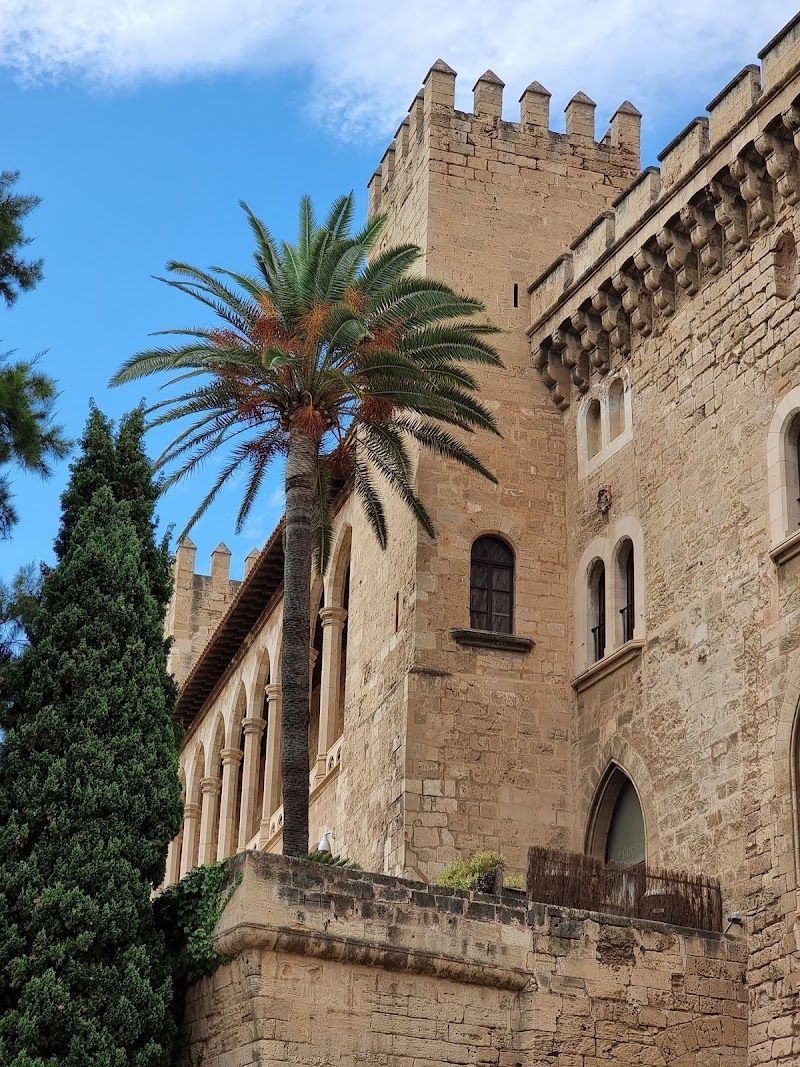
Start with Palma Cathedral (La Seu) (EUR 8 entrance). The Gothic facade facing the harbor is impressive, but the interior is what matters. Gaudi worked on the restoration, and his influence shows in the wrought iron details and the controversial contemporary art installation above the altar.
From the cathedral, walk through the old Jewish quarter to Banys Arabs (EUR 2.50). These 10th-century Arab baths are one of the few remaining examples of Islamic architecture on the island. The horseshoe arches and star-shaped skylights are worth the small entrance fee.
For lunch, skip the tourist traps around the cathedral and head to Mercat de l'Olivar. This working market has been feeding Palma since 1951. The stalls on the upper level serve proper Mallorcan food at local prices - pa amb oli (EUR 6-12) with Iberian ham and local cheese, washed down with a glass of island wine (EUR 3-6).
Spend your second day exploring Castell de Bellver (EUR 4, free Sundays for EU residents). This 14th-century circular castle sits on a hill overlooking the city and offers the best views of Palma Bay. The walk up takes 30 minutes from the city center, or take EMT bus line 3 to Carrer Camilo José Cela.
End both evenings in the Santa Catalina neighborhood, where the restaurant scene has exploded in the past five years. The area around Plaça de la Navigació has everything from natural wine bars to modern tapas spots that would fit right into Madrid's Malasaña district.
Day 3-4: Serra de Tramuntana Mountain Villages
The Serra de Tramuntana is why UNESCO gave Mallorca World Heritage status. This limestone range runs 90km along the northwest coast, with peaks reaching over 1,400 meters and stone villages that look like they haven't changed since the Moors left.
The Ma-10 coastal road drive is mandatory. Start in Valldemossa and head north toward Soller. The road clings to cliffs 200 meters above the Mediterranean, with hairpin turns around every headland. Budget three hours minimum for the 40km stretch to Soller, more if you stop at every mirador (and you should).
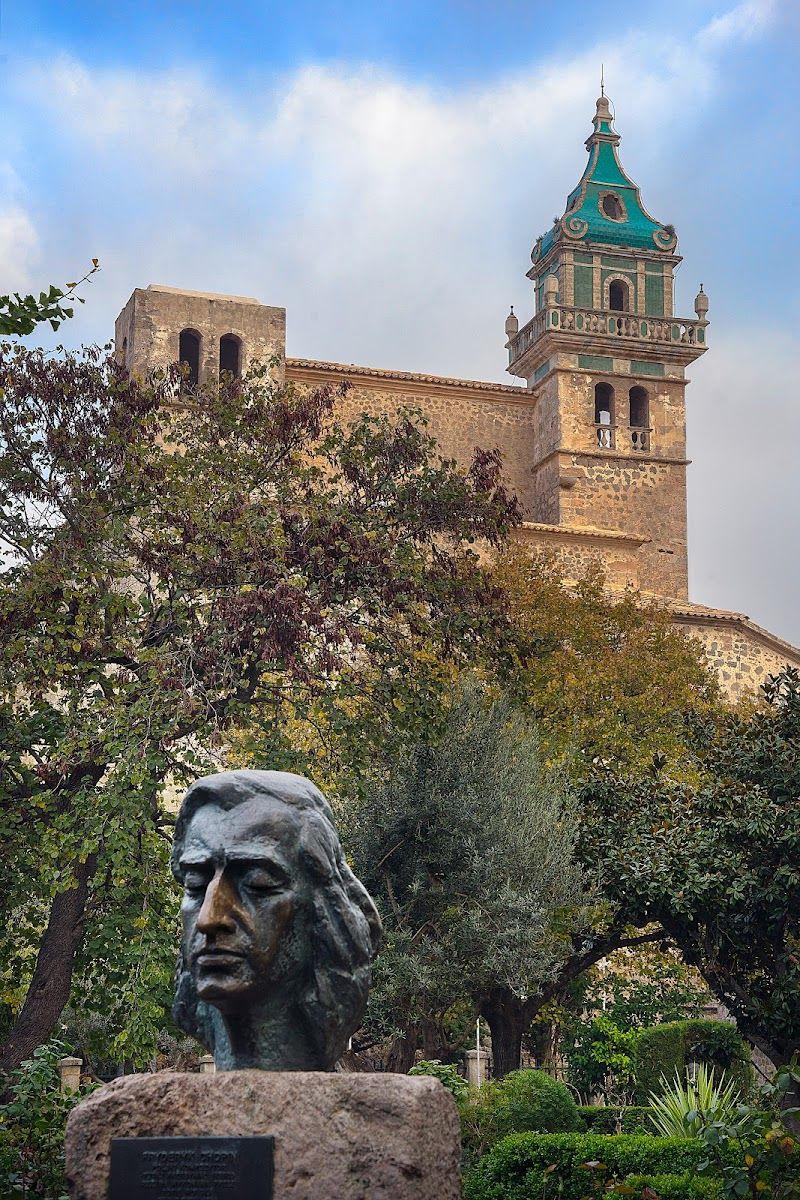
Valldemossa centers around the Royal Carthusian Monastery where Chopin and George Sand spent the winter of 1838-39. The monastery tour (EUR 9.50) includes the cell where Chopin composed some of his Preludes. More importantly, Valldemossa makes the best coca de patata on the island - a sweet potato pastry that locals have been perfecting since before tourism existed.
Drive time from Valldemossa to Sa Calobra is 90 minutes, but it's worth every hairpin turn. The road descends 800 meters to sea level through a series of switchbacks that were an engineering marvel when completed in 1932. The cove at the bottom has crystal-clear water and dramatic cliff walls, but the real attraction is the drive itself.
For overnight stays, Soller works better than Valldemossa. The town sits in a valley surrounded by orange groves, connected to Palma by a historic wooden train (EUR 32 round trip) that's been running since 1912. The Port de Soller, 4km downhill, has better restaurants and harbor views.
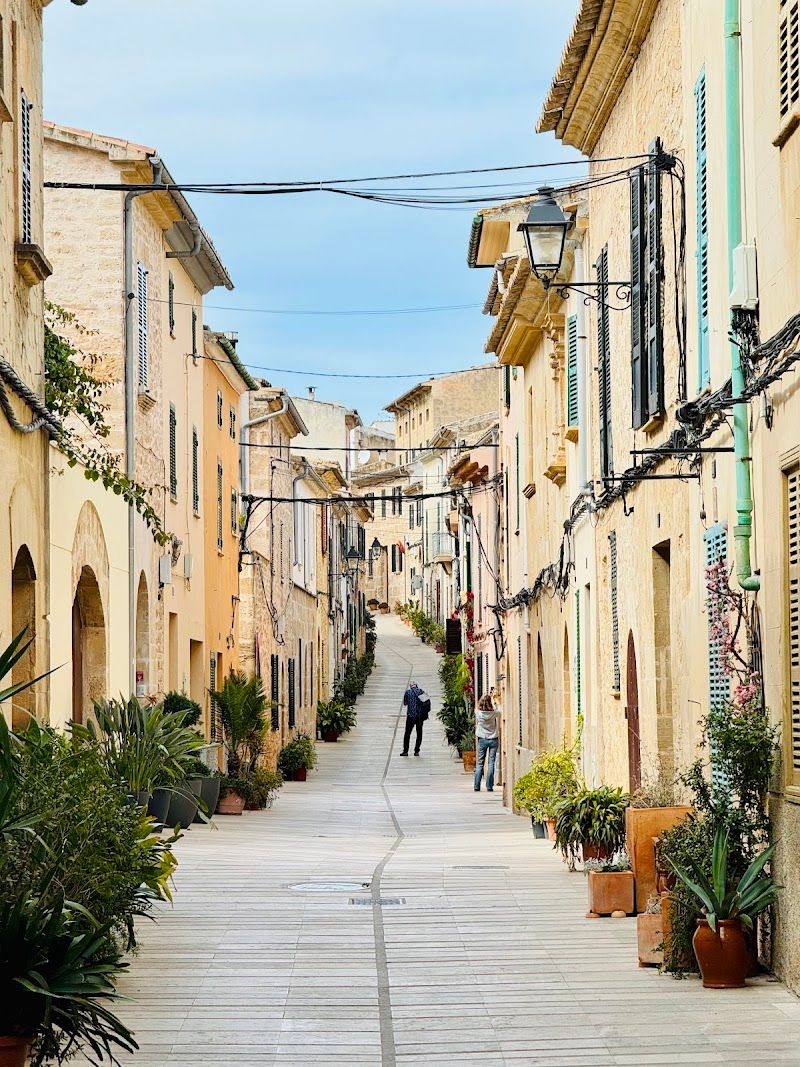
Day 4 should include Fornalutx, officially designated as one of Spain's most beautiful villages. The stone houses cascade down the hillside, with narrow streets that barely accommodate a donkey cart. The village has more flowers per square meter than seems mathematically possible, and views across the Soller valley that explain why this area attracted artists and writers.
Day 5-6: The Northern Peninsula and Beaches
Pollenca and the north is where the Serra de Tramuntana drops into the sea at Cap de Formentor. This peninsula stretches 20km into the Mediterranean, ending at a lighthouse that feels like the edge of the world.
Start with Pollenca town, not the port. The Sunday market at Mercat de Pollença has been running since the 13th century and still feels authentic. Local farmers sell produce from the interior plains, and the craft stalls focus on leather goods and ceramics rather than tourist trinkets.
The 365 steps up to Calvari Chapel provide views across the town's red-tile roofs to the mountains beyond. The chapel itself dates from the 18th century, but people have been climbing this hill since Roman times.
Cap de Formentor requires a full morning. The drive from Port de Pollenca to the lighthouse takes 45 minutes, passing Platja de Formentor, arguably the island's most beautiful beach. The sand is white, the water is turquoise, and the pine forest comes right down to the waterline.
The lighthouse at the peninsula's tip sits 200 meters above the sea on cliffs that drop straight down to rocks below. On clear days, you can see Menorca's outline 40km to the northeast. The lighthouse café serves adequate coffee and extraordinary views.
Spend your second northern day in Alcudia. The old town preserves its 14th-century walls almost intact, with narrow streets that provide relief from the summer heat. The Tuesday and Sunday markets fill Plaça Constitució with local produce and traditional crafts.
Day 7: Eastern Coves and Caves
The east coast is where Mallorca does its best cove-hopping. Porto Cristo serves as the main base, a fishing harbor that hasn't been completely overwhelmed by tourism despite hosting the island's most famous attraction.
Coves del Drach (Dragon Caves) (EUR 16) are genuinely spectacular, despite the tourist bus crowds. These limestone caverns stretch over 2km underground, with formations that took millions of years to create. The tour culminates with a boat ride across Lake Martel, one of the world's largest underground lakes, while musicians perform classical pieces from floating platforms.
Book the first tour of the day (10:00 AM) to avoid the worst crowds. Tours run every hour and last 75 minutes, including the underground boat ride and concert.
The eastern coves require a car to access properly. Cala Mondragó, Cala Figuera, and Cala Santanyí offer crystalline water and dramatic cliff settings, but the access roads are narrow and parking fills up by 11:00 AM in summer.
How to Plan Your Mallorca Trip: Practical Considerations
Transportation Strategy
Renting a car is essential for any mallorca vacation itinerary beyond basic Palma sightseeing. The mountain roads and cove access require personal transportation. Public buses (TIB intercity routes, EUR 2.50-8 depending on distance) connect major towns but don't reach the best viewpoints or secluded beaches.
Airport pickup works better than Palma pickup for car rentals. Most international companies have counters at Palma Airport (PMI), and you avoid driving through city traffic to start your mountain exploration.
Parking in Palma costs EUR 1.20-2.40 per hour in blue zones, with free parking after 8:00 PM and on Sundays. Mountain villages have limited parking - arrive early at popular spots like Sa Calobra and Formentor Beach.
Accommodation Planning
Base selection determines your entire itinerary. Staying in Palma gives you the best restaurants and cultural sites but requires day trips for mountain and beach experiences. Mountain villages like Soller or Valldemossa provide immediate access to hiking and scenic drives but limit your evening dining options.
For a comprehensive mallorca travel plan, split your stay between Palma (2-3 nights) and a mountain base (2-3 nights). This gives you both urban culture and natural beauty without constant packing and unpacking.
| Area | Best For | Accommodation Range | Access to |
|---|---|---|---|
| Palma | Culture, dining, convenience | EUR 45-500/night | Museums, restaurants, transport |
| Soller | Mountain access, authentic feel | EUR 80-250/night | Hiking, scenic drives, train to Palma |
| Port de Soller | Mountain + beach combo | EUR 100-300/night | Beaches, restaurants, mountain access |
| Valldemossa | Scenic beauty, quiet | EUR 120-400/night | Mountain drives, limited dining |
Seasonal Timing for Your Mallorca Itinerary
Your mallorca trip planning must account for seasonal variations that dramatically affect the experience. April-May and September-October provide the best balance of weather, crowd levels, and operational hours.
Summer (June-August) brings perfect beach weather but also crowds that make mountain village parking impossible after 10:00 AM. Many restaurants in tourist areas raise prices by 20-30% during peak season.
Winter closing schedules affect mountain attractions significantly. Some restaurants in Valldemossa and Deia close entirely from November-March, and boat services to Sa Calobra stop running in rough weather.
Budget Planning for Different Mallorca Vacation Itineraries
Daily budget ranges for different travel styles:
-
Budget (hostels, local food, public transport where possible): EUR 40-60/day
- Accommodation: EUR 20-35 (hostel dorm)
- Meals: EUR 12-18 (menú del día lunches, local bars)
- Transport: EUR 5-15 (buses, some short taxi rides)
- Attractions: EUR 5-15 (select paid sites)
-
Mid-range (3-star hotels, mix of local and tourist restaurants): EUR 80-120/day
- Accommodation: EUR 40-75 (budget hotel, shared basis)
- Meals: EUR 25-40 (mix of local and mid-range restaurants)
- Transport: EUR 20-35 (car rental, fuel, parking)
- Attractions: EUR 10-25 (major sites and activities)
-
Upscale (boutique hotels, fine dining, private transport): EUR 150-300/day
- Accommodation: EUR 60-125 (boutique hotel, shared basis)
- Meals: EUR 60-100 (fine dining restaurants with wine)
- Transport: EUR 30-50 (premium car rental, easy parking)
- Attractions: EUR 15-35 (all sites plus guided experiences)
Advanced Mallorca Itinerary Planning: Beyond the Basics
The Interior Villages Worth the Detour
Most mallorca itinerary ideas skip Es Pla, the central interior, but this agricultural heartland holds some of the island's most authentic experiences. Sineu hosts Mallorca's oldest market every Wednesday at Mercat de Sineu - a livestock and produce market that predates Columbus by several centuries.
The Wednesday market starts at dawn with pig and sheep trading, transitions to fruits and vegetables by 9:00 AM, and ends with traditional craft stalls by noon. This isn't tourism - it's how rural Mallorca has operated for 700 years.
Monestir de Lluc sits in the mountains between the interior and the northern coast. This monastery has been Mallorca's spiritual center since the 13th century, when a shepherd boy supposedly found a dark-skinned statue of the Virgin Mary (La Moreneta) under an oak tree.
The monastery complex includes a basilica, museum, and botanical garden. More importantly for hikers, it serves as the starting point for several GR-221 trail sections that traverse the highest peaks of the Serra de Tramuntana.
Hiking Integration in Your Mallorca Travel Plan
The GR-221 Ruta de Pedra en Sec is Europe's best island hiking trail. This long-distance path crosses the entire Serra de Tramuntana from Port d'Andratx to Pollenca, a total of 140km that most hikers complete in 8-10 days.
You don't need to hike the entire route to benefit. Day sections between mountain villages integrate perfectly into a driving itinerary. The stretch from Valldemossa to Deia (4 hours) passes through olive terraces that have been cultivated since Moorish times. The final approach to Deia provides views down to Cala Deia that explain why Robert Graves chose this village for his home.
Trail conditions vary seasonally. Spring (April-May) offers wildflowers and comfortable temperatures. Summer hiking requires pre-dawn starts to avoid dangerous heat. Autumn provides clear mountain air and empty trails.
Foodie Integration: Beyond Tourist Restaurants
A proper mallorca travel itinerary must include the island's culinary evolution. Traditional Mallorcan cuisine centers around pa amb oli (bread with oil and tomato) served with local charcuterie, cheese, and olives. This isn't tapas - it's a complete meal that sustained agricultural workers for centuries.
Ca's Patro March in Cala Deia represents new Mallorcan cuisine at its best. The restaurant sits directly on the rocks above the cove, accessible only by a 15-minute walk down a steep path. Fresh fish, local vegetables, and wines from small island producers create meals that justify the effort required to reach the location.
For traditional options, Celler Sa Premsa in Palma has been serving the same dishes in the same dining room since 1958. The tumbet (layered vegetable casserole) and sobrasada (soft chorizo spread) represent authentic island flavors without tourist markup.
Market integration enhances any itinerary. Wednesday's Sineu market, Sunday's Pollenca market, and daily operations at Mercat de l'Olivar in Palma provide insight into local food culture that restaurants cannot match.
Alternative Mallorca: The South Coast
Most mallorca vacation itineraries ignore the south coast, Mallorca's least developed coastline. Es Trenc Beach stretches 3km without a single hotel or restaurant in sight - just white sand, clear water, and salt flats that have been harvested since Roman times.
The beach requires a 10-minute walk from the nearest parking area, which keeps crowds manageable even in August. Bring everything you need - the nearest services are in Ses Salines village, 3km inland.
This southern region rewards travelers willing to drive gravel roads to hidden coves like Cala Mondragó and Es Caragol. These beaches offer the same crystalline water as the famous eastern coves but with a fraction of the visitors.
Making Your Mallorca Travel Itinerary Work
The perfect mallorca trip planning comes down to matching your interests with the island's diverse offerings. Culture lovers should spend more time in Palma and the mountain villages. Beach enthusiasts need at least three days for proper cove exploration. Hikers require a week minimum to experience the Serra de Tramuntana properly.
The mistake most visitors make is trying to see everything in insufficient time. Better to experience three regions thoroughly than seven superficially. Mallorca rewards slow travel and repeat visits.
For family-specific considerations, see our Mallorca with Kids: Family-Friendly Island Guide. First-time visitors should start with our First Time in Mallorca: Everything You Need to Know for essential background information.
Your mallorca vacation itinerary should evolve as you discover what appeals most. The island offers enough variety to satisfy completely different travel styles, from luxury resort relaxation to serious mountain hiking. The key is understanding that Mallorca contains multitudes - plan accordingly, and prepare to return.