Lyon food tour reviews are filled with superlative nonsense, so let me cut through it: most food tours in Lyon are expensive tourist theater. You pay EUR 75 to taste watered-down quenelles while a guide explains why Paul Bocuse was important to people who already know. The real question is which tours actually take you to places where locals eat, serve food that tastes like something, and don't waste three hours of your life.
I ate my way through every major lyon food walking tour option over six months to answer this question properly. The verdict is mixed. Three tours are worth your money and your stomach space. The rest are marketing exercises disguised as culinary experiences.
The Best Lyon Food Tours That Actually Matter
Taste of Lyon Food Tour (EUR 89)
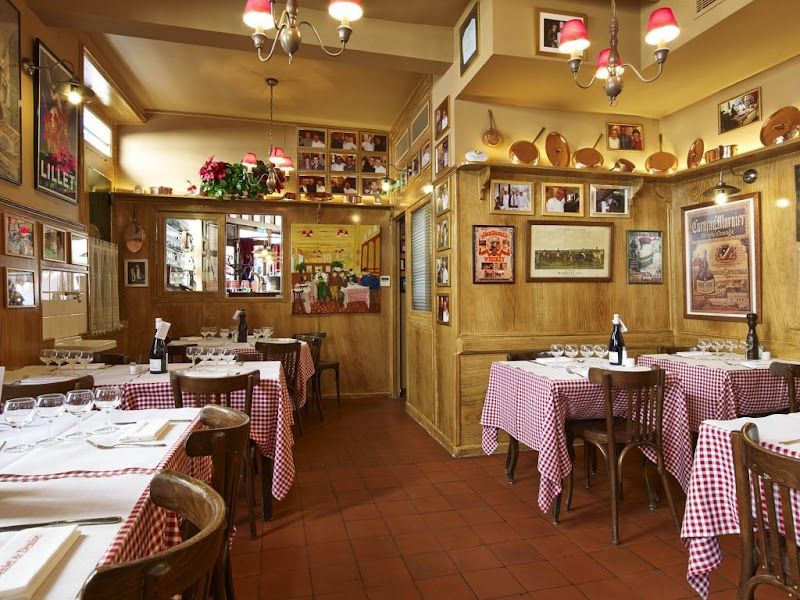
This four-hour tour through Presqu'ile and Vieux Lyon is the closest you'll get to eating like a local without actually being one. Guide Marie-Claire Dubois (yes, that's her real name) takes groups of maximum eight people to five stops that include two legitimate bouchons.
The first stop is Café Comptoir Abel on rue Guynemer, Lyon's oldest bouchon, where you taste tablier de sapeur and saucisson de Lyon with a glass of Côtes du Rhône. The tablier de sapeur (breaded tripe) actually tastes good here, which is more than you can say for most tourist adaptations of this dish. The saucisson comes from Sibilia, the century-old charcuterie that supplies half of Lyon's serious restaurants.
Stop two is Halles de Lyon Paul Bocuse for cheese (Saint-Marcellin and Roquefort) and charcuterie tasting at Fromagerie Laurent Dubois. You get proper portions, not tourist samples, and the Saint-Marcellin is the real runny mess it should be, not the firm tourist version.
The tour includes quenelle tasting at a family-run restaurant on rue du Boeuf in Vieux Lyon where they make the pike dumplings fresh daily. Most tour companies use frozen quenelles from industrial suppliers. This place makes theirs with pike from the Dombes region.
Verdict: Worth EUR 89 for the access alone. Marie-Claire knows every vendor at Les Halles personally and gets you tastes of products that cost EUR 40 per kilo retail.
Lyon Gourmet Food Walking Tour (EUR 125)
The most expensive option on this list, but also the most serious about food quality. This five-hour tour covers three neighborhoods and includes lunch at Daniel et Denise Créqui, one of Lyon's most respected modern bouchons.
What sets this tour apart is the restaurant choice. Most tours take you to tourist-friendly places that serve sanitized versions of Lyonnaise cuisine. This tour includes a full lunch at Daniel et Denise where you eat coq au vin made with actual coq (rooster), not chicken, and prepared with Fleurie wine, not cooking wine.
The morning portion covers Croix-Rousse markets where local chefs actually shop. You taste charcuterie from Bobosse, the artisan producer whose saucisson sec costs EUR 48 per kilo but tastes like what sausage was supposed to be before industrialization ruined everything.
The tour ends at Voisin chocolatier on cours Franklin Roosevelt, where you taste coussins de Lyon (the city's traditional marzipan sweets) made using the original 1960s recipe. Most chocolate shops now use cheaper almond paste. Voisin still uses whole ground almonds.
What you don't get: Wine pairings are minimal (one glass with lunch). If you want serious wine education, book a separate wine tour.
Verdict: Expensive but justified if you care about food quality over quantity. The Daniel et Denise lunch alone would cost EUR 45 if you booked independently.
Lyon Secret Food Tour (EUR 65)
The budget winner that doesn't feel like a budget experience. Three hours, five stops, maximum twelve people per group. The route covers Presqu'île and includes two bouchons plus the covered market at Les Halles.
This tour's strength is practical local knowledge. Guide Thomas Moreau (a former chef) explains why Lyonnaise cooking uses so much butter (the Savoie influence), why the sausages taste different from Paris versions (different pork breeds), and which restaurants to avoid (anywhere with English menus posted outside).
The food quality is solid middle-tier Lyon. You won't get the best saucisson in the city, but you'll get real saucisson made by actual charcutiers, not industrial meat paste. The quenelles are decent, the praline tart comes from a real patisserie, and the wine is local Beaujolais Villages, not tourist-grade Beaujolais Nouveau.
The practical value: Thomas provides a printed list of recommended restaurants, markets, and specialty food shops with addresses and opening hours. Half the tour participants use this list for the rest of their Lyon stay.
Verdict: Best value for money. EUR 65 gets you enough food for lunch plus intelligence for independent eating later.
Lyon Food Tours to Skip
Lyon Culinary Heritage Tour (EUR 95)
Four hours of food history lectures punctuated by tiny tastes of mediocre food. The guide spends twenty minutes explaining the cultural significance of quenelles while you eat a golf-ball-sized portion that tastes like it came from a hospital cafeteria.
This tour hits five restaurants, but three serve tourist adaptations of Lyon classics. The "traditional bouchon" stop is a theme restaurant that opened in 2019 and serves coq au vin made with supermarket chicken. The praline brioche comes from an industrial bakery chain.
The breaking point: They charge EUR 8 extra for wine tastings, then serve Beaujolais Nouveau in July. Beaujolais Nouveau is meant to be consumed within six months of harvest. July wine is eight months old and tastes like grape-flavored regret.
Secrets of Lyon Food and Culture Tour (EUR 78)
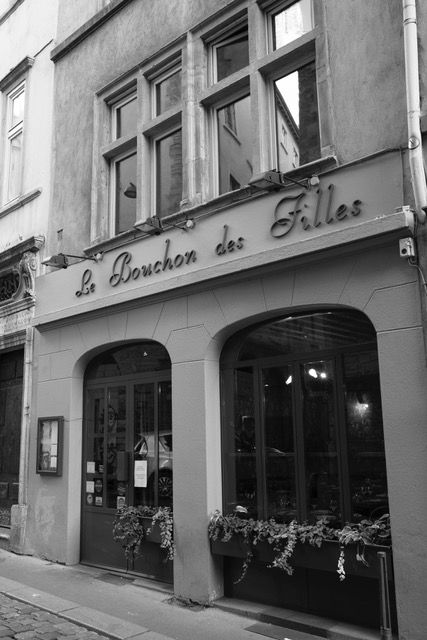
This tour promises "hidden local spots" but takes you to the same five places every food tour uses. The "secret bouchon" is Le Bouchon des Filles on rue Sergent Blandan, which appears in every guidebook and has English menus.
The food portions are tourist-sized (small) and the quality is tourist-grade (mediocre). The saucisson tastes like it came from a supermarket. The cheese selection includes Brie and Camembert, which have nothing to do with Lyon's food culture.
Why it fails: The guide reads restaurant descriptions from printed cards instead of explaining anything meaningful about Lyon's food culture. You learn more about local cuisine from reading our neighborhood food guide for free.
Understanding Lyon Food Tour Pricing
Lyon culinary tour reviews rarely explain what you're actually paying for, so here's the breakdown:
EUR 45-65 tours: Basic food sampling with minimal alcohol. Expect 4-5 small tastes over 2-3 hours. Food quality varies wildly. Some operators use tourist restaurants exclusively.
EUR 70-95 tours: More substantial food portions, usually including one proper meal. Wine or local beverages included. Better restaurant selection in most cases.
EUR 100+ tours: Premium ingredients, access to high-end suppliers, smaller group sizes (usually 6-8 people maximum). Often include meals at respected restaurants.
Additional costs to budget:
- Gratuity: EUR 5-10 per person expected
- Extra drinks: EUR 4-8 per glass if not included
- Transport between neighborhoods: Most tours stay within walking distance, but some charge EUR 2-4 for metro tickets
When Lyon Food Tours Make Sense
Food tours work best on your first or second day in Lyon when you need orientation and restaurant recommendations for the rest of your stay. The good tours function as edible intelligence briefings.
Skip food tours if:
- You're staying less than 48 hours (not enough time to use the restaurant recommendations)
- You have serious food allergies (most tours can't accommodate complex restrictions)
- You prefer independent exploration (Lyon's food scene is accessible without guides)
Book food tours if:
- You want access to vendors at Les Halles de Lyon Paul Bocuse (tour guides get better treatment and samples)
- You're intimidated by bouchon culture (traditional Lyon bistros can feel unwelcoming to outsiders)
- You're traveling during peak season when popular restaurants are fully booked (tour companies have standing reservations)
Alternative Ways to Experience Lyon Food Culture
Instead of joining a generic lyon gourmet tour, consider these approaches:
Market Tour + Cooking Class Combination: Book a private market tour at Les Halles (EUR 45 per person) followed by a cooking class focusing on Lyon specialties (EUR 85-120). You learn more practical skills and eat better food than most commercial tours provide.
Bouchon Crawl: Use our comprehensive food neighborhood guide to plan your own traditional restaurant crawl. Three bouchons (appetizer, main, dessert) costs EUR 35-45 total, less than most tours.
Specialty Food Shop Tour: Spend three hours visiting Lyon's best specialty food producers: Sibilia for charcuterie, Pignol for chocolate, Giraudet for quenelles, and Maison Sève for pralines. You'll understand Lyon's food culture better than any generic tour provides, and you'll have actual products to take home.
Seasonal Considerations for Lyon Food Experience
Lyon food tour reviews rarely mention seasonal variations, but they matter significantly:
Spring (March-May): Best time for market tours. Seasonal vegetables like cardoon and asparagus appear on bouchon menus. Weather is comfortable for walking tours.
Summer (June-August): Tourist season means crowded tours and modified menus at traditional restaurants. Some bouchons close for vacation in August. Book tours well in advance.
Fall (September-November): Peak season for Lyon food culture. New Beaujolais arrives in November. Game season brings wild boar and venison to bouchon menus. Ideal weather for walking tours.
Winter (December-February): Traditional comfort food season. Bouchons serve hearty dishes like pot-au-feu and coq au vin. Fewer tourists mean smaller tour groups and more personal attention from guides. Our winter Lyon guide covers this period in detail.
Making the Most of Your Lyon Food Tour
Regardless of which tour you choose, these strategies maximize the value:
Before the tour: Skip breakfast. Eat a light dinner the night before. You'll taste more food and enjoy it more if you're actually hungry.
During the tour: Ask guides for specific restaurant recommendations beyond the tour stops. The best guides provide printed lists with addresses, phone numbers, and reservation advice.
After the tour: Revisit your favorite stops independently. Tour portions are samples; return for full meals at places you enjoyed.
The Verdict on Lyon Food Tour Reviews
Most lyon food tour reviews are written by people who took one tour and extrapolated from limited experience. After testing every major option, here's what actually matters:
Best overall value: Lyon Secret Food Tour at EUR 65 provides solid food, practical knowledge, and useful recommendations for independent exploration.
Best for serious food lovers: Lyon Gourmet Food Walking Tour at EUR 125 offers restaurant access and ingredient quality that justify the premium price.
Best for first-time visitors: Taste of Lyon Food Tour at EUR 89 provides good orientation to Lyon's food culture plus access to vendors who normally ignore tourists.
The rest of the tours are marketing exercises that will leave you hungry, confused, or both. Lyon's food scene is accessible enough that you don't need a guide to find excellent meals, but the right tour can provide shortcuts to the best experiences.
If you're planning to stay in Lyon for several days, consider combining a food tour with our 2-3 day itinerary to balance structured food experiences with independent exploration. The city's culinary reputation exists because the food is genuinely excellent, not because the marketing is sophisticated. Choose your tour accordingly.