The liverpool vs man united debate extends far beyond what happens on the pitch every season. For travelers choosing between these two football cities, Liverpool delivers a more authentic experience, better value for money, and actually gives you something to do beyond football. Manchester United might have the bigger global brand, but Liverpool has the better city.
The verdict upfront: Liverpool offers genuine football culture integrated into a UNESCO World Heritage city with museums, The Beatles history, and food that doesn't require you to leave the city center for quality. Manchester's football experience feels manufactured for tourists, and the city itself doesn't measure up to Liverpool's regenerated waterfront and cultural depth.
Liverpool Football Experience vs Manchester United Tourism
The Anfield stadium tour costs GBP 29 and includes access to areas that matter: the tunnel, the pitch, the press room, and the museum. More importantly, you can actually feel the history in the building. The Boot Room display, the This Is Anfield sign, the atmosphere even when empty - these aren't recreated tourist attractions. They're the real spaces where Liverpool's football culture was built.
Anfield Stadium sits in a residential neighborhood where people live, work, and breathe Liverpool FC. Walk down Anfield Road before or after your tour and you'll pass houses with LFC flags, local pubs that have been serving supporters for decades, and corner shops selling match day programs. This is authentic football culture, not a theme park version of it.
Old Trafford charges similar prices but delivers a sanitized corporate experience. The stadium feels like a shopping center that happens to host football matches. The surrounding area is industrial estates and car parks - there's no neighborhood, no local culture, no reason to linger.
For live matches, Liverpool's ticket system is more transparent. Season ticket holders actually attend games rather than corporate clients, creating genuine atmosphere. Manchester United's Old Trafford increasingly caters to tourists who don't sing, don't know the songs, and leave early to beat traffic.
The Real Difference: Location and Integration
Liverpool FC is woven into the city's fabric. You can take the GBP 2.80 Merseyrail from Liverpool Lime Street to Sandhills station and walk to Anfield in 10 minutes through actual neighborhoods. The journey to Old Trafford requires either expensive taxis, confusing MetroLink connections, or walking through industrial areas that offer nothing to see.
In Liverpool, football culture extends throughout the Cavern Quarter & City Centre. Pubs display LFC memorabilia alongside Beatles photographs. Local people discuss tactics in coffee shops. The city's identity includes but isn't limited to football.
Manchester's city center feels disconnected from United. The football club exists in its own bubble at Old Trafford, separate from Manchester's actual cultural life. This disconnect shows in everything from transport links to local engagement.
Why Liverpool's City Experience Beats Manchester
The liverpool football culture argument becomes stronger when you consider what else each city offers. Liverpool provides multiple reasons to visit beyond football. Manchester struggles to justify more than a day trip.
UNESCO World Heritage vs Industrial Regeneration
Liverpool's waterfront earned UNESCO World Heritage status for good reason. The Albert Dock & Waterfront combines 19th-century architecture with modern museums, restaurants, and public spaces. You can walk from the Three Graces to Tate Liverpool to the Beatles Story in 20 minutes, experiencing maritime history, contemporary art, and pop culture history in one compact area.
Manchester's regeneration efforts focus on glass towers and shopping centers. The Northern Quarter has some interesting independent shops and bars, but nothing approaching Liverpool's architectural significance or cultural depth.
The Beatles vs Nothing Equivalent
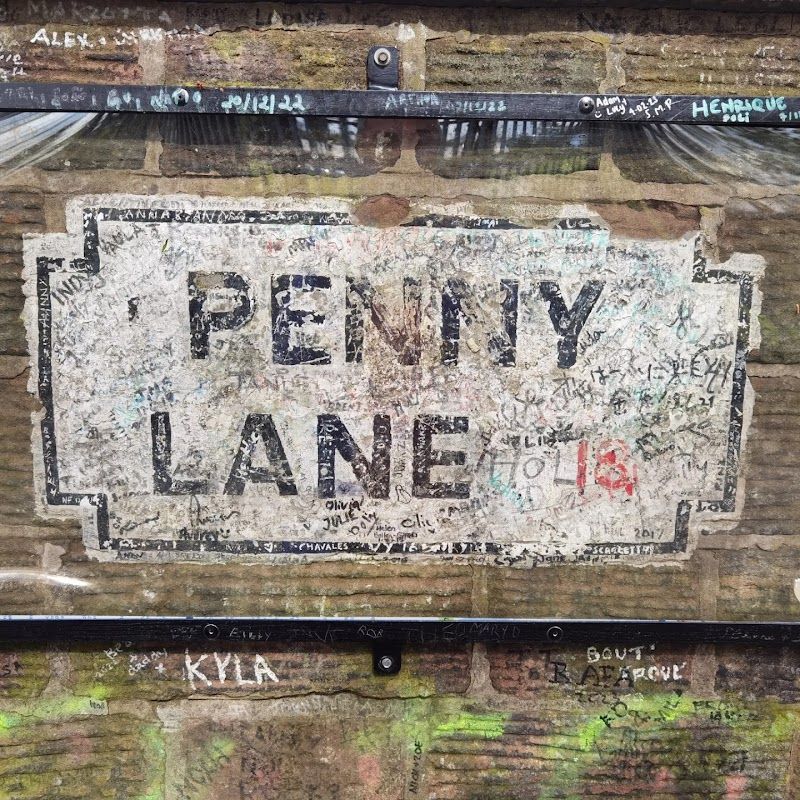
No other city can match Liverpool's pop culture significance. Mathew Street contains the rebuilt Cavern Club where The Beatles developed their sound. The GBP 8-15 entry fee gets you into a venue that still hosts live music every night. You can walk to Penny Lane, Strawberry Field, and the childhood homes of all four Beatles using public transport.
The GBP 24.95 Magical Mystery Tour covers Beatles sites across the city, but you can easily create your own route for the cost of a day bus pass. The Beatles trail integrates with Liverpool's existing neighborhoods rather than feeling like a manufactured tourist attraction.
Manchester has music history (The Smiths, Joy Division, Oasis) but no equivalent tourist infrastructure. You can visit the Hacienda site, but it's now a block of flats. The music history exists in plaques and memories rather than accessible venues and experiences.
Food Culture: Bold Street vs Northern Quarter
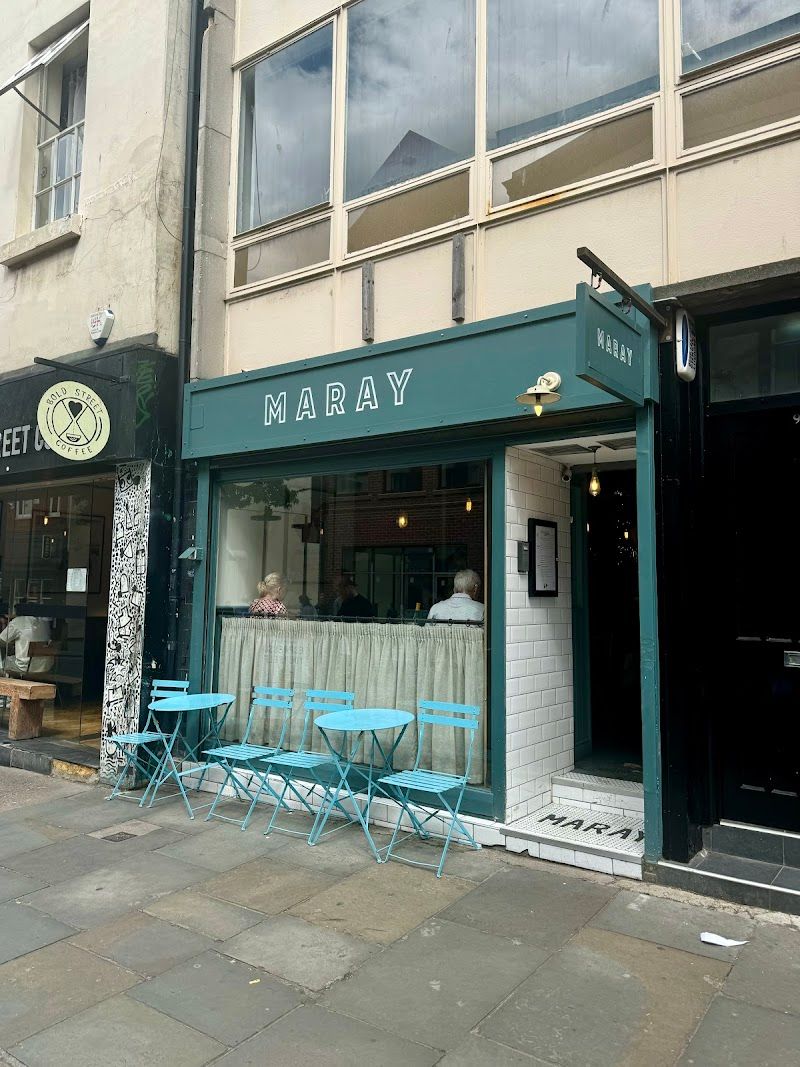
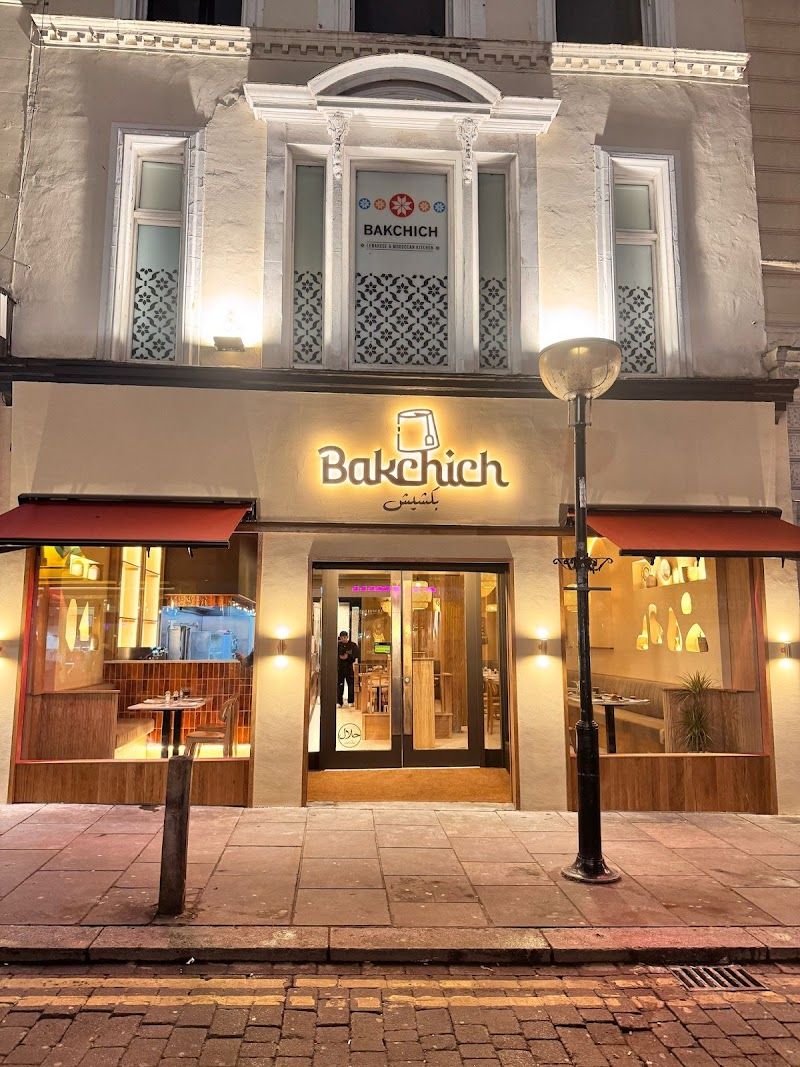
Liverpool's food scene centers on Bold Street & Georgian Quarter, where independent restaurants serve everything from Lebanese mezze to Vietnamese pho within a few hundred meters. Maray Bold Street serves Middle Eastern plates that compete with London restaurants, while Mowgli Street Food offers Indian street food in converted Victorian buildings.
The Baltic Triangle hosts the Baltic Market, a converted warehouse containing 20+ food vendors, craft beer, and live music. Entry is free, food costs GBP 6-12 per dish, and the atmosphere feels genuinely local rather than tourist-focused.
Manchester's Northern Quarter has decent restaurants but lacks Liverpool's concentration of quality within walking distance. Manchester's food scene spreads across multiple neighborhoods requiring taxi rides or complicated public transport connections.
Practical Travel Comparison: Liverpool vs Manchester United
For travelers planning a liverpool vs manchester travel decision, Liverpool provides better value, easier navigation, and more efficient use of time.
Transport and Accessibility
Liverpool John Lennon Airport sits 8 miles from the city center. The GBP 3.50 Arriva bus 500 reaches the city center in 30 minutes. Taxis cost GBP 18-25 but aren't necessary.
Manchester Airport serves both Manchester and Liverpool (it's actually closer to Liverpool than Manchester's city center). The train to Manchester Piccadilly costs more and takes longer than the bus to Liverpool city center.
Within Liverpool, the GBP 9.80 Saveaway day pass covers buses and trains throughout Merseyside. The GBP 28.50 weekly Trio pass includes ferries across the Mersey. Manchester's transport requires multiple operators and more complex ticket systems.
Accommodation Value
Liverpool's hotel prices undercut Manchester across all categories. Budget hotels cost GBP 45-75, mid-range options run GBP 80-150, and luxury properties charge GBP 200-400. Manchester's equivalent accommodations typically cost 20-30% more for comparable locations and amenities.
Liverpool's compact city center means staying anywhere within a mile of Albert Dock puts you within walking distance of major attractions. Manchester requires more careful location planning to avoid long commutes between different areas of interest.
The Football Culture Verdict: Liverpool Wins
The anfield vs old trafford comparison extends beyond stadium architecture to encompass entire city experiences. Anfield represents Liverpool's working-class identity, community bonds, and cultural authenticity. Old Trafford represents Manchester United's corporate success but feels disconnected from local culture.
Liverpool's supporters create atmosphere through songs, banners, and traditions passed between generations. The Kop's pre-match rendition of "You'll Never Walk Alone" gives visitors chills whether they support Liverpool or not. Old Trafford's atmosphere depends on the scoreline and drops noticeably when United isn't winning.
For neutral visitors, Liverpool offers insight into how football integrates with local identity. The city wears its football passion openly but doesn't let it define everything else. You'll hear LFC songs in pubs, see scarves in shop windows, and meet locals who can discuss both football tactics and Beatles history with equal enthusiasm.
Manchester United's tourist experience feels scripted. The museum tells the club's official story, the stadium tour follows predetermined routes, and the merchandise shop sells identical items to United stores worldwide. There's no sense of discovery or authentic local connection.
Beyond the Rivalry: Liverpool as a Complete Destination
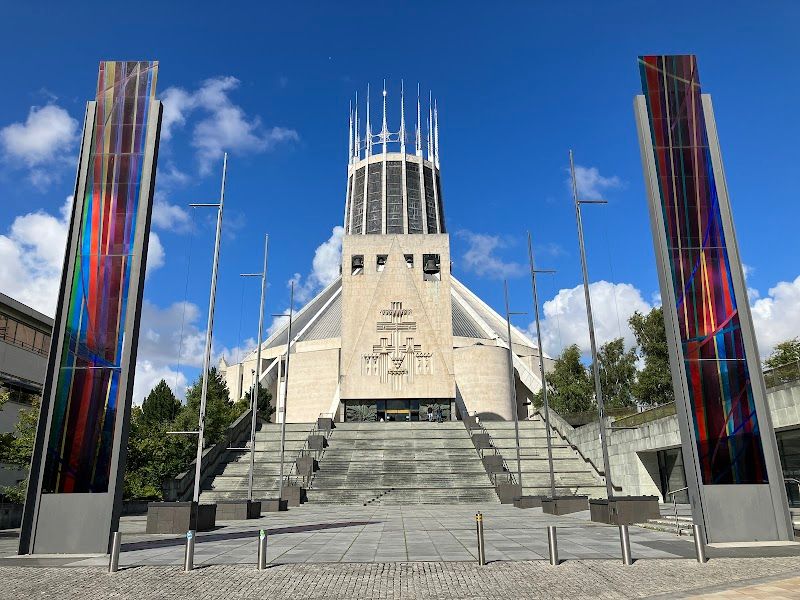
The liverpool vs man united tourism debate misses Liverpool's broader appeal. Even visitors with no football interest find reasons to extend their stays. The Walker Art Gallery houses one of Europe's finest Pre-Raphaelite collections. Liverpool Cathedral offers the GBP 7.50 tower climb for panoramic city views. The Mersey Ferries provide GBP 3.80 cruises past the waterfront's architectural highlights.
These attractions complement rather than compete with football culture. You can tour Anfield in the morning, lunch at Baltic Market, explore Tate Liverpool in the afternoon, and catch live music at the Cavern Club - all within walking distance or short bus rides.
Manchester United exists in isolation from Manchester's other attractions. After the stadium tour and museum, you'll need to travel back into the city center to find restaurants, bars, or cultural activities. The football experience doesn't integrate with broader city exploration.
Planning Your Liverpool Football Culture Visit
Start with our First Time in Liverpool guide for orientation, then dive deeper with the 2-3 Days in Liverpool itinerary that balances football, culture, and local experiences.
For food planning, our Liverpool food guide covers Bold Street's restaurants and the Baltic Market's vendors in detail. Football and food culture intersect in Liverpool's pubs, where traditional Scouse costs GBP 8-14 and provides insight into local identity beyond tourism.
Book Anfield tours in advance, especially during the football season. The tour includes the museum and takes 90 minutes. Combine it with exploring the surrounding Anfield and Everton neighborhoods for a complete picture of Liverpool's football geography.
The Magical Mystery Tour runs multiple times daily and covers Beatles sites that connect to Liverpool's broader cultural identity. The GBP 24.95 price includes transportation between locations that would be difficult to reach independently.
The bottom line: Liverpool vs Manchester United isn't just about football quality or historical success. For travelers, Liverpool provides authentic football culture integrated into a UNESCO World Heritage city with genuine local character, better food, lower prices, and The Beatles. Manchester United offers a corporate stadium experience in a city that doesn't match Liverpool's cultural depth or travel value. Choose Liverpool.