Liverpool's food culture runs deeper than most visitors expect. While tourists queue for Beatles-themed cafes, locals line up for proper scouse at family-run pubs that have served the same recipe for generations. The city's culinary identity emerged from its working-class maritime heritage, creating dishes designed to feed dock workers and stretch ingredients when money was tight.
Liverpool food specialties center around one dish above all others: scouse. But the city's eating culture extends beyond its most famous stew to include forgotten puddings, chippy innovations, and a surprising modern food scene that respects tradition while pushing boundaries. Here's what you actually need to eat in Liverpool, where to find it, and why it matters to understanding this city.
What is Scouse: Liverpool's Signature Dish
Scouse is Liverpool's defining dish, so central to the city's identity that "Scouser" became the term for anyone from Liverpool. This traditional Liverpool stew consists of lamb or beef, potatoes, carrots, and onions, slow-cooked until the meat falls apart and the vegetables meld into a thick, hearty consistency.
The dish arrived with Scandinavian and Baltic sailors who docked at Liverpool's port throughout the 19th century. They brought "lobscouse," a ship's stew designed to use whatever ingredients were available. Liverpool's version evolved to include locally available ingredients, particularly potatoes and root vegetables that could feed large families cheaply.
Authentic scouse varies significantly between kitchens. Some versions include turnips or parsnips. Others skip the carrots entirely. The meat might be lamb neck, beef shin, or whatever was affordable that week. What remains constant is the cooking method: everything goes in one pot, simmers for hours, and creates a meal that improves with time.
You'll find scouse priced at GBP 8-14 across Liverpool's traditional pubs and local restaurants. The best versions come from places that make it daily rather than reheating yesterday's batch.
Where to Find Proper Scouse in Liverpool
Maggie May's Cafe on Bold Street serves what many consider Liverpool's best scouse. Their version uses lamb neck, slow-cooked for six hours, served with pickled red cabbage and crusty bread. The restaurant has operated since 1985, perfecting their recipe through decades of serving locals and discerning visitors.
Bold Street houses several excellent scouse spots. The area's concentration of independent restaurants means you'll find both traditional versions and modern interpretations within a few blocks.
The Liverpool Arms near Mathew Street offers a more casual scouse experience. Their version costs GBP 9 and comes with the traditional accompaniments. The pub's location near Mathew Street makes it convenient for visitors exploring the Beatles trail.
For the most authentic experience, visit during lunch hours when locals stop by for their scouse fix. Avoid tourist-focused restaurants around Albert Dock, where scouse often arrives as a novelty rather than a properly prepared meal.
Traditional Liverpool Dishes Beyond Scouse
Liverpool local dishes extend beyond scouse to include several specialties that remain largely unknown outside Merseyside. These dishes reflect the city's working-class roots and the creativity required to make satisfying meals from limited ingredients.
Wet Nelly: Liverpool's Forgotten Pudding
Wet Nelly represents Liverpool's most mysterious culinary creation. This dense, sweet pudding combines leftover cake, custard, and whatever fruit happened to be available, baked into a dessert that sustained families through lean times.
The name's origin remains disputed. Some claim it references a local character known for collecting leftover food. Others suggest it describes the pudding's consistently moist texture. Regardless of etymology, Wet Nelly provided a way to transform stale cake and spare ingredients into something approaching luxury.
Modern versions appear sporadically on Liverpool menus, usually as part of traditional British pudding selections. The Philharmonic Dining Rooms occasionally features Wet Nelly, though their interpretation leans toward refined rather than authentic.
Liverpool Tart and Other Local Sweets
Liverpool Tart consists of pastry filled with coconut, jam, and lemon curd, creating a sweet that balances tart and rich flavors. Unlike many regional specialties, Liverpool Tart maintains popularity in local bakeries and remains a genuine part of contemporary Liverpool eating.
Lark Lane's independent bakeries stock Liverpool Tart alongside other regional sweets. These shops often bake tarts fresh daily, maintaining the texture and flavor that made them popular originally.
Lobby: The Other Liverpool Stew
Lobby predates scouse as Liverpool's signature stew. This dish combines bacon, sausages, potatoes, and vegetables in a single pot, creating a meal designed to feed large families economically. Unlike scouse's slow-cooked consistency, lobby maintains distinct ingredients that don't merge completely during cooking.
Few restaurants serve lobby regularly, making it primarily a home-cooked dish. Some traditional pubs feature lobby as a weekly special, usually on slower weekdays when kitchen staff have time for proper preparation.
Modern Liverpool Food Culture and Specialties
Merseyside food culture has evolved significantly since 2010, developing a restaurant scene that respects traditional dishes while incorporating global influences. This evolution reflects Liverpool's diverse population and the city's confidence in its culinary identity.
Baltic Market: Liverpool's Food Hall Revolution
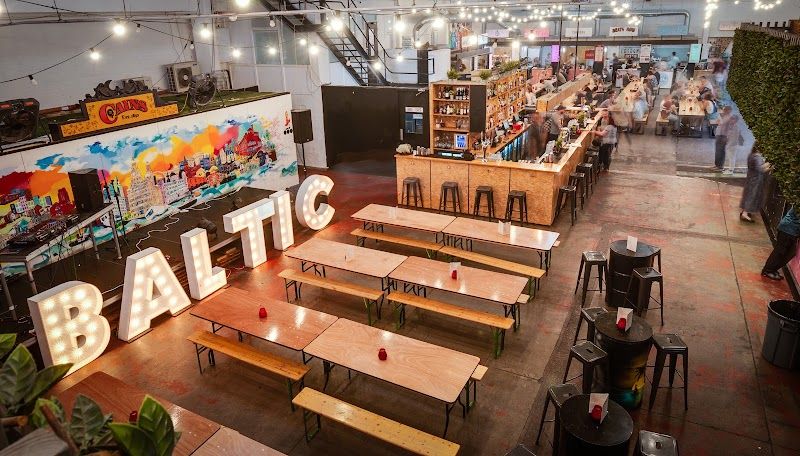
Baltic Market transformed Liverpool's eating landscape when it opened in the Baltic Triangle. This former industrial space houses independent food vendors serving everything from Vietnamese pho to locally sourced burgers.
The market operates Friday through Sunday, drawing crowds that include both locals seeking weekend lunch and visitors exploring Liverpool's contemporary food scene. Vendors change regularly, ensuring the market maintains variety and quality rather than becoming predictable.
Several Baltic Market vendors incorporate Liverpool specialties into their offerings. One stall serves scouse spring rolls, combining traditional flavors with Asian preparation techniques. Another offers Liverpool Tart ice cream, reimagining the classic sweet as a frozen dessert.
Bold Street: Independent Restaurant Capital
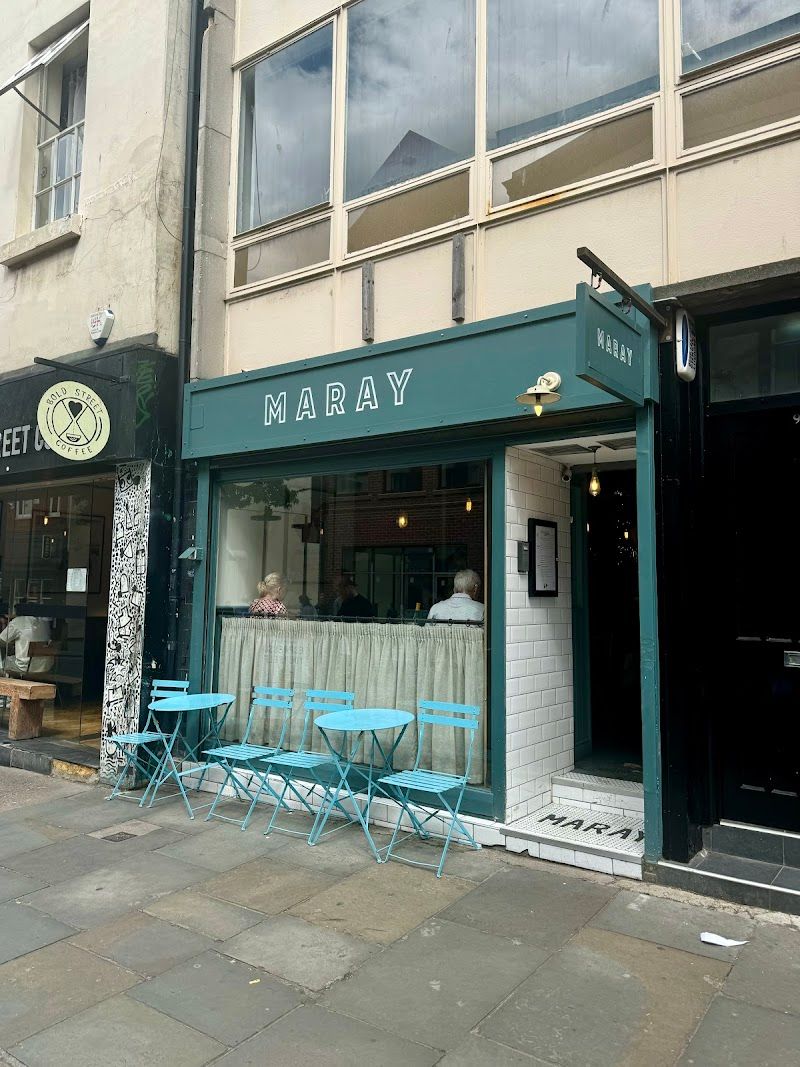
Bold Street's reputation as Liverpool's restaurant row extends beyond scouse to include some of northern England's most innovative independent dining. Maray Bold Street serves Middle Eastern-influenced small plates that have earned national recognition.
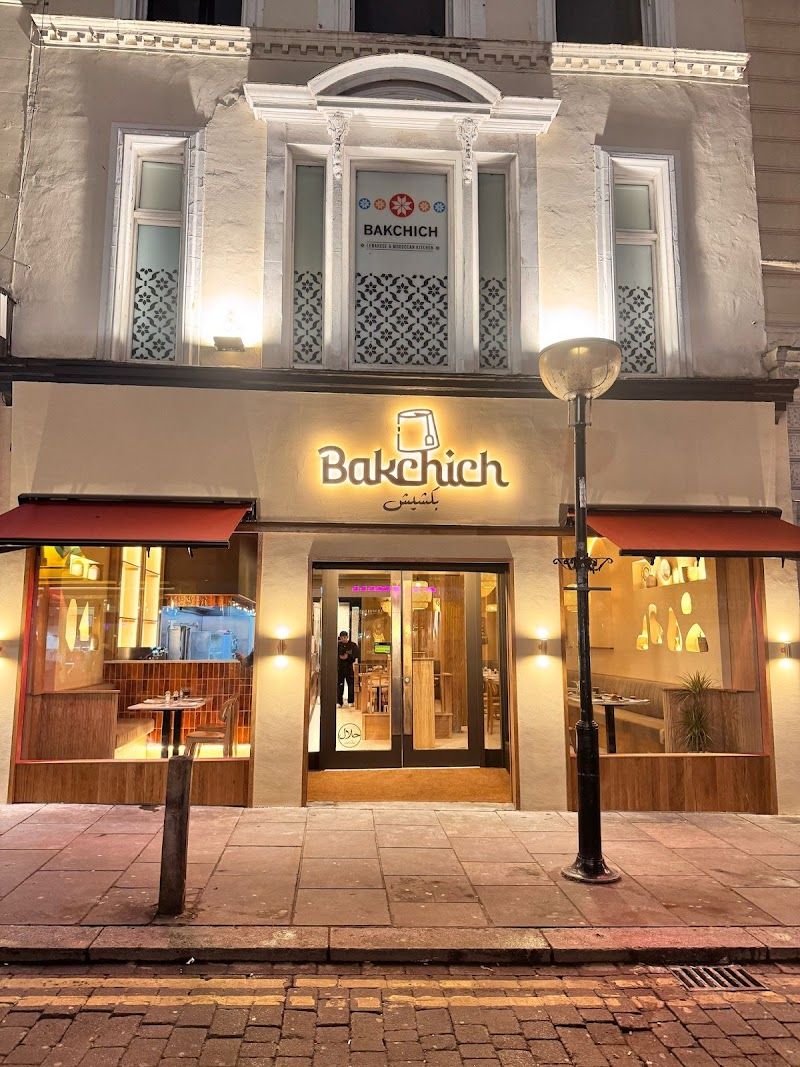
The street's diversity reflects Liverpool's cosmopolitan character. You'll find excellent Lebanese, Indian, vegetarian, and modern British restaurants within a few blocks, creating dining density that rivals Manchester's Northern Quarter or Leeds' Call Lane.
Many Bold Street restaurants source ingredients locally, supporting Merseyside farms and producers. This commitment to regional sourcing creates connections between traditional Liverpool eating and contemporary culinary trends.
Liverpool Pub Food Culture and Traditions
Traditional Liverpool food culture centers around the pub as much as the home kitchen. Liverpool's pubs serve as community gathering spaces where food traditions transmit between generations and locals debate the proper way to prepare scouse.
The Philharmonic Dining Rooms: Victorian Pub Grandeur
The Philharmonic Dining Rooms represents Liverpool pub culture at its most elaborate. This Victorian gin palace serves traditional British food in rooms decorated with mahogany, brass, and stained glass that create an atmosphere unmatched elsewhere in the city.
Their menu includes several Liverpool specialties alongside classic pub fare. The scouse arrives properly prepared, and their Sunday roast attracts locals who appreciate both the food quality and the spectacular dining rooms.
Prices reflect the venue's grandeur, with main courses ranging from GBP 12-18. The experience justifies the cost, particularly for visitors wanting to understand Liverpool's pub tradition at its most refined.
Traditional Pub Scouse vs Restaurant Versions
Liverpool pubs approach scouse differently than restaurants. Pub versions often feature larger portions, simpler presentation, and prices that reflect local expectations rather than tourist budgets. The meat tends toward whatever the kitchen can source affordably, and accompaniments stick to traditional pickled cabbage and bread.
Restaurant scouse often appears more refined, with careful plating and premium ingredients that elevate the dish beyond its working-class origins. Both approaches have merit, but pub versions usually provide more authentic flavors and atmosphere.
Where to Experience Liverpool Food Specialties
Scouse Liverpool traditional cooking appears across the city, but certain areas concentrate the best options. Understanding these geographic clusters helps visitors experience Liverpool's food culture efficiently.
City Center and Cavern Quarter Dining
The Cavern Quarter balances tourist convenience with genuine local eating. Several pubs near Mathew Street serve proper scouse alongside other Liverpool specialties.
Mowgli Street Food represents the area's modern dining evolution. While not serving traditional Liverpool dishes, their Indian street food demonstrates the city's contemporary food confidence.
Albert Dock: Tourist vs Authentic Options
Albert Dock restaurants cater primarily to visitors, resulting in food that prioritizes convenience over authenticity. While you'll find scouse on most menus, the quality rarely matches what locals expect.
For better options near the waterfront, walk toward the city center where restaurants serve both tourists and residents. This mixed clientele ensures higher standards and more reasonable prices.
Bold Street and Georgian Quarter Excellence
The Bold Street area offers Liverpool's highest concentration of quality independent restaurants. Multiple venues serve excellent scouse, and the street's food diversity means you can experience both traditional and contemporary Liverpool eating within walking distance.
Lunch prices on Bold Street range from GBP 8-15 for casual dining to GBP 15-25 for more refined options. The street's popularity with locals ensures consistent quality across most establishments.
Liverpool Food Markets and Local Shopping
Liverpool's food markets provide access to ingredients used in traditional recipes and offer prepared versions of local specialties. These markets also demonstrate how contemporary Liverpool incorporates global influences while maintaining regional identity.
St. John's Market and Local Specialties
St. John's Market, rebuilt in 2016, houses traditional butchers, bakers, and specialty food shops alongside contemporary vendors. Several stalls sell ingredients for making scouse at home, including the specific cuts of meat that create authentic flavors.
The market's bakery stalls stock Liverpool Tart and other regional sweets. Prices remain significantly lower than tourist-focused shops, reflecting the market's role serving local residents.
Weekend Markets and Food Events
Liverpool's weekend farmers markets feature Merseyside producers selling ingredients that appear in traditional recipes. These markets operate seasonally, with the largest taking place in various city center locations throughout spring and summer.
Several annual food events celebrate Liverpool specialties. The city's food festival, typically held in summer, includes demonstrations of traditional cooking methods and tastings of historical recipes recreated by local chefs.
Understanding Liverpool Food Through Its History
Liverpool traditional food reflects the city's maritime heritage and working-class character. Understanding this history helps visitors appreciate why certain dishes developed and why they remain important to local identity.
Maritime Influences on Liverpool Cuisine
Liverpool's position as Britain's gateway to the Atlantic brought ingredients and cooking methods from across Europe and beyond. Scandinavian sailors introduced the techniques that became scouse. Chinese immigrants established one of Britain's oldest Chinatowns. Irish families brought potato-based dishes that influenced local cooking.
This diversity created a food culture more cosmopolitan than most English cities of similar size. Liverpool absorbed global influences while developing distinctly local adaptations that reflected available ingredients and local preferences.
Working-Class Food Innovation
Most Liverpool specialties emerged from the need to feed large families economically. Scouse used affordable cuts of meat extended with vegetables. Wet Nelly transformed leftover ingredients into dessert. These innovations demonstrate creativity within economic constraints rather than poverty cuisine.
Modern Liverpool restaurants recognize this heritage by creating elevated versions of traditional dishes. The approach respects the original purpose while acknowledging contemporary dining expectations.
Planning Your Liverpool Food Experience
Experiencing Liverpool's food specialties requires strategic planning to balance traditional dishes with contemporary dining and tourist convenience with authentic local atmosphere. The city's compact size makes it possible to sample various Liverpool specialties within a short visit.
Best Times for Traditional Food
Lunch hours provide the best opportunity to experience scouse as locals eat it. Most pubs serve their daily scouse batch between noon and 2 PM, when quality peaks and portions reflect genuine local expectations rather than tourist portions.
Weekend visits allow access to Baltic Market and other markets that operate limited schedules. Plan weekend meals around market hours to experience contemporary Liverpool food culture alongside traditional dishes.
Combining Food with Liverpool Attractions
Liverpool's food locations cluster near major attractions, making it easy to combine eating with sightseeing. Bold Street sits walking distance from Liverpool Cathedral and the Walker Art Gallery.
The Baltic Triangle houses both innovative dining and cultural attractions like Camp and Furnace. This area demonstrates Liverpool's contemporary character while providing access to traditional food experiences.
For comprehensive Liverpool planning, including how food experiences fit with other attractions, consult our detailed 2-3 day Liverpool itinerary and first-time visitor guide. These resources help balance food experiences with Liverpool's other essential experiences.
Liverpool's food specialties tell the story of a city that values tradition while embracing change. Scouse remains the dish that defines Liverpool, but the city's contemporary food scene demonstrates confidence in local identity combined with openness to global influences. Both aspects deserve attention from visitors seeking to understand what makes Liverpool distinct from other British cities.