
The Liverpool vs Manchester City debate extends far beyond the football pitch. Both cities represent the best of northern England's post-industrial transformation, but they've taken dramatically different paths to get there. Liverpool rebuilt itself around its maritime heritage and cultural exports, while Manchester embraced its role as England's second city with glass towers and ambitious urban planning. For travelers choosing between these two football strongholds, the decision comes down to what kind of northern English experience you want.
Liverpool offers UNESCO-listed waterfronts, free museums, and a music scene that changed the world. Manchester counters with cutting-edge architecture, a thriving food scene that rivals London, and nightlife that never really stops. Both cities can fill a long weekend, but they'll fill it in completely different ways.
The Stadium Experience: Anfield vs Etihad
The football stadiums tell you everything about these cities' different approaches to success. Anfield Stadium sits in a residential neighborhood where terraced houses back right up to the stands. The GBP 29 stadium tour includes the players' tunnel, the famous This Is Anfield sign, and the Kop end where 12,000 fans create the atmosphere that visiting players either love or fear. The museum covers Liverpool FC's history from 1892 to their recent Champions League and Premier League victories.
The Etihad Stadium, Manchester City's home since 2003, represents the opposite philosophy. Built for the 2002 Commonwealth Games, it sits in a purpose-built sports complex in east Manchester, surrounded by car parks and the City Football Academy. The stadium tour costs around GBP 25 and showcases City's transformation from perennial underachievers to Premier League champions. The facilities are newer, the concourses wider, and the corporate boxes more luxurious.
For atmosphere and history, Anfield wins. For modern facilities and comfort, the Etihad takes it. Liverpool's stadium feels integrated into the city's fabric, while Manchester City's feels like it could exist anywhere.
Cultural Heavyweight: Liverpool's UNESCO Sites vs Manchester's Modern Arts
Liverpool's cultural credentials are harder to argue with. The Albert Dock waterfront earned UNESCO World Heritage status for good reason. The Three Graces - the Royal Liver Building, Cunard Building, and Port of Liverpool Building - form one of the world's most recognizable waterfronts. The Royal Liver Building 360 tour costs GBP 19.95 and provides views across the Mersey to Wales on clear days.
The museum cluster at Albert Dock is extraordinary and entirely free. Tate Liverpool houses one of the best contemporary art collections outside London. The Merseyside Maritime Museum tells the story of Liverpool's role in global trade, including the city's connection to the slave trade. The Museum of Liverpool provides context for everything else you'll see in the city.
Manchester's cultural scene is more scattered but equally impressive. The Northern Quarter buzzes with independent galleries, vintage shops, and coffee roasters in converted Victorian warehouses. The Whitworth gallery and Manchester Art Gallery house significant collections, while the Home arts center combines cinema, theater, and visual arts in a striking modern building.
Liverpool concentrates its cultural offerings in walkable areas, making it easier for short visits. Manchester requires more planning to hit the cultural highlights, but rewards deeper exploration.
The Beatles Factor vs Manchester Music Legacy
Liverpool's Beatles connection is inescapable and entirely authentic. Mathew Street in the Cavern Quarter centers on the reconstructed Cavern Club where the Beatles played 292 times. The Cavern Club still hosts live music daily, with entry costing GBP 8-15 depending on the night. The Beatles Story at Albert Dock charges GBP 22.95 but provides comprehensive coverage of the band's Liverpool years.
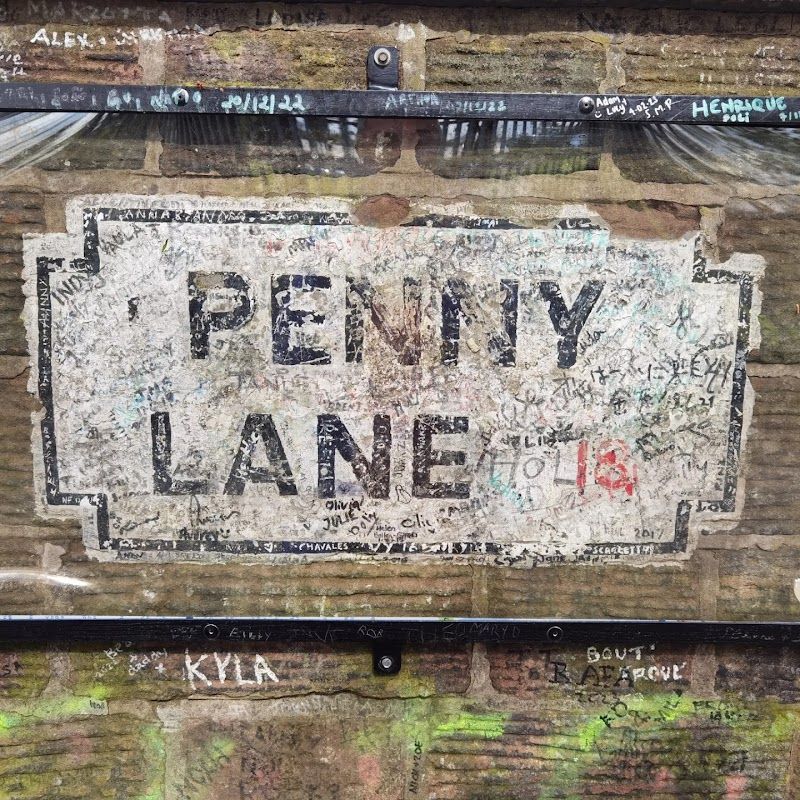
The Magical Mystery Tour bus costs GBP 24.95 and visits Penny Lane, Strawberry Field, and the childhood homes of all four Beatles. These aren't tourist recreations - these are the actual places where the most influential band in popular music grew up.
Manchester's music heritage runs deeper and wider. The city gave birth to Joy Division, New Order, The Smiths, Oasis, and the entire Madchester scene. The former Hacienda nightclub site is now flats, but Band on the Wall, Night and Day Cafe, and venues across the Northern Quarter continue the tradition. Manchester's music scene feels more alive because it's less museumified.
For music history, Liverpool wins on concentrated Beatles tourism. For current music culture, Manchester edges ahead with a broader, more active scene.
Neighborhood Character: Georgian Elegance vs Victorian Grit
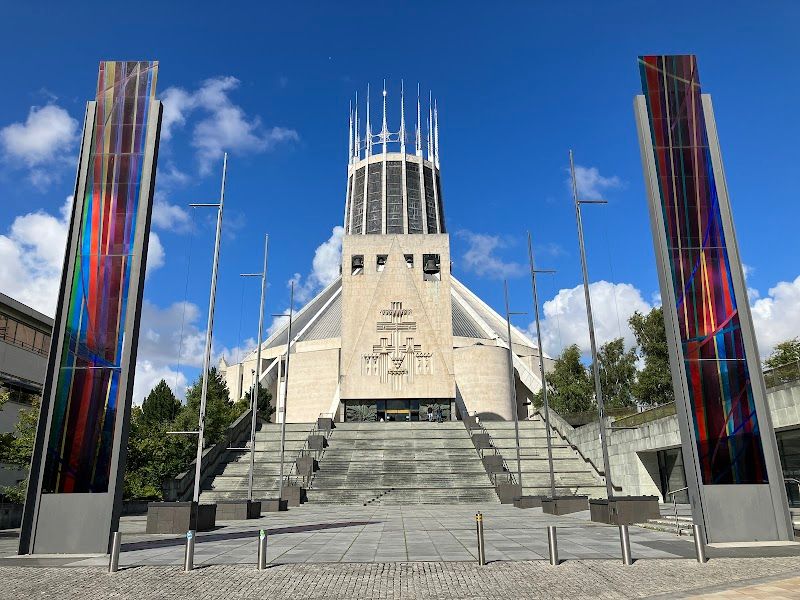
Liverpool's Bold Street and Georgian Quarter showcase the city's 18th-century wealth. Bold Street runs for half a kilometer of independent restaurants, vintage shops, and cafes in Georgian and Victorian buildings. The area around Hope Street features both the Anglican Cathedral and the modernist Metropolitan Cathedral, plus the Philharmonic Dining Rooms, one of Britain's most ornate Victorian pubs.
The Baltic Triangle represents Liverpool's creative future. Warehouse conversions house art studios, the Baltic Market weekend food hall, and venues like Camp and Furnace that combine dining, drinking, and events in industrial spaces.
Manchester's Northern Quarter packs more independent character per square meter than almost anywhere in Britain. Vintage clothing shops, record stores, and coffee roasters fill Victorian warehouse buildings along Oldham Street, Tib Street, and Church Street. The area transitions seamlessly from daytime shopping and eating to nighttime drinking and club culture.
The city center around Deansgate showcases Manchester's confidence with glass towers, designer shopping, and restaurants that wouldn't look out of place in London. This is where you see the wealth that Premier League success and financial services have brought to the city.
Food Scenes: Traditional Scouse vs Modern British Innovation
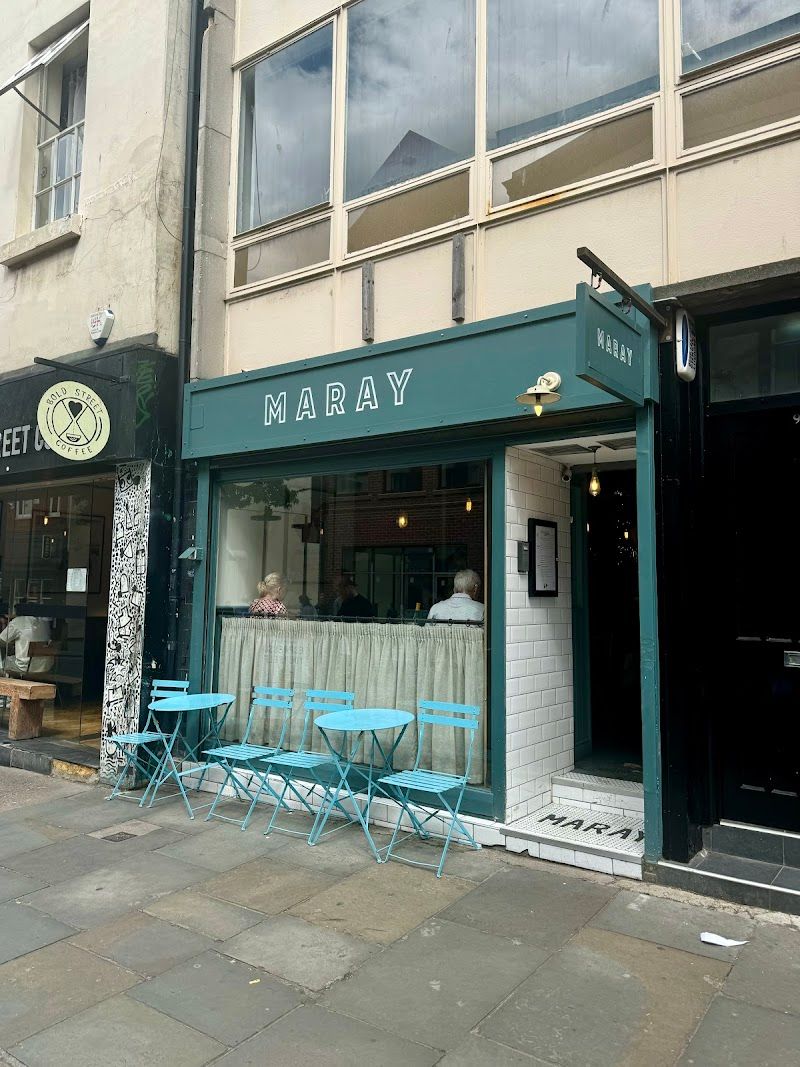
Liverpool's food scene centers on traditional dishes with modern updates. Scouse, the city's signature stew, costs GBP 8-14 at traditional pubs but appears in refined versions at restaurants across Bold Street. Maray on Bold Street represents Liverpool's new wave - Middle Eastern small plates in a former bank building.
The weekend Baltic Market brings together street food vendors, craft beer, and live music in a converted warehouse. It's become the center of Liverpool's food scene for visitors and locals under 35.
Manchester's food scene punches well above its weight. The city center offers everything from Michelin-recommended restaurants to authentic Chinatown options that serve Manchester's large Chinese community. Curry Mile in Rusholme provides some of Britain's best South Asian food outside London.
Manchester's restaurant scene is more diverse and ambitious. Liverpool's food culture feels more rooted in local traditions, which appeals to travelers looking for authentic regional cuisine.
Getting Around: Liverpool's Compact Center vs Manchester's Sprawl
Liverpool's main attractions cluster within walking distance of each other. The waterfront, city center, and Georgian Quarter form a triangle you can cover on foot in under an hour. The Merseyrail system connects outer areas like Penny Lane and Sefton Park to the city center for GBP 2.8 per journey within Zone 1.
Manchester spreads across a larger area, making public transport more essential. The Metrolink tram system connects the city center to the Etihad Stadium, Old Trafford (for Manchester United), and neighborhoods like Chorlton and Didsbury. A day pass costs around GBP 5.60 for city zones.
Liverpool works better for short visits because everything is walkable. Manchester rewards longer stays that allow time to explore different neighborhoods.
Cost Comparison: Similar Prices, Different Value
Both cities offer similar pricing for accommodation and dining. Mid-range hotels cost GBP 80-150 per night in both cities, with Liverpool's waterfront hotels commanding premium prices and Manchester's city center options offering more business-focused amenities.
Liverpool's advantage lies in free attractions. The major museums, cathedral climbs (GBP 7.5), and waterfront walks cost nothing. Manchester's attractions often charge admission, though many are worth the cost.
Dining costs are comparable, with budget lunches running GBP 6-12 and mid-range dinners GBP 25-40 per person including drinks in both cities. Pints cost GBP 4.5-6.5 in traditional pubs, with trendy bars charging more.
Transportation: Liverpool's Airport vs Manchester's Hub
Liverpool John Lennon Airport is smaller and closer to the city center, with the Arriva bus service costing GBP 3.5 and taking 30 minutes to reach downtown. Taxis cost GBP 18-25 depending on your final destination.
Manchester Airport is one of Britain's busiest, offering more international connections. The train to Manchester Piccadilly takes 15 minutes and costs around GBP 4.20, while taxis to the city center cost GBP 25-35.
For international travelers, Manchester offers better flight connections. For domestic travelers, Liverpool's smaller airport means shorter queues and quicker transit to the city.
The Verdict: Different Cities for Different Travelers
Choose Liverpool if you want concentrated culture, maritime history, and Beatles pilgrimage sites within walking distance of each other. The city works perfectly for weekend visits focused on specific interests. Liverpool feels more tourist-friendly because its main attractions cluster together and many major sights are free.
Choose Manchester if you prefer a larger city with more diverse neighborhoods, cutting-edge architecture, and a food scene that competes with London. Manchester requires more time to explore properly but offers greater depth for travelers who want to experience contemporary northern English city life.
For first-time visitors to northern England with limited time, Liverpool wins because you can see its highlights in 2-3 days without feeling rushed. For travelers making return visits or staying longer, Manchester provides more layers to uncover.
The football rivalry between Liverpool and Manchester City extends to their approaches to tourism. Liverpool markets its heritage and cultural landmarks effectively, while Manchester lets its contemporary energy speak for itself. Both strategies work, but they attract different types of travelers.
Both cities deserve visits, but if you can only choose one, consider what you want from a northern English city experience. Liverpool offers concentrated culture and music history in a compact, walkable area. Manchester provides a larger canvas with more modern attractions spread across diverse neighborhoods.
The Liverpool vs Manchester City debate will continue on the football pitch, but for travelers, both cities win by offering distinctly different but equally compelling northern English experiences. Your choice depends on whether you prefer your culture concentrated or dispersed, your history maritime or industrial, and your city experience heritage-focused or contemporary-minded.
For practical planning, start with our comprehensive Liverpool first-time guide or explore the 2-3 day Liverpool itinerary to make the most of either choice.