You're asking the wrong question. The real question isn't whether 2 days is enough in Rome - it's whether you can handle the FOMO of everything you'll miss. Rome is a city where you could spend months and still discover new corners, but yes, you can have a meaningful 48-hour experience if you plan smartly.
Two days gives you enough time for 3-4 major attractions, one proper neighborhood exploration, and several excellent meals. You won't see everything, but you'll get a genuine taste of why Rome has captivated travelers for millennia.
What You Can Realistically See in 48 Hours
Forget about checking off every monument on your Pinterest board. A successful Rome weekend trip focuses on depth over breadth. Here's what's actually achievable without turning your vacation into a death march.
The Ancient Rome Core (Half Day)
Start with the Colosseum, Roman Forum, and Palatine Hill. These three sites form one archaeological complex, and you can see all three with a single ticket (EUR 18-24 depending on season). Book skip-the-line tickets online at least a week ahead - standing in line for 90 minutes defeats the purpose of a short visit.
The underground Colosseum tours are spectacular but add 2 hours to your visit. Skip them on a 2-day itinerary unless Roman history is your primary reason for visiting. The standard Colosseum experience plus a walk through the Forum ruins takes 3-4 hours total.
Vatican City (Half Day Minimum)
The Vatican Museums and Sistine Chapel require 3-4 hours if you want to see the highlights properly. St. Peter's Basilica adds another hour, plus climbing the dome (EUR 10-13) takes 30-45 minutes. Wednesday mornings are papal audience days, which creates massive crowds around St. Peter's Square.
Many visitors try to squeeze Vatican City into 2 hours and end up frustrated. Either allocate a proper half-day or skip it entirely - there's no middle ground that does justice to the collection.
One Historic Center Deep Dive
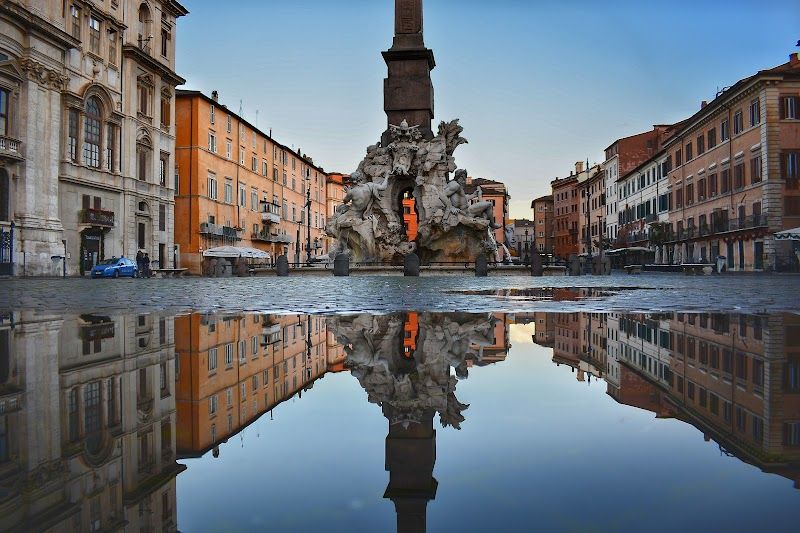
Rome's centro storico deserves more than a rushed photo stop. Pick either the Pantheon-Piazza Navona-Campo de' Fiori triangle or the Trevi Fountain-Spanish Steps-Villa Borghese area for a proper 3-4 hour exploration. Walking between these zones eats up time you don't have.
The Pantheon (free entry) is worth 30 minutes inside, but the real magic happens in the surrounding streets. Via del Corso offers good shopping, while the alleys around Campo de' Fiori hide excellent wine bars and traditional trattorias.
Rome 2-Day Itinerary That Actually Works
Most Rome weekend guides pack too much into each day. This itinerary prioritizes experiences over photo ops and includes realistic travel times between neighborhoods.
Day 1: Ancient Rome and Centro Storico
Morning (9:00 AM - 1:00 PM) Start at the Colosseum with pre-booked tickets. The morning light is better for photos, and tour groups haven't fully descended yet. Spend 90 minutes inside, then walk through the Roman Forum and up Palatine Hill. Skip the museum audio guides - they're poorly designed and slow you down.
Lunch Break (1:00 PM - 2:30 PM) Avoid the tourist traps around the Colosseum. Walk 10 minutes to Monti neighborhood for lunch at a proper Roman trattoria. Armando al Pantheon serves excellent carbonara (around EUR 15-18), or try Il Sorpasso for modern Italian plates.
Afternoon (2:30 PM - 6:00 PM) Take the metro (Line B) from Colosseo to Spagna station. Walk down Via del Corso to the Pantheon, spending 30 minutes inside during the less crowded afternoon hours. Continue to Piazza Navona for people-watching and gelato, then end at Campo de' Fiori for aperitivo.
Evening Stay in Trastevere for dinner - it's touristy but atmospheric after dark. Book ahead at Da Enzo al 29 for traditional Roman dishes (mains around EUR 12-16).
Day 2: Vatican and Villa Borghese
Morning (8:00 AM - 12:30 PM) Early entry Vatican Museums tour (book online, around EUR 35-45). These tours start before general opening and avoid the worst crowds. The Sistine Chapel is remarkably peaceful at 8 AM compared to the zoo it becomes later.
Alternatively, visit Villa Borghese and Galleria Borghese instead of Vatican City. The gallery requires advance booking (EUR 15) but offers Bernini sculptures and Caravaggio paintings without the Vatican crowds.
Lunch (12:30 PM - 2:00 PM) If you chose Vatican: eat near Castel Sant'Angelo at Dal Toscano (traditional Roman fare, mains EUR 14-20). If you chose Villa Borghese: lunch at the park's cafe or walk to nearby Parioli neighborhood.
Afternoon (2:00 PM - 6:00 PM) Trevi Fountain and Spanish Steps area. The fountain is magnificent but impossibly crowded - aim for late afternoon when tour groups are leaving. Climb the Spanish Steps for elevated city views, then explore Via del Babuino's boutiques.
End your afternoon at Villa Borghese park if you visited Vatican in the morning, or return to centro storico for final wandering if you spent morning at Villa Borghese.
How Many Days Does Rome Actually Need?
Here's the honest breakdown based on travel pace and interests:
Minimum viable visit: 2 days - Major highlights only, constant movement, significant FOMO
Comfortable first visit: 4-5 days - All major sites, some neighborhood exploration, time for spontaneous discoveries
Proper Rome experience: 7-10 days - Museums, day trips, different neighborhoods, repeat visits to favorites
Rome resident perspective: Lifetime - New discoveries every month, seasonal changes, hidden corners
Two days works if you accept limitations. You'll see Rome's greatest hits and get a sense of the city's rhythm, but you won't penetrate its deeper layers. Think of it as a compelling preview rather than a complete experience.
What to Skip on a Rome Short Visit
The Obvious Tourist Traps
Mouth of Truth (Bocca della Verità): Lines are insane for a 30-second photo with a marble disc. Unless you're traveling with children who've seen Roman Holiday, skip it entirely.
Castel Sant'Angelo: Beautiful building, decent views, but requires 2-3 hours you don't have. Save it for your next Rome visit.
Baths of Caracalla: Impressive Roman ruins, but the Colosseum and Forum tell the ancient story more effectively for short-term visitors.
The Museum Overload Trap
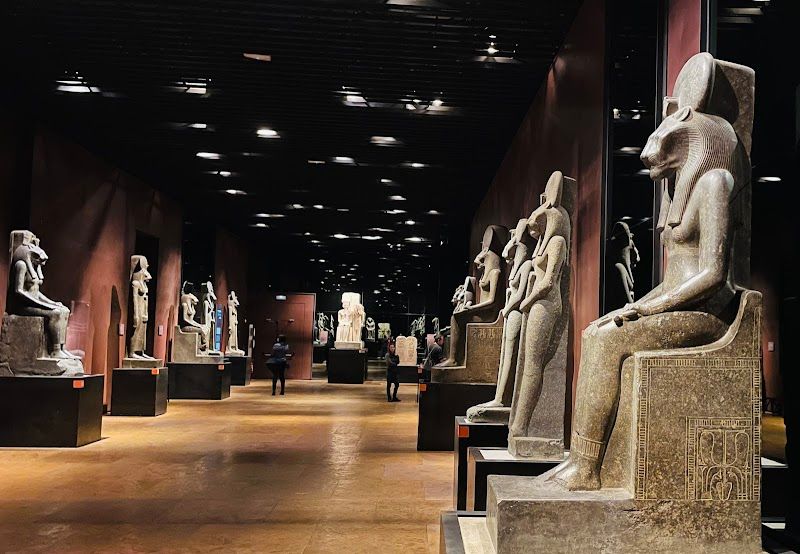
Rome has over 900 churches and dozens of museums. Trying to hit multiple museums in 48 hours creates fatigue and diminishes each experience. Pick one major museum (Vatican or Capitoline) and leave the others for next time.
The Roma Pass (EUR 32 for 48 hours) includes public transport and museum entries, but it only pays off if you're visiting 3+ paid attractions. For a focused 2-day visit, individual tickets usually cost less.
The Day Trip Temptation
Pompeii, Florence, and Tivoli are all doable as day trips from Rome, but they consume 8-12 hours including travel time. On a 2-day Rome itinerary, day trips are a mistake. You'll spend more time on trains than experiencing your destination.
Making Your Rome 48 Hours Count
Transportation Strategy
Rome's historic center is compact and walkable, but the summer heat can be brutal. The metro system is limited but connects major tourist areas efficiently. Buy a 48-hour public transport pass (EUR 12.50) rather than individual tickets - it pays off after 4-5 journeys and eliminates ticket-buying stress.
Taxis are expensive and get stuck in traffic. Use them strategically for airport transfers or late-night returns to your hotel, not for sightseeing transportation.
Timing and Crowds
Early morning (8:00-9:00 AM) is magical in Rome. Tourist sites are quiet, locals are commuting with espresso, and the light is gorgeous for photos. Most major attractions open at 8:30 AM.
Mid-afternoon (2:00-4:00 PM) is siesta time. Many shops close, but tourist attractions stay open with smaller crowds. Perfect timing for indoor museums during hot weather.
Evening (6:00-8:00 PM) brings aperitivo culture and passeggiata (evening stroll). Join locals in Piazza Navona or Campo de' Fiori for people-watching and Aperol Spritz.
Food Strategy for Short Visits
Rome's restaurant scene rewards exploration, but you don't have time for mediocre meals. Book one special dinner in advance at a recommended trattoria - try Armando al Pantheon, Piperno in the Jewish Quarter, or Flavio al Velavevodetto in Testaccio.
For other meals, follow the locals: morning cornetto and cappuccino at a bar counter (EUR 3-4 total), lunch at places with handwritten Italian menus, aperitivo with complimentary snacks instead of dinner on one night.
Skip restaurants with tourist menus in multiple languages near major attractions. If you can see the Colosseum from your restaurant table, you're paying tourist prices for mediocre food.
Rome Weekend Trip: The Verdict
Is 2 days enough in Rome? Enough to fall in love with the city and plan your return visit. You'll see the headline attractions, taste authentic Roman cuisine, and experience the city's unique atmosphere where ancient ruins coexist with modern Italian life.
You won't become a Rome expert in 48 hours, but you'll understand why people spend lifetimes exploring this city. The key is managing expectations - focus on quality experiences rather than quantity of sights, and accept that you're sampling Rome rather than consuming it entirely.
The perfect 2-day Rome visit leaves you satisfied but hungry for more. If you find yourself planning your next Roman vacation before leaving the first one, you've done it right.
For travelers considering whether to extend their stay, remember that Rome rewards longer visits exponentially. The difference between 2 days and 4 days is far greater than the difference between 4 days and 6 days. But if 48 hours is what your schedule allows, make them count - Rome in a weekend beats no Rome at all.