Turin
Egypt's second-best museum, the city that invented Nutella, Baroque arcades, and Barolo by the glass for EUR 6
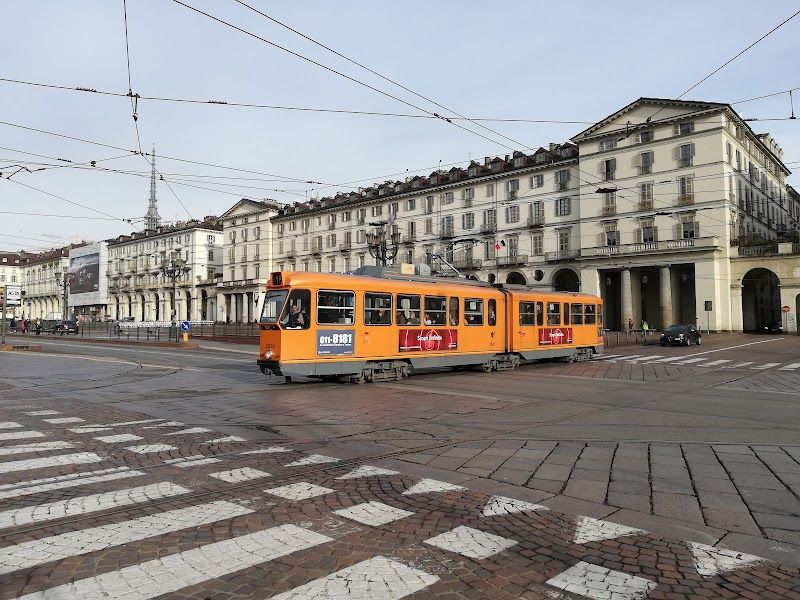
About Turin
Turin is the Italian city that nobody visits and everyone should. It was the first capital of unified Italy, the home of Fiat and Lavazza, the city that invented the modern chocolate industry (gianduja, the hazelnut chocolate that became Nutella, was born here), and it has the most elegant grid of Baroque boulevards and arcaded squares in Italy. The problem is that it sits in Piedmont, in the shadow of Milan to the east and the Alps to the west, and most tourists drive past it on the way to somewhere else.
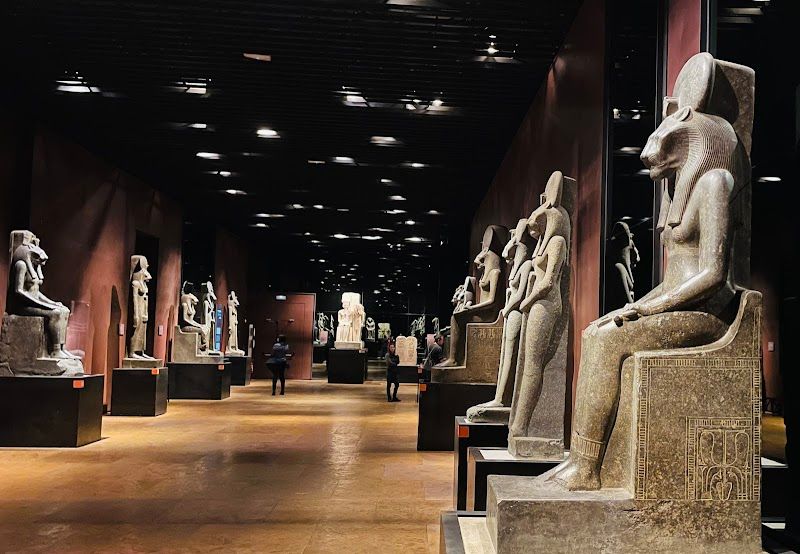
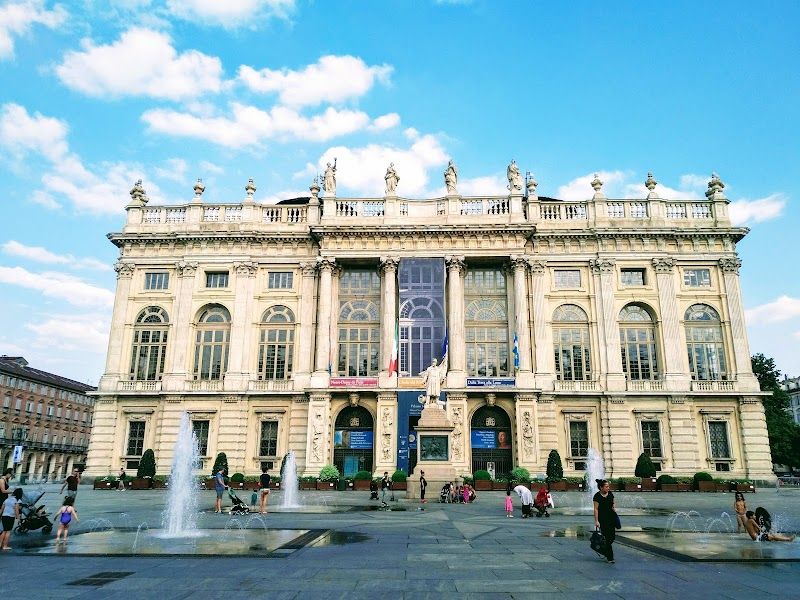
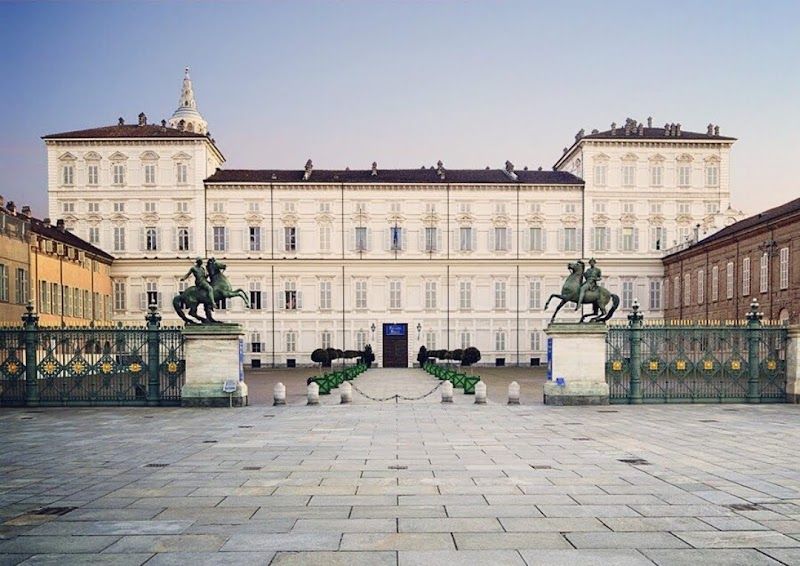
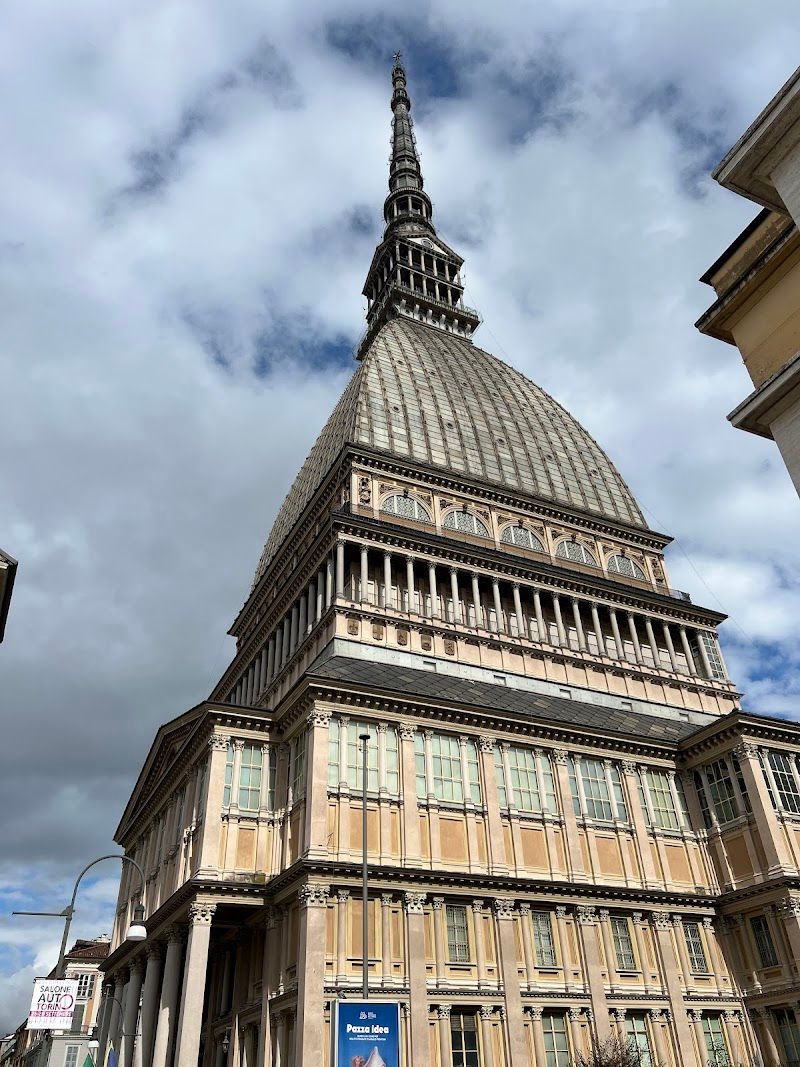
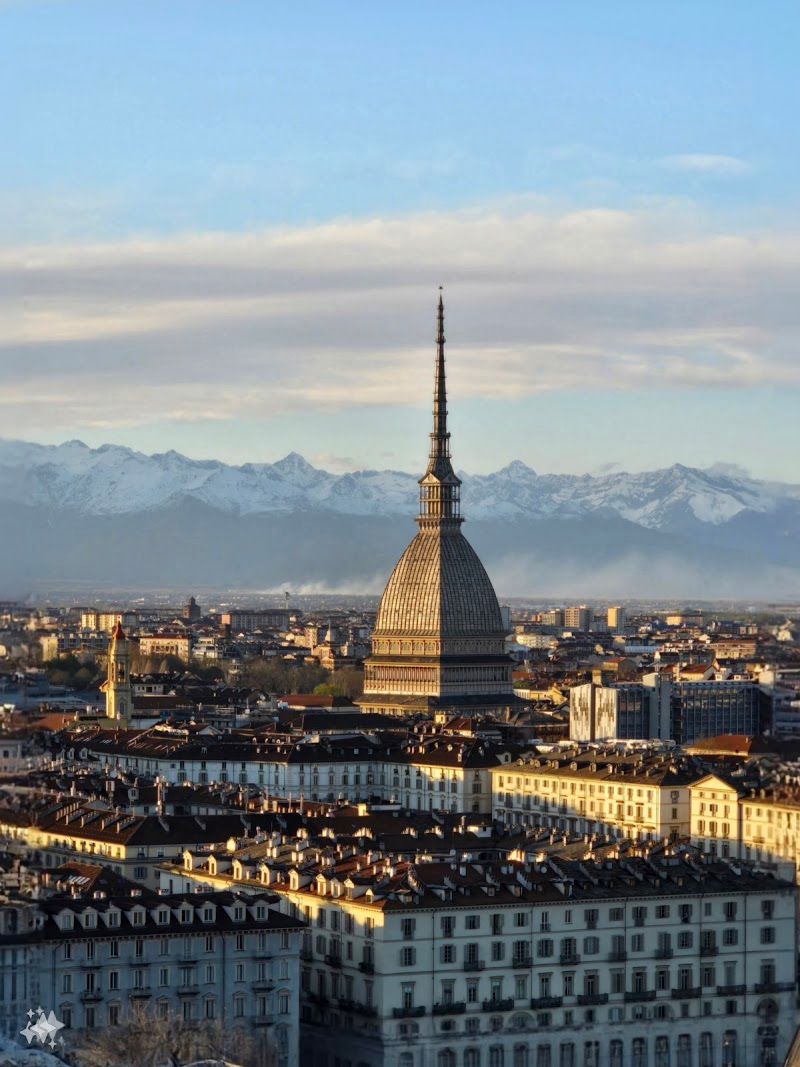
The Egyptian Museum (EUR 18) is the second most important collection of Egyptian antiquities in the world after Cairo, and it is spectacularly presented in a renovated palazzo. The Mole Antonelliana is the city's defining building, a 167-metre spire originally designed as a synagogue, now housing the National Cinema Museum (EUR 15, the panoramic lift to the top is the best city view in northern Italy). The Royal Palace (EUR 15) and Piazza Castello form the monumental centre.
The food is Piedmontese: rich, seasonal, and truffle-adjacent. Bagna càuda (hot garlic and anchovy dip for raw vegetables, EUR 10-14, a winter dish your breath will remember for days), vitello tonnato (cold veal with tuna sauce, EUR 12-15, sounds wrong, tastes perfect), and bicerin (the Turinese layered espresso-chocolate-cream drink, EUR 5-7, from Caffè Al Bicerin, the café that has been serving it since 1763). A glass of Barolo at a neighbourhood enoteca costs EUR 8-15.
Pick your base
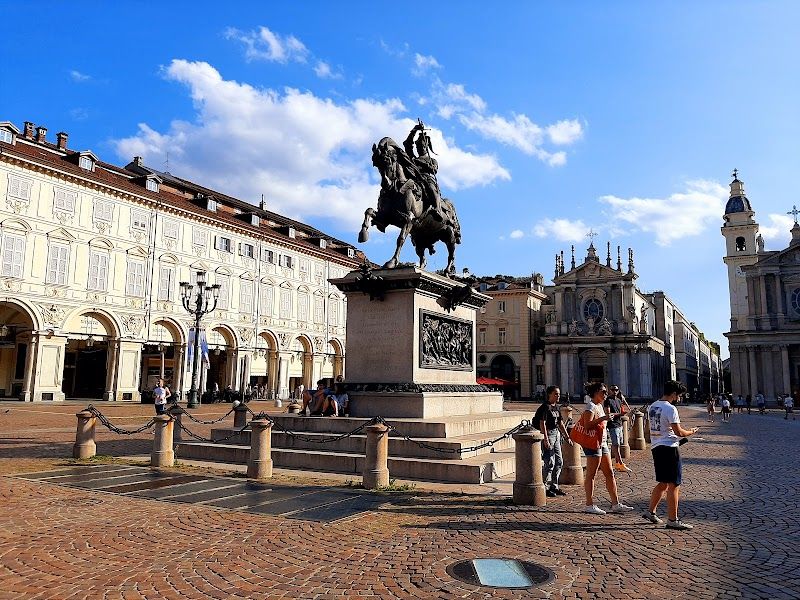
Stay in Turin
Real-time pricing across hotels, apartments, and ryokans. Book direct from the map.
Things to do in Turin
Experiences worth booking ahead
Vetted tours and tickets we'd send a friend to. The ones worth reserving before you arrive.
Travel guides
From the blog
Practical bits, answered
It is the world's second most important Egyptian collection after Cairo, and significantly better than what Rome has. It holds 40,000 objects including the complete, intact Tomb of Kha and Merit (untouched since 1400 BC), 8 royal mummies, one of the longest surviving Books of the Dead, and a large-scale Ramesses II statue. The presentation (renovated in 2015) is exceptional. Allow 2-3 hours minimum. EUR 18. Closed Monday.
A bicerin is a layered drink specific to Turin: espresso at the base, thick dark drinking chocolate poured over it, whipped cream on top, served in a small glass. You do not stir it: you drink it in layers, espresso first through the cream and chocolate. It was invented at Caffè Al Bicerin on Piazza della Consolata, where they have been serving the same recipe since 1763. EUR 5-7. Dumas, Cavour, Nietzsche, and Puccini are all documented as customers. The café has 10 tables and is unchanged.
By car: A6 south to Asti (1 hour), then the SP road network into the hills. By train: to Alba (1.5 hours, change at Bra or Asti). Organised day tours from Turin run EUR 80-120 and include winery visits. October is the best time: white truffle season, harvest, the Nebbiolo grapes being picked. The Enoteca del Barolo in Barolo village lets you taste 15-20 producers by the glass (EUR 5-15 per glass depending on producer). Self-driving means a designated driver.
Turin claims to have invented the aperitivo: the tradition of serving food with a pre-dinner drink, which spread through Italy and became the spritz and the Negroni. Vermouth was invented here (Carpano Classico in 1786, Punt e Mes in 1870). Turin's aperitivo today: between 6 and 9 PM, go to a decent bar in the Quadrilatero Romano or Piazza San Carlo area, order a drink (EUR 8-12), and a table of food appears automatically. The better bars serve actual cured meats, cheeses, and hot bites. It is both a drink and dinner.
Let DAIZ plan your Turin days
Tell us how long you've got and what you're into. We'll build a day-by-day plan, with the bookable bits ready to lock in.