Turin is the Italian city that nobody visits and everyone should. It was the first capital of unified Italy, the home of Fiat and Lavazza, and the city that invented the modern chocolate industry. Gianduja, the hazelnut chocolate that became Nutella, was born here. The problem is that it sits in Piedmont, in the shadow of Milan to the east and the Alps to the west, and most tourists drive past it on the way to somewhere else.
This turin travel guide will change that. After spending considerable time in Turin's arcaded streets and Baroque squares, eating my way through its chocolate shops and wine bars, I can tell you that Turin offers something Milan doesn't: authenticity without the crowds, museums at reasonable prices, and some of the best food in Italy.
Why Turin Should Be Your Next Italian City Break
Turin's greatest advantage is that it hasn't been discovered yet. While Rome, Florence, and Venice groan under tourist pressure, Turin maintains its dignity as a working Italian city. The Centro & Piazza Castello neighborhood preserves one of Europe's most elegant Baroque street grids, designed by the Savoy dynasty when they needed a capital worthy of their royal ambitions.
The numbers speak for themselves. The Egyptian Museum houses the world's second-most important collection of Egyptian antiquities after Cairo, displayed in a spectacular EUR 50 million renovation. Yet tickets cost just EUR 15, compared to EUR 20-25 for similar museums in Florence or Rome. The Mole Antonelliana, Turin's 167-meter defining spire, offers panoramic views and the world's best cinema museum for EUR 11.
What Turin lacks in Renaissance frescoes, it makes up for in royal grandeur and industrial heritage. This was the seat of the House of Savoy for centuries, and their legacy fills palaces, parks, and underground tunnels. It's also where modern Italy was born - literally. The unification of Italy was proclaimed from Turin's Palazzo Reale in 1861.
Getting Your Bearings: Turin's Essential Neighborhoods
Turin's beauty lies in its rational Baroque grid, but each neighborhood has distinct character. Understanding where you are helps you eat, drink, and explore like a local rather than a tourist.
The Centro radiates from Piazza Castello, where four palaces face each other across Europe's largest stone-paved square. This is royal Turin, where the Savoy court held power for 400 years. Via Roma runs south in a straight line to Porta Nuova station, lined with arcades and flagship stores.
The Quadrilatero Romano preserves Turin's Roman street pattern. This is where locals shop at Porta Palazzo Market (Europe's largest outdoor market) and drink aperitivo in wine bars that have operated since the 1800s. The narrow streets between Via Milano and the Po River hide the city's best restaurants and most atmospheric enotecas.
San Salvario south of the station has evolved into Turin's most international neighborhood. University students, immigrants from North Africa and South America, and young professionals have created a dining scene that mixes Sicilian street food with Ethiopian restaurants and craft cocktail bars. Piazza Vittorio Veneto, Europe's largest porticoed square, anchors this area.
The Mole & Vanchiglia area centers on Turin's most famous building. East of the city center, this former working-class neighborhood has gentrified into loft apartments, design studios, and alternative nightlife venues. The Po River runs along its southern edge, with cycling paths and outdoor bars.
Turin's Must-See Attractions: Beyond the Tourist Trail
Turin's attractions divide into three categories: royal palaces, museums, and architectural landmarks. The key is choosing what matches your interests rather than trying to see everything.
Museums That Rival Rome and Florence
The Museo Egizio deserves a full morning. This isn't just Italy's best Egyptian collection - it's the most important outside Egypt itself. The EUR 50 million renovation presents 4,000 years of Egyptian civilization through innovative displays. The Tomb of Kha and Merit, discovered intact in 1906, remains one of archaeology's great treasures. Book the EUR 18 skip-the-line ticket online; standard admission is EUR 15.
The Cinema Museum inside the Mole Antonelliana offers two experiences for EUR 11: a journey through cinema history and panoramic views from the 85-meter dome. The museum's interactive exhibits trace film development from magic lanterns to digital effects. The glass elevator to the viewing platform provides Turin's best 360-degree views.
Don't overlook the Royal Palace of Turin. The Savoy royal apartments, armory, and royal library showcase 400 years of dynastic power. The EUR 15 ticket includes the Palazzo Reale and Palazzo Chiablese. The throne room and ballroom rival Versailles for opulence, while the royal gardens offer respite from museum fatigue.
Architectural Landmarks That Define Turin's Skyline
The Mole Antonelliana dominates Turin's skyline, but Palazzo Madama reveals the city's layered history. This single building encompasses Roman gates, medieval castle, and Baroque palace. Filippo Juvarra's grand staircase remains one of European architecture's masterpieces. The EUR 10 admission includes decorative arts spanning 4,000 years.
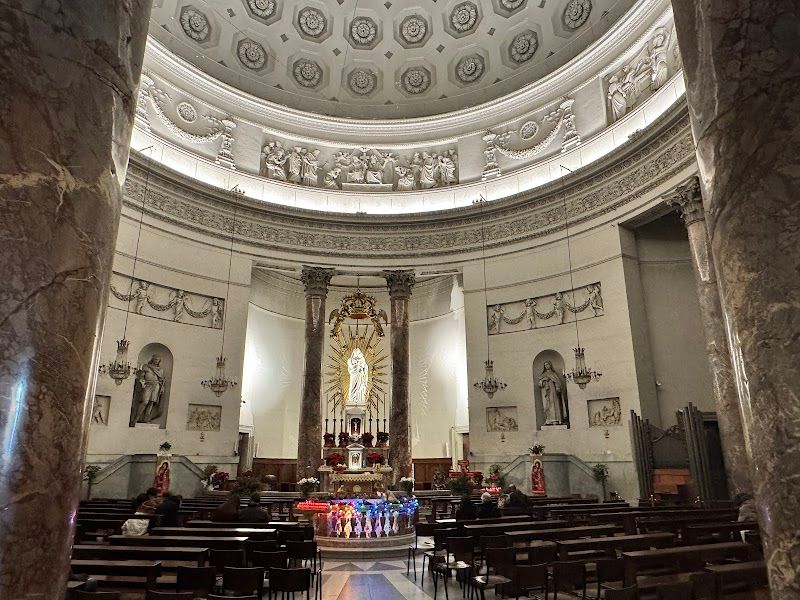
Piazza San Carlo, nicknamed "Turin's living room," demonstrates Baroque urban planning at its finest. The twin churches of San Carlo and Santa Cristina frame the square's southern end, while arcaded palazzi provide geometric harmony. The central statue of Duke Emanuele Filiberto on horseback points toward the defeated French forces - a subtle political statement disguised as urban decoration.
For panoramic views, take the historic cog railway to Basilica di Superga. The EUR 6 railway journey climbs 670 meters to Juvarra's baroque masterpiece. The basilica houses Savoy royal tombs and offers views across the Po Valley to the Alps. On clear days, you can see Monte Rosa and the Matterhorn.
Where to Eat: Turin's Culinary Secrets
Turin invented modern Italian cafe culture. This is where Lavazza began in 1895, where the espresso machine was perfected, and where aperitivo became an art form. But the real discoveries lie in Piedmontese restaurants that serve regional specialties tourists never encounter.
Traditional Piedmontese Cuisine
Piedmontese cuisine focuses on truffles, hazelnuts, wine, and beef. The region produces Italy's most prestigious wines (Barolo, Barbaresco, Barbera) and dishes designed to complement them. Tajarin al tartufo - thin egg noodles with white truffle - appears on menus from October to January when Alba's white truffles are in season.
Consorzio in the Centro serves the city's best traditional menu. Their vitello tonnato (cold veal with tuna sauce) and brasato al Barolo (beef braised in Barolo wine) represent Piedmontese cooking at its finest. Expect EUR 30-40 per person with wine.
Scannabue Caffè in San Salvario offers modern interpretations of regional classics. The agnolotti del plin (tiny ravioli in butter sauce) and fritto misto (mixed fried vegetables and meats) showcase technical precision with traditional flavors. Dinner costs EUR 35-50 with local wine.
For budget-friendly Piedmontese food, head to neighborhood trattorias in the Quadrilatero Romano. Look for handwritten menus, local dialects on walls, and pranzo completo (complete lunch) offerings for EUR 12-18.
Coffee Culture and Chocolate Heritage
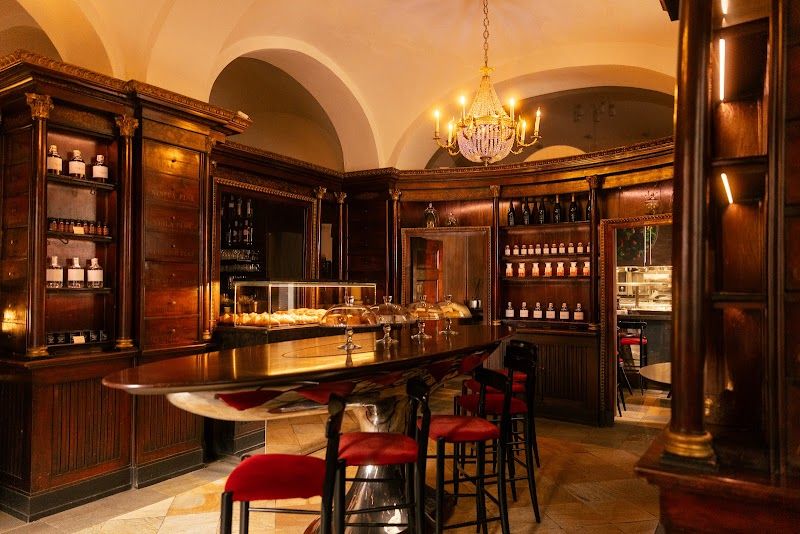
Turin's cafe culture operates by unwritten rules. Morning cappuccino is consumed standing at the bar counter. Afternoon bicerin (coffee, chocolate, and cream layered in glass) pairs with chocolate or pastries. Evening aperitivo includes wine, vermouth, or bitter with complimentary snacks.
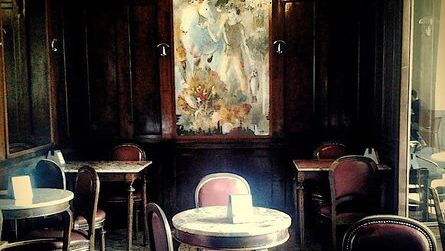
Caffè Al Bicerin invented the bicerin in 1763. The small cafe near the Santuario della Consolata maintains original furnishings and serves the classic drink in proper glass cups. Expect EUR 4-5 for bicerin with traditional giandujotti chocolates.
Baratti & Milano in Piazza Castello represents Turin's chocolate aristocracy. Founded in 1858, they supply the royal family and maintain belle époque interiors. Their gianduiotti and cremini chocolates cost EUR 40-60 per kilogram - expensive but authentic.
For modern coffee culture, explore San Salvario's independent roasters. Caffè Elena serves single-origin beans and teaches proper espresso preparation. Third-wave coffee costs EUR 2-3, compared to EUR 1.20-1.80 at traditional bars.
Getting Around: Public Transport and Walking
Turin's compact center makes walking the primary transport mode, but the GTT public network connects outlying attractions efficiently. The system includes metro, buses, and trams integrated into a single ticketing structure.
Single tickets cost EUR 1.7 and validate for 75 minutes of unlimited transfers between metro, buses, and trams. Purchase from machines at stations, tobacco shops, or the GTT mobile app. Don't buy from drivers - they only accept exact change and charge EUR 2.
Daily passes at EUR 4.5 make sense if you're visiting multiple museums or taking three or more journeys. Weekly passes cost EUR 17.5 and include airport transfers via SADEM bus.
The Torino+Piemonte Card provides better value for museum visitors. One-day cards cost EUR 25, three-day cards EUR 35. Both include unlimited public transport plus free entry to over 200 museums and attractions. The card pays for itself if you visit three major museums.
Walking Turin's Arcaded Streets
Turin's 18 kilometers of arcaded streets provide weather protection and window shopping opportunities. The main arcade runs from Porta Nuova station via Via Roma to Piazza Castello, then continues via Via Po to the river.
This route covers Turin's essential sights in 2-3 hours of leisurely walking. Start at the station, window-shop along Via Roma's flagship stores, explore Piazza Castello's palaces, then descend Via Po to Piazza Vittorio Veneto and the Po River.
For detailed walking routes and timing, consult our 2-3 Days in Turin itinerary guide, which breaks down optimal routes by interest and available time.
When to Visit: Seasons and Events
Turin's continental climate creates distinct seasons with different advantages for visitors. Spring (April-May) offers mild weather, flowering parks, and reasonable hotel prices. Summer can reach 35°C, but most attractions have air conditioning.
Autumn (September-November) provides ideal visiting conditions. September extends summer with fewer crowds, while October-November brings truffle season and wine harvests. November can be foggy, creating atmospheric views but limiting photography.
Winter (December-March) transforms Turin into a different city. Christmas markets fill Piazza San Carlo, while nearby Alpine resorts offer skiing day trips. Hotel prices drop significantly, and museums have minimal crowds.
Major Events and Festivals
The Salone del Gusto occurs every two years (next in 2026), bringing international food producers to Turin's exhibition centers. Our Turin Food Festival guide covers specific events, tastings, and booking strategies.
Terra Madre coincides with Salone del Gusto, focusing on sustainable agriculture and traditional food production. Both events require advance booking and significantly increase accommodation prices.
The Turin International Book Fair in May attracts Italian and international publishers. While primarily industry-focused, public events include author readings and cultural discussions.
Budget Breakdown: What Turin Actually Costs
Turin offers exceptional value compared to Rome, Florence, or Venice. Museum tickets average EUR 10-15, restaurant meals cost EUR 12-30, and accommodation ranges from EUR 20-35 for hostels to EUR 90-160 for comfortable hotels.
Daily Budget Estimates
Budget travelers can experience Turin for EUR 40-60 daily. This includes hostel accommodation (EUR 20-35), breakfast at a bakery (EUR 3-6), lunch set menu (EUR 12-18), dinner at a trattoria (EUR 15-25), plus public transport and one major museum.
Mid-range visitors should budget EUR 80-120 daily. Hotel accommodation costs EUR 90-160, restaurant dinners EUR 30-50, and multiple museum visits EUR 30-45. This budget allows comfortable exploration without financial stress.
Luxury travelers can indulge for EUR 200-300 daily. Boutique hotels cost EUR 120-220, fine dining reaches EUR 70-120, and private guides or wine tastings add EUR 50-150. This budget provides access to Turin's best experiences without compromise.
Money-Saving Strategies
The Torino+Piemonte Card saves money for museum enthusiasts. Three days of museums plus transport costs EUR 35, compared to EUR 60+ for individual tickets.
Aperitivo culture provides dinner alternatives. Many bars serve substantial snacks with EUR 8-12 drinks from 6-8pm. Quality varies, but San Salvario and Quadrilatero Romano offer generous spreads.
Lunch menus provide better value than dinner at the same restaurants. Pranzo completo typically costs EUR 12-18 for courses that would cost EUR 25-35 in the evening.
Day Trip Options: Beyond Turin's City Limits
Turin's location provides access to Alpine valleys, wine regions, and Riviera beaches within 2-3 hours. Day trips require advance planning but reward visitors with diverse Piedmont experiences.
Royal Residences and UNESCO Sites
La Reggia di Venaria Reale represents European baroque palace architecture at its grandest. The EUR 25 ticket includes palace apartments, contemporary art exhibitions, and formal gardens. Plan 4-5 hours for a complete visit.
The palace sits 20 minutes north of Turin via regional train (EUR 3.50) or GTT bus line 11. The complex includes restaurants and cafes, making it suitable for full-day excursions.
Stupinigi Hunting Lodge showcases Juvarra's architectural genius in a different setting. The star-shaped palace served as the Savoy hunting retreat and features elaborate rococo interiors. Combined tickets with other royal residences provide significant savings.
Wine Country and Alba Truffles
The Langhe wine region produces Barolo and Barbaresco within 90 minutes of Turin. Alba, the region's capital, offers wine tastings, truffle markets (October-December), and medieval architecture.
Rental cars provide maximum flexibility for winery visits, but organized tours handle transportation and tasting arrangements. Expect EUR 80-120 per person for full-day wine tours including lunch.
Asti, famous for spumante wine and medieval towers, makes an easier public transport day trip. Regional trains run hourly (EUR 8-12), and the compact center includes wine bars, local restaurants, and cathedral visits.
Practical Turin Travel Tips
Airport and Arrival Information
Turin Caselle Airport sits 16 kilometers northwest of the city center. SADEM buses provide direct connections to Porta Nuova station for EUR 6.5, running every 30-45 minutes from 5am-11pm.
Taxis charge EUR 35-50 to city center destinations, with fixed rates available for most hotels. Uber and other ride-sharing services operate limited schedules.
Rental cars make sense for Piedmont wine tours but complicate city center navigation. Turin's ZTL (limited traffic zone) restricts vehicle access, and parking costs EUR 1.50-3 per hour in blue zones.
Essential Practical Information
Language: Italian is universal, but many service industry workers speak basic English. Learning basic Italian phrases enhances restaurant and shopping experiences.
Tipping: Round restaurant bills up 5-10% or leave EUR 1-2 per person. Bar service doesn't require tipping. Taxi drivers appreciate rounding to the nearest euro.
Safety: Turin ranks among Italy's safest major cities. Standard urban precautions apply: watch belongings in crowded areas, avoid isolated areas after midnight, and keep valuables in hotel safes.
Banking: ATMs are widespread and accept international cards. Notify banks of travel plans to prevent card blocking. Many restaurants and shops accept contactless payments.
Getting More Detailed Information
This turin travel guide provides comprehensive overview information, but specific interests require deeper research. Our First Time in Turin guide covers essential preparation and expectations for new visitors.
Food enthusiasts should consult our detailed Turin Food & Chocolate Guide, which includes restaurant recommendations, chocolate shop addresses, and seasonal specialties.
Turin deserves recognition as one of Italy's great cities. It offers royal grandeur without tourist crowds, museums at reasonable prices, and authentic Italian urban culture. Most importantly, it rewards curious travelers who venture beyond the obvious destinations to discover something genuinely special.