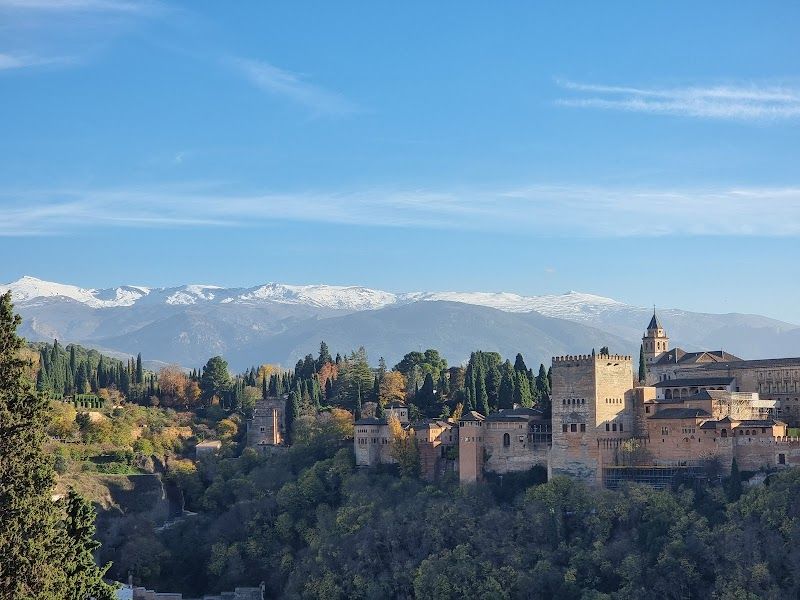
When travelers debate Granada vs Barcelona, they're comparing two fundamentally different Spanish experiences. Granada wraps you in intimate Moorish history where the Alhambra sits above snow-capped mountains, while Barcelona spreads Catalan modernism across a Mediterranean coastline. Both cities deliver authentic Spanish culture, but they couldn't be more different in scale, atmosphere, and what they offer visitors.
After spending weeks in both cities, the choice comes down to what moves you more: standing in the most intricate Islamic palace in Europe, or walking through Gaudi's architectural playground. Granada rewards travelers seeking depth and historical immersion. Barcelona satisfies those wanting variety, museums, and urban sophistication.
Size and Atmosphere: Intimate vs Cosmopolitan
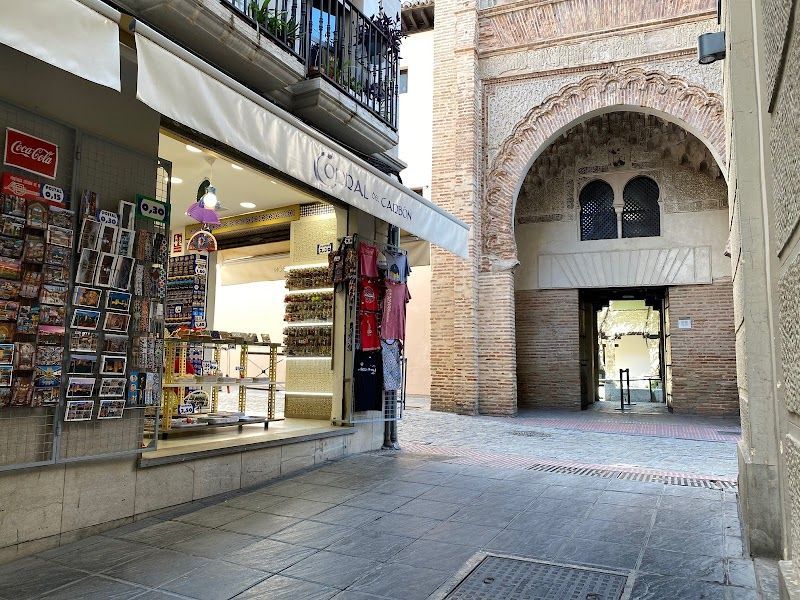
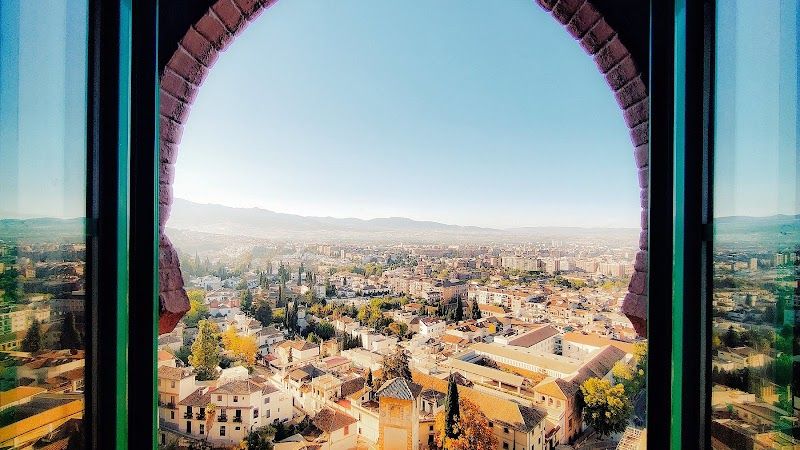
Granada feels like a town that history built around the Alhambra. With 230,000 residents, it's Spain's 13th largest city, but the historic center clusters around the cathedral and university in a walkable area you can cross in 20 minutes. The Albaicin neighborhood cascades down a hillside in white-washed houses and narrow cobblestone streets that haven't changed since the 15th century.
Barcelona sprawls across 100 square kilometers with 1.6 million residents, making it Spain's second-largest city. The Eixample district alone contains more modernist architecture than most European capitals. You'll spend your days on metro lines connecting Gothic quarters to beach neighborhoods to hilltop parks.
The atmosphere difference hits you immediately. Granada moves at university town pace where conversations happen over free tapas that arrive with every drink. Barcelona pulses with international energy - museums, galleries, restaurants, and nightlife that operates on a global scale.
For travelers seeking authentic Spanish culture without tourist crowds, Granada wins. You'll hear Spanish (and some Arabic) on every corner. For those wanting a cosmopolitan city that happens to be Spanish, Barcelona delivers.
Architecture and Historic Sites Comparison
Granada's Moorish Masterpiece
The Alhambra palace complex stands as Europe's finest example of Islamic architecture. The EUR 19.09 general admission (book 2-3 months ahead) includes the Nasrid Palaces with geometric patterns carved so intricately they seem impossible, the Generalife gardens designed around the sound of running water, and the Alcazaba fortress with views across the Sierra Nevada.
Beyond the Alhambra, Granada's historic sites concentrate within walking distance. The Granada Cathedral and Royal Chapel costs EUR 7 combined entry and houses the tombs of Catholic Monarchs Ferdinand and Isabella. The Albaicin neighborhood walk takes you through a UNESCO World Heritage site of Moorish houses, tea shops, and the famous Mirador de San Nicolás viewpoint for sunset Alhambra views.
Barcelona's Architectural Diversity
Barcelona showcases 2,000 years of architecture from Roman walls to Gaudi's unfinished Sagrada Familia. Park Güell, Casa Batlló, and La Pedrera represent modernist innovation that influenced global architecture. The Gothic Quarter preserves medieval streets and the 14th-century cathedral, while the Born district contains the Santa Maria del Mar basilica and Picasso Museum.
Barcelona's architectural scope requires more time and money to appreciate fully. Major sites charge EUR 15-30 each, and you'll need 3-4 days minimum to see the highlights without rushing.
Verdict: Granada offers deeper immersion in one architectural period (Islamic Spain), while Barcelona provides broader exposure to multiple periods and styles.
Food Culture: Free Tapas vs Culinary Innovation
Granada's Last Stand for Traditional Tapas
Granada remains the last major Spanish city where tapas arrive free with every drink order. Order a EUR 2-3.5 beer at Bar Los Diamantes or Bodegas Castañeda and receive a small plate of jamón, cheese, fried fish, or regional specialties. The free tapas bar hopping experience lets you eat a full meal while pub crawling through the city center.
A typical Granada evening involves ordering drinks at 4-5 different bars, accumulating enough free tapas for dinner while spending EUR 15-20 total. The tradition creates a social dining culture where locals gather in small groups, moving between establishments throughout the evening.
Barcelona's Restaurant Scene
Barcelona operates on standard Spanish restaurant pricing where tapas cost EUR 4-12 per plate. The city compensates with variety: Catalan specialties like pa amb tomàquet (bread with tomato), international cuisines from the Port Olímpic area, and Michelin-starred restaurants that have made Barcelona a global food destination.
Mid-range dinners cost EUR 25-40 per person compared to Granada's EUR 15-20 tapas crawls. However, Barcelona's restaurant quality and diversity surpass Granada's offerings outside the traditional tapas scene.
Verdict: Granada wins for budget travelers and those seeking authentic Spanish food culture. Barcelona wins for foodies wanting variety and high-end dining.
Budget Comparison: Mountain Town vs Major City
Daily Costs Breakdown
| Expense Category | Granada | Barcelona |
|---|---|---|
| Budget hotel double room | EUR 45-80 | EUR 60-120 |
| Mid-range hotel double room | EUR 85-150 | EUR 120-200 |
| Meals per day (budget) | EUR 20-30 | EUR 35-50 |
| Local transportation | EUR 1.4 bus ticket | EUR 2.40 metro single |
| Major attraction | EUR 19.09 Alhambra | EUR 26 Sagrada Familia |
| Coffee | EUR 1.2-2.5 | EUR 2-4 |
| Beer with tapa | EUR 2-3.5 | EUR 4-7 |
Total daily budget: Granada EUR 70-120, Barcelona EUR 90-180
Granada's free tapas culture significantly reduces food costs, while accommodation rates remain lower due to less international tourism pressure. Barcelona's higher costs reflect its status as a major European destination with corresponding service standards.
Transportation and Getting Around
Granada's Walkable Scale
Granada's historic attractions cluster within a 2-kilometer radius. You'll walk from the cathedral to the Alhambra base in 15 minutes, though the uphill climb to the palace gates takes another 20 minutes. The EUR 1.4 city bus connects neighborhoods, while the EUR 8 tourist train covers main sights for those avoiding hills.
Parking costs EUR 1.5-2.2 per hour in blue zones, but most visitors find cars unnecessary and problematic in narrow Albaicin streets.
Barcelona's Metro Network
Barcelona requires public transport to see major attractions efficiently. The metro system covers 166 stations across 8 lines, with single tickets costing EUR 2.40. A T-Casual card (EUR 11.35 for 10 trips) makes economic sense for stays over 2 days.
Walking between neighborhoods like Gothic Quarter to Park Güell takes 45 minutes, making the metro essential rather than optional.
Verdict: Granada favors travelers who enjoy walking and exploring on foot. Barcelona suits those comfortable with urban public transportation.
Cultural Experiences: Flamenco Caves vs Modernist Museums
Granada's Authentic Cultural Scene
Granada's cultural offerings center on its Islamic-Christian heritage. Sacromonte cave flamenco shows cost EUR 25-45 and take place in actual Roma caves carved into the hillside. These performances feel more authentic than Barcelona's tourist-focused flamenco venues.
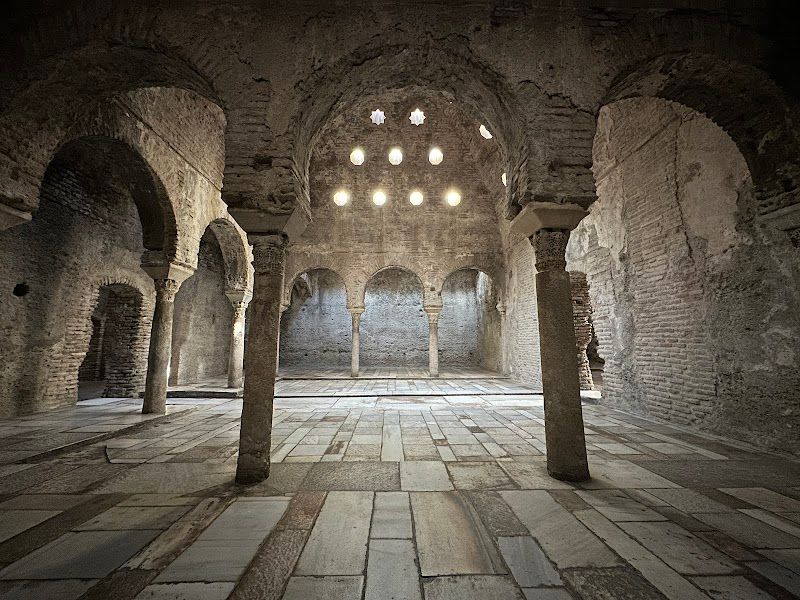
The Bañuelo Arab baths (EUR 5 entry) preserve 11th-century Islamic architecture, while modern Hammam Al-Ándalus offers EUR 35-95 spa experiences recreating Moorish bathing traditions.
Barcelona's Museum Culture
Barcelona houses museums including the Picasso Museum, Joan Miró Foundation, and National Museum of Catalan Art. The city's cultural calendar includes international festivals, contemporary art galleries, and architectural tours that attract global audiences.
Museum entries range EUR 12-20 each, making Barcelona more expensive but offering broader cultural exposure.
Verdict: Granada provides deeper immersion in Spanish-Islamic culture. Barcelona offers wider cultural variety and international perspectives.
Climate and Seasonal Considerations
Granada sits at 738 meters elevation with continental climate influenced by the nearby Sierra Nevada. Summers reach 35°C but cool to comfortable evenings. Winters drop to near-freezing with occasional snow, creating dramatic contrasts when the Alhambra appears against white mountain peaks.
Barcelona enjoys Mediterranean climate with mild winters (10-15°C) and hot summers (25-30°C) moderated by sea breezes. The city functions year-round as a destination, while Granada experiences distinct seasonal variations that affect the travel experience.
Spring and fall favor both cities, but Barcelona's coastal location provides more consistent weather for year-round visits.
When to Choose Granada Over Barcelona
Choose Granada when you want to:
- Experience the most impressive Islamic architecture in Europe
- Enjoy free tapas culture and budget-friendly dining
- Walk through UNESCO World Heritage neighborhoods
- See dramatic mountain and palace landscapes
- Avoid massive tourist crowds while still accessing major attractions
- Focus deeply on one historical period rather than sampling multiple eras
Granada works best for travelers seeking authentic Spanish culture, architectural immersion, and budget-conscious experiences. The city rewards those who appreciate history, enjoy intimate scales, and prefer quality over quantity in attractions.
When Barcelona Makes More Sense
Choose Barcelona when you want to:
- See diverse architectural periods from Roman to modernist
- Access museums and cultural institutions
- Experience cosmopolitan Spanish city life
- Enjoy varied dining options beyond traditional Spanish cuisine
- Combine urban exploration with beach access
- Take advantage of better international flight connections
Barcelona suits travelers wanting variety, sophistication, and urban amenities within a Spanish context. The city works for those comfortable with higher costs in exchange for broader experiences.
The Bottom Line: Two Different Spanish Experiences
The Granada vs Barcelona debate isn't about which city is better, but which matches your travel priorities. Granada delivers intimate encounters with Spanish history, where you'll stand in the Nasrid Palaces wondering how humans created such intricate beauty 700 years ago. Barcelona provides urban sophistication where Gaudi's architecture competes with Roman ruins and contemporary art galleries.
For first-time Spain visitors, Granada offers deeper cultural immersion and more distinctly Spanish experiences. Barcelona feels more international, which can be positive or negative depending on your goals.
Budget travelers will stretch money further in Granada thanks to free tapas culture and lower accommodation costs. Art and architecture enthusiasts face a harder choice: Granada's focused excellence versus Barcelona's diverse offerings.
If you're planning a longer Spanish trip, include both cities to experience Spain's regional diversity. If choosing just one, let your interests decide: Granada for those seeking intimate historical immersion, Barcelona for those wanting cosmopolitan variety.
Start planning your Granada adventure with our complete first-time visitor's guide or explore the city's neighborhoods beginning with the historic Albaicin district. Whatever you choose, both cities will leave you planning your return to Spain before you've even left.