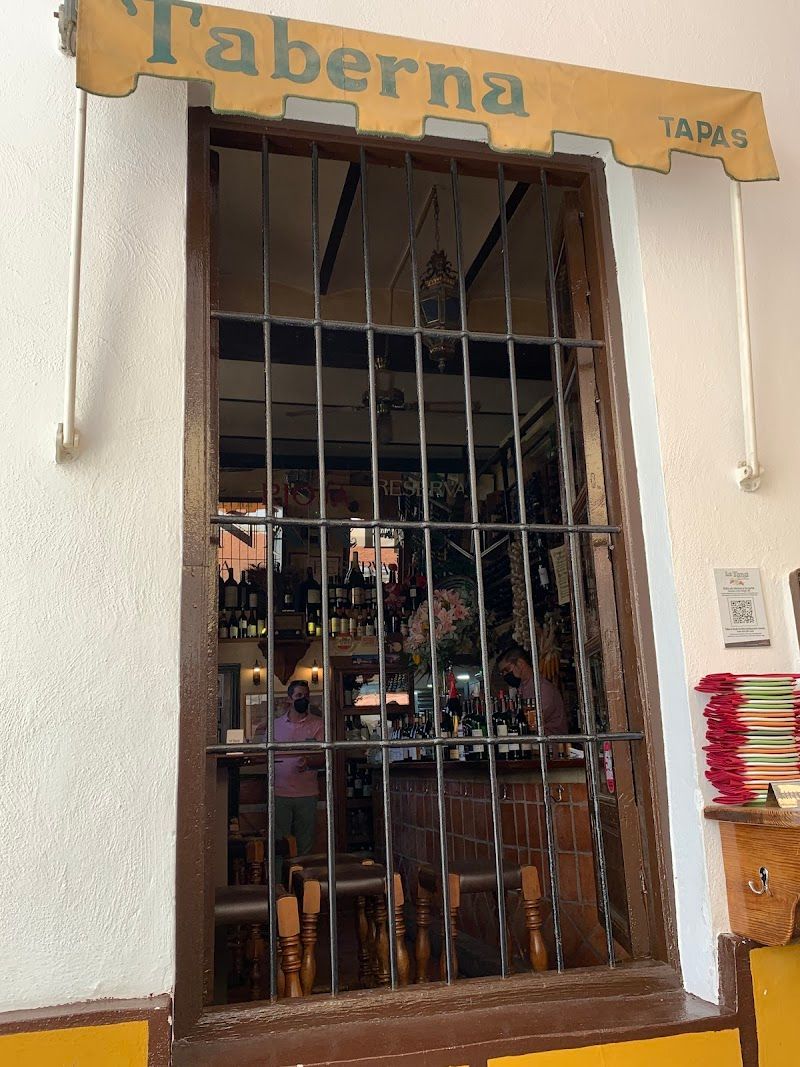
Granada stands alone as Spain's final bastion of genuinely free tapas culture. While other Andalusian cities charge separately for drinks and food, Granada's bars still honor the old tradition: order a beer (EUR 2-3.5) or wine (EUR 2.5-4), and a small plate arrives without asking. This creates a fascinating question for visitors planning a Granada tapas tour - should you explore independently or book a guided experience?
The answer isn't straightforward. Free tapas culture means you can bar hop effectively on your own, but guided tours offer context, hidden spots, and guaranteed quality that solo explorers often miss. After testing both approaches across Granada's neighborhoods, here's what actually works.
Understanding Granada's Free Tapas Scene
Granada's tapas tradition differs fundamentally from the rest of Spain. In Barcelona or Madrid, tapas are expensive small plates ordered separately. In Seville, some bars offer token olives with drinks. Granada provides proper food - from fried fish to mini paellas - automatically included with each drink.
The system works like this: You order a beverage and receive a complimentary tapa chosen by the kitchen. The first drink usually brings something simple like olives or cheese. Order a second round at the same bar, and the tapa upgrades - perhaps jamón ibérico or a small portion of stew. By the third drink, you might receive a mini plate of paella or grilled meat.
This progression means staying at one bar for multiple rounds yields better food than constantly moving. Smart locals settle into 2-3 establishments per evening rather than racing between 8-10 spots. The best Granada tapas tour strategy, whether independent or guided, involves depth over breadth.
Where Free Tapas Culture Thrives
Not every Granada bar participates equally in free tapas culture. Tourist-heavy areas around Granada Cathedral often charge separately for food. The neighborhoods where tradition remains strongest include:
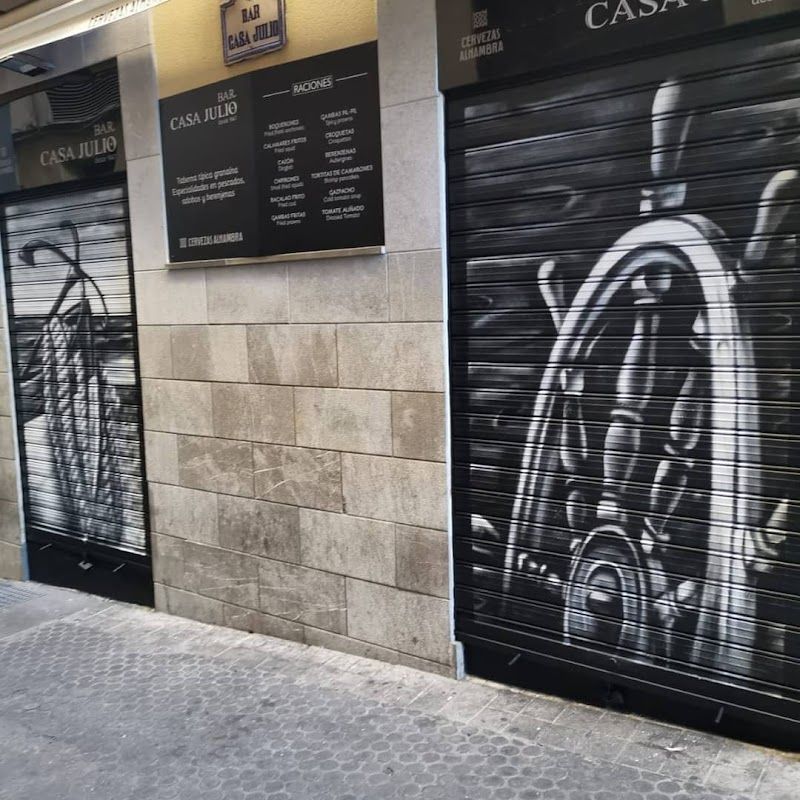
Centro & Realejo holds the highest concentration of authentic tapas bars. Streets like Calle Navas and Plaza del Carmen maintain the old customs religiously. Bar Casa Julio exemplifies this tradition - their EUR 2.5 beer comes with increasingly elaborate tapas as you stay longer.
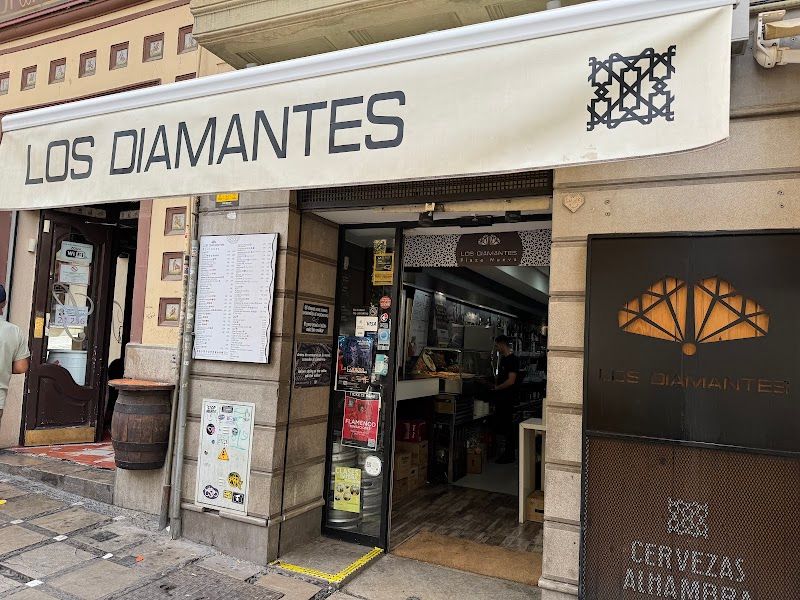
Albaicin offers fewer bars but higher quality. The narrow streets climbing toward Mirador de San Nicolás hide family establishments serving exceptional food. Bar Los Diamantes in this neighborhood is famous for seafood tapas that rival full restaurant meals.
Sacromonte provides the most atmospheric setting, though options are limited. The cave bars serve decent tapas with unbeatable ambiance, especially when combined with flamenco performances.
Free Tapas Bar Hopping: The DIY Approach
Creating your own Granada tapas tour costs significantly less than organized alternatives while offering complete flexibility. A typical self-guided evening involves 3-4 bars, 6-8 drinks, and enough food to constitute dinner for around EUR 20-25 total.
Planning Your Independent Route
The most effective free tapas bar hopping in Granada follows geographic logic rather than attempting to cover the entire city. Choose one neighborhood and explore thoroughly.
Centro Route (3-4 hours): Start at Bodegas Castañeda on Calle Almireceros for traditional atmosphere and excellent wine selection. Their EUR 3 Rioja comes with jamón or chorizo tapas that set a high standard. Move to La Tana on Placeta del Agua for natural wines and creative tapas combinations. Finish at Bar Los Manueles on Zacatín, where the third-round tapas include substantial meat dishes.
Albaicin Route (2-3 hours): Begin with drinks and views at a bar near the neighborhood's historic streets, then work downhill toward the river. The terrain makes this more challenging but rewarding for the atmosphere.
Mixed Route (4-5 hours): Combine neighborhoods by starting in Centro, moving to Realejo, and ending near the Alhambra hill base. This covers more ground but requires strategic planning to avoid excessive walking between drinks.
Advantages of Independent Exploration
Cost effectiveness represents the primary benefit. Your only expenses are drinks, which would cost the same whether consumed independently or as part of a tour. A thorough evening including transport costs around EUR 25-30 per person.
Flexibility allows you to spend extra time at bars you enjoy or skip establishments that don't appeal. Groups can split up, rejoin, or change plans without affecting others.
Authenticity increases when you're not part of an obvious tourist group. Bartenders interact more naturally, and you experience the actual social rhythm of Granada's evening culture.
Pacing control lets you drink and eat at comfortable speeds. Tours often rush between stops, while independent exploration accommodates different alcohol tolerances and eating preferences.
Challenges of DIY Tapas Tours
Language barriers can complicate ordering and understanding tapas offerings. While pointing at drinks works universally, asking about ingredients or specialties requires basic Spanish.
Quality varies significantly between establishments. Tourist traps serve minimal tapas with expensive drinks, while authentic bars might intimidate newcomers with local crowds and Spanish-only menus.
Context missing means you'll taste food without understanding regional ingredients, preparation methods, or cultural significance. The experience remains surface-level compared to guided alternatives.
Navigation difficulties emerge in neighborhoods like the Albaicin, where narrow streets and similar-looking bars create confusion. Getting lost while intoxicated adds unnecessary stress.
Guided Granada Food Tours: Professional Curation
Organized Granada culinary tours provide structured experiences with expert commentary, guaranteed quality, and cultural context. Prices range from EUR 35-85 per person depending on duration, inclusions, and group size.
Types of Guided Tapas Experiences
Traditional tapas walking tours (EUR 35-50) visit 4-5 bars over 3 hours, including drinks and tapas at each stop. Groups typically include 8-12 people with English-speaking guides who explain food traditions and neighborhood history.
Premium food tours (EUR 60-85) feature smaller groups (4-8 people), higher-quality establishments, and additional inclusions like flamenco performances or cooking demonstrations. Some include transportation between distant neighborhoods.
Private tapas tours (EUR 200-400 for groups up to 6) offer complete customization, exclusive venue access, and personal guide attention. These work well for special occasions or travelers with specific dietary requirements.
Combination tours (EUR 45-70) pair tapas crawls with other activities like Alhambra visits or Albaicin walks. Time efficiency appeals to short-stay visitors.
What Guided Tours Deliver
Curated venue selection eliminates guesswork by visiting establishments known for exceptional food and authentic atmosphere. Tour operators maintain relationships with quality bars that guarantee good experiences.
Cultural education provides context for what you're eating and drinking. Guides explain the history of free tapas culture, regional specialties, and proper etiquette for Spanish bar culture.
Language assistance removes barriers by handling all ordering and communication. Guides can also explain dietary restrictions or preferences to bartenders.
Social interaction with other travelers creates shared experiences and potential friendships. Many participants exchange contact information and continue exploring together.
Safety and logistics reduce concerns about navigation, excessive drinking, or finding transportation back to accommodations. Guides monitor group dynamics and provide assistance when needed.
Limitations of Organized Tours
Higher costs multiply expenses significantly. A EUR 50 tour covers food and drinks you could obtain independently for EUR 20-25, plus the guide fee.
Fixed itineraries prevent spontaneous decisions or spending extra time at particularly enjoyable venues. Groups must move according to predetermined schedules regardless of individual preferences.
Tourist atmosphere diminishes authenticity when large groups obviously identify as visitors. Local bar culture changes when tour groups arrive regularly.
Limited customization means vegetarians, people with allergies, or those preferring specific types of alcohol may find options restricted to tour operator partnerships.
Neighborhood-Specific Recommendations
Centro & Realejo: Maximum Variety
Centro Granada offers the highest concentration of quality tapas bars within walking distance. This makes it ideal for both independent exploration and guided tours.
For independent tours: Start early evening (7:00 PM) at Plaza Nueva and work toward Calle Navas. The progression from Cafetería Alhambra to traditional taverns like Bodegas Castañeda provides excellent variety. Budget EUR 25-30 for a complete evening including multiple neighborhoods.
For guided tours: Most companies focus heavily on Centro because venues accommodate groups easily and offer diverse food styles. Premium tours distinguish themselves by including lesser-known establishments in Realejo's quieter streets.
Best hybrid approach: Book a guided tour for your first evening to learn the system, then return independently to favorite discoveries. This combines education with cost-effective follow-up visits.
Albaicin: Atmosphere Over Quantity
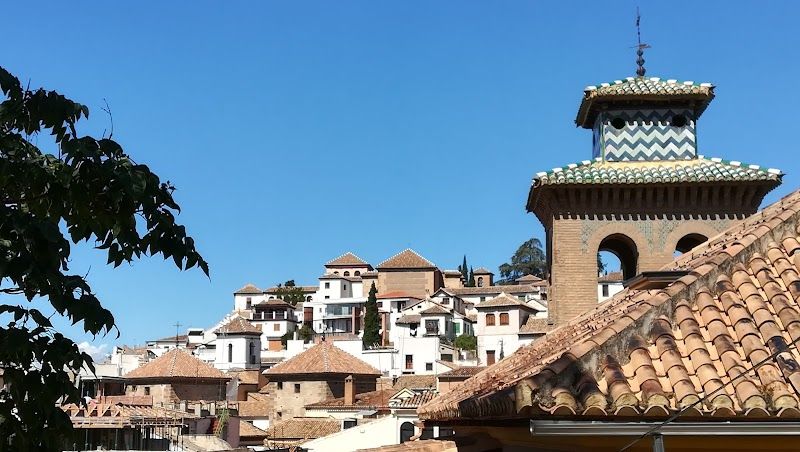
The historic Moorish quarter provides unmatched ambiance but fewer dining options. Steep cobblestone streets and tourist crowds can complicate both independent and guided approaches.
Independent challenges: Navigation difficulties increase after dark, especially when alcohol is involved. Limited bar density means longer walks between stops, and some establishments cater primarily to Spanish-speaking locals.
Tour advantages: Guides know which Albaicin bars welcome groups and can navigate efficiently between them. Cultural commentary about Islamic architecture and Moorish history adds significant value to the neighborhood experience.
Recommended approach: Join a guided evening that includes Albaicin alongside other neighborhoods, then return independently during daylight hours to explore at leisure.
Sacromonte: Unique Setting
The cave neighborhood offers distinctive experiences but limited tapas options. Most visitors combine food with flamenco shows rather than focusing purely on eating.
Best for tours: Organized experiences handle logistics of combining dinner, drinks, and entertainment in venues that require advance booking. Independent visitors often struggle to coordinate multiple components effectively.
Cost Comparison Analysis
| Approach | Duration | Venues | Cost Range | Includes | Best For |
|---|---|---|---|---|---|
| Independent | 3-4 hours | 3-4 bars | EUR 20-30 | Drinks + tapas | Budget travelers, repeat visitors |
| Standard tour | 3 hours | 4-5 bars | EUR 35-50 | Guide, drinks, tapas | First-time visitors, groups |
| Premium tour | 3-4 hours | 4-5 bars | EUR 60-85 | Small groups, quality venues | Food enthusiasts, special occasions |
| Private tour | 2-4 hours | Customized | EUR 200-400 | Exclusive guide, custom route | Luxury travelers, dietary restrictions |
Hidden Costs to Consider
Independent touring requires transportation between neighborhoods (EUR 1.4 per bus ride or EUR 25-35 for taxis), plus potential costs for getting lost or ending up in expensive tourist traps.
Guided tours typically include all advertised components but may pressure participants for tips (EUR 5-10 per person is standard). Some tours exclude certain drinks or charge extra for premium alcohol.
Time investment differs significantly. Independent touring can extend indefinitely based on enjoyment level, while guided experiences end at predetermined times regardless of group satisfaction.
Making the Right Choice
Choose independent exploration if: You speak basic Spanish, enjoy spontaneous experiences, want to save money, or plan multiple evenings in Granada. The city's free tapas culture makes solo exploration particularly rewarding.
Book a guided tour if: This is your only evening for tapas, you want cultural context, you're traveling alone and seeking social interaction, or you have dietary restrictions requiring communication assistance.
Consider a hybrid approach: Start with a guided experience to learn the system and identify favorite neighborhoods, then explore independently on subsequent evenings. This maximizes both education and value.
Timing Your Granada Tapas Tour
Best days: Thursday through Saturday offer the liveliest atmosphere with locals participating alongside visitors. Sunday and Monday see reduced hours and smaller crowds.
Optimal timing: Spanish dinner culture begins late, with peak tapas hours running 8:00-11:00 PM. Starting earlier (7:00 PM) provides better service and venue selection before crowds arrive.
Seasonal considerations: Summer brings outdoor seating and extended hours but also tourist crowds. Winter offers more intimate experiences with locals but requires indoor venues and earlier closing times.
Advanced Strategies
Experienced Granada visitors develop sophisticated approaches combining multiple strategies. The progressive evening starts with a guided tour for education and guaranteed quality, transitions to independent exploration of discovered favorites, and concludes at late-night establishments guides typically skip.
Multi-day programs allow different approaches each evening - perhaps Centro independently, Albaicin with a guide, and Sacromonte as part of a flamenco experience.
Group dynamics affect optimal choices significantly. Large friend groups benefit from guided tours that handle logistics, while couples or solo travelers often prefer independent flexibility.
The key insight about Granada tapas tours is that the city's unique free culture makes both approaches viable. Unlike destinations where independent exploration risks poor food or inflated prices, Granada's traditional system provides excellent value either way. Your choice should reflect personal preferences for structure, cost, and cultural context rather than concerns about quality or authenticity.
Whether you follow a guide through hidden Albaicin alleys or discover your own favorite corner bar in Centro, Granada's tapas scene rewards curiosity and appetite in equal measure. The last free tapas city in Spain offers experiences worth savoring slowly, regardless of how you choose to explore them.