Dubai's food scene operates on two levels: the everyday reality of shawarma stands and Pakistani canteens that feed the city's workers, and the spectacle of international food shows that turn the city into a global culinary stage. The dubai food show calendar runs year-round, with events ranging from massive trade exhibitions that draw 100,000 visitors to intimate chef dinners that seat 30.
The city's appetite for food events matches its appetite for everything else: excessive, international, and surprisingly well-executed. You can attend a spice festival in the morning, a molecular gastronomy workshop in the afternoon, and a traditional Emirati feast at sunset. The challenge is not finding food events in Dubai - it's choosing which ones deserve your time and money.
Major Dubai Food Shows and Trade Events
Gulfood Dubai: The Region's Largest Food Trade Show
Gulfood Dubai happens every February and it is genuinely massive. The 2026 edition runs February 17-21 at the Dubai World Trade Centre in Downtown Dubai, and if you work in the food industry anywhere between Morocco and Malaysia, you probably know about it already.
The trade show fills eight exhibition halls with 5,000 exhibitors from 120 countries. This is not a consumer event - it's where restaurants find suppliers, where food distributors make deals, and where you can taste olive oils that cost more per bottle than most people spend on groceries in a month.
Entry costs AED 100 for trade visitors with credentials, free for registered buyers and industry professionals. The general public can attend on the final day for AED 50, but honestly, unless you're fascinated by industrial food packaging or bulk spice distribution, your time is better spent elsewhere.
The most interesting part for non-industry visitors is the Innovation Zone, where food technology companies demonstrate equipment that can 3D-print chocolate sculptures or turn insects into protein powder. The tasting opportunities are extensive but aimed at buyers purchasing in container loads, not individuals looking for dinner ideas.
Dubai Food Festival: The City's Culinary Celebration
The Dubai Food Festival runs through March and early April, transforming the entire city into a food playground. This is the event that matters most for travelers interested in Dubai's restaurant scene. The 2026 festival runs March 1-April 15, with events scheduled across all neighborhoods.
Unlike Gulfood's trade focus, Dubai Food Festival targets food lovers and tourists. The festival includes restaurant weeks with special menus, street food markets, cooking classes with celebrity chefs, and food truck gatherings. Restaurant week participants offer three-course menus starting at AED 99 for lunch and AED 199 for dinner, making it the best time to try expensive restaurants at reasonable prices.
The festival's Beach Canteen at Kite Beach draws the largest crowds, with food trucks from across the UAE serving everything from Korean BBQ tacos to traditional Emirati luqaimat. Entry is free, food costs AED 15-45 per item. The quality varies wildly - the Indian street food truck run by the team from Tresind is excellent, while the "authentic Italian" truck serves microwaved pasta that tastes like airplane food.
Best festival events for visitors:
- s tours: AED 150 per person, includes guided tastings at five local restaurants
- Masterclasses with visiting chefs: AED 200-400 per session
- Farmers Market at Zabeel Park: Free entry, runs weekends during festival
Seasonal Food Events Calendar
Spring Food Events (March-May)
Spring offers the best weather for outdoor food events and the most diverse programming. The Dubai Food Festival dominates March, but smaller events fill April and May.
The Taste of Dubai typically happens in early April at Dubai Media City. This is a consumer food festival where Dubai's top restaurants set up booths and sell smaller portions of their signature dishes. Entry costs AED 45, food purchases require tokens at AED 4-12 each. Most dishes cost 2-4 tokens, making it an expensive way to sample multiple restaurants but a convenient way to compare the city's fine dining scene in one afternoon.
Ramadan food events vary by lunar calendar but often fall in spring. The Ramadan Night Market at Global Village offers the city's best iftar street food selection. Global Village entry costs AED 25, and the food courts serve dishes from 78 countries at prices that would make Dubai Marina restaurant owners weep: samosas for AED 3, biryani plates for AED 15, fresh mango juice for AED 8.
Summer Food Events (June-August)
Summer food events move indoors or happen very late at night. The heat makes outdoor dining unbearable, but it's also when many restaurants offer their best deals to attract customers during the slow season.
Dubai Summer Surprises includes food-focused programming at air-conditioned venues like Dubai Mall and Mall of the Emirates. The mall food courts expand their offerings, and participating restaurants offer summer menus with appetizer, main, and dessert combinations starting at AED 69.
The Dubai Restaurant Week summer edition usually runs in July, with even better deals than the spring version since restaurants need to fill tables during the brutally hot months. Three-course dinners drop to AED 149-199 at restaurants that normally charge AED 300+ for the same meal.
Winter Food Events (December-February)
Winter brings outdoor food markets and the return of events that were impossible during summer. The weather is food truck gatherings, beachside dining, and rooftop food festivals.
The Dubai Shopping Festival food programming runs January through February, coinciding with Gulfood. While DSF focuses primarily on retail, food events include cooking demonstrations at major malls, specialty food vendor booths, and restaurant promotions tied to shopping receipts.
La Mer's food truck festival happens most weekends from December through March, with rotating vendors and live music. Entry is free, parking costs AED 20 for four hours. The food quality is higher than typical food truck events because La Mer charges vendors premium fees, which filters out the casual operators.
Neighborhood-Specific Culinary Events
Downtown Dubai Food Scene Events
Downtown Dubai hosts the most international food events, taking advantage of the tourist concentration around Burj Khalifa and Dubai Mall. The Dubai Mall food court regularly hosts pop-up events featuring visiting chefs and limited-time restaurant concepts.
The most interesting Downtown food event is the monthly Farmers Market at Burj Park, which runs October through April. Local farms sell produce, artisanal food producers offer samples, and food trucks serve breakfast items. Entry is free, most items cost AED 10-30. The quality is inconsistent - the organic farm stands are legitimate, but some "local" vendors clearly resell imported produce at markup prices.
Old Dubai Authentic Food Events
Bur Dubai and Deira host food events that actually connect to local culture rather than international trends. The Al Fahidi Historical Neighbourhood Heritage Food Festival happens twice yearly, featuring traditional Emirati cooking demonstrations and tastings.
The heritage festival entry costs AED 25, which includes samples of dishes like machboos (spiced rice with meat), luqaimat (sweet dumplings), and khanfaroosh (crispy pastries). The cooking demonstrations are genuinely educational - you learn that traditional Emirati cuisine relies heavily on dried lime, saffron, and cooking techniques adapted for desert conditions.
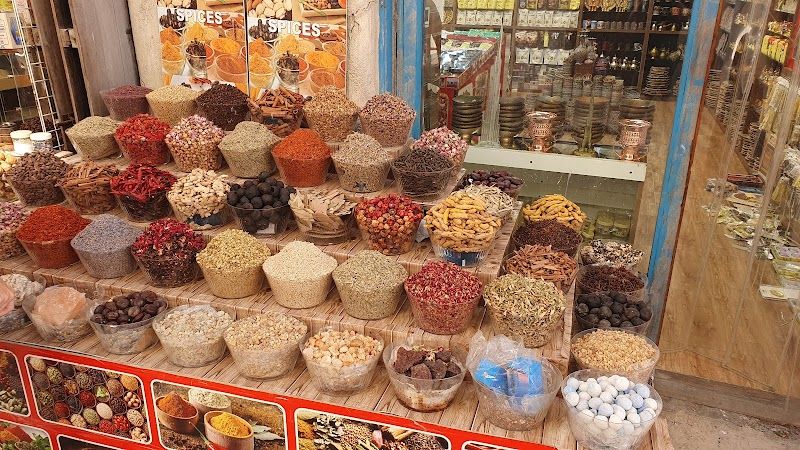
The Spice Souk hosts seasonal spice festivals where vendors offer tastings and cooking classes. Spice shopping is free to browse, but the cooking classes cost AED 120-180 per session and teach you to use ingredients you can actually buy from the same vendors.
Dubai Marina and Modern Food Events
Dubai Marina specializes in contemporary food events that showcase international trends. The Marina Walk food festivals happen monthly from October through April, featuring restaurants with outdoor seating and food trucks parked along the waterfront.
The Yacht Club food and wine events cost AED 300-500 per person but offer genuine luxury experiences: chef-prepared meals on private yachts, wine tastings featuring boutique producers, and sunset dining while cruising the coastline. These events sell out quickly and cater to Dubai's affluent resident community rather than tourists.
Practical Information for Food Event Visitors
Booking and Reservations
Major food events require advance booking, especially during peak tourist season (November-March). Dubai Food Festival restaurant week reservations open six weeks before the event and popular restaurants fill within days. The festival's official app handles most bookings, but some high-end restaurants use their own reservation systems.
Book restaurant week tables immediately when reservations open. The best deals - three-course meals at restaurants like Nobu or Zuma for under AED 200 - disappear first. Mid-tier options remain available longer, but even casual dining spots fill up during festival weeks.
Food truck events and market-style festivals don't require reservations, but arrive early for the best selection. Beach Canteen vendors often sell out of popular items by 8 PM, and the good food trucks stop serving when they run out of ingredients rather than buying more at market prices.
Transportation to Food Events
Dubai's food events spread across the city, and public transportation reaches most major venues. The Dubai Metro serves Dubai World Trade Centre (for Gulfood), Dubai Mall (for numerous food events), and Dubai Marina (for waterfront food festivals). Metro single journeys cost AED 4-8 depending on distance, and a daily pass costs AED 20.
Taxis work well for food events in areas without metro access, like La Mer or specific hotel venues. Taxi fares from Dubai Marina to Downtown Dubai typically cost AED 35-50, depending on traffic and time of day. Food events often cause traffic congestion, so allow extra travel time, especially on weekends.
For food truck festivals and market events, paid parking is usually available but fills up quickly. Parking at popular venues like La Mer or Kite Beach costs AED 20-30 for four hours. Some events offer shuttle services from metro stations or major hotels - check event websites for details.
What to Expect at Different Types of Events
Trade shows like Gulfood are business environments with dress codes (business casual minimum), early start times (8 AM), and extensive walking. Bring comfortable shoes and dress professionally if you want to be taken seriously by exhibitors. The free samples are extensive, but remember you're tasting products designed for bulk purchase, not individual consumption.
Consumer festivals like Dubai Food Festival are more relaxed but can be extremely crowded. Weekend events at popular venues often have 30-minute waits for food trucks and difficulty finding seating. Weekday events offer better experiences with shorter lines and more interaction with chefs and vendors.
High-end food events at hotels or private venues maintain dress codes and require reservations. These events often include alcohol service, which is restricted at public festivals. The price difference reflects not just food quality but also venue costs, service levels, and alcohol availability.
Food Event Budget Planning
Budget-Friendly Food Event Options
Free food events exist but require research to find. Heritage festivals at cultural sites like Al Fahidi Historical Neighbourhood offer educational value plus affordable tastings. Market-style events at Global Village provide international food variety at local prices.
Daily food event budget for budget-conscious travelers: AED 100-150 covers entry fees, transportation, and food at most public festivals. This budget works for events like farmers markets, food truck gatherings, and cultural food festivals but not restaurant weeks or private dining events.
Mid-Range Food Event Experiences
Restaurant week participation offers the best value for experiencing Dubai's fine dining scene. A AED 199 three-course dinner at restaurants that normally charge AED 400+ represents genuine savings, especially when wine pairings are included for an additional AED 99-149.
Cooking classes and food tours provide educational experiences beyond just eating. Half-day food tours cost AED 150-250 per person and typically include transportation, guided tastings at 4-5 venues, and cultural context about Dubai's food scene that you won't get dining independently.
Luxury Food Event Experiences
High-end food events cost AED 500-1500 per person and offer experiences unavailable elsewhere: private chef dinners, yacht-based food and wine events, and exclusive tastings of rare ingredients. These events cater to Dubai's wealthy resident community and affluent tourists.
The value depends on your priorities. A AED 800 dinner on a private yacht includes food, wine, entertainment, and a unique Dubai experience. The same money spent at individual restaurants would buy several excellent meals but no unique memories.
Making the Most of Dubai Food Events
Dubai's food event calendar reflects the city's broader character: international, ambitious, and occasionally excessive. The best events combine genuine culinary education with entertainment, while the worst are expensive marketing exercises disguised as cultural experiences.
Focus on events that showcase local culture or provide access to restaurants you couldn't otherwise afford. Skip events that are primarily marketing opportunities for shopping malls or hotel restaurants you can visit anytime.
The city's food events work best when combined with broader exploration of Dubai's neighborhoods and attractions. Plan food events around sightseeing rather than making them the entire purpose of your visit. A morning at Dubai Museum followed by lunch at a heritage food festival creates better travel memories than attending every available food event.
For travelers serious about understanding Dubai's food culture, read our comprehensive guide to where to eat in Dubai, which covers the everyday restaurants and local favorites that operate year-round, regardless of festival schedules.
Dubai food events succeed when they reveal aspects of the city you wouldn't discover independently. The best ones teach you about Emirati culture, introduce you to the expatriate communities that define modern Dubai, or provide access to experiences unavailable elsewhere. Choose events that align with these goals, and Dubai's food scene will reward your investment of time and money.