Dubai
The tallest, the biggest, the most air-conditioned, and underneath all of it, a creek-side trading city that still sells spices by the kilo

About Dubai
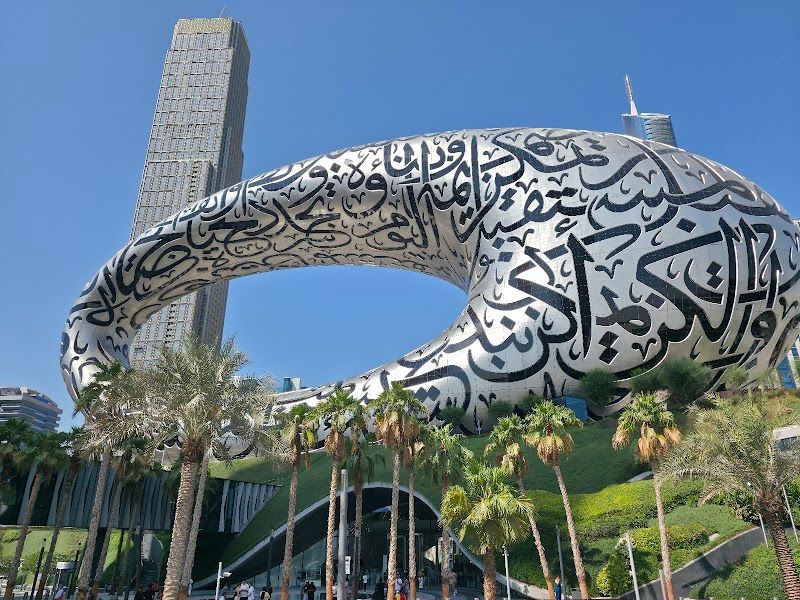
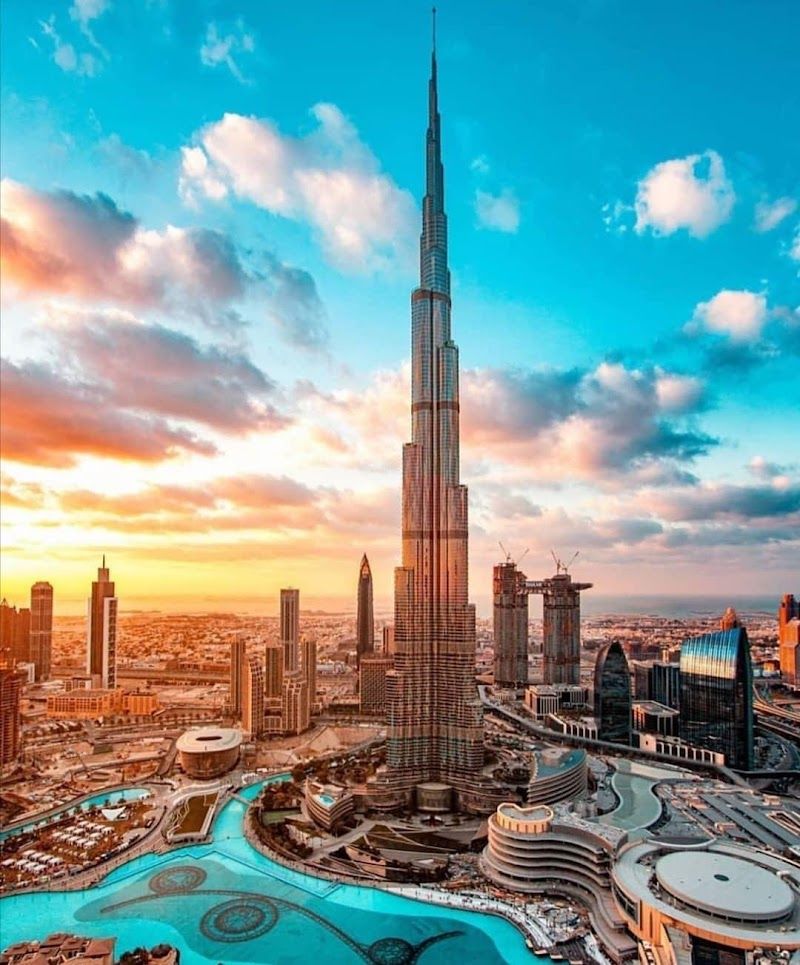
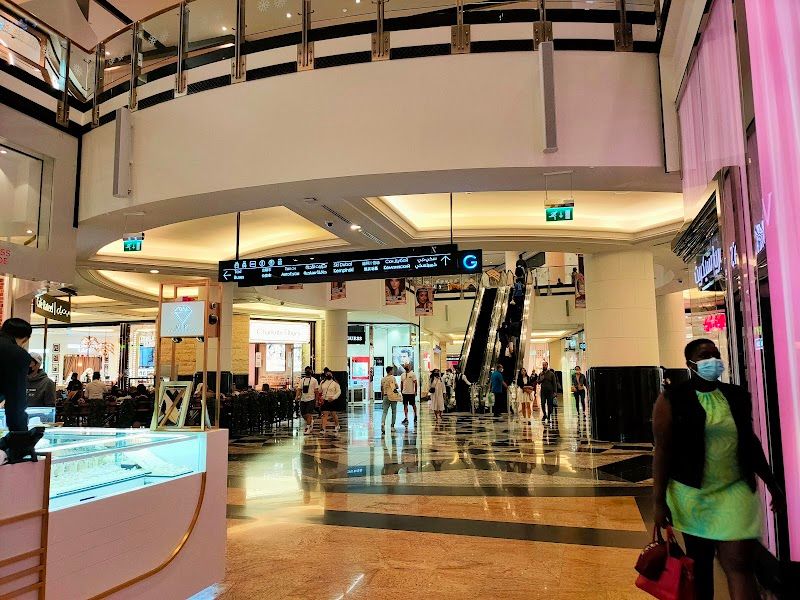
Dubai is what happens when a city has unlimited ambition, unlimited money, and about forty years of patience. The tallest building in the world is here. So is the largest mall, the longest automated metro, and a ski slope inside a shopping centre. It sounds like a parody of excess until you are standing on the 124th floor of the Burj Khalifa at sunset and the desert stretches orange in every direction and you think: okay, this is actually extraordinary.
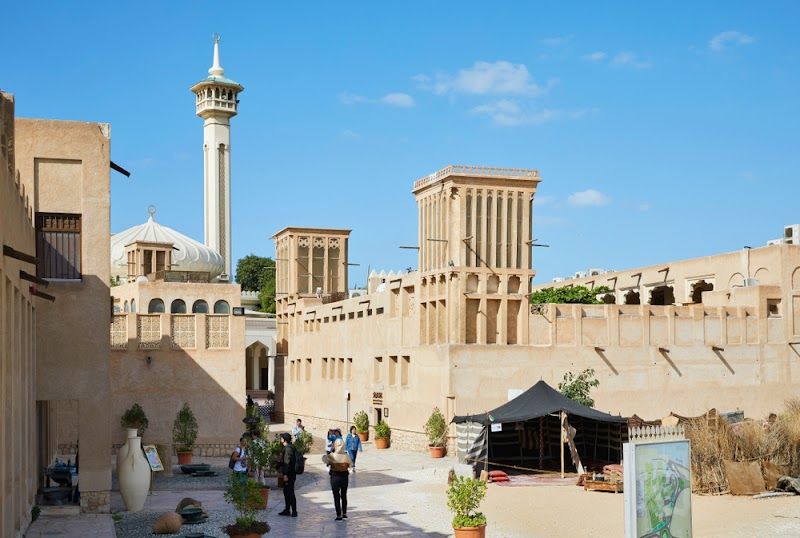
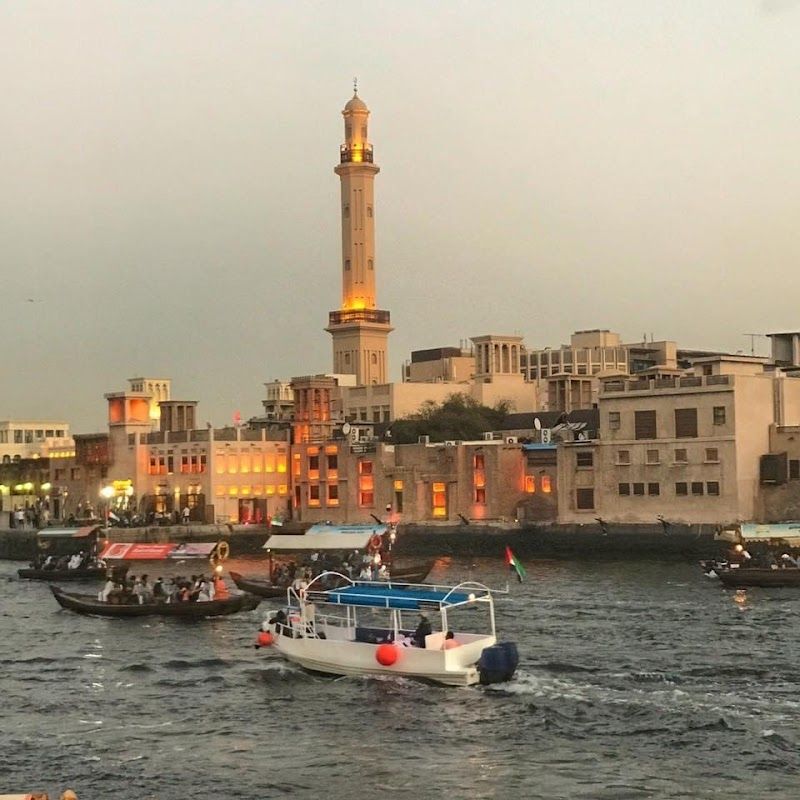
But the version of Dubai that gets all the headlines, the gold-plated everything, the supercars on every corner, is only one layer. Old Dubai exists and it is genuinely fascinating. The Creek divides the city in half, and the water taxis (abras) that cross it cost AED 1 (about $0.25) and have not changed in decades. The souks in Deira sell spices, gold, and perfume in alleyways that feel closer to Marrakech than to the Marina. Al Fahidi Historical Neighbourhood has wind-tower houses from the 1890s and galleries that show a Dubai most visitors never imagine existed.
The food scene is the real surprise. Dubai has become one of the best eating cities in the Middle East, and the range is staggering: Emirati cuisine at Al Fanar for AED 60, Pakistani biryani in Deira for AED 15, Japanese omakase in DIFC for AED 800, and everything in between. Friday brunch is a cultural institution here. Hotels serve all-you-can-eat-and-drink spreads for AED 200-500 that last four hours and are essentially Dubai's version of a long Sunday lunch. Everyone does it. Book ahead.
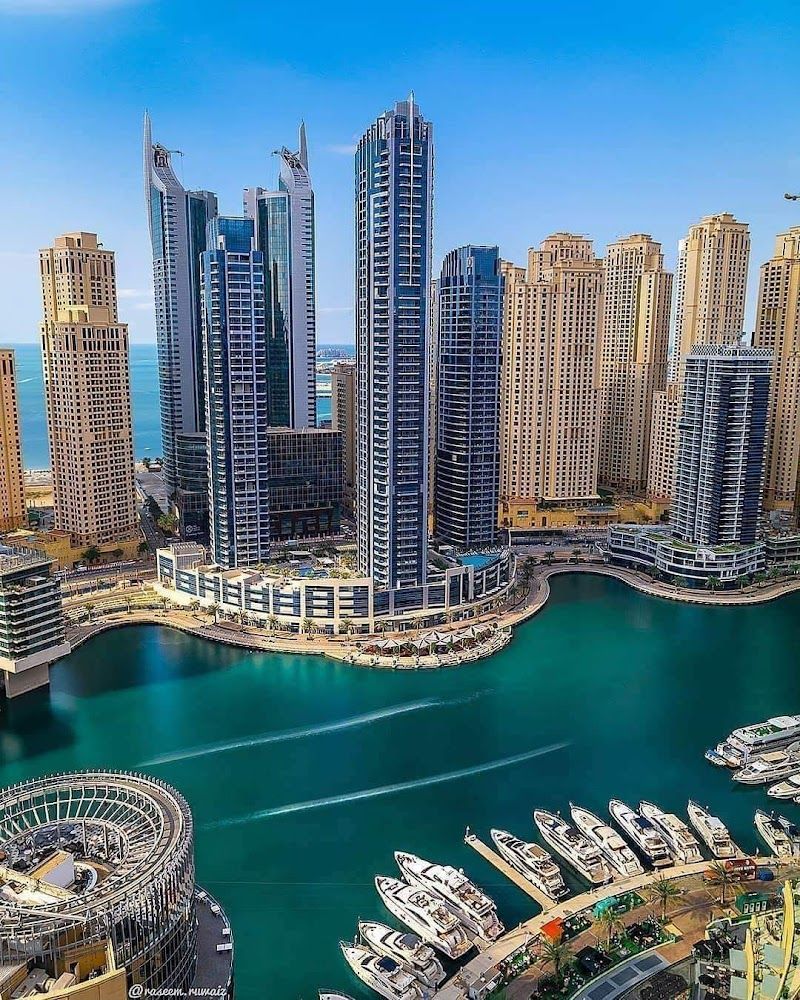
Here is what nobody tells you: Dubai is two cities. There is the tourist Dubai of the Marina, JBR beach, and the Dubai Mall, which is impressive but sanitised. And there is the everyday Dubai of Karama, Satwa, and Bur Dubai, where the city's massive South Asian and Filipino communities have built food scenes that rival anything in Mumbai or Manila. The second version is cheaper, more interesting, and five minutes away from the first.
Pick your base
Stay in Dubai
Real-time pricing across hotels, apartments, and ryokans. Book direct from the map.
Things to do in Dubai
Experiences worth booking ahead
Vetted tours and tickets we'd send a friend to. The ones worth reserving before you arrive.

Travel guides


From the blog
Practical bits, answered
November to March is the sweet spot (20-28C). June to September hits 40-50C and outdoor activities become theoretical. If you visit in summer, plan indoor activities during midday and save outdoor time for before 8 AM or after 6 PM.
Dubai is more relaxed than most people assume. Swimwear at the beach, casual clothes at malls, but cover shoulders and knees at mosques and government buildings. The Gold Souk and Old Dubai are more conservative. The Marina and Downtown are more liberal.
Alcohol is available at licensed hotel bars, restaurants, and clubs. Street-level restaurants in Old Dubai and food courts do not serve it. Regular supermarkets do not sell alcohol, but specialist retailers like MMI and African+Eastern operate licensed off-licence stores where residents and tourists can buy bottles directly. Tourists no longer need any licence to shop at these stores - simply bring your passport or ID and you can purchase without any prior application or registration. The 30% municipal tax on alcohol was removed in January 2023, so prices across licensed venues are lower than they used to be. That said, hotel bar pricing in Dubai tends toward the premium end, and costs have generally crept upward since 2023. Expect to pay at least AED 25-45 for a beer and AED 35-60 for a glass of wine at a hotel bar or licensed restaurant, with many venues now pricing above these ranges rather than within them - treat them as a starting point rather than a reliable average. Being drunk in public is illegal and consistently enforced, not just occasionally. The consequences include fines or detention, so the risk is real and worth taking seriously.
Cards accepted everywhere. AED (Dirham) is pegged to USD at 3.67. Tipping 10% at restaurants is standard, often already included as a service charge. Taxi drivers do not expect tips but rounding up is appreciated.
Buy a Nol card for the metro (single journeys start at AED 4 for short hops but rise to AED 8 for longer cross-city routes depending on zones, or AED 20 for a daily pass covering metro, bus, and tram). The metro connects to the Dubai Tram in the Marina area. In Old Dubai, traditional wooden abras cross Dubai Creek for AED 1 in cash - these boats are cash-only, so keep small change handy. The RTA also runs electric abras on the Creek at AED 2-3 per trip, which do accept the Nol card, but these are a different service from the classic wooden crossing. Taxis are metered with an AED 12 minimum flag-fall, though verify current rates with the RTA as fares are reviewed periodically. Both Uber and Careem operate in Dubai - Careem is now owned by Uber but runs as a separate app. Walking works within neighbourhoods but not between them. The city is car-dependent and spread out.
Dubai is one of the safest cities in the world for tourists. Violent crime is extremely rare and petty crime is low. The main safety concerns are the heat (carry water, wear sunscreen, avoid midday sun in summer) and road safety (driving standards can be aggressive). Use common sense and you will be fine.
During Ramadan (dates change yearly based on the Islamic calendar), eating, drinking, and smoking in public during daylight hours is prohibited. Restaurants either close during the day or screen off their dining areas. Evenings are magical with iftar meals. Visiting during Ramadan is perfectly fine, just be respectful of the fasting hours.
Four to five days is the sweet spot. You can see the headline attractions in three days, but four or five lets you explore Old Dubai properly, take a desert safari, and discover the food scene beyond the tourist restaurants. Less than three days and you will only scratch the surface.
Dubai is as expensive as you make it. A shawarma in Deira costs AED 10-20, a main course at a hotel restaurant costs AED 100-200 ($27-55). Budget travellers can manage on AED 200-300 per day. Mid-range is AED 500-800. The ceiling is infinite. Metro and taxis are cheap - single metro journeys cost AED 4 and airport taxis to downtown run AED 50-80. Accommodation ranges from AED 50-90 hostel dorms to AED 2,000+ luxury suites, with budget hotels starting around AED 120-200.
The weekend in Dubai is Saturday and Sunday, following a change the UAE made in January 2022. The official public sector work week is now Sunday through Thursday, replacing the previous Friday-Saturday weekend. Private sector schedules vary, but many companies follow the same Sunday-Thursday pattern or a hybrid arrangement. Friday remains the Islamic holy day, and the public sector typically works a shorter day on Fridays, but Friday is now a working day rather than a weekend day for most businesses and government entities. Tourist attractions are busiest on Friday evenings, Saturdays, and Sundays, as Friday afternoons through Sunday represent the closest equivalent to a Western-style weekend. Friday brunch remains a Dubai cultural institution and runs throughout the afternoon at hotel restaurants across the city. Malls and restaurants are open seven days a week.
Let DAIZ plan your Dubai days
Tell us how long you've got and what you're into. We'll build a day-by-day plan, with the bookable bits ready to lock in.