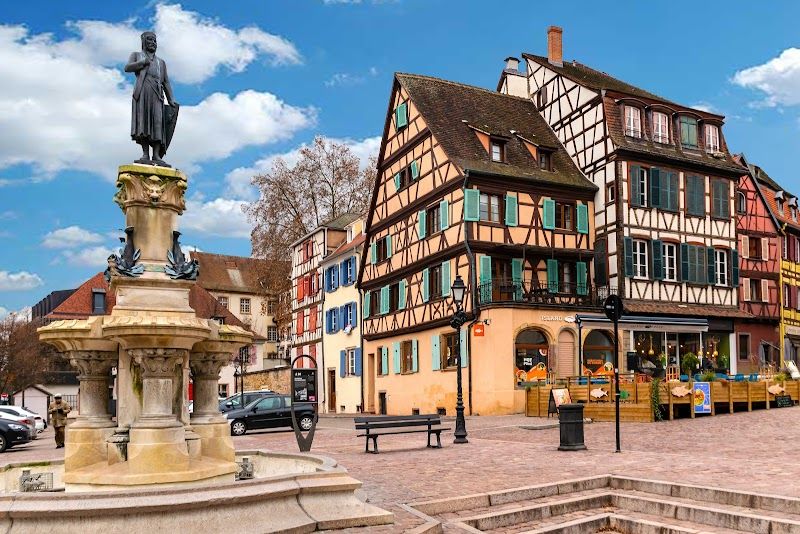
Colmar in winter is what happens when someone takes an already absurdly picturesque town and adds frost to the equation. The half-timbered houses that line the canals of Petite Venise look like they've been dusted with powdered sugar, and the Christmas markets that fill the squares make the whole place feel like you've walked into a Grimm fairy tale that someone actually bothered to build.
The question isn't whether Colmar is worth visiting in winter - it absolutely is. The question is whether you can handle the fact that reality occasionally looks this good. Between December and February, this Alsatian town becomes the poster child for European winter tourism, complete with mulled wine, gingerbread, and enough twinkling lights to power a small city.
When to Visit Colmar in Winter: December Markets vs January Quiet
Colmar France in winter operates on two distinct seasons: Christmas market madness and post-holiday peace. December is when the town transforms into a winter carnival. Five separate Christmas markets open from late November through December 29th, drawing crowds that can make the narrow streets of the old town feel like a medieval traffic jam. The upside? The atmosphere is electric, the markets are in full swing, and every bakery window displays elaborate gingerbread houses that put your childhood attempts to shame.
January and February offer a different kind of magic - the crowds thin out, hotel prices drop by 30-40%, and you get the snow-dusted fairy tale without the elbow-to-elbow market browsing. The Unterlinden Museum is blissfully uncrowded, and you can actually get a table at the better winstubs without booking weeks ahead.
Weather-wise, expect temperatures between -2°C and 6°C. Snow isn't guaranteed but shows up often enough to make the Instagram posts write themselves. Pack layers, waterproof boots, and accept that your camera battery will die faster in the cold.
Colmar Christmas Markets: Five Markets, Different Personalities
Place de l'Ancienne Douane: The Main Event
The largest of Colmar's winter markets spreads across the cobblestones in front of the Old Customs House, with around 50 wooden chalets selling everything from hand-carved ornaments to bratwurst. This is tourist central, which means higher prices (mulled wine runs EUR 4-6 compared to EUR 2.5 at a regular bar) but also the best selection of Alsatian handicrafts.
What to buy here: Genuine Alsatian pottery from local artisans, not the mass-produced stuff. Look for pieces marked with the maker's signature - expect to pay EUR 25-45 for a decent mug or bowl.
Place Jeanne d'Arc: The Food Market
This smaller market focuses on edibles and does it well. Local producers sell everything from pain d'épices (spiced bread) to foie gras, and the quality is notably higher than the tourist-focused stalls elsewhere. The vin chaud (mulled wine) here costs EUR 3.5 and tastes like someone's grandmother made it, which someone probably did.
Must-try: Fresh kougelhopf from the Alsatian bakers - EUR 8-12 for a whole cake that serves 4-6 people. It's the region's signature sweet bread, and the market versions are better than most bakery offerings.
Place de la Cathédrale: Craft Central
Surrounding the Collégiale Saint-Martin, this market emphasizes handmade crafts and art. Prices are higher (EUR 15-30 for small items), but you're buying directly from local artists rather than importers. The setting, with the Gothic church as a backdrop, is the most atmospheric of all the markets.
Koïfhus Little Venice: The Intimate Option
The smallest market, tucked into the canal district, feels more like a neighborhood gathering than a tourist attraction. Only a dozen stalls, but they're curated by locals who know quality. This is where you'll find the best regional wines (EUR 12-18 per bottle) and artisanal chocolates.
Place des Six Montagnes Noires: The Local Secret
Most guidebooks skip this one, which is exactly why it works. Located a 5-minute walk from the tourist center, this market caters to Colmar residents doing their actual Christmas shopping. Prices are 20-30% lower, the crowd is mostly French-speaking locals, and the atmosphere is authentic rather than performed.
What to Do in Colmar in Winter Beyond the Markets
The Unterlinden Museum: Art in Peace
Winter is the ideal time to visit the Unterlinden Museum. The crowds that jam the galleries in summer disappear, leaving you alone with Matthias Grünewald's Isenheim Altarpiece - one of the most emotionally powerful works of art in Europe. The museum's EUR 13 admission includes the contemporary art wing, but honestly, you came for the medieval masterpiece.
Pro tip: Visit on a Wednesday morning in January or February. The museum opens at 9am, and you'll often have the Grünewald room to yourself for the first hour.
Petite Venise Canal Walks: Winter Reflections
The canal boat tours shut down from November through February, but walking the canal paths in winter offers something the boats can't: silence. The tourist hordes disappear, leaving just you, the half-timbered reflections in the water, and the occasional local walking their dog. The Rue de la Poissonnerie and Quai de la Poissonnerie provide the classic postcard views, but they're even better when frost outlines every timber and windowsill.
Best photo spots: The bridge at Pont St-Pierre for the classic Little Venice shot, early morning when the low winter sun hits the pastel houses. The reflections are sharpest before 9am, when the canal water is completely still.
Dominican Church: Medieval Warmth
The Dominican Church provides literal and figurative warmth on cold December days. The church maintains decent heating, and Schongauer's "Virgin of the Rose Bower" altarpiece (1473) is worth the EUR 2 admission. More importantly, it's a quiet refuge when the Christmas markets feel overwhelming.
Quartier des Tanneurs: Instagram Gold
The Tanners' Quarter becomes a winter wonderland when snow accumulates on the timber frameworks of houses along Rue des Tanneurs. The buildings here are taller and more elaborate than those in Petite Venise, creating dramatic shadows and angles that photograph beautifully in winter light.
Best time to visit: Late afternoon in December and January, when the low sun creates long shadows between the buildings. The contrast between the white snow and colored timber creates the kind of photos that make people question whether you've been using filters.
Where to Warm Up: Winstubs and Winter Comfort Food
Winstub Brenner: The Real Deal
Winstub Brenner serves the kind of Alsatian comfort food that makes winter weather irrelevant. Their choucroute garnie (sauerkraut with sausages and pork) costs EUR 16-22 and arrives as a steaming mountain of cabbage, meat, and potatoes that could feed a medieval army. The wine list focuses on local Rieslings and Gewürztraminers (EUR 5-8 per glass) that pair perfectly with the rich food.
What to order: The baeckeoffe (EUR 18) - a slow-cooked casserole of beef, pork, lamb, and potatoes that's been warming Alsatian winters for centuries. It requires 24-hour notice but is worth planning around.
Au Koïfhus: Tourist-Friendly But Good
Au Koïfhus sits right on Place de l'Ancienne Douane, making it convenient for Christmas market breaks. Yes, it's touristy, but the flammekueche (EUR 8-12) is excellent, and the heated terrace lets you watch the market activity while staying warm. Their vin chaud costs EUR 4.5, which is reasonable for the location.
L'Atelier du Peintre: Upscale Warmth
When you need a break from hearty peasant food, L'Atelier du Peintre offers refined Alsatian cuisine in a cozy setting. Their winter menu features dishes like venison with spätzle (EUR 28-32) and foie gras preparations that justify the higher prices. The wine pairings focus on premium Alsatian producers (EUR 8-15 per glass).
Salon de Thé Christian: Afternoon Refuge
Salon de Thé Christian becomes essential during December market marathons. Their hot chocolate (EUR 4.5) is made with real chocolate, not powder, and the selection of Alsatian pastries includes authentic kougelhopf (EUR 3.5 per slice) and pain d'épices varieties you won't find elsewhere.
Practical Winter Planning: Getting Around and Staying Warm
Transportation in Winter
Colmar's TRACE bus system continues operating in winter, but service reduces on Sundays and holidays. A single ticket costs EUR 1.5 and covers transfers within the hour - useful for reaching accommodation outside the old town without walking in snow. The buses are heated and reliable, though they run every 20-30 minutes instead of the summer frequency of 10-15 minutes.
From Strasbourg: The train connection costs EUR 12-18 and takes about an hour. Trains run every two hours in winter, reduced from summer's hourly service. Book ahead during Christmas market season when day-trippers pack the afternoon trains.
Where to Stay: Winter Rates and Heating
Winter brings significant hotel savings outside December. January and February rates drop 30-40% from summer prices: mid-range hotels that charge EUR 140-180 in summer cost EUR 95-120 in the off-season. Budget options like Ibis Budget drop from EUR 90 to EUR 65-75.
Heating matters more than you think. The older buildings in the historic center can be drafty, and some budget accommodations economize on heating. Read recent reviews specifically mentioning room temperature before booking.
Best value: Small family-run hotels in the Unterlinden area offer genuine Alsatian hospitality, reliable heating, and rates 20% lower than equivalent properties in Petite Venise.
What to Pack for Colmar's Winter
Alsatian winters are damp rather than dry, making layering essential. Waterproof boots with good tread are non-negotiable - Colmar's cobblestones become ice rinks when wet. A quality rain jacket works better than a heavy coat, since you'll be moving between heated indoor spaces and cold outdoor markets.
Camera considerations: Bring extra batteries and keep your camera inside your jacket between shots. The temperature changes between heated buildings and outdoor markets will cause lens condensation that takes 10-15 minutes to clear.
Is Colmar Worth Visiting in Winter? The Honest Verdict
Colmar in winter delivers on its fairy-tale reputation, but with caveats. December is magical but crowded - expect to share those Instagram-worthy canal views with busloads of day-trippers, and book restaurants weeks ahead. The Christmas markets are genuinely excellent, not just tourist theater, but you'll pay premium prices for everything from meals to accommodation.
January and February offer better value and atmosphere. The crowds disappear, prices drop significantly, and you get the full winter aesthetic without the market chaos. Yes, some restaurants close for annual holidays in January, but enough remain open to keep you well-fed.
The bottom line: Colmar works in winter if you approach it strategically. Choose December for the full Christmas market experience, accepting the crowds and higher costs. Choose January-February for a more authentic experience of the town itself, with winter beauty as a bonus rather than the main event.
Either way, pack warm clothes, bring a good camera, and prepare for a place that looks exactly like your childhood idea of what a European winter town should be. The fact that it's real rather than a theme park is what makes Colmar special, even when it's almost too beautiful to believe.
For comprehensive planning beyond the winter season, check our complete first-timer's guide to Colmar and detailed food recommendations for year-round dining options.