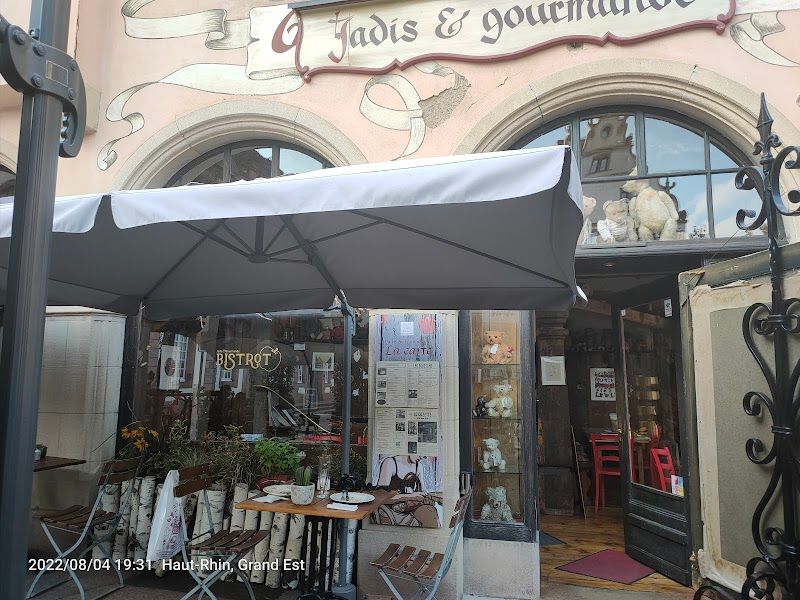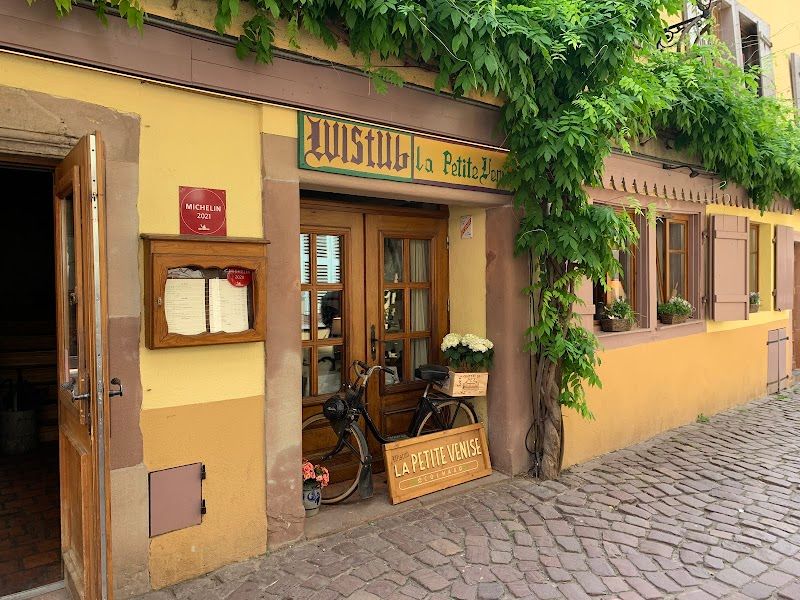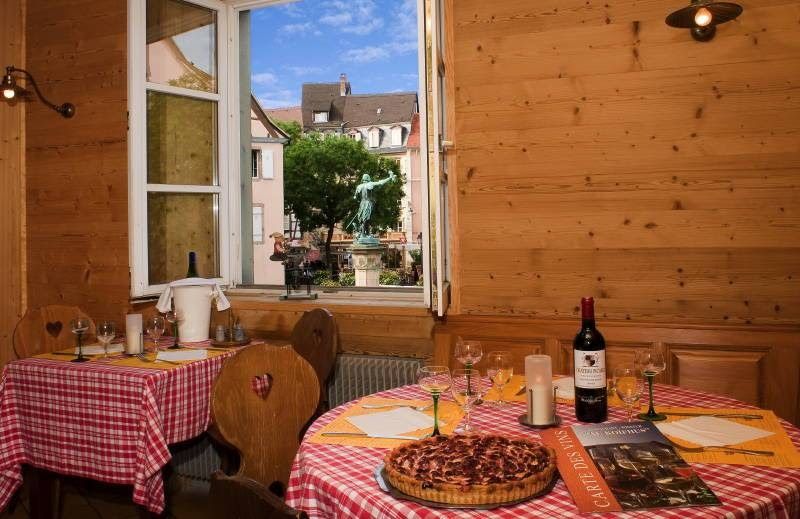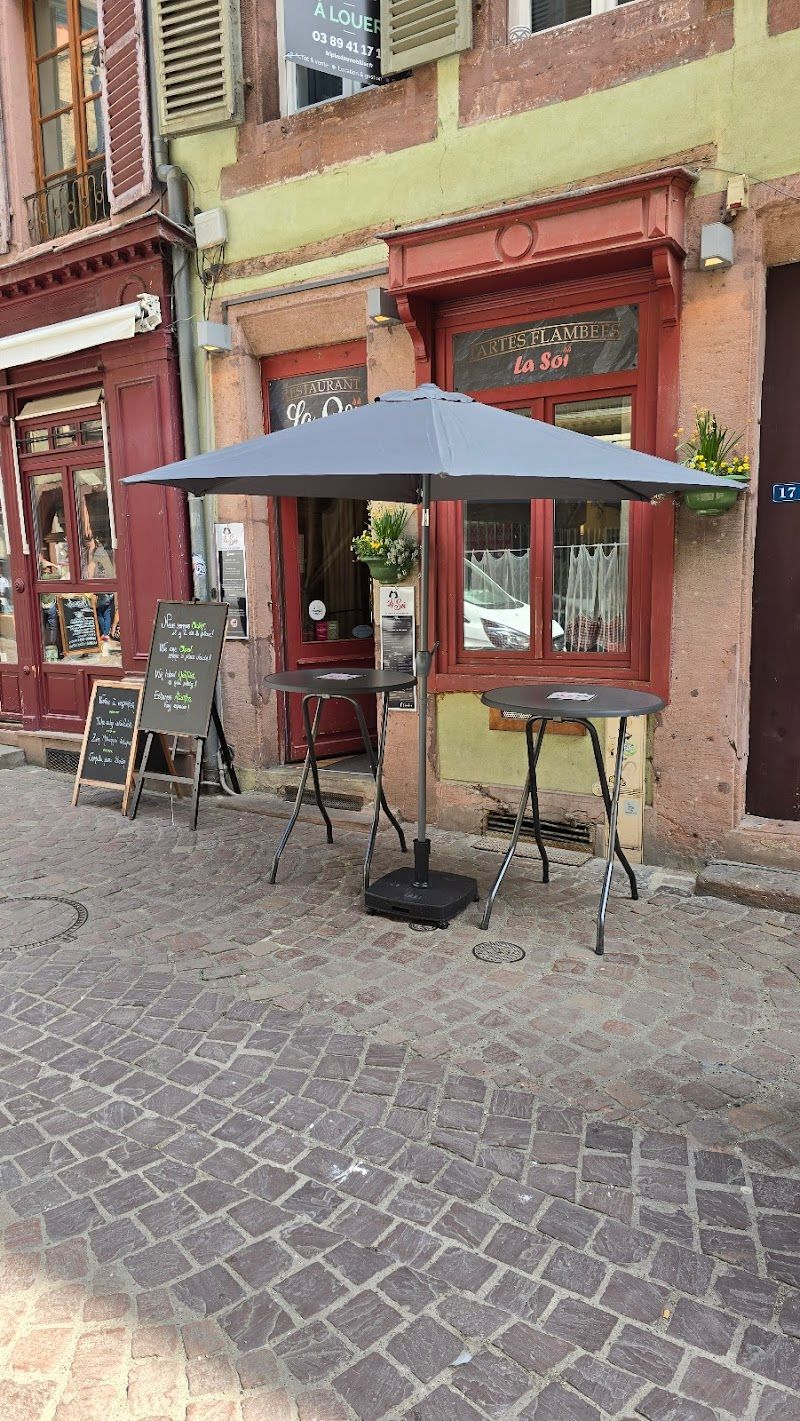
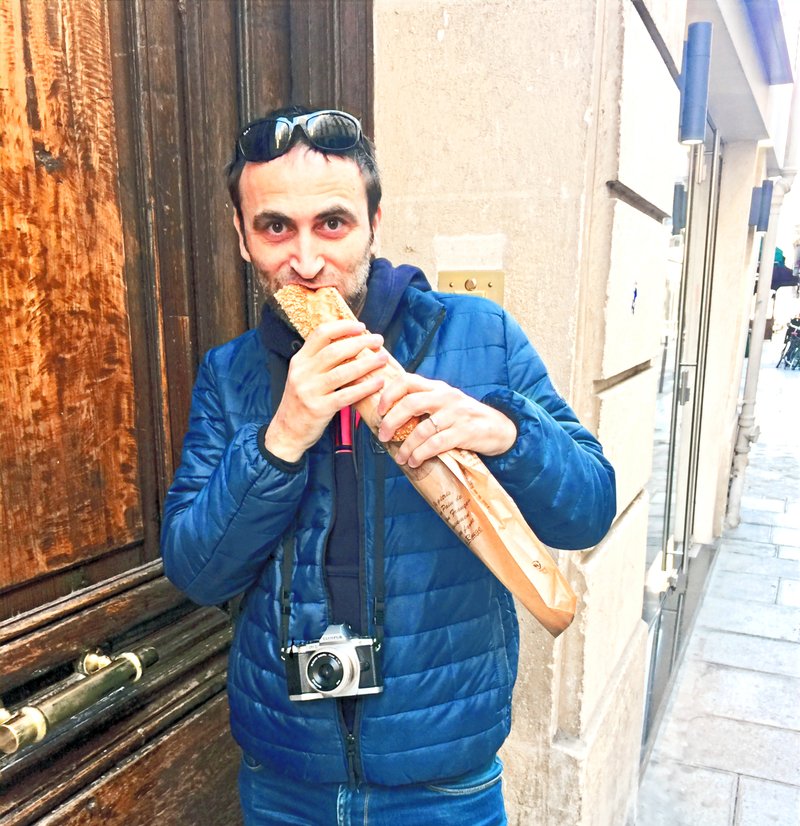
The problem with most Colmar restaurant recommendations is they're written for tourists by tourists. You get the same list of places around Petite Venise that charge EUR 35 for mediocre choucroute while the locals walk past to their actual favorite spots. After talking to restaurant workers, shop owners, and residents who've lived here for decades, here are the real Colmar restaurant tips that matter.
Most tourists never leave the postcard-perfect streets around Maison Pfister, but the best eating happens in the neighborhoods where rent is cheaper and chefs can focus on food instead of Instagram-worthy canal views. The difference in quality and price is substantial - we're talking EUR 18 set menus instead of EUR 40 tourist specials.
Where Colmar Locals Actually Eat Lunch
The Market Scene That Tourists Miss
The Marche Couvert (Covered Market) gets all the guidebook attention, but locals know the real action happens at the outdoor market on Saturdays along Rue des Ecoles. The covered market is fine for tourists wanting to see traditional Alsatian products, but the Saturday market is where restaurant owners buy ingredients and locals grab lunch.
At the Saturday market, look for the munster cheese vendor who's been there for 20 years - locals line up specifically for his aged munster that most restaurants can't afford to stock. The bread stall run by Marie-Claire sells day-old baguettes for EUR 0.50 that are making tartines. Her regular customers know to ask for "yesterday's bread" - it's not advertised but locals prefer it for certain preparations.
For quick lunch, the charcuterie stand near the fountain serves proper saucisse de Strasbourg sandwiches for EUR 6.50. The tourist version at canal-side cafes costs EUR 14 and uses inferior sausage. The market vendor uses sausage from Schneider, a local producer whose products you'll find in every local's refrigerator.
Neighborhood Bistros Where Prices Stay Reasonable
In Quartier des Tanneurs, locals recommend Chez Henriette on Rue de la Herse. It's not listed in any tourist guide because it looks like someone's grandmother's dining room - which it basically is. Henriette serves a EUR 14 lunch menu that changes based on what she bought at the market that morning. The choucroute here uses sauerkraut that ferments in wooden barrels in her basement, not the commercial stuff most restaurants buy pre-made.
The tell-tale sign you're in a local place: the menu is handwritten in French only, and regulars don't look at it because they know what's good today. At Chez Henriette, Thursday means coq au riesling, and locals call ahead to reserve portions because she only makes eight servings.
Near the Unterlinden Museum, Le Comptoir on Rue des Clefs attracts museum workers and local office employees. Their EUR 16 lunch formula includes a glass of Alsatian wine - something tourist restaurants charge EUR 7 extra for. The owner, Michel, sources wine directly from small producers in villages you won't find on tourist wine routes.
Traditional Winstub Culture: The Real Deal vs Tourist Versions
How to Spot an Authentic Winstub
Colmar restaurant tips always mention winstubs, but most tourists end up in sanitized versions that cater to expectations rather than tradition. Real winstubs are neighborhood institutions where the same families have eaten Sunday lunch for generations. Here's how to tell the difference:
Authentic winstubs have mismatched furniture that's been there for decades. The tables are scarred wood, not polished antiques. The wine list focuses on local producers you've never heard of, not famous Alsatian brands. Most importantly, authentic winstubs close one day per week (usually Monday) because they're family-run businesses, not tourist enterprises.
Winstub Brenner in the vineyard route gets mentioned in guides, but locals prefer Winstub Gilg on Rue de la Première Armée. The difference: Brenner has English menus and accepts credit cards. Gilg has a chalkboard menu in French and a cash register from 1987. The choucroute at Gilg costs EUR 19 and includes three types of sausage that change seasonally.
The owner of Gilg, Jean-Claude, has worked the same shift for 35 years: Tuesday through Saturday, 11:30 AM to 2:00 PM, then 6:30 PM to 9:30 PM. He knows his regulars' orders and keeps their preferred wine behind the bar. This is how winstub culture actually works - it's about relationships, not just food.
What Locals Order (And What They Avoid)
Local Colmar restaurant tips always include choucroute garnie, but residents rarely order it unless they're entertaining visitors from outside Alsace. The daily specials are what locals order - dishes that reflect seasonal ingredients and the chef's actual specialties.
At authentic winstubs, locals order baeckeoffe on Wednesdays because that's traditionally when housewives would prepare this slow-cooked casserole. Ordering baeckeoffe on Saturday marks you as a tourist - no local would ask for a dish that requires all-day cooking on a weekend.
Flammekueche is another tourist trap indicator. Real Alsatians eat it as a light dinner with friends, not as a main course at lunch. Locals ordering flammekueche always share it and accompany it with local beer, never wine. If you see someone eating a whole flammekueche alone with riesling, they're definitely not from here.
Best Colmar Restaurants by Neighborhood: Local Recommendations
Petite Venise: Beyond the Tourist Circuit
Everyone knows Petite Venise is beautiful, but most restaurants there survive on location rather than quality. Locals who work in the area have figured out which places maintain standards despite the tourist traffic.
L'Atelier du Peintre serves locals because chef Loïc Lefebvre trained at Michelin-starred restaurants before returning to Colmar. His EUR 35 dinner menu changes monthly and focuses on Alsatian ingredients prepared with modern techniques. Locals book the counter seats where they can watch Lefebvre work and discuss seasonal ingredients.
The secret at L'Atelier du Peintre: ask for the "menu dégustation courte" - a shorter tasting menu that's not listed but available for locals who want to try several dishes without committing to a three-hour meal. It costs EUR 45 and includes four courses with wine pairings.
For casual dining in the tourist zone, Le Fer Rouge attracts locals because owner Christine Ferber (famous for her jams) maintains quality despite the prime location. The EUR 24 lunch menu features market ingredients, and locals know to ask for the "plat du marché" - a daily special based on what looked best at the morning market.
Quartier des Tanneurs: Where Locals Live and Eat
The Quartier des Tanneurs feels more residential, and the restaurants reflect this with lower prices and less tourist-focused menus. Locals recommend Au Vieux Colmar on Rue Turenne, where the EUR 22 dinner menu includes proper Munster cheese tart made with raw milk cheese that most tourist restaurants avoid due to safety regulations.
The owner, Sylvie, sources ingredients from the same suppliers as high-end restaurants but charges half the price because her rent is lower. Local food industry workers eat here because they recognize the quality of ingredients - duck from Ferme de la Cigogne, vegetables from Maraîchers d'Alsace, bread from Maison Schneider.
For wine lovers, locals suggest asking Sylvie about her "cave personnelle" - a selection of older vintages from small producers that she keeps for customers who appreciate wine history. These bottles aren't on the regular wine list but available for EUR 8-12 per glass to customers who ask knowledgeably.
Near Unterlinden: Museum Workers' Favorites
The Unterlinden Museum area has several restaurants that cater to museum staff and local office workers. La Table du Brocanteur on Rue des Augustins serves a EUR 18 lunch menu that changes weekly. Museum curators eat here because the quiet atmosphere allows business conversations, and the food quality justifies the slightly higher neighborhood prices.
The restaurant's connection to local culture runs deeper than most tourists realize - owner Philippe collects vintage Alsatian cookbooks and occasionally prepares historical recipes as daily specials. When he makes medieval-era dishes using period recipes, museum staff reserve tables weeks in advance.
Local Dining Customs That Matter
Timing Your Meals Like a Local
Colmar restaurant tips must include timing because local dining customs differ from tourist expectations. Lunch service ends at 2:00 PM sharp at most local places - not the flexible "until 3 PM" that tourist restaurants advertise. Locals eat lunch between 12:00 and 1:30 PM, so arriving at 1:45 PM means limited menu options and rushed service.
Dinner service typically begins at 7:00 PM, but locals arrive between 7:30 and 8:00 PM. Earlier arrival marks you as a tourist, later arrival means you might not get seated at popular neighborhood places. Weekend dinner reservations are essential at authentic local restaurants because they serve the same families every week.
Many local favorites close Sunday evenings and all day Monday - a sign that they serve neighborhood customers rather than tourists. Planning around these closures helps you eat at better restaurants for less money.
Understanding Local Tipping and Payment
Service is included in French restaurant bills, but locals add EUR 2-5 for good service at neighborhood places. Credit cards are accepted at most restaurants now, but locals often pay cash at family-run establishments to help owners avoid processing fees.
The local custom: round up to the nearest EUR 5 for bills under EUR 30, add EUR 5-10 for bills over EUR 30. Excessive tipping marks you as American and can make staff uncomfortable. Locals show appreciation by returning regularly and recommending the restaurant to friends.
Beyond Restaurants: Local Food Shopping Tips
Where Locals Buy Groceries
The best local restaurants source ingredients from the same suppliers that serve local residents. Understanding where locals shop helps you recognize quality when dining out. Monoprix on Rue des Clefs is where most locals buy daily groceries, but serious cooks shop at specialist producers.
For meat, locals go to Boucherie Schmitt on Rue de la Poissonnerie, which supplies several of the best local restaurants. The charcuterie selection includes specialties you won't find at tourist-oriented shops - andouillette from local pork, boudin blanc made weekly, terrines that change seasonally.
Cheese comes from Fromagerie Laurent on Avenue de la République. Owner Patrick Laurent ages cheeses in caves beneath the shop and supplies restaurants that take cheese seriously. Tourists buy pre-packaged Munster, locals ask Patrick to recommend cheeses at optimal ripeness.
Market Days Beyond the Tourist Version
Beyond the Saturday tourist market, locals shop at smaller weekday markets that focus on regional producers. Thursday's market on Place Jeanne d'Arc features vegetables from farms within 20 kilometers of Colmar. Prices are lower because these vendors sell directly to consumers rather than through distributors.
The Tuesday market near Parc du Champ de Mars specializes in organic products from Alsatian farms. Local restaurants source ingredients here, and residents recognize the vendors by name. This market closes at 1:00 PM - a sign that it serves local needs rather than tourist schedules.
Wine: Local Knowledge That Saves Money
Where Locals Buy Wine
Colmar restaurant wine lists often focus on famous producers whose bottles cost EUR 40-60. Locals drink wine from small family estates that sell directly to consumers for EUR 8-15 per bottle. These producers often supply local restaurants at wholesale prices, creating opportunities for knowledgeable visitors.
Caves de Ribeauvillé on Rue de la Première Armée stocks wines from 40 local producers, including several that don't export beyond Alsace. Owner Marie-Noëlle knows which producers make the best value wines and can recommend bottles similar to expensive restaurant selections.
The local secret: many small producers offer tastings by appointment, and locals often buy wine directly from vineyards on weekend drives. These purchases cost 30-50% less than restaurant prices for identical wines.
Restaurant Wine Strategies
At local restaurants, ask servers about "cuvée du patron" - house wines that owners select personally rather than buying from distributors. These wines cost EUR 4-6 per glass instead of EUR 8-12 for branded selections, and quality often exceeds expectations because restaurant owners stake their reputation on house wine choices.
Locals also know to ask about wines available by the pitcher (pichet) at casual restaurants. A half-liter pichet costs EUR 12-16 and provides better value than individual glasses when sharing a meal with friends.
Making Your Colmar Restaurant Experience Authentic
Language Tips That Open Doors
Basic French helps everywhere, but in Alsace, a few words of Alsatian dialect show respect for local culture. "Güete Appétit" (good appetite) instead of "Bon appétit" makes locals smile. Learning to pronounce local specialties correctly - "flammekueche" not "flamme küche" - shows you've done research beyond tourist guides.
Restaurant staff appreciate when visitors understand menu terms like "presskopf" (head cheese), "schiffala" (smoked pork shoulder), and "spätzle" (egg noodles). Asking intelligent questions about preparation methods or ingredient sources marks you as someone who takes food seriously.
Building Relationships for Better Experiences
Local restaurant culture in Colmar revolves around relationships rather than transactions. Return visits to the same restaurants create opportunities for better service, menu recommendations, and access to unlisted specialties. Restaurant owners remember customers who show genuine interest in Alsatian cuisine and culture.
The most successful approach: choose 2-3 restaurants during your stay and return to them rather than trying different places every meal. This strategy provides better food, service, and value while supporting local businesses in meaningful ways.
Before planning your dining strategy, check our comprehensive Colmar food guide for detailed neighborhood recommendations and seasonal specialties. For broader context about visiting Colmar, our first-time visitor guide covers timing, transportation, and cultural basics that enhance dining experiences.
The best Colmar restaurant tips come from understanding that authentic local dining culture values relationships, seasonal ingredients, and traditional preparation methods over Instagram-worthy presentations and tourist-friendly service. Eat where locals eat, respect local customs, and you'll discover why Alsatian cuisine has maintained its distinctive character despite centuries of cultural influences.