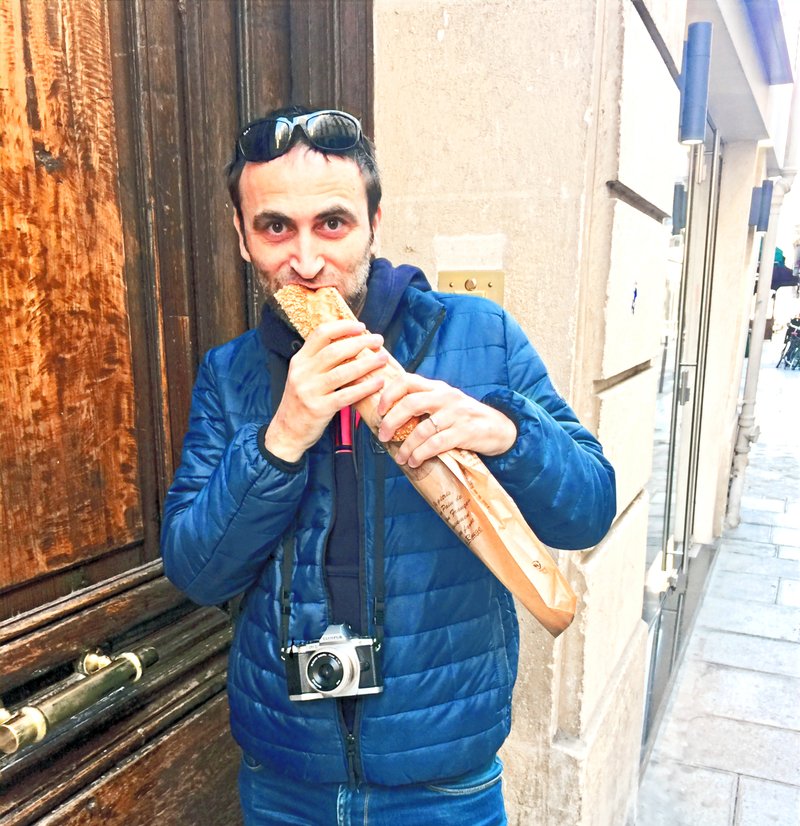
When you search colmar food reddit, you're looking for real opinions from people who've actually eaten their way through this Alsatian town. You don't want another generic list of restaurants that every tourist guide mentions. You want to know where locals grab lunch on a Tuesday, which winstub serves the best choucroute, and where to find authentic tarte flambée that won't cost you a week's grocery budget.
Here's the reality: Colmar's Old Town is beautiful, but most restaurants along Petite Venise and the main tourist routes are overpriced tourist traps serving mediocre food to people who are too busy taking photos to notice. The real Colmar food scene exists in the residential neighborhoods, at the covered market on Saturday mornings, and in family-run winstubs that have been serving the same recipes since the 1940s.
Best Local Colmar Restaurants According to Residents
Winstubs Where Locals Actually Eat
A winstub is Alsace's answer to the Parisian bistro, but with better sauerkraut and wine served in those distinctive green glasses. The word means "wine room," and these establishments are where you'll find authentic Alsatian cooking at reasonable prices. The tourist guides will send you to the same five winstubs in the Old Town. Locals know better.
Winstub Brenner sits just outside the main tourist zone on Route d'Ingersheim, about a 12-minute walk from the Unterlinden Museum. This is where Colmar residents bring their parents when they visit. The choucroute garnie comes with five different meats including boudin noir, and the portions are sized for people who work physical jobs. Expect to pay EUR 16-22 for main courses, and book ahead because they only have 30 seats.
Le Caveau Saint-Pierre on Rue de la Herse is mentioned frequently in local food forums. It's run by a family that's been in the restaurant business for three generations, and they source their sauerkraut from a producer in nearby Krautergersheim. Their baeckeoffe (the traditional Alsatian casserole) requires 24 hours advance notice because they slow-cook it in individual ceramic pots. The restaurant is tucked into a basement below a wine shop, which keeps it off most tourists' radar.
For tarte flambée, skip the places with English menus and head to Aux Trois Poissons on Rue des Poissons. They roll the dough fresh every evening and their lardons come from a charcutier in nearby Turckheim. A proper tarte flambée should be thin enough to read through and cost around EUR 8-11, not the EUR 15 tourist version you'll find in Petite Venise.
Hidden Neighborhood Bistros
La Petite Auberge on Avenue Raymond Poincaré serves what locals consider the best pot-au-feu in Colmar. This isn't an Alsatian dish, but the chef trained in Lyon and brings that technique to local ingredients. The restaurant is in a residential area near the train station, about 15 minutes on foot from the tourist center. Lunch menus run EUR 18-24 and include wine.
Chez Bacchus on Rue de Neuf-Brisach is where restaurant workers eat after their shifts. They're open until 2 AM Thursday through Saturday, serving simple dishes like spaetzle with roasted chicken and local vegetables. The wine list focuses on small Alsatian producers you won't find in tourist restaurants, and glasses start at EUR 4.50.
The Quartier des Tanneurs has several neighborhood spots that cater to locals rather than day-trippers. Au Fer à Cheval on Rue des Tanneurs serves classic French bistro fare with Alsatian touches. Their riesling-braised pork shoulder comes with choucroute that's less sour than the tourist version, and they offer half-portions for lighter appetites.
Colmar Local Food Markets and Street Eats
The Covered Market Strategy
The Marché Couvert (Covered Market) on Place de la Cathédrale operates Tuesday, Thursday, and Saturday mornings from 8 AM to 1 PM. This is where you'll find the best value and most authentic food in Colmar, but you need to know which stalls to target.
Charcuterie Hebting has been operating from the same corner stall since 1987. Their leberwurst is made fresh twice weekly, and they'll slice it thick for sandwiches or thin for proper charcuterie plates. A traditional Alsatian breakfast of leberwurst on dark bread with mustard costs EUR 4.50 and will sustain you through a morning of sightseeing.
Fromagerie Meyer specializes in Munster cheese from the Vosges mountains. The cheese is properly aged and has the pungent aroma that indicates quality. They'll vacuum-pack purchases for travel, and their cheese plates with local bread and grapes cost EUR 8-12.
For prepared foods, Stand Flammekueche Alsacienne serves tarte flambée cooked in a wood-fired oven transported to the market twice weekly. The standard version with onions, lardons, and fromage blanc costs EUR 6, and they'll add seasonal toppings like wild mushrooms or local herbs for an additional EUR 2-3.
Street Food and Quick Eats
Alsatian street food centers around pretzels, sausages, and seasonal specialties. Boulangerie Gintz on Rue de la Poissonnerie has been making traditional Alsatian pretzels since 1923. Their pretzels are properly chewy with coarse salt, not the soft American version. They cost EUR 1.50 each and pair well with local mustard.
Maison Braun on Grand Rue serves munster cheese melted on fresh bread as a quick lunch option. This open-faced sandwich called "tartine au munster" costs EUR 7-9 and represents authentic Alsatian comfort food. The cheese should be runny and aromatic.
During autumn, look for marrons grillés (roasted chestnuts) from street vendors around Place de l'Ancienne Douane. These cost EUR 4-5 per bag and are properly prepared over wood fires, not gas burners.
Authentic Colmar Dining by Neighborhood
Unterlinden Area Recommendations
The Unterlinden neighborhood attracts fewer tourists than the canal district, which means restaurants can focus on local clientele. Le Théâtre on Place de la Cathédrale serves refined Alsatian cuisine to museum visitors and local office workers. Their coq au riesling uses wine from Domaine Zind-Humbrecht, and the sauce is properly reduced rather than thickened with flour.
Café Restaurant de la Cathédrale offers the best value lunch in this area. Their EUR 16 menu includes soup or salad, a main course like baeckeoffe or choucroute, and dessert. The dining room fills with local professionals at noon, which indicates consistent quality.
Little Venice Alternatives
While most restaurants directly on the canals cater to tourists, the side streets contain better options. Au Chasseur on Rue Turenne serves game dishes during hunting season (September through February) and local fish preparations year-round. Their pike-perch from the Rhine comes with spaetzle and costs EUR 19-24.
L'Epicurien on Rue des Augustins focuses on seasonal Alsatian ingredients prepared with modern techniques. Their menu changes monthly based on local availability, and they maintain relationships with specific producers in the wine villages. Expect to pay EUR 28-35 for main courses, but the quality justifies the price.
Wine Village Day Trips
The villages along the Little Vineyard Route offer better value than Colmar proper, especially for wine-focused dining. Auberge du Vignoble in Turckheim serves traditional Alsatian dishes paired with wines from the surrounding hillsides. Their gewürztraminer-braised duck leg costs EUR 22 and comes with spätzle made from local wheat.
Winstub du Sommelier in Eguisheim is worth the 20-minute drive for their wine selection alone. They maintain relationships with small producers and offer tastings of wines unavailable in Colmar restaurants. Their cheese and charcuterie plates (EUR 18-25) feature exclusively Alsatian products.
Reddit-Recommended Food Experiences
Local Breakfast Spots
Alsatian breakfast differs significantly from the standard French petit déjeuner. Pâtisserie Christian on Rue Mercière serves traditional regional pastries alongside coffee. Their kougelhopf is baked fresh daily using a recipe that includes rum-soaked raisins and almonds. A proper Alsatian breakfast of kougelhopf with café au lait costs EUR 6-8.
Salon de Thé Gertwiller on Rue des Clefs specializes in pain d'épices (gingerbread) preparations. They offer honey cakes, spiced cookies, and gingerbread pain perdu that showcases this regional specialty. Most items cost EUR 3-7, and they'll explain the traditional preparation methods.
Evening Wine Experiences
Colmar's wine bar scene focuses on Alsatian producers rather than international selections. Cave Historique on Rue des Augustins occupies a 14th-century cellar and offers tastings of rare vintages from local producers. Their flights include vertical tastings of single vineyards across multiple years, priced EUR 15-25 depending on the wines selected.
Le Caveau Saint-Etienne near the Dominican Church serves wine by the glass with small plates of Alsatian specialties. Their munster cheese is aged in their own caves, and they offer pairing suggestions with specific wines. Glasses range from EUR 4.50-12 depending on the producer and vintage.
Seasonal Food Events
Colmar's food calendar revolves around harvest seasons and traditional celebrations. The spring white asparagus season (April-June) brings special menus featuring locally grown spears served with hollandaise and local ham. Restaurant de la Poste in nearby Ammerschwihr offers the region's best asparagus preparations during this brief season.
Autumn harvest festivals in the wine villages feature new wine tastings paired with traditional foods. The Foire aux Vins in September includes food stalls serving regional specialties at market prices rather than restaurant markups. Choucroute portions cost EUR 8-12, and local sausages run EUR 4-6.
Winter brings Christmas market food that extends beyond mulled wine and roasted nuts. Bredele (traditional Christmas cookies) are sold by local bakers, and many recipes date back centuries. Pâtisserie Gilg on Rue de la 1ère Armée offers the most authentic versions, with boxes of mixed cookies starting at EUR 12.
Budget-Friendly Local Eating
University Area Finds
Colmar's student population supports several budget-friendly restaurants that prioritize value over atmosphere. Le Bistrot des Etudiants near the Lycée Bartholdi serves generous portions of Alsatian classics at student-friendly prices. Their choucroute costs EUR 12 and includes enough sauerkraut and meat for two meals.
Pizza Flam's on Avenue de la Liberté serves both Italian pizza and Alsatian tarte flambée from the same wood-fired oven. Their combination approach works because both use thin dough and high-temperature cooking. Standard tarte flambée costs EUR 7-9, while specialty versions with local ingredients run EUR 11-13.
Lunch Counter Culture
Alsatian lunch counters serve quick meals to workers and offer excellent value for travelers. Comptoir de la Gastronomie on Rue des Marchands offers daily specials based on seasonal ingredients. Their EUR 13 lunch typically includes soup, a main course like pot-au-feu or roasted chicken, and coffee.
Le Zinc on Rue des Boulangers functions as both a wine bar and lunch counter. They serve traditional bistro dishes like steak-frites alongside Alsatian specialties, with most main courses priced EUR 14-18. Their wine selection focuses on local producers, with glasses starting at EUR 4.
Market Meal Assembly
Building meals from market purchases offers the best value and most authentic experience. The covered market provides all necessary components: fresh bread from Boulangerie Keller, charcuterie from local producers, seasonal vegetables, and regional cheeses. A complete picnic for two costs EUR 15-20 and provides enough food for lunch and snacks.
Fruits et Légumes Schmitt offers seasonal produce grown in the Alsace plain. Their strawberries (June), plums (August), and apples (October-November) represent peak regional flavor. Prices average 30-40% less than grocery stores, and the quality exceeds restaurant standards.
This approach to eating in Colmar connects you with local food culture while avoiding tourist markup. The comprehensive food guide covers additional restaurants and specialties, but these recommendations represent the authentic Colmar food scene that locals actually patronize. Whether you're seeking traditional winstub atmosphere or modern interpretations of regional cuisine, these establishments deliver genuine Alsatian flavors at fair prices.