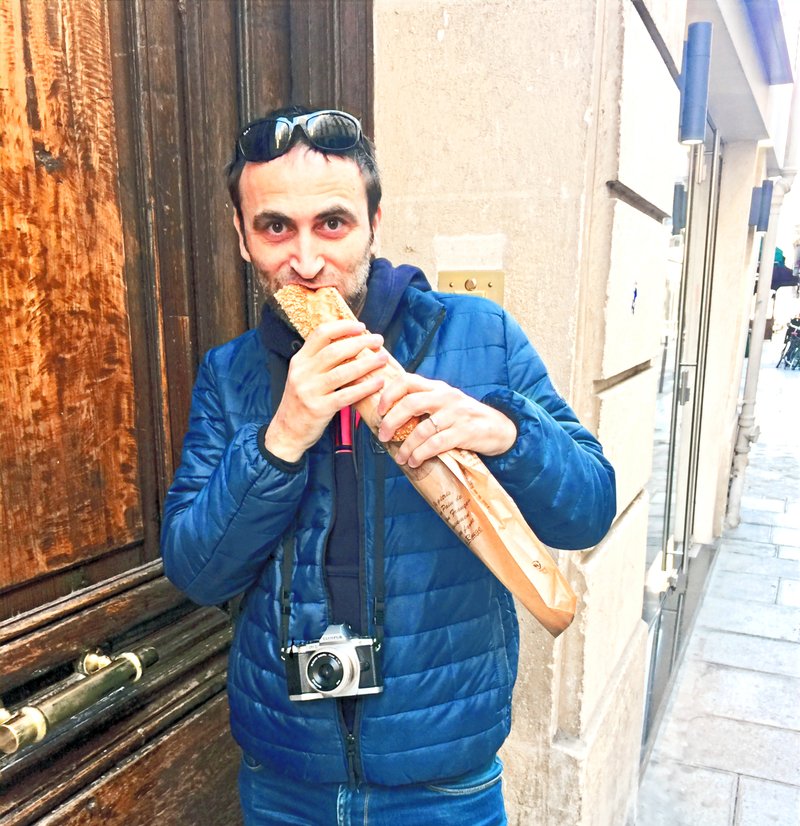
Bologna deserves better than a day trip from Florence, despite what half the travel blogs tell you. This isn't Rome or Venice where you can tick off major sights in a whirlwind tour. Bologna rewards slow travel - the kind where you spend two hours at lunch and consider it time well spent. The real bologna italy itinerary question isn't what to see, it's how much time to allow for eating, because that's what you came here for whether you know it or not.
The short answer: 3 days minimum, 4-5 days ideal. One day gets you frustrated. Two days means choosing between food and sights, which defeats the point. Three days lets you eat properly while seeing the medieval core. Four to five days means you can climb San Luca, take a pasta-making class, and still have time for aperitivo without checking your watch.
How Many Days for Bologna: The Realistic Breakdown
Most visitors underestimate how much time Bologna needs, then spend their trip rushing between the Torre degli Asinelli and dinner reservations. Here's how different trip lengths actually work:
1 Day: Don't. You'll see Piazza Maggiore and eat one good meal. That's like visiting Paris to see the Eiffel Tower and leaving.
2 Days: Covers the historic center and one proper food experience, but you'll make hard choices. Skip the museums, skip San Luca, focus on the Quadrilatero and porticoes.
3 Days: The sweet spot for first-time visitors. Enough time for the medieval core, a food tour, market visits, and relaxed meals without schedule stress. This is the minimum for a proper Bologna experience.
4-5 Days: Ideal for food lovers and repeat visitors. Add San Luca, cooking classes, day trips, and the luxury of choosing restaurants based on mood rather than location.
Week+: For residents and food obsessives. You'll discover neighborhood trattorias, befriend market vendors, and understand why Bolognesi never want to leave.
Day Trip Reality Check
The Florence-Bologna day trip industry thrives on visitors who think they can "do" Bologna in 8 hours. They're wrong. You'll spend more time on trains (2.5 hours round trip) than exploring. Bologna's magic happens between meals, in conversations at Osteria del Sole, and wandering under porticoes after dinner. Day trips miss all of this.
3-Day Bologna Italy Itinerary: The Essential Experience
Three days gives you enough time to understand why Bolognesi are so smug about their city. This itinerary balances must-see sights with proper food experiences, following the rhythm of Italian life rather than fighting it.
Day 1: Centro Storico and Food Fundamentals
Morning (9:00-12:00) Start at Piazza Maggiore, but don't linger long taking photos. Walk the perimeter, note the unfinished Basilica di San Petronio (those missing marble facades weren't budget cuts - it's politics), then head into the Quadrilatero. This medieval market district is where Bologna shows its food personality.
Stop at Paolo Atti & Figli on Via delle Calamosca. This isn't tourism - it's where locals buy their daily bread. Watch the pasta makers through the window, buy a mortadella sandwich for later (EUR 4-7), and notice how the queue moves fast because everyone knows exactly what they want.
Lunch (12:30-14:30) Proper Bolognese lunch at Trattoria da Me in the Quadrilatero. Order tagliatelle al ragù (EUR 12-18) - never spaghetti - and understand why Bologna invented this dish. The ragù here cooks for 4 hours and tastes like it. Don't rush; Italian lunch is a 2-hour commitment.
Afternoon (14:30-18:00) Walk off lunch exploring the Portici del Centro Storico. These UNESCO-listed porticoes aren't just pretty architecture - they're functional urban planning from the Middle Ages. Follow Via dell'Indipendenza north, then loop back via Via Zamboni through the University Quarter.
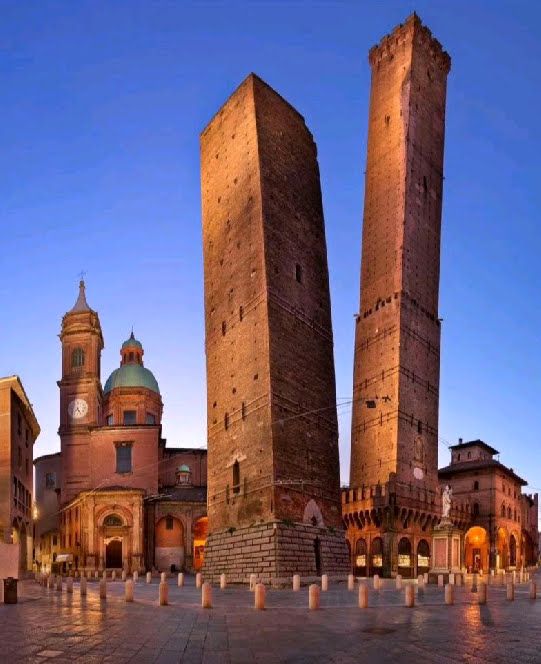
Climb the Torre degli Asinelli if your knees cooperate (EUR 5, advance booking required). The 498 steps reward you with Bologna's best overview, red roofs extending to the Apennines.
Evening (18:00-22:00) Aperitivo at Osteria del Sole, Bologna's most authentic experience. This 500-year-old tavern sells only wine and beer - bring your own food from surrounding shops. It's communal, slightly chaotic, and exactly what aperitivo should be. Local wine costs EUR 3.5-8 per glass.
Day 2: Markets, Museums, and More Food
Morning (9:00-12:00) Start early at Quadrilatero Food Market. This isn't Mercato Centrale Florence with its tourist prices - it's working market where restaurant chefs buy ingredients. Talk to vendors, taste cheese samples, buy picnic supplies.
Then visit Biblioteca Salaborsa, the city's main library built over Roman ruins. The glass floor shows archaeological layers below - 2,000 years of Bologna history in one room. Entry is free, and it's gorgeous inside.
Late Morning to Lunch (11:00-14:00) Sfoglia Rina pasta-making experience. Watch sfogline (pasta ladies) roll egg pasta by hand, then try it yourself. This 2-hour workshop (around EUR 60-80) teaches you why Bologna's pasta texture differs from anywhere else - it's about the eggs, the flour, and 500 years of technique.
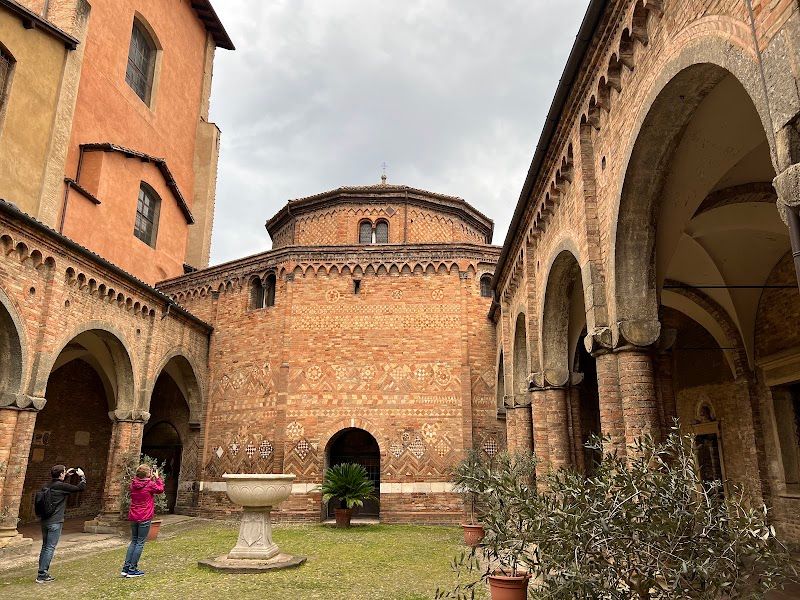
Afternoon (14:30-17:30) Explore the Complesso di Santo Stefano, the "Seven Churches" complex. Actually four churches now, but who's counting. The Courtyard of Pilate feels like stepping into medieval Italy without the crowds you'd face in Tuscany.
Walk through Giardini Margherita if weather permits. This 19th-century park is where Bolognesi bring children and dogs, proving that even Italy's food capital needs green space.
Evening (18:00-22:00) Dinner at Osteria dell'Orsa. The hand-written menu changes daily based on market finds. Expect EUR 25-40 for a proper 2-3 course meal with wine. Try whatever secondi piatti (main courses) they recommend - Bologna does meat as well as pasta.
Day 3: University Quarter and Local Life
Morning (9:30-12:30) The University Quarter deserves a full morning. Start at the Archiginnasio, the original university building from 1563. The anatomy theater (EUR 3 guided tour) shows where medical students learned human anatomy when dissection was controversial.
Walk Via Zamboni past student bars and bookshops. The university atmosphere is real - 85,000 students in a city of 390,000 means one in four residents is studying. Duck into courtyards, most are open during day hours.
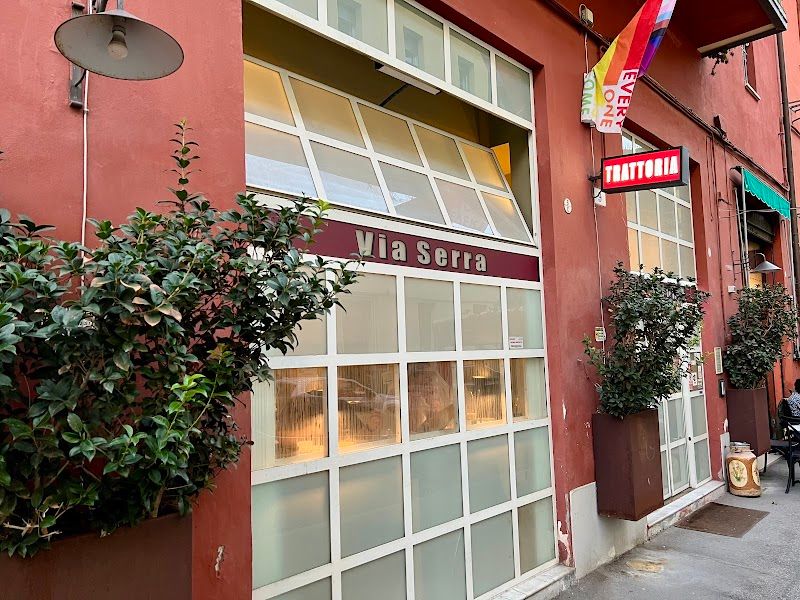
Lunch (12:30-14:30) Trattoria di Via Serra in the University Quarter serves students and professors together. The menu is straightforward Bolognese classics at fair prices (primi piatti EUR 8-15). Try tortellini in brodo - tiny pasta parcels in clear broth that defines Bologna comfort food.
Afternoon (14:30-18:00) Visit Pinacoteca Nazionale (EUR 6) for Bologna's best art collection. The Carracci family paintings show why Bologna was Renaissance Italy's art training ground. Most tourists skip this for Florence's Uffizi, making it pleasantly uncrowded.
Alternatively, explore MAMbo (EUR 6) for contemporary art in a former industrial space. The temporary exhibitions often surprise.
Final Evening End at Bottega Portici for farewell dinner. This restaurant under the porticoes captures Bologna's covered-walkway culture perfectly. Book ahead - locals know it's good.
4-5 Day Bologna Italy Itinerary: For Food Lovers
Four to five days means you can relax, take cooking classes, and discover neighborhoods beyond the center. Add these experiences to your 3-day base:
Day 4: San Luca and Hills
The San Luca Portico Walk is Bologna's most famous hike - 3.8km of covered walkway climbing to the hilltop sanctuary. Start at Porta Saragozza and climb 666 arches (the number isn't coincidental - medieval Catholic symbolism).
The walk takes 45 minutes up, less coming down. The basilica itself is fine but not spectacular - you come for the views over Bologna's red rooftops and the Emilian plain stretching to Po River. The tourist train costs EUR 10 if your knees prefer mechanical assistance.
Afternoon at Villa Aldini, another hilltop viewpoint accessible by city bus. This neoclassical villa offers different perspectives on Bologna's urban layout.
Day 5: Deeper Dives
Take a proper food tour with Bologna Tour Best (EUR 45-75 for 3 hours). Good tours include 6-8 tastings and explain why Bologna's food culture developed differently from Rome or Naples.
Alternatively, visit Ducati Museum (EUR 18) if motorcycles interest you, or take a day trip to Modena (45 minutes by train) for balsamic vinegar tours and more Emilian food culture.
Cooking classes become worthwhile with extra time. Multi-day courses teach ragù technique (4-hour cooking process) and fresh pasta from scratch.
Bologna Travel Planning: Practical Details
Transportation Within Bologna
Bologna's historic center is walkable - 20 minutes from train station to Piazza Maggiore. The porticoes provide weather protection, making walking pleasant even in rain.
Public Transport: TPER buses serve the hills and outer neighborhoods. Single tickets cost EUR 1.5 (valid 75 minutes), day passes EUR 5. Buy tickets at tobacco shops or machines before boarding.
To/From Airport: Marconi Express monorail connects airport to Centrale station in 20 minutes (EUR 8.7). Airport buses (EUR 6) take 30 minutes to city center. Taxis charge EUR 15-25 fixed rate.
Where to Stay for Your Bologna Itinerary
The Centro Storico puts everything within walking distance. Budget EUR 60-90 for 2-star hotels, EUR 80-140 for 3-star comfort. Hostels cost EUR 25-45 per dorm bed.
University Quarter offers cheaper accommodation with student-friendly restaurants nearby. The area is safe and connected to center via porticoes.
Seasonal Considerations
Bologna works year-round, but each season offers different experiences:
Spring (March-May): Perfect weather, markets full of seasonal vegetables, comfortable walking.
Summer (June-August): Hot but manageable. Porticoes provide shade. Many locals vacation in August, so some restaurants close.
Fall (September-November): Ideal time for food tourism. Truffle season, new wine, harvest vegetables. Weather remains comfortable through October.
Winter (December-February): Authentic Bologna experience. Fewer tourists, cozy trattorias, tortellini season. Pack layers for temperature swings.
Food Rules for Your Bologna Itinerary
Bologna has food rules that matter. Break them and locals notice:
- Tagliatelle al ragù, never spaghetti: The pasta shape matters. Wide, flat tagliatelle holds ragù properly.
- Tortellini in brodo only: Never with cream sauce, never as pasta salad. Clear broth or nothing.
- Mortadella is not baloney: It's sophisticated charcuterie, sliced thin, eaten on bread or alone.
- Cappuccino before 11am: Afternoon cappuccino marks you as tourist immediately.
- Ragù takes time: Real ragù cooks 3-4 hours minimum. Fast food versions aren't ragù.
For detailed food guidance, check our Bologna food guide before you travel.
Budget Breakdown for Bologna Italy Itinerary
Daily Budget (Mid-Range):
- Accommodation: EUR 40-70 per person
- Meals: EUR 30-50 (includes proper lunch and dinner)
- Transportation: EUR 5-10
- Activities/Museums: EUR 10-15
- Total: EUR 85-145 per person per day
Budget Version: EUR 55-80 per day (hostel, street food, free sights) Luxury Version: EUR 200+ per day (4-star hotels, fine dining, private tours)
Making Your Bologna Italy Itinerary Work
The key to successful Bologna travel planning is understanding that this isn't Florence or Rome. You're not checking sights off a list - you're experiencing a living Italian city that happens to have medieval architecture and the world's best food culture.
Book restaurants ahead, especially for dinner. Good trattorias fill up, particularly on weekends. Lunch reservations matter less - most places save tables for walk-ins.
Allow meal time. Italian meals are social experiences, not fuel stops. Budget 90 minutes for lunch, 2+ hours for dinner. Fighting this schedule fights the culture.
Explore beyond the center if you have 4+ days. The San Luca hills and residential neighborhoods show how Bolognesi actually live.
Pack comfortable shoes. Bologna's streets are medieval - narrow, occasionally cobbled, always walkable but sometimes uneven. The porticoes help in rain, but you'll still walk 15,000+ steps daily.
For first-time visitors, our Bologna 2-3 day itinerary provides day-by-day details, while the first-time visitor guide covers essential practical information.
Bologna rewards travelers who slow down, eat well, and appreciate that not every Italian city needs to overwhelm you with monuments. Sometimes the best travel experiences happen between the famous sights, under covered walkways that have sheltered conversations for a thousand years.